As the demand for Annealed Steel Wire surges globally, understanding emerging trends is crucial for buyers. According to a report by Research and Markets, the global steel wire market is projected to reach $240 billion by 2026, driven by construction and automotive sectors. Annealed Steel Wire, known for its flexibility and durability, plays a significant role in this growth trajectory.
Industry expert Dr. Emily Chang emphasizes, “The adaptability of Annealed Steel Wire makes it essential in various applications.” This versatility is reflected in evolving technologies that improve wire manufacturing processes. For instance, advancements in heat treatment techniques enhance the properties of Annealed Steel Wire, pushing the potential of its applications further.
Despite these positive trends, challenges remain. Supply chain disruptions and fluctuating raw material costs can affect production. Buyers must stay informed about market dynamics and be prepared to adapt. Companies that fail to recognize these shifts risk falling behind in competitive industries relying heavily on Annealed Steel Wire. Staying engaged with market shifts is key for securing supply stability and innovative solutions.
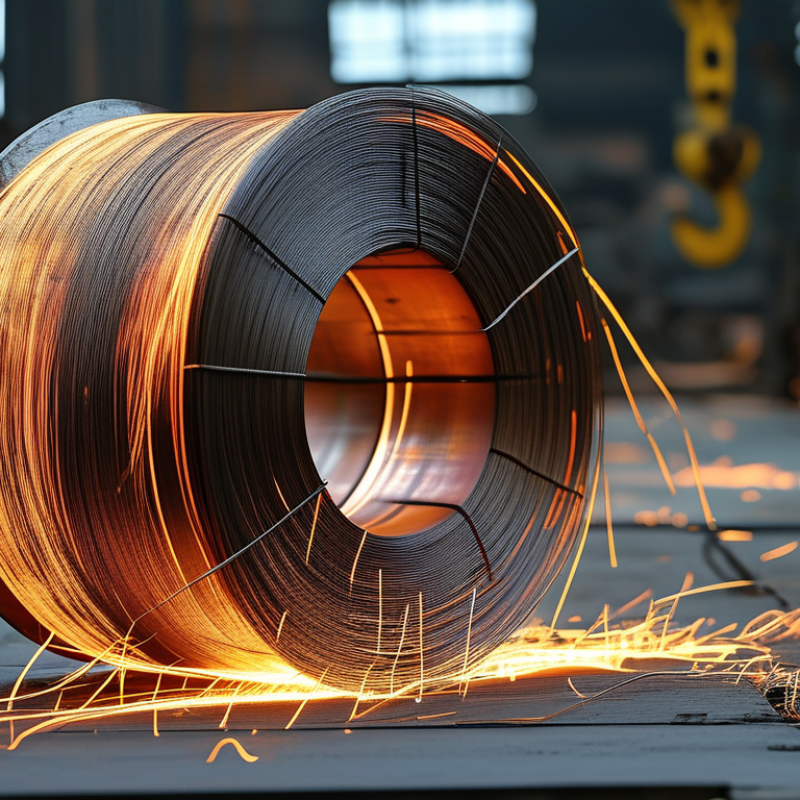
Global demand for annealed steel wire is poised for significant changes by 2026. Recent reports indicate that the market is expected to grow at a CAGR of 4.5% over the next three years. Factors driving this growth include rising construction activities and increased automotive production. Each sector has unique needs. The construction industry requires stronger, flexible wires for structural purposes, while automotive applications demand high tensile strength.
On the supply side, manufacturers are grappling with raw material price volatility and environmental regulations. Steel prices have fluctuated by 8% in the last year, which directly impacts production costs. Companies must balance cost-efficiency with sustainable practices. Incorporating recycled materials could lead to a shift in production methodologies. Yet, the transition is complex, posing challenges in quality assurance.
Moreover, regional disparities play a critical role. In Asia-Pacific, demand is expected to surge, driven by urbanization and infrastructure growth. Conversely, North America might witness stagnant growth due to a mature market. Companies may need to reassess their strategic focus to adapt to these evolving dynamics. Effective forecasting is vital for navigating this landscape.
The annealed steel wire market is evolving rapidly. By 2026, manufacturers are expected to adopt innovative processes that enhance efficiency and quality. Advanced heat treatment methods will play a significant role. These methods increase ductility and reduce brittleness in annealed steel. Improving production processes will allow for better control over wire properties.
Sustainability is becoming a focus in steel wire production. Manufacturers are exploring eco-friendly materials and practices. Recycling old steel and using less energy in the heating process are key innovations to watch. These changes can reduce emissions and lower production costs. However, not all manufacturers fully embrace these techniques. Some continue to prioritize traditional methods, raising questions about long-term competitiveness.
Automation and digital technology are also shaping the future. Smart factories will track production in real-time, minimizing defects and downtime. However, challenges remain in implementing these technologies effectively. The industry must balance innovation with skill development for the workforce. Adopting new technologies requires training and adaptation, which can be a slow process.
The annealed steel wire market is evolving rapidly, influenced by various emerging trends. A key factor affecting prices is the rise in demand from construction sectors. As infrastructure projects grow, the need for robust materials increases. This demand often leads to fluctuating prices. Economic conditions in major regions also play a significant role. When economies expand, the demand for steel wire typically rises, pushing prices higher.
Another aspect to consider is technological advancements. Innovations in production techniques can reduce costs and increase efficiency. However, these changes may not always be readily adopted. Therefore, companies must remain vigilant and adaptable. Environmental regulations are becoming stricter, compelling manufacturers to re-evaluate their practices. This shift can also impact pricing structures, making it essential for buyers to remain informed.
**Tips:** Keep up with industry news to understand price trends. Regularly review your supply chain and adjust as necessary. Engage with suppliers to discuss future forecasts and potential changes in pricing. Understanding these elements will help in better planning and budgeting for your projects.
This chart illustrates the projected prices of annealed steel wire throughout the year 2026. Prices are expected to gradually increase due to various emerging market trends influencing demand and supply dynamics.
As we approach 2026, sustainability practices in the annealed steel wire industry will gain more attention. Industry leaders are exploring ways to minimize environmental impact. Using recycled materials is a key focus. This reduces waste and resource depletion.
Innovative technologies are also emerging. Manufacturers are investing in cleaner production methods. These methods lower energy consumption and emissions. However, the transition does not come without challenges. Many companies struggle to balance cost and sustainability. Achieving the right mix of efficiency and eco-friendliness can be difficult.
Consumer awareness is rising. Buyers want products that are both high-quality and sustainable. This shift pressures manufacturers to adapt. Transparency in sourcing and production processes will become essential. Yet, not all practices will align perfectly with sustainability goals. There may be setbacks as companies strive to innovate within the industry. Constant reassessment of methods will be crucial for progress.
| Trend | Percentage Adoption (%) | Sustainability Practice | Region |
|---|---|---|---|
| Increased Use of Recycled Materials | 65 | Recycling methods for scrap steel | North America |
| Energy Efficiency Improvements | 75 | Utilizing renewable energy sources | Europe |
| Circular Economy Initiatives | 50 | Lifecycle assessments and recovery systems | Asia |
| Technological Advancements in Production | 80 | Automation and digitalization in manufacturing | Global |
| Reduction of Carbon Footprint | 70 | Carbon capture and storage technologies | South America |
In 2026, consumer preferences for annealed steel wire are shifting significantly. Many buyers seek wires that offer superior flexibility and durability. Industries like construction and manufacturing emphasize the importance of these traits. Flexible wire enables easier handling during installation. Yet, not all products meet these expectations. Variations in quality can lead to buyer dissatisfaction.
Additionally, environmental concerns are driving preferences. Consumers increasingly favor wires produced with sustainable practices. This shift reflects broader eco-conscious trends in various industries. However, sourcing environmentally friendly options can be challenging. Some wire manufacturers still overlook these expectations, leading to frustration among informed consumers.
Analysts note that specialized applications are rising. For instance, automotive and electronics sectors require specific wire characteristics. Complexity in these applications deserves attention, but many producers may not adapt fast enough. This gap between consumer needs and product offerings highlights an evolving marketplace. Buyers must stay informed about these trends to make the best choices in the coming years.
: Manufacturers will adopt advanced heat treatment methods to improve efficiency and quality.
These methods increase ductility and reduce brittleness, enhancing the wire's performance.
Manufacturers are exploring eco-friendly practices and recycling to minimize emissions and costs.
Traditional production techniques remain prioritized, raising concerns about long-term competitiveness.
Smart factories aim to track production in real-time, reducing defects and downtime.
Balancing innovation with workforce skill development can slow the adaptation process.
Economic expansion typically increases demand, leading to higher prices for steel wire.
Innovations can lower costs, but their slow adoption may affect overall efficiency.
Understanding price trends helps in better planning and budgeting for upcoming projects.
Engaging with suppliers and reviewing the supply chain can aid in anticipating price changes.
The article on "2026 Top Annealed Steel Wire Trends for Global Buyers" explores several key aspects shaping the annealed steel wire market. It provides a global forecast for demand and supply dynamics, identifying anticipated increases in production to meet rising consumer needs. Innovations in manufacturing processes are highlighted, emphasizing advancements that improve efficiency and product quality.
Additionally, the piece examines emerging market trends that are likely to influence pricing structures, as well as sustainability practices gaining traction in the industry. Finally, the analysis delves into consumer preferences regarding the applications of annealed steel wire, reflecting shifting demands and priorities among buyers. This comprehensive overview provides valuable insights for stakeholders navigating the future landscape of the annealed steel wire market.