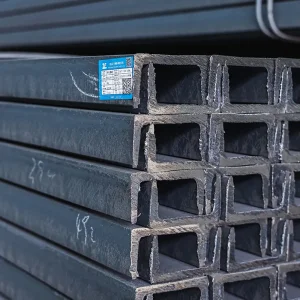
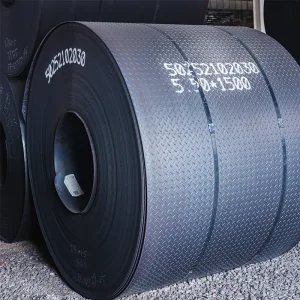
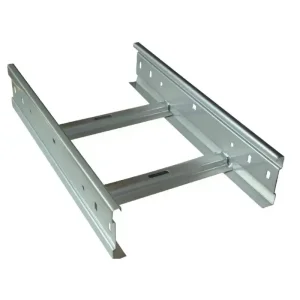
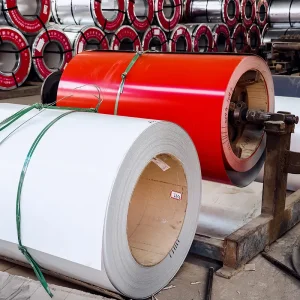
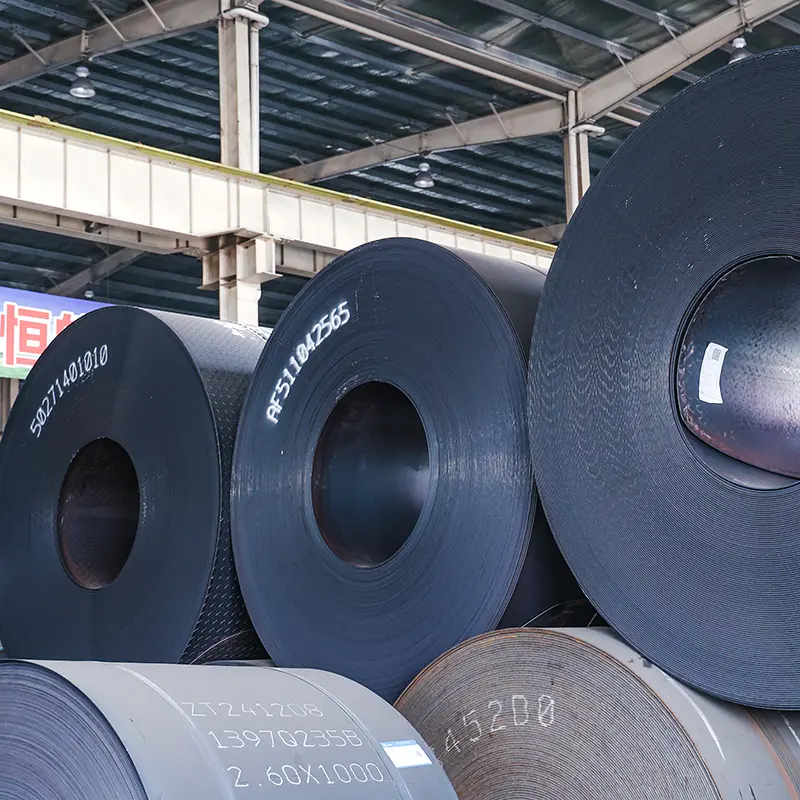
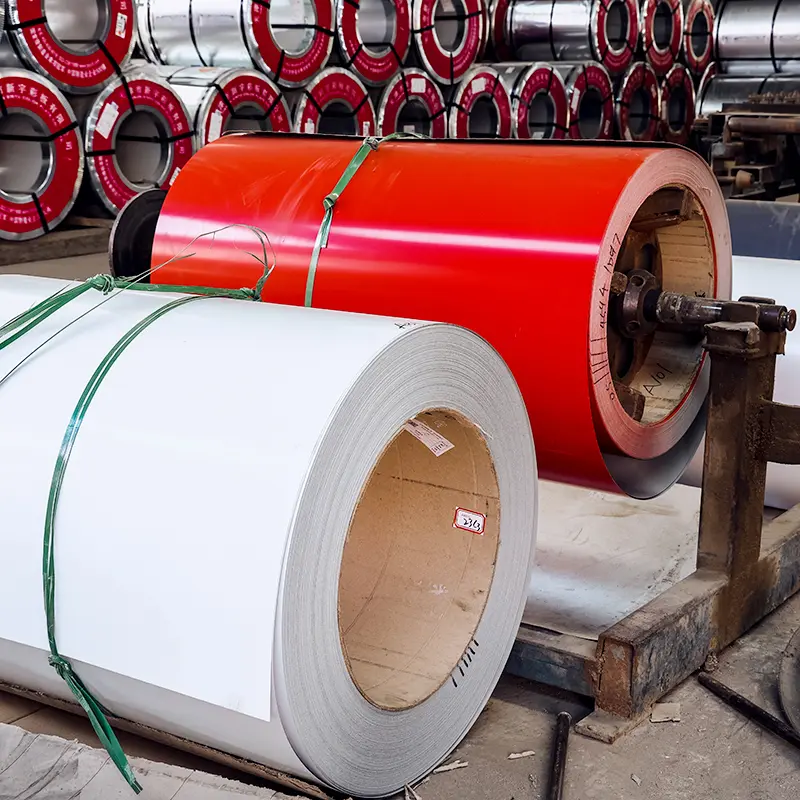
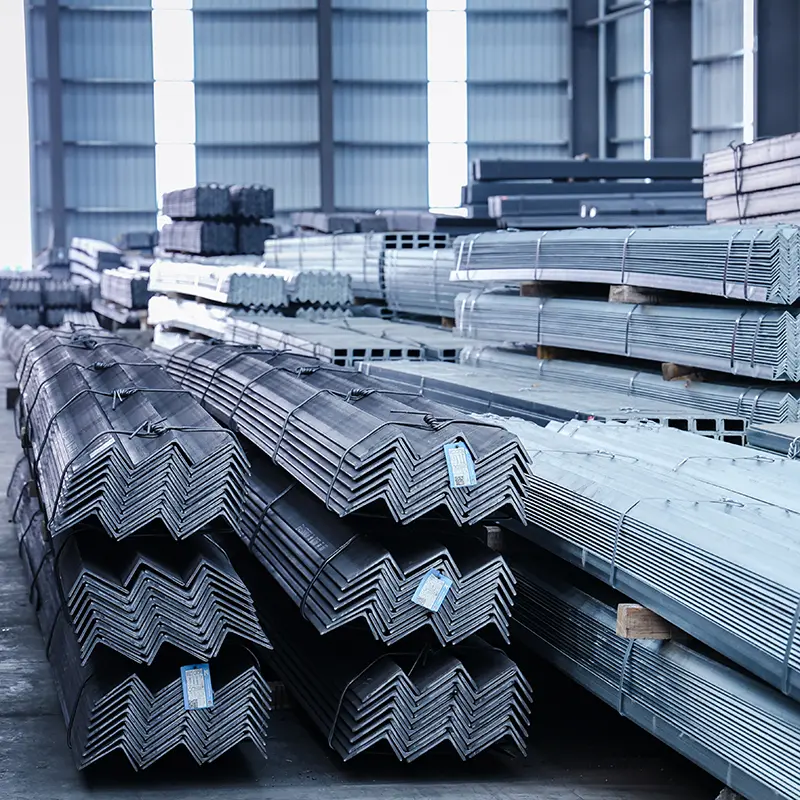
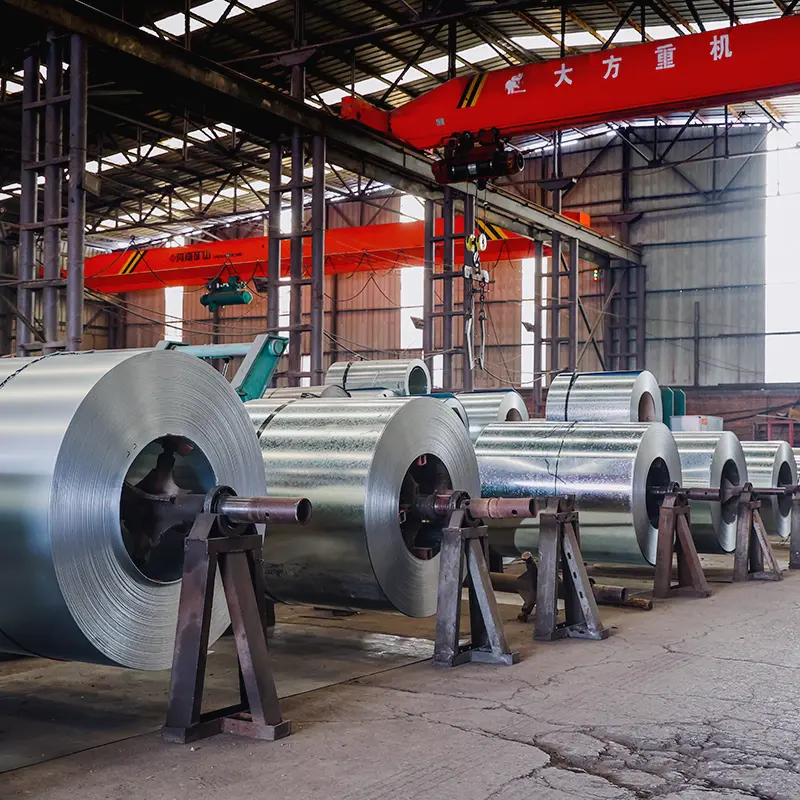
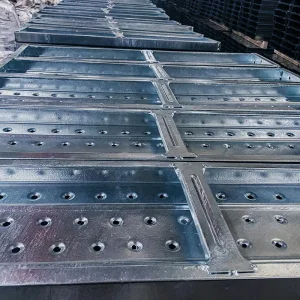
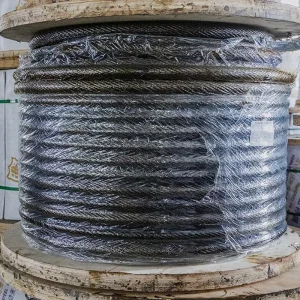
Explore our primary selection of industrial structural components. Engineered for critical load-bearing applications in commercial, infrastructure, and customized structural frame designs globally.
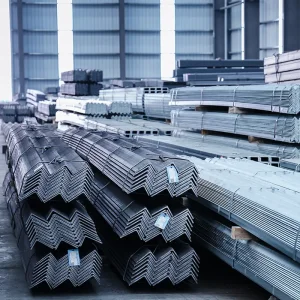
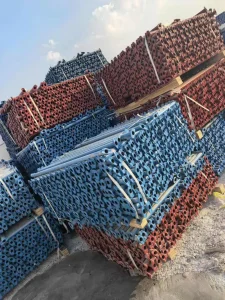
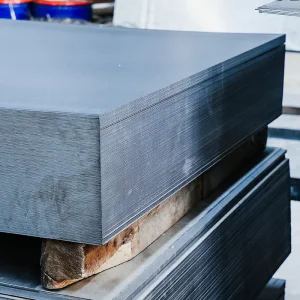
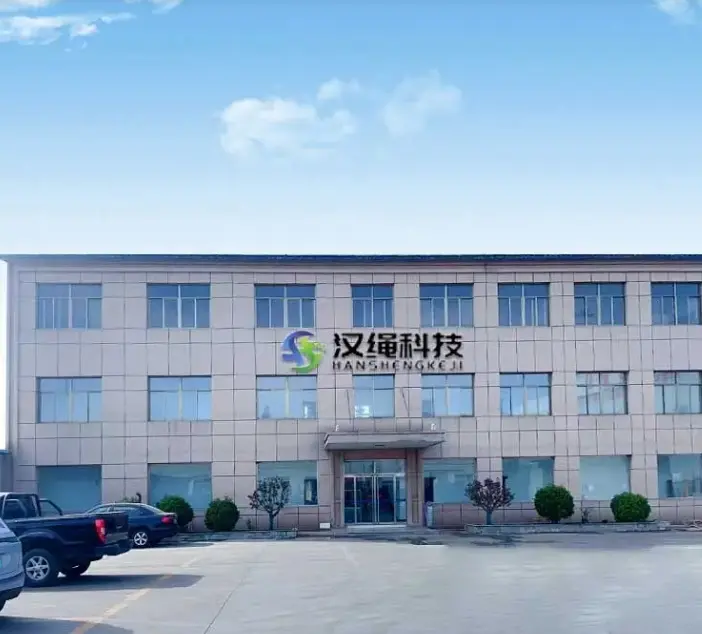
Strategically situated in Tangshan City, Hebei Province—widely recognized as the beating heart of China’s steel industry—Hansheng Technology (Hebei) Co., Ltd. has established itself as an industry-leading manufacturer and exporter of premium section steel since our founding in 2006. Benefiting from an exceptional logistics matrix, our state-of-the-art facilities sit just 150 kilometers from the major seaport of Tianjin and 150 kilometers from the nation's capital, Beijing. This geographic advantage translates directly into competitive freight solutions and swift transit times for our global client portfolio.
With 8 high-performance automated production lines operating at an annual production capacity of 300,000 metric tons, we engineer section steel to comply with global standards, including GB, JIS, ASTM, DIN, EN, and AS/NZS.
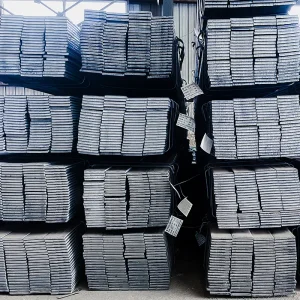
Section steel, encompassing structural shapes such as H-beams, I-beams, C-channels, U-channels, angle bars, and flat bars, serves as the skeletal framework of modern civil infrastructure. Structurally optimized to offer maximum moment of inertia and load resistance relative to cross-sectional area, these profiles are vital for structural integrity in skyscraper fabrication, industrial processing plants, seismic-resistant designs, and renewable energy racking structures.
To reduce overall building weight and lower shipping footprints, structural engineers are moving away from traditional mild steels to High-Strength Low-Alloy (HSLA) varieties. These allow thinner sections to bear equivalent loads, improving architectural efficiency.
With infrastructure targeting 50 to 100-year life cycles, hot-dip galvanization and advanced zinc-aluminum-magnesium coatings have become standard procurement requirements for harsh marine and industrial environments.
Off-site modular building construction relies heavily on the dimensional consistency of cold-rolled and hot-rolled structural steel profiles to ensure seamless mechanical assembly on site.
Every product manufactured by Hansheng Technology is subject to strict quality control, verified by pre-shipment inspections, and certified under ISO9001 and ISO14001 guidelines.
Section steel specifications vary depending on environmental stressors, installation standards, and structural styles across regions. Hansheng Technology manufactures profiles tailored to meet these regional demands:
Selecting the appropriate section steel involves assessing specific load requirements:
Bending Moment Resistance: Structural beams must withstand perpendicular forces without deflecting beyond acceptable design limits.
Torsional Stability: Channels and asymmetric angles need to be reinforced against twisting forces under heavy loading.
Weldability & Field Machining: Low-carbon and low-alloy compositions prevent cracking during field welding and structural modifications.
Hansheng Technology's structural profiles are utilized in high-profile international development projects, proving the dependability of our manufacturing and supply chain processes.
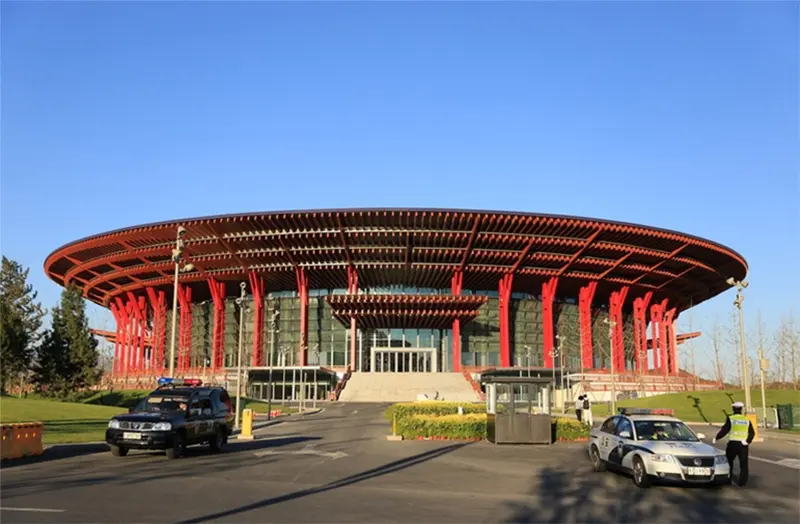
We supplied high-precision structural steel sections for the main framing of the convention halls, meeting rigorous load requirements.
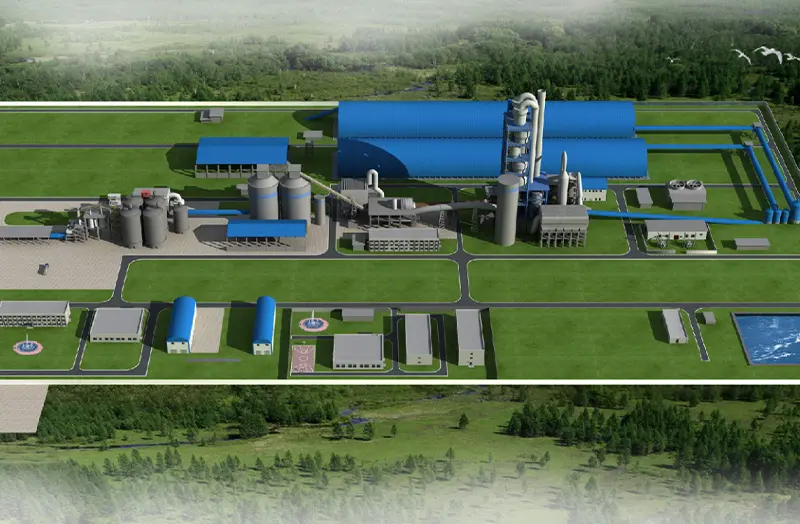
We manufactured and exported heavy-duty industrial structural beams for the Mamba Cement production facility, ensuring resistance to wear and dynamic mechanical loads.
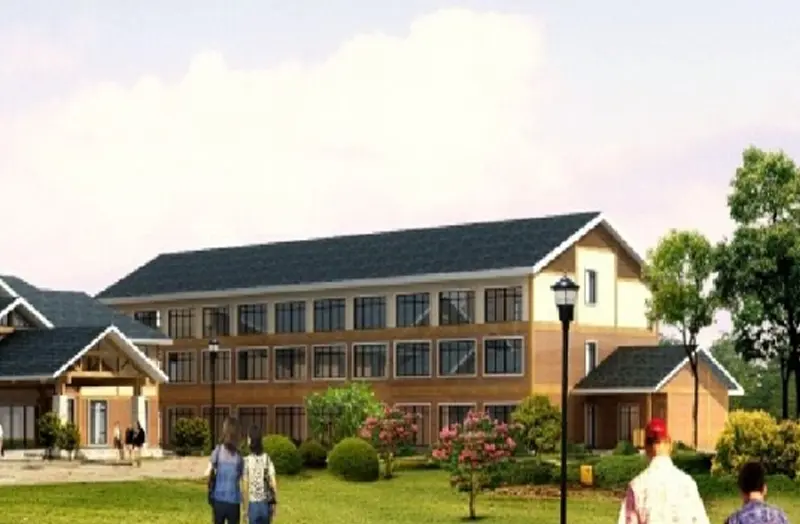
We designed and exported customized structural light-gauge framing and structural sections to meet stringent Canadian wind load and safety codes.
Tracking our global supply chain deliveries, demonstrating our capacity to manage complex logistical routing and custom packaging requests.
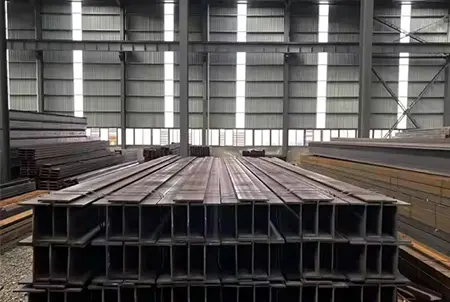
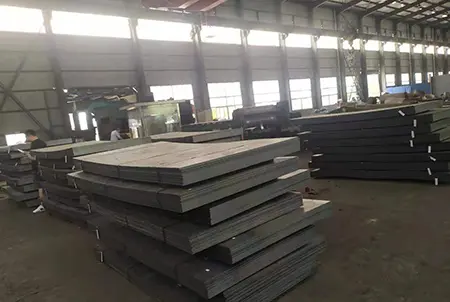
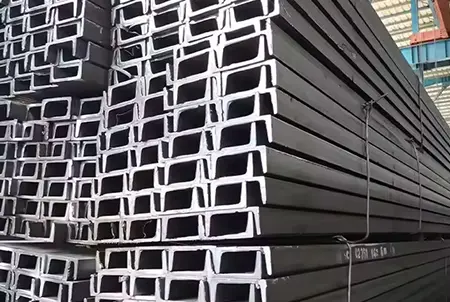
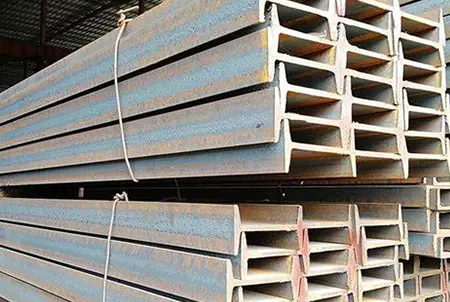
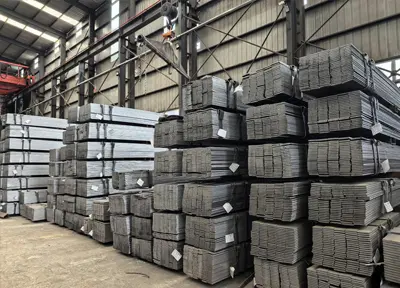
The global structural steel sector is undergoing a rapid transition driven by carbon reduction policies, automation, and advanced metallurgy. As structural design software shifts toward bim, fabrication demands require highly uniform structural sections that eliminate mechanical fit-up errors.
We collaborate with leading raw material suppliers and steel mills to ensure raw material consistency and reliable supply.



Industrial procurement managers must navigate complex engineering specifications and shipping logistics to ensure project success. Use this step-by-step checklist to optimize your structural steel supply chain.
Ensure steel grades comply with project specifications. For instance, ASTM A36 remains standard in US framing, whereas EN 10025 S275JR or S355JR is required for European civil infrastructure designs. Request certified mill test reports (MTRs) to verify carbon equivalents.
Cold-formed C-channels and angles can display web and flange deviations. Verify that your manufacturer utilizes automated calibration tools to keep dimensions within EN 10056 or ASTM A6 structural tolerances.
For galvanized outdoor applications, specify minimum zinc coating requirements (e.g., Z275 or 610 g/m² according to ISO 1461). This guarantees the specified service life in corrosive environments.
Ensure maritime shipments are packaged securely, using steel bands, waterproof protective wraps, and rust inhibitors to prevent water damage during ocean transit.
Get answers to common technical, quality control, and shipping questions regarding section steel procurement.
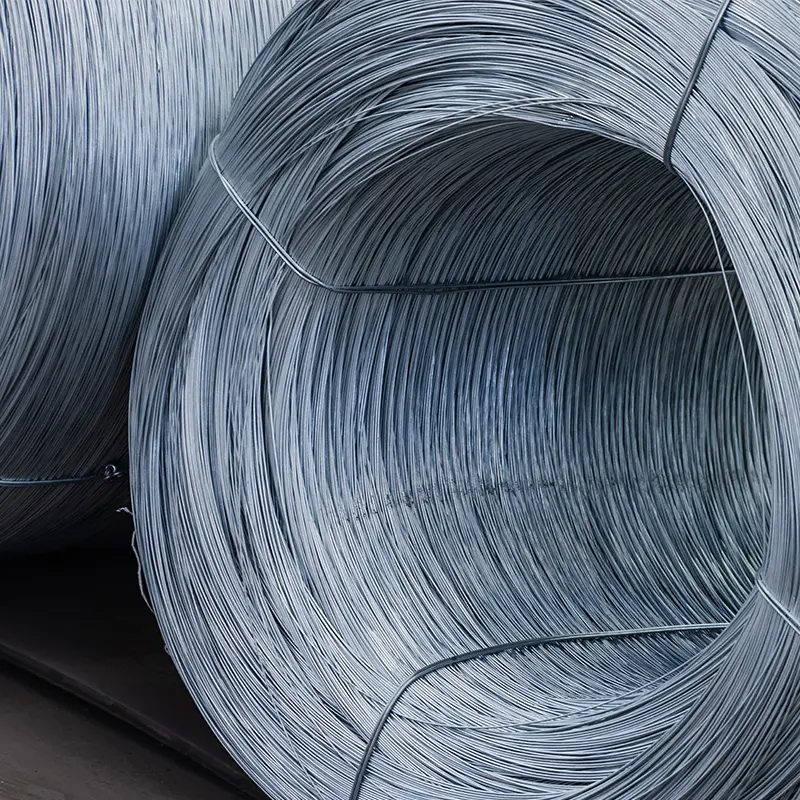
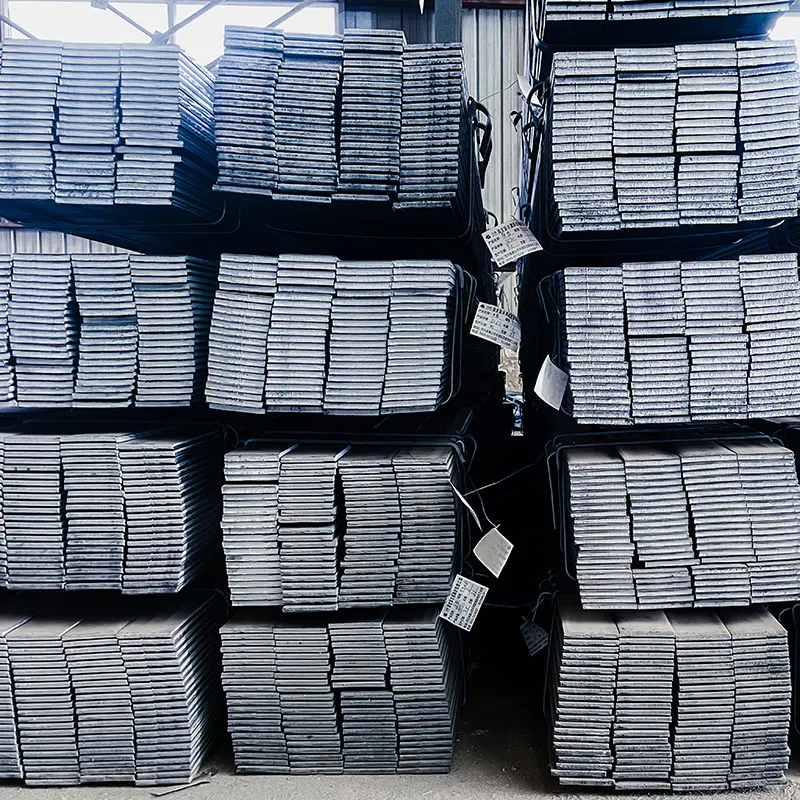
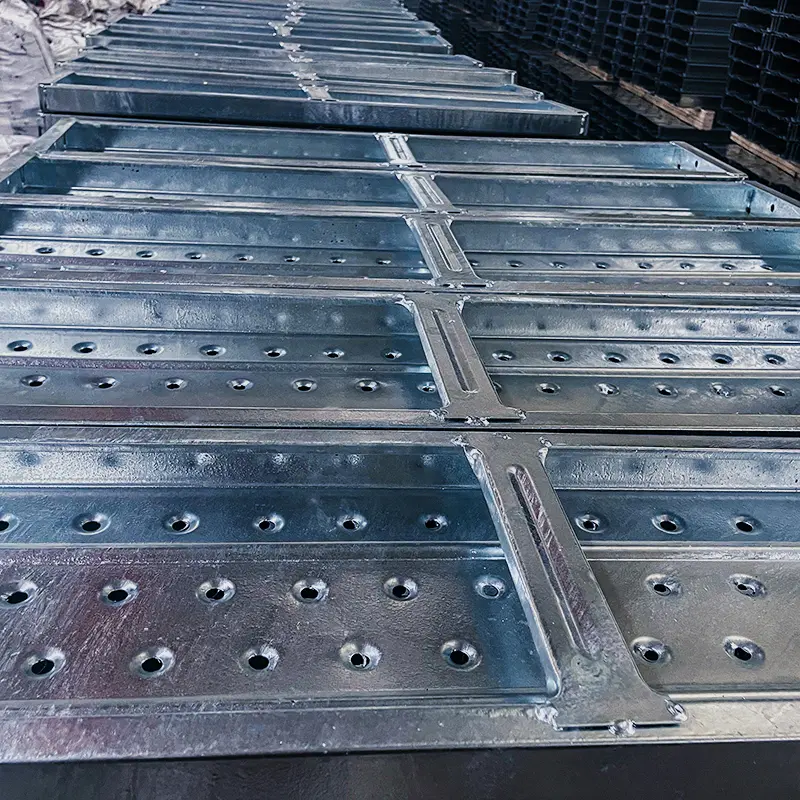
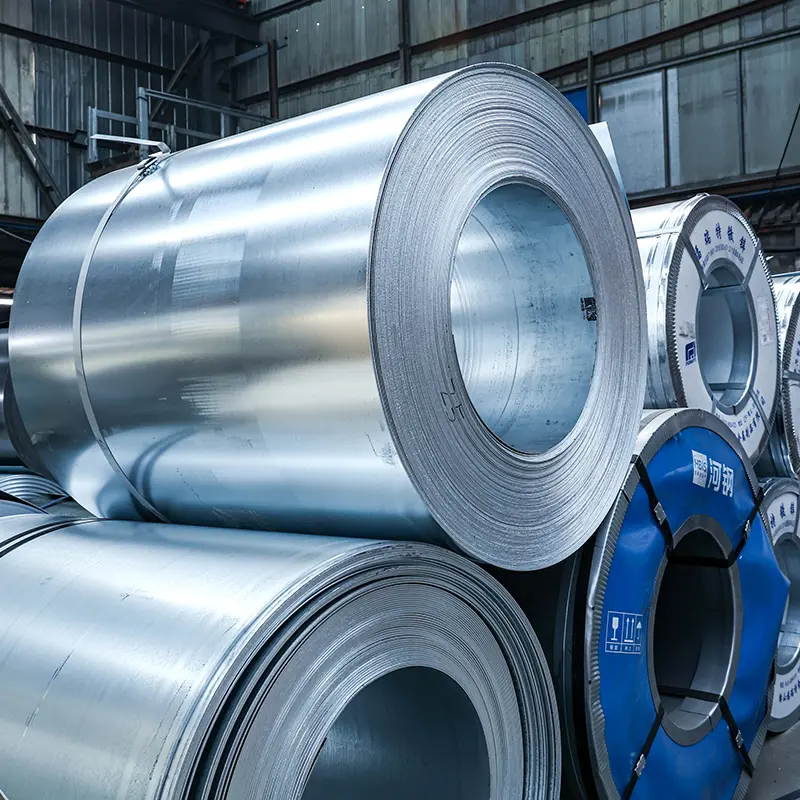
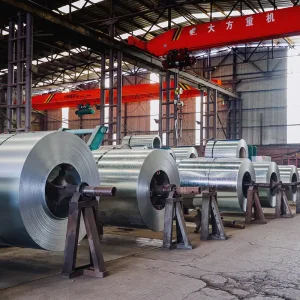
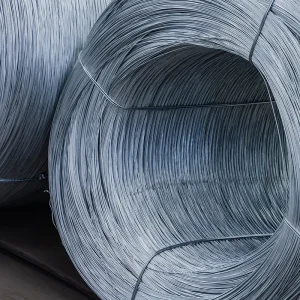
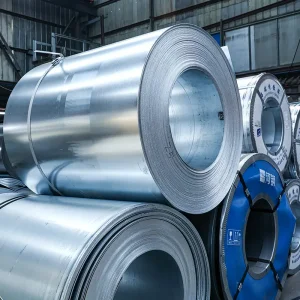
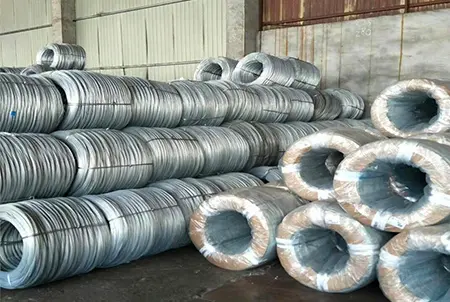
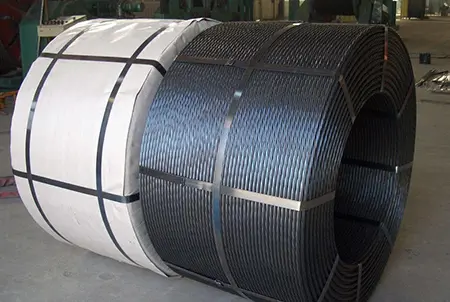
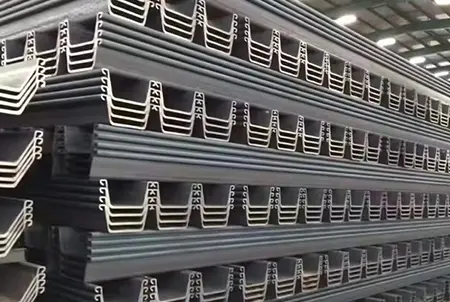
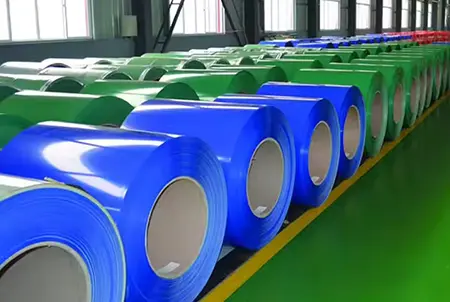
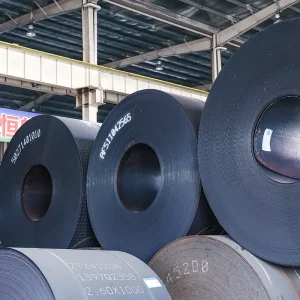
Browse our secondary catalog of metal coils, wire solutions, and flat structural products, manufactured using certified processes.
 Hanshen