Which Cableway Steel Wire Rope Type Is Best in 2026?

Time:2026-11-23 Author:Amelia
0%

Choosing the best Cableway Steel Wire Rope in 2026 is not simply a brand contest. It is a question of fit. Route length, gradient, cabin capacity, wind exposure, and operating speed all shape the choice. So do rope function and sheave design.

Track ropes and moving haul ropes perform different jobs. A locked-coil rope may suit a fixed trackway where stiffness and a smooth outer profile matter. Stranded ropes offer flexibility for moving systems, while rotation-resistant constructions can help manage twisting under particular load conditions. Compacted strands may provide a denser surface, but their benefits depend on the equipment and operating duty. No construction wins everywhere. That is the part buyers sometimes underestimate.

This guide compares rope types by function, construction, durability, maintenance needs, and practical fit for cableway systems in 2026. It also considers how corrosion protection, fatigue resistance, and compatible fittings affect service life. Product data and qualified engineering review should guide the final selection; a short specification sheet cannot explain every site condition. Even experienced teams can miss a detail. That is worth admitting. The goal is not to name one universal winner, but to help operators ask sharper questions, compare credible specifications, and choose a rope suited to the actual route and equipment.
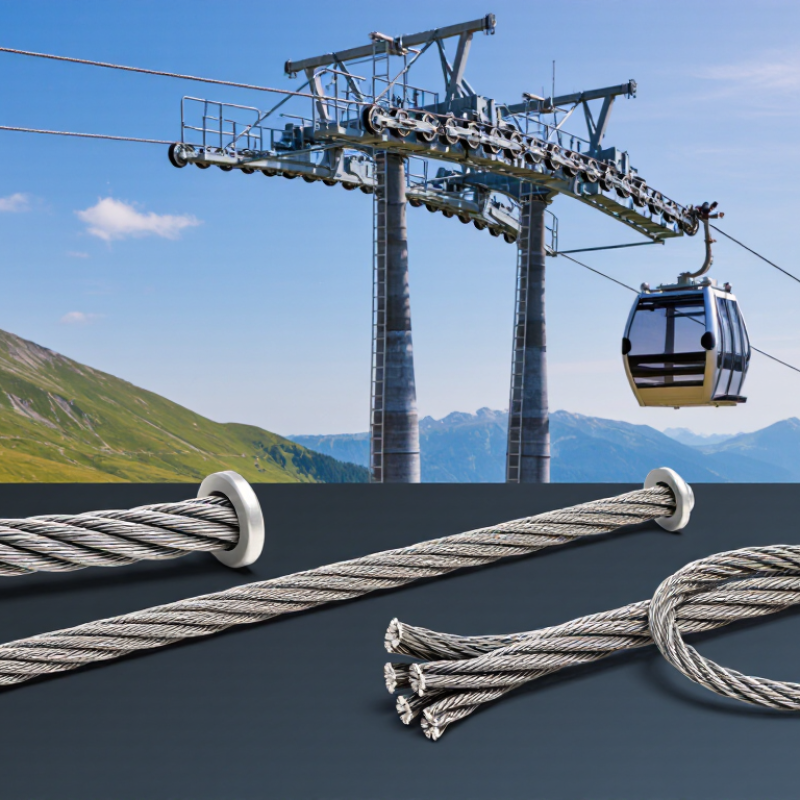
Which Cableway Steel Wire Rope Type Is Best in 2026?

Cableway Steel Wire Ropes: Purpose and Operating Conditions

Cableway Steel Wire Ropes: Purpose and Operating Conditions

A cableway rope may carry a cabin, pull it along the route, or perform both roles. Track ropes usually support the cabin across long spans, while haul ropes move repeatedly through drive wheels and sheaves. Their duties differ. So do their ideal constructions. A rope suited to steady support may not tolerate frequent bending as well.

Operating conditions shape the choice. Frequent starts and stops increase bending fatigue. Tight sheaves, heavy loads, moisture, and abrasive dust can also shorten service life. In cold or exposed locations, lubrication and corrosion protection deserve close attention. Check the system design, rope diameter, required strength, and sheave compatibility together. No single rope type is best for every cableway. That point sounds simple, but it is easy to overlook when comparing specifications alone.

Tips: Match the rope to its exact function and operating cycle. Keep inspection records, and watch for broken wires, rust, flattening, or uneven wear. Follow the equipment manufacturer’s limits and inspection schedule. If wear patterns seem unclear, pause and get a qualified rope specialist to assess them. A little uncertainty is worth investigating.

Common Steel Wire Rope Types Used in Cableways

Cableways commonly use track ropes, haul ropes, and, in some systems, combined carrying-hauling ropes. Track ropes support the cabins or carriers. Locked-coil rope is a frequent choice because its shaped outer wires form a relatively smooth surface and help protect the rope core. It is heavy, though, and needs suitable supports and careful installation. That matters.

Haul ropes pull carriers along the route. They are often made from several strands wound around a central core, with construction selected for the system’s load, speed, and sheave diameter. Rotation-resistant designs can help limit twisting, but they are not automatically the right choice for every cableway. The rope’s behavior under tension and bending cycles must be checked against the equipment design.

Combined carrying-hauling ropes perform both jobs in certain installations. Their construction and inspection requirements depend on the specific layout. In practice, engineers compare breaking force, fatigue performance, corrosion protection, and compatibility with grips and sheaves. A rope that looks substantial may still wear poorly if its diameter or construction does not suit the route. There is no universal best type. Operating records and close inspection can reveal problems that a specification sheet alone may miss.

How Rope Construction Affects Strength and Flexibility

A cableway rope’s construction changes how it carries load and bends over sheaves. A 6×19 construction has fewer, larger wires in each strand than a 6×36 design. That often gives it better resistance to surface wear, while the finer wires of 6×36 allow tighter bending. The trade-off is real. Fine wires can be more vulnerable to abrasion and corrosion between strands.

The core matters, too. An independent wire rope core supports the outer strands under pressure and can help resist crushing. A fiber core is generally more flexible, but may compress more under heavy loads. For a route with frequent sheave passages, flexibility can reduce bending fatigue. For a long, heavily loaded span, core support and breaking-force data deserve close attention. Not always obvious.

Rope lay and rotation resistance also affect behavior. Opposing strand layers can reduce rotation under load, but these constructions may need careful handling and compatible end fittings. Check the rope’s certified specifications against the cableway design, including sheave diameter, operating load, and inspection criteria. A larger breaking-strength figure alone does not identify the best rope. In practice, I would compare fatigue performance and wear patterns, too; those details are easy to overlook.

Key Criteria for Selecting a Cableway Rope in 2026

Selecting a cableway rope starts with its job. A track rope supports the carriage; a haul rope pulls it. Locked-coil ropes suit many track-rope duties, while stranded ropes are common for hauling. The right choice depends on span, cabin load, speed, and sheave diameter—not breaking strength alone. EN 12927, the European safety standard for cableway ropes, addresses rope design, installation, inspection, and maintenance. Use its requirements alongside a site-specific engineering assessment.

Check fatigue, rotation, corrosion protection, and compatibility with the drive and sheaves. Frequent bending over small sheaves can shorten service life, even when a rope’s rated strength looks generous. Ask suppliers for documented breaking force, construction, diameter tolerance, and lubrication details. Then compare these against the installation’s measured loads and operating cycles. Small details matter.

Inspection data should shape selection, too. ISO 4309:2017 identifies broken wires, diameter reduction, corrosion, and deformation among the conditions used to assess rope deterioration and discard. Although written for crane ropes, it offers useful inspection principles; cableway-specific requirements still take priority. Keep baseline diameter readings and dated photographs. A spreadsheet helps, but it cannot judge every strand at a termination. I would avoid choosing by catalogue figures alone. Real wear can be uneven.

Matching Rope Types to Cableway Designs and Service Needs

A cableway rope should be matched to its job, not chosen by a single “best” label. Track ropes support the carrier and remain comparatively stationary, so locked-coil constructions are often considered for their stiffness and smooth outer surface. Haul ropes move continuously over sheaves, making bending flexibility and resistance to repeated fatigue important. Details matter. The right construction still depends on the system’s design, loads, span, sheave grooves, and grip requirements.

Service conditions can change the choice. A line exposed to rain, salt, or fine grit needs a suitable corrosion-protection plan and careful inspection, while frequent starts and stops place different demands on a moving rope. Rotation-resistant constructions may help limit twisting, but their behavior and splicing requirements must suit the installation. Check rope diameter, lubrication needs, and inspection intervals against engineering specifications. Not always. A technically suitable rope can still perform poorly when maintenance records are incomplete or worn sections go unnoticed. Real operating conditions deserve another look.

FAQS

What does a cableway rope do?

It may support a cabin, pull it along the route, or perform both roles. Track ropes usually support cabins across long spans.

How is a haul rope different from a track rope?

A haul rope moves repeatedly over drive wheels and sheaves. A track rope is comparatively stationary and supports the carrier. Different jobs need different constructions.

What conditions can shorten a rope’s service life?

Frequent starts, tight sheaves, heavy loads, moisture, and abrasive dust can increase wear. Cold or exposed locations also make corrosion protection important. Details matter.

How do 6×19 and 6×36 constructions differ?

A 6×19 rope has fewer, larger wires in each strand and may resist surface wear better. Finer wires in a 6×36 rope can bend more easily, but may be more vulnerable to abrasion.

How does the rope core affect performance?

An independent wire rope core supports outer strands under pressure and can help resist crushing. A fiber core is generally more flexible, but may compress under heavy loads. Not always obvious.

What should be checked before choosing a rope?

Compare the rope’s certified specifications with the system design, operating load, rope diameter, sheave size, and grip requirements. Breaking strength alone is not enough. I used to focus on that figure first; it was too narrow.

Why are locked-coil ropes considered for track ropes?

Their stiffness and smooth outer surface can suit track-rope duties. The final choice still depends on span, load, sheave grooves, and the installation.

What signs should inspectors watch for?

Look for broken wires, rust, flattening, and uneven wear. Keep inspection records and follow the equipment’s schedule. If a wear pattern is unclear, pause and ask a qualified rope specialist. I might overlook something.

Conclusion

Choosing the best Cableway Steel Wire Rope in 2026 depends on how the cableway is designed and the conditions in which it operates. Ropes may face changing loads, weather exposure, frequent movement, and long periods of service, so selection should begin with a clear understanding of the system’s purpose and operating demands. Common rope types differ in their arrangement of strands and wires, and these construction details affect important qualities such as strength, flexibility, resistance to wear, and behavior around sheaves.

A suitable choice balances load capacity with the bending and movement required by the cableway. Consider the rope’s construction, expected service conditions, inspection needs, and compatibility with the system rather than relying on a single specification. Matching the rope type to the cableway design and its actual duties can support reliable operation and help ensure that performance remains appropriate throughout the rope’s service life.


Amelia

Amelia

Amelia is a seasoned marketing professional with a wealth of expertise in our company’s core offerings. With an unwavering passion for driving growth and innovation, she plays a pivotal role in shaping our marketing strategies and enhancing brand visibility. A key aspect of her responsibilities......