In recent years, the demand for Galvanized Steel Wire has surged significantly. According to a market report by Grand View Research, the global market for galvanized wire is expected to reach USD 5.3 billion by 2026. This growth reflects the increasing applications in construction, agriculture, and manufacturing industries. For instance, galvanized steel is known for its corrosion resistance, making it an ideal choice for both indoor and outdoor use.
However, not all galvanized steel wires are created equal. Variations in coating thickness, wire diameter, and alloy composition can lead to different performance outcomes. Buyers must navigate these complexities when choosing the right product for their specific needs. Industry experts often emphasize the importance of sourcing from reputable manufacturers who adhere to international standards and certifications.
Despite industry advancements, some challenges remain. Reports indicate that poor-quality galvanized wire can result in premature corrosion, affecting structural integrity. Thus, it's essential for buyers to prioritize quality assurance in their decision-making process. Understanding these intricacies can significantly impact procurement success.
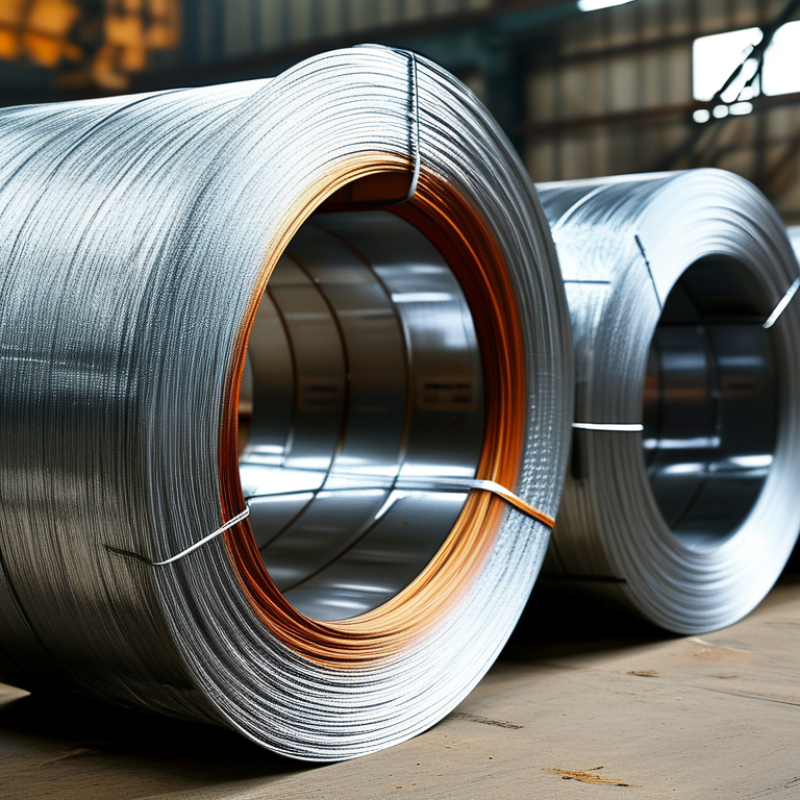
The global market for galvanized steel wire is evolving rapidly. Its applications range from construction to automotive industries. As demand increases, understanding the factors that influence this market becomes crucial.
In 2026, innovation in coating technology may enhance the durability of galvanized steel wire. Buyers should prioritize suppliers who invest in high-quality production methods. Keep an eye on fluctuating prices. Economic conditions can impact costs significantly. These factors can create opportunities and challenges for global traders.
Tips: Always evaluate your supply chain's transparency. Reliable sources are vital for sustainable business. Additionally, consider the environmental practices of your suppliers. This could be a decisive factor in your purchasing decisions in the future. Collaborating with producers who prioritize sustainability will not only benefit your business but also the planet.
Galvanized steel wire is widely used across various industries, including construction and agriculture. The right specifications are crucial for ensuring quality and reliability. The Global Standards Organization has outlined key criteria for these products. For instance, wire diameter typically ranges from 0.2 mm to 6.0 mm, impacting both strength and application. According to the ASTM A641 standard, wire must possess a minimum tensile strength of 350 MPa.
Zinc coating plays a significant role in corrosion resistance. The average coating weight for high-quality galvanized wire can reach 200 g/m², according to industry benchmarks. This ensures that it withstands harsh weather conditions while maintaining its integrity. Yet, the thickness of the coating can vary, often leading to questions about durability and performance.
Another important aspect is the wire's elongation capability. A standard elongation percentage of 10% is often necessary for proper functionality. Industry reports indicate that wires with lower elongation may fail under stress. Manufacturers must consistently test for these specifications to prevent product failures and ensure safety on job sites. This highlights the importance of rigorous quality control and adherence to established standards in the production of galvanized steel wire.
The galvanized steel wire market continues to grow. As of 2023, the global market is projected to reach USD 29 billion. Key manufacturing regions include North America, Europe, and Asia-Pacific. These areas dominate due to robust industrial activities. China leads production, contributing much to exports.
The demand for galvanized steel wire has surged. The construction and automotive sectors are primary drivers. Furthermore, the use of these wires in electrical applications is rising. North America is expected to see a compound annual growth rate (CAGR) of 4.5% from 2024 to 2030. However, challenges exist. Supply chain disruptions and fluctuating raw material prices can hinder growth.
In Europe, sustainability is becoming essential. Manufacturers are focusing on eco-friendly production methods. The market is gradually moving towards recycled materials. This trend may reshape manufacturing practices. Stakeholders must adapt to market changes. Emerging technologies also play a role. Innovation in wire coating techniques may improve product lifespan and performance.
The galvanized steel wire market is evolving. Recent reports suggest a rise in demand due to infrastructure projects. The global market for galvanized steel wire is projected to grow at a CAGR of 4.5% from 2023 to 2028. This growth is driven by its use in construction and agriculture.
Innovations in production processes are noteworthy. Advanced galvanizing methods enhance durability and corrosion resistance. Some manufacturers are adopting eco-friendly practices, using zinc-aluminum coatings instead of traditional galvanization. These changes can improve the environmental footprint of galvanized steel products.
However, challenges persist. The fluctuating prices of raw materials create uncertainty. Additionally, some older production methods still dominate in certain regions, delaying progress. There is a need for a shift towards more sustainable practices across the industry. This will not only enhance product quality but also support global sustainability goals.
| Type | Diameter (mm) | Strength (MPa) | Corrosion Resistance (hours) | Application |
|---|---|---|---|---|
| Standard Galvanized Wire | 1.50 | 450 | 500 | Fencing |
| High Tensile Wire | 3.00 | 700 | 600 | Construction |
| Electro-Galvanized Wire | 1.20 | 380 | 350 | Binding |
| PVC Coated Wire | 2.00 | 500 | 800 | Agricultural Fencing |
| Biodegradable Wire | 1.80 | 450 | 400 | Environmental Projects |
The galvanized steel wire industry is subject to various price fluctuations influenced by multiple factors. One major driver is the cost of raw materials. Changes in the prices of steel and zinc can lead to significant adjustments in the production costs. When raw material costs rise, manufacturers often pass these expenses to consumers. This creates a domino effect across the market.
Market demand plays a crucial role as well. When construction and manufacturing sectors thrive, the demand for galvanized steel wire increases. High demand coupled with limited supply can push prices upward. Economic conditions, such as inflation or recession, also impact spending power, leading to unpredictable price shifts.
Trade policies and tariffs further complicate the pricing landscape. Changes in regulations can either hinder or promote the export and import of galvanized steel products, influencing global prices. Keeping abreast of these factors is essential for buyers. Evaluating trends and market analysis helps them navigate this complex environment. It's important to remain vigilant, as the market is not always transparent. Understanding these nuances is key to making informed purchasing decisions.
: The diameter generally ranges from 0.2 mm to 6.0 mm, affecting strength and application.
Zinc coating enhances corrosion resistance, critical for maintaining wire integrity in harsh conditions.
According to standards, the minimum tensile strength should be at least 350 MPa.
A standard elongation of 10% is essential. Lower elongation may cause failures under stress.
Increased demand from infrastructure projects is driving growth, projected at a CAGR of 4.5%.
Advanced methods, including eco-friendly zinc-aluminum coatings, are improving durability and sustainability.
Raw material costs, market demand, and economic conditions significantly influence price variability.
Changes in tariffs and regulations can impact import and export, influencing global prices.
Consistent testing for specifications ensures durability and safety, preventing potential product failures.
Price fluctuations and reliance on old production methods hinder progress towards sustainability.
The article titled "2026 Best Galvanized Steel Wire for Global Buyers" provides a comprehensive overview of the global galvanized steel wire market, highlighting key specifications and standards essential for ensuring high-quality products. It discusses the leading manufacturers and regions that dominate this industry, showcasing significant trends and innovations in both production and applications of galvanized steel wire.
Furthermore, the article delves into the various factors that influence price fluctuations within the galvanized steel wire sector, offering insights for buyers to navigate the market effectively. By understanding these dynamics, global buyers can make informed decisions and remain competitive in an evolving landscape.