In the quest for the ideal materials in the steel industry, choosing the right type of wire can greatly impact performance. Low Zinc Steel Wire is gaining attention for its unique benefits. Buyers worldwide are looking for options that offer durability without a high zinc coating.
This type of wire presents an interesting blend of strength and flexibility. It is essential to weigh the pros and cons. Some users report better welding properties, while others find the corrosion resistance lacking compared to higher zinc variants. This discrepancy can lead to unintended outcomes if not carefully considered.
Quality matters more than ever in today's global market. Buyers need expert insights to make informed choices. It's important to align the usage of Low Zinc Steel Wire with specific project requirements. As the industry evolves, adapting to newer standards and innovations remains a challenge. With the right information, buyers can navigate these trends effectively.
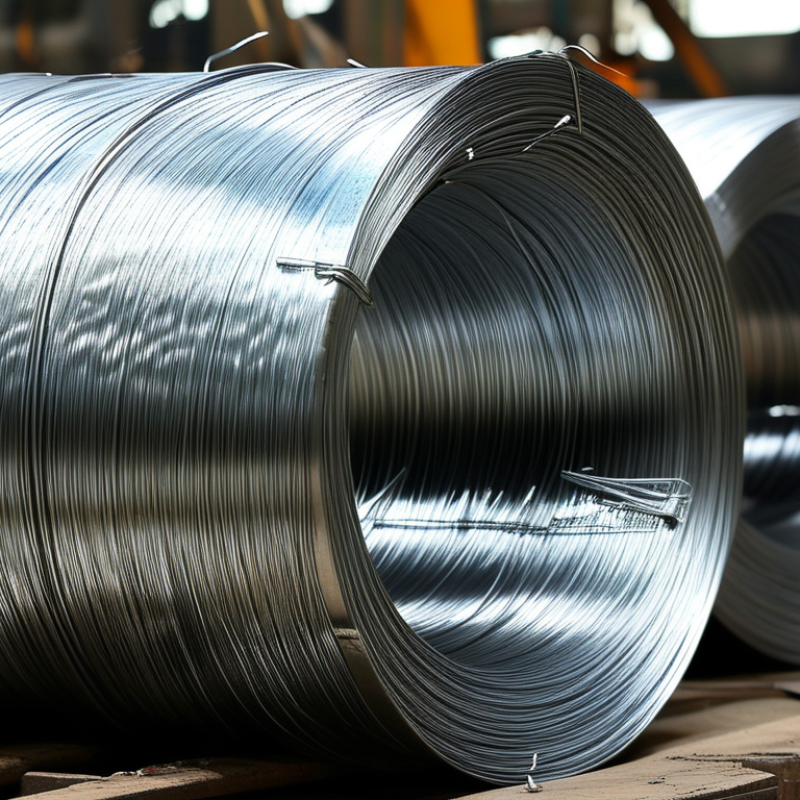
The low zinc steel wire industry is facing interesting trends in 2026. As demand grows, manufacturers are adapting to new standards. Consumers increasingly seek sustainable and long-lasting products. This shift is prompting research into wire properties and coatings. Enhanced durability and corrosion resistance are now essential.
Industry experts note a significant change in application areas. Low zinc steel wire is becoming popular in construction and agriculture. These sectors prioritize performance and quality. However, there is room for improvement in production techniques. Some methods still produce inconsistent quality, requiring further analysis.
Moreover, the market shows fluctuating prices, impacting supply chains. This volatility puts pressure on buyers. Many face challenges in retaining cost-effectiveness while ensuring quality. It's crucial to monitor these changes closely. Buyers need to be informed and adaptable. Understanding market dynamics can lead to better purchasing decisions in the future.
| Region | Annual Demand (Metric Tons) | Market Growth Rate (%) | Key Applications | Average Price (USD per Ton) |
|---|---|---|---|---|
| North America | 150,000 | 4.5 | Automotive, Construction | 800 |
| Europe | 120,000 | 3.8 | Construction, Electrical | 850 |
| Asia-Pacific | 200,000 | 5.2 | Manufacturing, HVAC | 700 |
| Latin America | 80,000 | 3.1 | Agriculture, Packaging | 750 |
| Middle East & Africa | 60,000 | 2.5 | Construction, Oil & Gas | 900 |
When considering low zinc steel wire, buyers must pay attention to key specifications and standards. The International Organization for Standardization (ISO) provides guidelines for steel wire products, ensuring their quality and durability. For low zinc steel wire, common specifications include ASTM A641 and ASTM A580, which define the minimum requirements for wire strength and corrosion resistance.
Manufacturers often use various zinc coatings to enhance durability. The American Society for Testing and Materials (ASTM) recommends coatings that are at least 50 g/m². This standard improves protection against rust and corrosion, crucial for outdoor applications. Reports indicate that low zinc steel wires with these coatings can extend service life by up to 30%.
However, not all products meet these benchmarks. Discrepancies in production methods may lead to variations in wire integrity. Buyers should conduct thorough inspections and ensure that products comply with the stated specifications. Investing in compliant materials is essential for avoiding future maintenance issues and ensuring long-term performance.
In 2026, the low zinc steel wire market is expected to witness significant growth. Market analysis reveals key suppliers with strong production capacities. These suppliers are adapting to global demands while enhancing efficiency and product quality. The focus will remain on sustainability, as shifting consumer preferences drive innovation.
Tips: Always verify the credentials of your suppliers. Look for manufacturers with certifications. Check their production capacity and track record before making decisions.
Experts suggest that low zinc steel wire applications will expand in construction and automotive sectors. Increased infrastructure projects largely contribute to this demand. Suppliers are investing in advanced technologies to boost production rates. However, fluctuation in raw material prices may pose challenges, prompting re-evaluation of sourcing strategies.
Tips: Monitor market trends regularly. Use industry reports to stay informed. Engage with suppliers to discuss future developments and potential risks.
Low zinc steel wire is gaining attention across various industries for its unique application and performance characteristics. This wire offers a balance between strength and corrosion resistance. Industries ranging from construction to automotive are adopting it due to its reliability. For instance, low zinc steel wire is commonly used in fencing applications, providing durability without significant weight. Its high tensile strength ensures that it can withstand environmental stressors effectively.
In the agricultural sector, low zinc steel wire is crucial for trellising plants and supporting crops. It performs well under varying weather conditions. Farmers appreciate its long lifespan and minimal maintenance requirements. Additionally, this wire is also used in the manufacturing of wire baskets and other storage solutions. These applications demonstrate versatility but raise questions about optimal use. Is the low zinc coating sufficient in all environments?
Despite its advantages, low zinc steel wire can sometimes exhibit lower performance in extremely corrosive conditions. This factor necessitates thorough consideration during material selection. As industries evolve, the demand for improved formulations continues. Ongoing assessments of performance help refine these products, tailoring them to specific needs.
Low zinc steel wire production has advanced significantly, but environmental impacts remain a concern. The steel industry is the second-largest industrial source of greenhouse gases. In fact, it contributed about 8% of global CO2 emissions in 2020. The challenge lies in balancing production demands and ecological responsibilities.
Sustainability practices have emerged as a crucial response to these challenges. Many manufacturers are adopting recycling methods that reduce energy consumption and emissions. Industrial reports indicate that recycling steel can save up to 74% of energy compared to producing new steel. Firms are also exploring alternative materials and processes to lower zinc usage while maintaining quality.
Despite these efforts, issues persist. Some production facilities still rely heavily on fossil fuels, hampering progress. The industry is scrutinizing these practices. Improvement in emissions tracking and waste management is essential. Transparency and accountability in sustainability efforts can lead to better industry standards and practices.
: Key specifications include ASTM A641 and ASTM A580. These set standards for strength and corrosion resistance.
Zinc coating enhances durability. A minimum of 50 g/m² is recommended for better rust protection.
Properly coated wires can extend life by up to 30%. This is crucial for outdoor applications.
Inspect products carefully. Ensure they meet specified standards for quality and integrity.
Increased infrastructure projects and demand in construction and automotive sectors drive growth.
Suppliers should invest in advanced technology. Monitoring production processes helps ensure efficiency.
Price changes may impact sourcing strategies. Suppliers need to adapt quickly to avoid disruptions.
Verifying supplier credentials is essential. Look for proven track records and relevant certifications.
They provide insights into market trends. Staying informed helps in making better purchasing decisions.
Yes, there are still quality inconsistencies. Continuous evaluation of manufacturing practices is needed.
The article titled "2026 Best Low Zinc Steel Wire for Global Buyers?" provides a comprehensive overview of the trends and demand for Low Zinc Steel Wire in 2026. It discusses the industry's evolving specifications and standards, highlighting key requirements for manufacturers and consumers. The market analysis section identifies leading suppliers and their production capabilities, emphasizing the competitive landscape and potential growth areas.
Furthermore, the article explores the diverse applications and performance characteristics of Low Zinc Steel Wire across various industries, underscoring its versatility. As sustainability becomes increasingly important, the environmental impact of Low Zinc Steel production is examined, along with current practices aimed at reducing ecological footprints. This examination of Low Zinc Steel Wire offers valuable insights for buyers looking to navigate the market effectively while prioritizing sustainable choices.