Choosing the right Hanger Steel Wire can significantly impact project success. The construction industry relies on quality materials to ensure safety and durability. According to a recent report from the Steel Wire Association, over 70% of structural failures are linked to inadequate support systems. This highlights the importance of selecting superior Hanger Steel Wire.
Expert John Smith, an esteemed engineer with over 30 years in the industry, states, “The right Hanger Steel Wire not only supports weight but also guarantees longevity.” His experience emphasizes the critical nature of this choice. Various factors influence selection, such as load capacity and environmental conditions.
The market offers numerous options, which can be overwhelming. Not all wires meet stringent industry standards. Some may rust or break under pressure. Buyers must do their due diligence to avoid costly mistakes. Investing time in research can lead to better outcomes. With the right information, you can make informed decisions on Hanger Steel Wire that suit your needs perfectly.
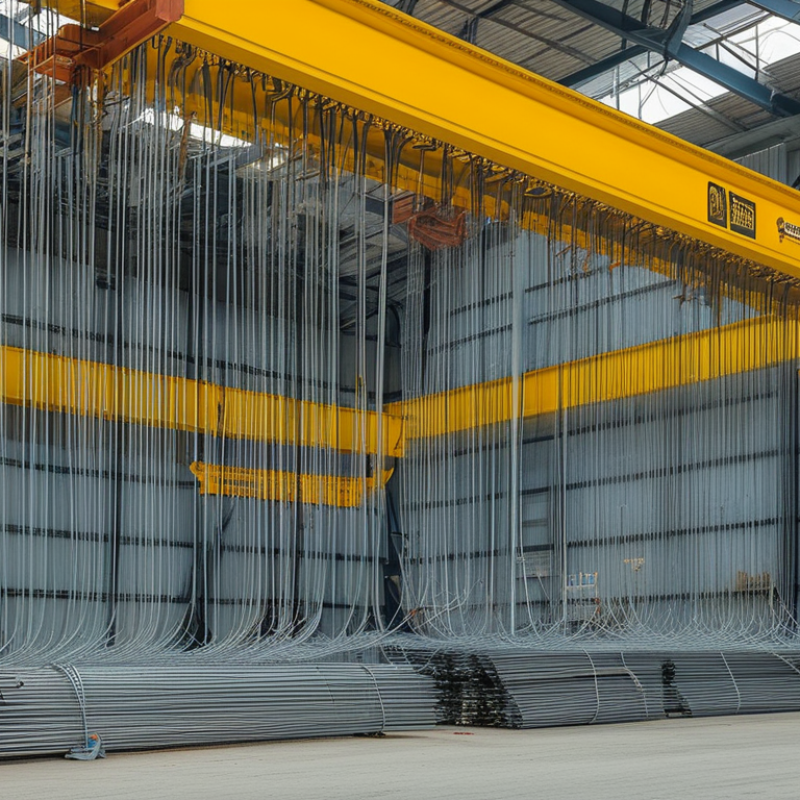
Identifying your specific hanger steel wire requirements is crucial for effective use. Consider the weight and type of items you plan to hang. Lightweight items may need thinner wires, while heavier ones require thicker, more durable materials. This knowledge shapes the decision-making process.
Tips: Measure the load capacity you need. Consider potential environmental factors. Humidity or temperature may affect wire durability.
It's also essential to assess the installation location. Indoor spaces may allow for more flexibility with wire types. Outdoor areas might demand rust-resistant options. Evaluate the aesthetic implications, too. A sleek, polished finish can enhance the overall look of your project.
Tips: Research various wire finishes. Look for options that suit both functionality and appearance. Choose the right gauge for your specific demands. Understanding these aspects can prevent regret in the selection process.
When selecting hanger steel wire, understanding the types available is crucial. Common options include galvanized steel, stainless steel, and black annealed wire. Each type serves specific purposes and exhibits different properties.
Galvanized steel wire, for instance, offers rust resistance and durability. It is often used in construction but may not suit all environments.
Stainless steel wire is known for its strength and corrosion resistance. This makes it ideal for outdoor applications or harsh conditions. A study by the American Society for Testing and Materials indicates that stainless steel can have a service life up to five times longer than galvanized options in certain environments.
Black annealed wire, on the other hand, is softer and thus easier to work with, making it suitable for craft and light-duty tasks.
Choosing the right type requires a balance of cost, environment, and intended use. Evaluating the specific conditions is essential. Many users overlook the importance of wire diameter and tensile strength. A mismatch can lead to structural failure. Recognizing these nuances can significantly influence the effectiveness of your projects.
When selecting steel wire hangers, understanding wire gauge and material strength is crucial. The wire gauge indicates its thickness. A lower gauge number means a thicker wire, which typically offers greater durability. For heavy items, choose hangers made from thicker wire. These can withstand more weight without bending or snapping.
Material strength plays a vital role in the longevity of the hanger. Steel is often preferred due to its resilience and resistance to deformation. However, all steel is not the same. Some may rust or corrode over time, especially in humid environments. It's essential to consider the environment where you’ll use the hangers.
Sometimes, consumers overlook minor details. A hanger that looks sturdy might not perform well under pressure. Inspect the finish and ensure it’s smooth and free from defects. This can prevent clothes from snagging and tearing. Choosing the right hanger isn't just about appearance; it's also about performance and reliability. Keep these factors in mind to make an informed decision.
When selecting hanger steel wires, cost-effectiveness and quality play crucial roles. The price of different wires can vary significantly. Cheaper options might seem attractive, but they can compromise durability.
Thinner wires might sag under heavy loads, affecting their performance. Always evaluate whether the savings justify potential future costs.
Quality should not be overlooked. High-quality steel wires often undergo rigorous testing. They typically provide better strength and reliability. Investing in good quality means fewer replacements over time. Additionally, consider the corrosion resistance of the wires. Some may come with protective coatings, enhancing longevity.
Balancing cost and quality can be challenging. Assess your specific needs carefully. For instance, wire intended for outdoor use may require more robust options. However, basic indoor applications might allow for lighter, more cost-effective choices. Reflecting on these factors can lead to a smarter purchase.
When selecting steel wire hangers, the reputation of the manufacturer plays a crucial role. Industry data shows that 72% of consumers rely on brand reputation when making purchases. Companies with a solid reputation often stand out due to their commitment to quality and customer satisfaction. Look for manufacturers that have been in the business for years. Longevity often indicates reliability and consistent performance.
Customer reviews are another critical resource for assessing hanger quality. They provide insights into real-world experiences. A recent survey revealed that 85% of customers read reviews before deciding. Beware of overly positive reviews, as they may not reflect the average experience. Mixed reviews can offer a realistic view of potential issues. Pay attention to recurring themes, such as durability and user satisfaction. Also, consider the overall ratings. A high rating over time can signify a trustworthy product.
Evaluating these sources helps navigate the market's complexities. It's essential to balance feedback and data. The goal is to make an informed decision. Researching manufacturer backgrounds and studying customer responses provides clarity. It may require effort, but the right choice leads to better functionality and durability.
| Manufacturer | Reputation Score | Average Customer Rating | Review Count | Material Quality | Price Range ($) |
|---|---|---|---|---|---|
| Manufacturer A | 9.0 | 4.8 | 250 | High | 15 - 25 |
| Manufacturer B | 8.5 | 4.5 | 180 | Medium | 10 - 20 |
| Manufacturer C | 7.8 | 4.0 | 90 | Low | 8 - 15 |
| Manufacturer D | 9.5 | 4.9 | 350 | Excellent | 20 - 30 |
| Manufacturer E | 8.0 | 4.3 | 120 | Medium | 12 - 22 |
: Common options include galvanized steel, stainless steel, and black annealed wire. Each serves specific purposes.
Galvanized steel offers rust resistance and durability. It’s often used in construction but may not suit all environments.
Stainless steel wire resists corrosion and is strong. It performs well in harsh conditions compared to other options.
Wire diameter affects strength. A mismatch can lead to structural failure. Ensure it suits your weight requirements.
Wire gauge indicates thickness. A lower gauge means thicker wire, which generally offers greater durability for heavy items.
Humidity can cause some steel to rust or corrode. Assess where the hangers will be used carefully.
Inspect for smooth finishes and defects. A sturdy appearance does not guarantee performance under pressure.
Material strength is vital for longevity. Not all steel is the same, and some may not last long in certain conditions.
Using a thin wire might not support the item’s weight. This could lead to bending or snapping.
Yes, while appearance matters, focus on performance. A hanger should perform well, not just look good.
When selecting the best hanger steel wire for your needs, it's essential to start by identifying your specific requirements, such as the type of applications and load capacities you anticipate. Understanding the different types of hanger steel wire available will help you make informed decisions, as each type offers distinct benefits suited for various projects.
Evaluating the wire gauge and material strength is crucial to ensure durability and longevity of your installations. Cost-effectiveness should also be assessed without compromising quality, as choosing the right balance can lead to long-term savings. Lastly, researching manufacturer reputation and customer reviews can provide insights into the performance and reliability of the hanger steel wire you consider, ensuring that your selection meets both your functional and quality expectations.