Choosing the right Low Carbon Steel Wire is crucial for various applications. Understanding its properties can help you make informed decisions. Low Carbon Steel Wire is known for its ductility and weldability, which makes it versatile. However, not all wires are created equal.
When selecting low carbon wire, consider factors like tensile strength and diameter. These variables affect performance in different environments. For example, a thicker wire may provide more strength but less flexibility. It's important to balance these aspects based on your specific needs.
Furthermore, sourcing quality wire from reputable suppliers ensures reliability. Considerations like corrosion resistance and fatigue strength are vital. Mistakes in choosing Low Carbon Steel Wire can lead to project setbacks or safety issues. Analyze your requirements carefully. This decision should reflect both expertise and experience.
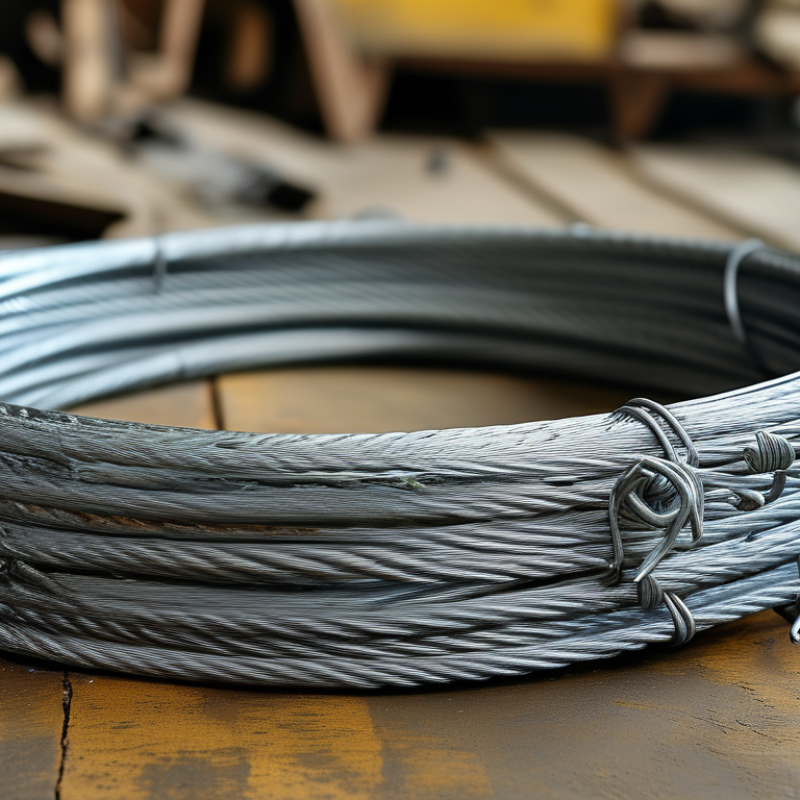
Low carbon steel wire is widely recognized for its versatility and strength. It plays a crucial role in various applications, from automotive to construction. According to industry reports, low carbon steel holds a tensile strength of up to 600 MPa. This makes it ideal for products that require durability without sacrificing flexibility. Wire used in applications such as reinforcing concrete or manufacturing springs benefits from the unique properties of low carbon steel.
When selecting low carbon steel wire, consider factors like diameter and tensile strength. A typical diameter range is between 0.2 mm to 8 mm. Smaller diameters are often great for fine wire applications, while larger diameters are needed for structural components. Different grades of low carbon steel wire also exhibit unique characteristics, affecting corrosion resistance and weldability.
Looking to maximize the potential of your low carbon steel wire? Focus on your specific needs. Evaluate tensile requirements based on your project's demands. It’s essential to conduct tests to ensure compatibility. Regular inspections are vital as environmental factors may influence performance. As a best practice, documenting usage conditions and results can help refine future selections.
When selecting low carbon steel wire, focusing on key properties is essential. One important factor is tensile strength, which impacts the wire's resistance to pulling forces. Look for a balance: high strength without compromising ductility. Ductility allows the wire to be drawn or stretched without breaking.
Another consideration is the diameter of the wire. A larger diameter increases load capacity but may be less flexible. If your project demands flexibility, a thinner wire might be a better choice. Be aware of the trade-offs, as choosing the wrong diameter could lead to unexpected failures.
Pay attention to surface finish as well. A smooth finish reduces friction and enhances fatigue resistance. Conversely, rough finishes may lead to quicker wear and tear. For applications in corrosive environments, consider coatings for additional protection. These small details can significantly affect performance and longevity. Reflect on how each property aligns with your specific needs to make a well-informed choice.
Low carbon steel wire comes in various types, each serving different applications. One common type is
music wire, which is known for its high tensile strength. It is often used in springs and
other components that require flexibility. The wire's consistency and reliability make it a preferred
choice among engineers.
Another type is plain carbon steel wire, widely used in construction and fencing. This wire
is heavier and provides good durability. It is essential for creating structural reinforcement in buildings
and other projects. When selecting this option, consider the environment it will be exposed to. Proper
coatings can enhance its lifespan in harsh conditions.
Finally, welded wire is commonly found in agricultural settings. It is easy to install,
making it a favorite among farmers. This wire type is designed for mesh applications, providing both
strength and visibility. However, some users find it challenging to install on uneven ground. Reflecting
on your specific needs will guide you in choosing the right low carbon steel wire.
When selecting low carbon steel wire, evaluating quality standards is crucial. Low carbon steel typically contains less than 0.3% carbon, making it malleable and ductile. The American Society for Testing and Materials (ASTM) provides essential specifications for low carbon steel, such as ASTM A228 and ASTM A313, which define the wire's tensile strength and yield point.
In a recent report by the International Organization for Standardization (ISO), nearly 90% of low carbon steel applications meet specific industry standards for strength and corrosion resistance. Factors such as wire diameter, tensile strength, and surface finish directly influence the wire's performance in various applications. For instance, finer diameters may improve flexibility but could compromise strength.
Quality control is a continuous process. Manufacturers must adhere to rigorous testing methods, including tensile tests and surface inspections. However, discrepancies sometimes arise in the quality of wire produced. Variability in raw materials and processing techniques can lead to deviations affecting product reliability. Buyers should seek certification and product data sheets to verify compliance with required standards.
When sourcing low carbon steel wire, consider specifications like tensile strength and ductility. Low carbon steel typically ranges from 0.05% to 0.3% carbon content. This composition influences its performance metrics. Research reports indicate that tensile strength varies significantly based on the production process used. Some methods yield wires that can withstand up to 600 MPa of tensile strength. A thorough understanding of these properties can aid in selecting the right wire for specific applications.
Pay attention to the sourcing process. Establish relationships with suppliers who provide detailed specifications and certifications. A study by the World Steel Association highlights the importance of transparency in sourcing materials. Make sure the supplier adheres to industry standards for quality control. Choosing wires that meet standards such as ASTM A228 can enhance reliability.
Be aware of the potential for defects in low carbon steel wire. Issues like surface imperfections or inconsistent diameters may arise during manufacturing. Perform thorough inspections before finalizing any purchase. Quality assurance is vital. Investing in reliable sources can mitigate risks associated with poor-quality materials. Ultimately, due diligence in sourcing will lead to better performance in applications.
: Low carbon steel wire contains less than 0.3% carbon. It is known for its malleability and ductility.
Quality standards ensure the wire meets necessary performance metrics, including strength and corrosion resistance.
Key specifications include tensile strength, ductility, and surface finish. These affect the wire’s overall performance.
Finer diameters can enhance flexibility but might reduce overall strength. Consider your application needs carefully.
Surface imperfections and inconsistent diameters can occur. Thorough inspections are essential before purchase.
Seek suppliers who provide detailed specifications and certifications. Verify their adherence to industry standards.
Testing methods like tensile tests help reveal wire performance. Continuously apply quality control measures.
Building relationships with reliable suppliers promotes transparency and accountability in the materials provided.
Poor-quality wire may lead to performance failures in applications. Due diligence is essential to mitigate these risks.
Production variability can lead to quality discrepancies. Understanding the process helps assess the potential for defects.
Low carbon steel wire is a versatile material commonly used in various applications, ranging from construction to the manufacturing of wire products. Understanding the key properties of low carbon steel wire, such as tensile strength, ductility, and corrosion resistance, is essential for selecting the most suitable option for specific needs. Additionally, recognizing the different types of low carbon steel wire and their respective uses can guide users in making informed choices.
When sourcing and purchasing low carbon steel wire, evaluating quality standards is crucial to ensure reliability and performance. By considering factors such as manufacturing processes and certifications, buyers can identify high-quality wire that meets their requirements. Overall, a thorough understanding of low carbon steel wire and the considerations for selection and procurement will help ensure successful outcomes in various projects.