When sourcing quality Wiring Steel Wire, it is essential to consider several factors. The choice of material can significantly impact durability and performance. High-quality wiring ensures safety and longevity in various applications.
Selecting the right supplier is crucial. You need a provider known for reliability and professionalism. Researching their reputation can save you from pitfalls. Quality assurance practices should be a priority in your evaluation process.
Additionally, don’t overlook the importance of detailed specifications. Understanding the standards of Wiring Steel Wire can help you avoid costly mistakes. Industrial suppliers may not always meet your expectations. Each decision shapes the final outcome, and reflecting on past experiences can guide better choices in the future.
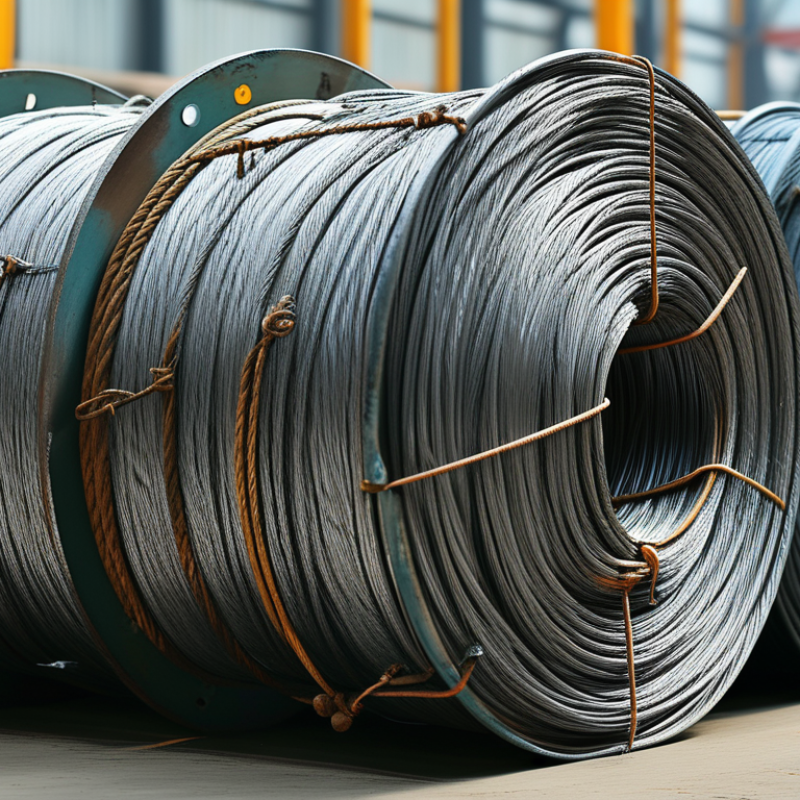
When sourcing quality wiring steel wire, understanding its importance is crucial. The quality of steel wire directly impacts its durability and performance in various applications. High-quality wiring can resist corrosion, withstand tension, and last longer than inferior products. Using subpar wire can lead to failures, serious safety issues, and costly repairs.
Many factors contribute to the quality of wiring steel wire. For instance, the manufacturing process plays a significant role. Poor workmanship and inadequate testing can compromise wire integrity. Even minor defects can lead to major failures in critical applications. It's essential to consider the source of the wire and the materials used in production. Seeking wire with a proven track record can mitigate risks.
Inspecting the wire before purchasing is also vital. Look for certifications or standards that the wire meets. Sometimes, the appearance may mislead you. A shiny surface doesn’t always indicate quality. Engaging with knowledgeable suppliers can help. Ask questions and get recommendations when needed. Quality wiring steel wire is not just a preference; it’s a necessity. Prioritizing it ensures safety and reliability in your projects.
When sourcing quality wiring steel wire, key specifications play a crucial role. It’s important to focus on the wire's tensile strength. This strength impacts the wire’s durability and ability to withstand pressure. A well-balanced tensile strength ensures the wire performs under various conditions.
The diameter of the wire is another essential factor. Typically, a smaller diameter can offer more flexibility but may reduce strength. Conversely, larger diameters provide robustness at the expense of flexibility. Understanding the application is vital in deciding the appropriate diameter. Also, consider the wire coating. Different coatings affect corrosion resistance and conductivity.
Make sure to verify the wire’s electrical properties as well. Checking resistivity ensures efficient current flow in your projects. Poor resistivity can lead to energy loss and overheating. These specifications may seem minor, but they significantly affect wiring performance. It is worth revisiting these details regularly to ensure the best outcomes.
When evaluating suppliers for quality wiring steel wire, research is key. Look for manufacturers with certifications. These documents signify adherence to industry standards. A quick web search can provide insights into their reputation. Review customer feedback to assess reliability.
Assess the materials used by suppliers. High-grade steel often yields better quality products. Ask for specifications and test reports. A transparent supplier will readily provide this information. Communication is crucial during the evaluation. Gauge how responsive they are to your inquiries.
Consider visiting factories if possible. This firsthand experience can reveal working conditions and overall processes. A clean facility often indicates good practices. It's also beneficial to seek multiple quotes. Comparing prices can help identify any outliers. Remember, the lowest price is not always the best choice. Quality should remain your main focus in sourcing.
When sourcing quality wiring steel wire, assessing its durability and strength is crucial. A simple visual inspection can reveal initial imperfections. However, advanced testing methods provide a deeper understanding of the wire's performance. Conducting
tensile tests helps measure strength and elongation. This data indicates how the wire responds under pressure. If the wire breaks too easily or stretches too much, it may not meet your requirements.
Additionally, exposure to corrosive environments can weaken steel wire over time. Performing corrosion resistance tests allows you to evaluate its longevity in specific conditions. Some wires may pass initial strength tests but fail in real-world applications. Ensure that you consider factors like temperature and humidity. These elements can significantly impact wire performance. In the sourcing process, documenting test results can be invaluable. This approach not only builds trust with suppliers but also highlights your commitment to quality. Always be prepared to reassess and iterate based on test findings. These efforts can result in improved selection and ultimately enhance project outcomes.
When purchasing wiring steel wire, understanding storage protocols is crucial. A clean, dry environment is essential to prevent rust and corrosion. Store wire on pallets or in containers that allow airflow. Avoid letting it sit directly on the ground.
Tip: Keep inventory in a well-organized area. This practice helps you easily find the wire you need and protects it from unnecessary damage. Regularly inspect your stock for any signs of wear or corrosion.
Choosing the right size and coating is also important. The thickness of the wire affects its strength and flexibility. Therefore, it is vital to match the wire specifications with your project requirements. Assessing your needs will lead to better performance and durability in your wiring applications.
Tip: Conduct quality checks upon receiving shipments. Ensure the wire meets your specifications. Even small defects can lead to significant issues during use. Regular reviews of storage conditions can reveal potential problems.
This bar chart illustrates the importance of various factors to consider when sourcing quality wiring steel wire. These factors include Quality Control, Supplier Reliability, Material Standards, Pricing Competitiveness, and Delivery Time, each rated on a scale of 1 to 10.
: Quality impacts durability and performance. Inferior wire can lead to failures and safety issues.
Manufacturing process, workmanship, and materials all play a significant role in quality.
Minor defects from poor workmanship can lead to major failures in critical applications.
Inspect for certifications and standards. Visual appearance can be misleading.
Conduct tensile tests to measure strength and elongation under pressure.
These tests evaluate how wire performs in corrosive environments over time.
It builds trust with suppliers and emphasizes commitment to quality.
Temperature and humidity can significantly impact the wire's longevity and strength.
Yes, advanced testing methods provide deeper insights beyond visual inspections.
Always reassess based on test findings and be open to improvement.
When sourcing quality wiring steel wire, it is crucial to understand its significance in ensuring durability and reliability in various applications. Key specifications such as tensile strength, diameter, and coating must be carefully identified to meet specific project requirements. Evaluating different suppliers is essential for quality assurance; thorough research into their certifications and product offerings can help ensure that the wiring steel wire meets industry standards.
Additionally, conducting tests to assess the wire's durability and strength is vital in confirming its performance under operational conditions. Best practices for purchasing include sourcing from reputable suppliers and ensuring proper storage conditions to maintain the wire's integrity over time. By following these tips, one can effectively source high-quality wiring steel wire that will fulfill both safety and functionality requirements.