In today's rapidly evolving industrial landscape, the demand for Solid Steel Wire continues to grow. Experts like John Smith, a leading figure in the wire manufacturing sector, emphasize this point. He states, "Solid Steel Wire is a backbone of various applications, enhancing strength and durability."
From construction to automotive, the applications are vast and diverse. Solid Steel Wire is used in reinforcing structures and supporting heavy machinery. Its versatility is unparalleled. Many industries rely on this material for safety and performance. However, some manufacturers may overlook quality control, posing risks to projects.
Understanding the top uses of Solid Steel Wire is crucial for global buyers. It opens doors to better sourcing and application strategies. By focusing on reliable suppliers, buyers can ensure they meet project demands effectively. The insights gathered in this discussion will pave the way for informed purchasing decisions in the competitive market.
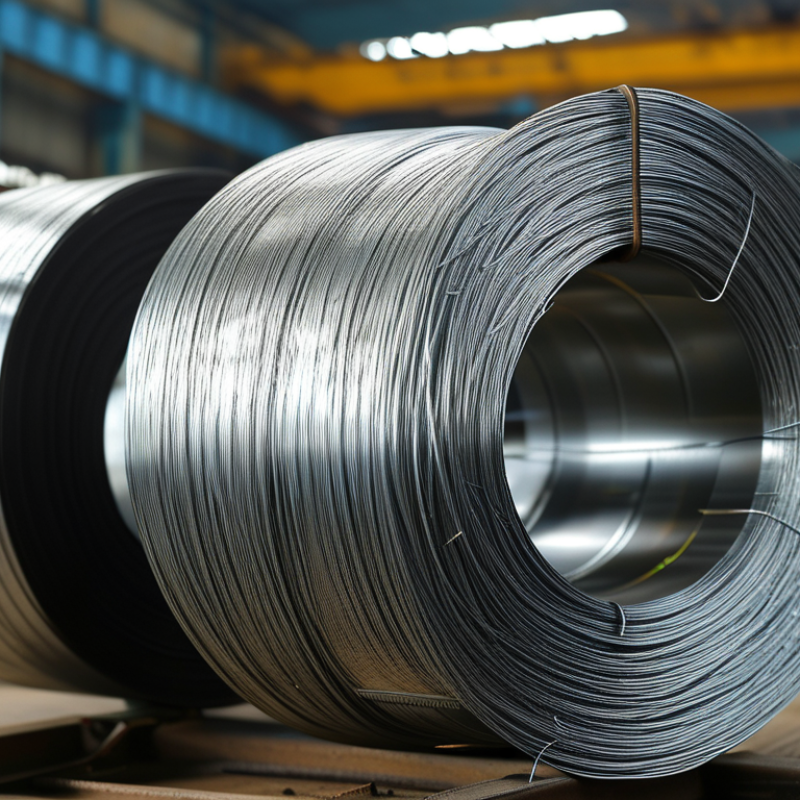
Solid steel wire plays a critical role in numerous industries, reflecting its durability and versatility. In construction, it is essential for reinforcement. According to the American Institute of Steel Construction, steel wire can enhance concrete structures, making them safer and more resilient. This use is vital in earthquake-prone regions where structural integrity is crucial.
Additionally, the automotive and manufacturing sectors also rely heavily on solid steel wire. Reports from the International Wire and Cable Exhibitions indicate that solid steel wire is used in producing various components like springs and cables. This reliance is due to its strength and flexibility, allowing for complex designs in machinery. While these applications highlight its importance, it is crucial to address the potential environmental impact of steel production.
The mining industry utilizes solid steel wire for its strength in harsh outdoor environments. Mines often face extreme conditions, and the wire must withstand intense stress. A study from the Minerals Council highlights these demands, noting that inefficient use can lead to unnecessary waste. As industries adopt more sustainable practices, re-evaluating the use of solid steel wire becomes essential. This reflection will influence future innovations and streamline operations.
Solid steel wire plays a crucial role in construction and infrastructure. Its strength and flexibility make it ideal for various applications. For example, in reinforced concrete, steel wire enhances structural integrity. The global steel wire market was valued at over $25 billion in 2020, indicating its widespread use.
In the electrical industry, solid steel wire is vital for making durable connections. High-quality steel wires serve as grounding conductors, ensuring safety. According to industry reports, the demand for steel wire in electrical applications is projected to grow by 5% annually. The use of solid steel wires in fencing and safety barriers is also critical. These wires provide security features in residential and commercial properties.
However, challenges exist. The manufacturing process of solid steel wire can be energy-intensive. Sustainable practices are necessary to reduce carbon footprints. Additionally, fluctuations in raw material prices impact availability. Balancing quality and cost is an ongoing concern for buyers. Overall, the applications of solid steel wire are diverse and essential but require careful consideration of sustainability and cost-effectiveness.
Solid steel wire has gained significant traction in modern manufacturing. Its strength and versatility enable a wide range of applications. It can be utilized in the production of springs, offering robust support in various machinery. The wire's ductility allows for easy shaping and forming, making it an ideal choice for intricate designs.
In machinery, solid steel wire plays a vital role. It aids in the construction of frames, ensuring stability and durability. Additionally, wire feats such as cable ties and tensioning devices are common. These uses highlight the wire's importance in assembling parts that withstand heavy loads and stresses. However, the global market must always consider environmental impacts when sourcing and utilizing materials.
As innovation continues, new uses emerge. Solid steel wire now finds applications in decorative elements as well. Artists and manufacturers create unique sculptures and structures using this material. While solid steel wire provides incredible attributes, the industry faces challenges related to sustainability. Reflecting on these trends is essential for future development.
Solid steel wire plays a pivotal role in the automotive and aerospace industries. Its strength and flexibility make it ideal for various applications. In vehicles, solid steel wire is often used in components such as suspension systems and safety harnesses. These wires ensure durability, absorbing shocks and enhancing stability on the road.
In aerospace, the use of solid steel wire is equally critical. It contributes to the structural integrity of aircraft. Wires are used in various parts, from cable systems to support brackets. These components require precise engineering to withstand extreme conditions like high altitude and varying temperatures. The reliability of solid steel wire is vital for safety.
However, challenges remain. Quality control is essential to avoid failures. Misguided choices in materials can lead to serious issues. Continuous innovation and testing are needed to improve performance and reliability. As industries evolve, addressing these concerns is vital for sustaining progress. Solid steel wire needs to adapt, reflecting advancements in technology and safety standards.
Solid steel wire has gained significant traction across various industries. Its applications range from construction to automotive and manufacturing sectors. Emerging trends indicate a shift towards specialty wires, driven by evolving demands for durability and sustainability. The global solid steel wire market size is projected to grow from USD 30 billion in 2021 to around USD 50 billion by 2030, reflecting a compound annual growth rate of over 6%. This growth highlights the increasing demand for robust materials in construction.
Moreover, advancements in production techniques are introducing innovative solid steel wire products. These include wires with enhanced tensile strength and corrosion resistance. A recent report noted that the introduction of galvanized and other coated wires could improve performance in harsh environments. Emerging markets in Asia, particularly India and China, are also accelerating the adoption of solid steel wire in infrastructure projects, fueled by rapid urbanization and industrial growth.
However, challenges remain. The industry faces pressure to reduce carbon emissions during production. Steel wire manufacturers must balance performance and sustainability. Implementing eco-friendly practices may be essential for future growth. Ongoing research in recycling and repurposing steel will likely play a pivotal role in shaping the industry’s future landscape.
| Use Case | Industry | Emerging Trend | Future Application |
|---|---|---|---|
| Construction Reinforcement | Construction | Increased demand for high-strength materials | Sustainable building materials |
| Automotive Components | Automotive | Lightweight design requirements | Electric vehicle manufacturing |
| Wire Fencing | Agriculture | Organic farming practices | Smart fencing systems |
| Electronics | Electronics | Miniaturization of components | Wearable technology integration |
| Spring Manufacturing | Manufacturing | Customized solutions | Advanced machinery operations |
| Medical Devices | Healthcare | Biocompatible materials | Innovative surgical tools |
| HVAC Systems | Construction | Energy efficiency improvements | Smart home technology |
| Cable and Wire Harnesses | Telecommunications | High-speed data transfer requirements | 5G technology rollout |
| Furniture Production | Furniture | Sustainable materials | Modular furniture systems |
: It is essential for reinforcing concrete structures, enhancing safety and resilience.
It helps maintain structural integrity, which is crucial for building safety during earthquakes.
It is used to produce components like springs and cables, leveraging its strength and flexibility.
Mines deal with intense stress, and inefficient wire use can lead to significant waste.
It's now used in creating decorative elements and intricate designs, such as sculptures.
To address environmental impacts and adopt sustainable practices in production processes.
Yes, its ductility allows for easy shaping and forming for various applications.
It contributes to the construction of frames and supports, ensuring stability under heavy loads.
By exploring new applications, industries can create more efficient and sustainable products.
The industry must tackle sustainability challenges for long-term viability and environmental protection.
Solid Steel Wire plays a crucial role in various industries due to its strength, versatility, and durability. This article provides an overview of its importance, highlighting common applications in construction and infrastructure, where it is used for reinforcement and structural support. Additionally, it explores innovative uses in manufacturing and machinery, showcasing how Solid Steel Wire enhances equipment efficiency and longevity.
In the automotive and aerospace sectors, Solid Steel Wire is essential for components that require high reliability and performance. As technology advances, emerging trends point towards new and innovative applications of Solid Steel Wire worldwide, promising exciting developments in both existing and future industries. Overall, the significance of Solid Steel Wire in modern manufacturing and engineering cannot be overstated, as it continues to evolve and meet the demands of a changing global market.