As the demand for Spring Steel Wire continues to rise globally, understanding the key suppliers in China becomes crucial. Spring Steel Wire is widely used in various applications, especially in automotive and construction sectors. The selection of a reliable supplier can significantly impact product quality and operational costs.
Chinese suppliers dominate the Spring Steel Wire market due to their advanced manufacturing capabilities. They utilize modern techniques to produce high-quality wire that meets international standards. However, not all suppliers offer the same level of expertise or consistency. Quality discrepancies may occur, making careful evaluation essential.
Buyers must consider factors such as material specifications and manufacturing processes. Evaluating suppliers based on experience and feedback can help establish trust. While many suppliers claim to offer the best products, only a few truly meet the rigorous standards. Navigating this market requires diligence and a discerning approach to ensure optimal choices.
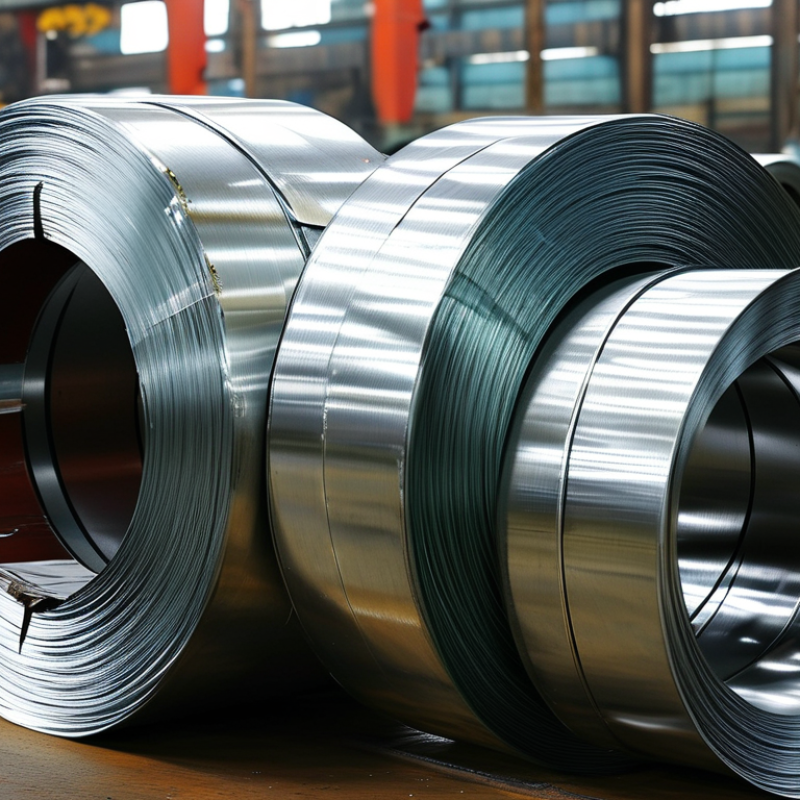
The spring steel wire market in China is diverse and rapidly evolving. As global demand grows, suppliers must adapt to changing specifications. Quality remains a top priority, influencing buyer decisions. Innovations in steel processing enhance durability and flexibility. Many companies focus on creating customized solutions for their clients, often leading to improved performance.
In this landscape, suppliers navigate challenges like fluctuating raw material prices. It can impact production schedules and profit margins. Companies are urged to adopt efficient sourcing strategies. Reliability in supply chains becomes crucial. Many buyers look for suppliers who demonstrate strong credentials and industry experience. Transparent communication fosters trust. While there are numerous suppliers, not all meet the high standards expected in this competitive market.
Evaluating potential suppliers requires careful consideration. Buyers often compare service quality and technical support. Understanding specific needs is essential for success. This dynamic sector will continue to transform, shaped by both domestic and international trends. Supplier relationships will play a key role in achieving long-term goals. Yet, the market's complexities remind us that ongoing adaptation is vital.
The global spring steel wire market is dynamic and complex. In recent years, demand has risen significantly, driven by various industries, including automotive and construction. According to industry reports, the spring steel wire market is projected to grow at a CAGR of approximately 5.3% from 2022 to 2028. This trend indicates a robust demand for quality materials, as manufacturers seek reliable suppliers.
China plays a pivotal role in the supply of spring steel wire. It accounts for over 40% of the total global production. With advancements in technology and increased production capacity, Chinese suppliers are becoming increasingly competitive. However, concerns about quality and consistency persist. Some suppliers struggle to meet international standards, which can affect their reliability.
As global buyers navigate this landscape, understanding the supply dynamics is critical. Localized variations in regulations and material standards can complicate sourcing. Furthermore, recent disruptions in logistics have highlighted vulnerabilities in the supply chain. These factors underline the importance of thorough market research and supplier verification for buyers aiming to secure dependable partners in China.
When selecting spring steel wire suppliers, several key factors come into play. The quality of the raw materials is paramount. Reports indicate that up to 70% of buyer satisfaction is linked to the quality and durability of the wire. If the raw materials are subpar, the end product can fail. Buyers often assess suppliers based on their ability to maintain consistent quality throughout their production processes.
Additionally, pricing plays a significant role. Industry studies show that while cost isn't the sole consideration, many buyers fluctuate between quality and price. Competitive pricing can attract clients, but excessive focus on cost may compromise long-term relationships. A supplier offering transparent pricing structures and good communication tends to foster trust. Reviews and testimonials can provide insights into reliability and service.
Furthermore, logistical capabilities are crucial. Navigation through import regulations can be complex. Suppliers with efficient shipping services and clear timelines often win business. Delays in delivery can lead to production halts. Therefore, buyers need to evaluate how suppliers manage their supply chains. Understanding these elements can lead to a more informed selection process.
| Supplier Rank | Annual Production Capacity (Tons) | Export Markets | Years of Experience | Certifications |
|---|---|---|---|---|
| 1 | 120,000 | North America, Europe, Asia | 15 Years | ISO 9001, CE |
| 2 | 100,000 | Australia, Middle East | 10 Years | ISO 14001 |
| 3 | 110,000 | Asia, South America | 12 Years | TS 16949 |
| 4 | 95,000 | North America, Europe | 8 Years | ISO 9001 |
| 5 | 80,000 | Middle East, Africa | 9 Years | ISO 14001, CE |
| 6 | 75,000 | Asia, Europe | 7 Years | ISO 9001, TS 16949 |
| 7 | 70,000 | North America, Asia | 6 Years | ISO 9001 |
| 8 | 65,000 | Europe, Australia | 5 Years | TL 9000 |
| 9 | 60,000 | Africa, South America | 4 Years | ISO 14001 |
| 10 | 55,000 | Middle East, Asia | 3 Years | CE |
When sourcing spring steel wire in China, global buyers must consider the quality standards and certifications of suppliers. Industry reports indicate that approximately 75% of leading suppliers in China are ISO 9001 certified. This certification ensures a systematic approach to quality management. Buyers can rely on these suppliers to maintain consistent quality and reliability in their products.
Moreover, many top suppliers adhere to ASTM and JIS standards. Compliance with these standards helps ensure that the wire meets specific performance criteria, such as tensile strength and elasticity. A notable report from the China Steel Association highlights that over 60% of top manufacturers continuously invest in modern testing facilities. This reflects their commitment to maintaining high-quality products.
It’s essential to understand that not all suppliers focus on certifications. Some prioritize cost over compliance. Consequently, buyers must conduct thorough assessments. Evaluating suppliers based on quality metrics is vital to ensure they meet expected standards. This approach can help mitigate risks associated with substandard materials.
The spring steel wire market in China is highly competitive. Leading manufacturers adopt various pricing strategies to gain an edge. According to recent industry reports, around 40% of suppliers use cost-plus pricing models. This strategy ensures consistent profit margins while responding to global market fluctuations.
Moreover, value-based pricing has gained traction among innovative manufacturers. They assess customer needs to determine worth. This method can increase prices when the wire demonstrates superior quality. Data indicates that 30% of buyers in the U.S. are willing to pay more for high-performance steel. This preference emphasizes the importance of product differentiation.
However, challenges persist. Not all manufacturers can maintain quality while competing on price. Some providers risk compromising material standards to attract budget-conscious clients. Ultimately, a balance is pivotal. Sturdy pricing strategies rooted in reliability and performance will drive long-term success in the spring steel wire sector. Implementing these strategies significantly impacts supplier reputation and market share.
: The quality of raw materials is paramount. It greatly affects buyer satisfaction.
Competitive pricing attracts clients. However, focusing too much on cost can harm long-term relationships.
Efficient shipping and clear timelines prevent production delays. Buyers should evaluate supply chain management.
ISO 9001 certification is crucial for quality management. Compliance with ASTM and JIS standards is also important.
Many use cost-plus models for profit consistency. Others apply value-based pricing based on customer needs.
Maintaining quality while competing on price is difficult. Some may compromise material standards to attract budget clients.
Reliability builds trust. Reviews and testimonials can give insight into a supplier's service quality.
Not all prioritize certifications; some focus strictly on cost. Buyers must evaluate quality metrics carefully.
About 30% of U.S. buyers prefer higher-priced, high-performance steel products. This reflects a demand for quality.
Conducting thorough assessments of suppliers is vital. This helps to ensure expected quality standards are met.
This article provides a comprehensive overview of the spring steel wire market, highlighting the top 10 suppliers in China for global buyers. It delves into the demand and supply dynamics shaping the industry, emphasizing the growing global appetite for high-quality spring steel wire. Key factors influencing supplier selection are discussed, including quality standards and certifications that establish a supplier's credibility.
Furthermore, the article analyzes competitive pricing strategies among leading manufacturers, offering insights into how price variations can affect purchasing decisions. By understanding these critical elements, global buyers can make informed choices when sourcing spring steel wire, ensuring that they collaborate with suppliers who meet their quality and pricing expectations.