Why Choose Wholesale Steel Wire Rod for Your Business?

Time:2026-11-02 Author:Charlotte
0%

Wholesale Steel Wire Rod can help manufacturers secure a dependable supply of a key input while managing purchasing costs. It is used in products such as fasteners, mesh, nails, and formed wire components. Buying in larger quantities may reduce the per-unit price and simplify repeat orders, but the real value depends on matching the material to your production needs.

Specifications deserve close attention. Confirm the steel grade, rod diameter, dimensional tolerances, surface condition, and coil weight before placing an order. These details affect how the rod feeds through drawing or forming equipment. A mismatch can cause delays, extra setup work, or material that does not suit the finished product. Request available test certificates and compare the stated mechanical properties with your own requirements. Check packaging, too; secure coils are easier to identify, store, and handle. Small details matter.

Bulk purchasing is not automatically the best choice. Large inventories tie up cash and need suitable storage, while changing production plans can leave unused stock. Review your expected consumption, delivery schedule, and supplier capacity before committing. Ask how the supplier handles specification changes and damaged or inconsistent shipments. A clear answer is useful evidence of a reliable process, though it cannot replace your own checks. I would not assume the lowest quote is the strongest offer. Compare total landed cost, consistency, and communication. The right decision is the one that keeps production steady without buying more than your business can use.
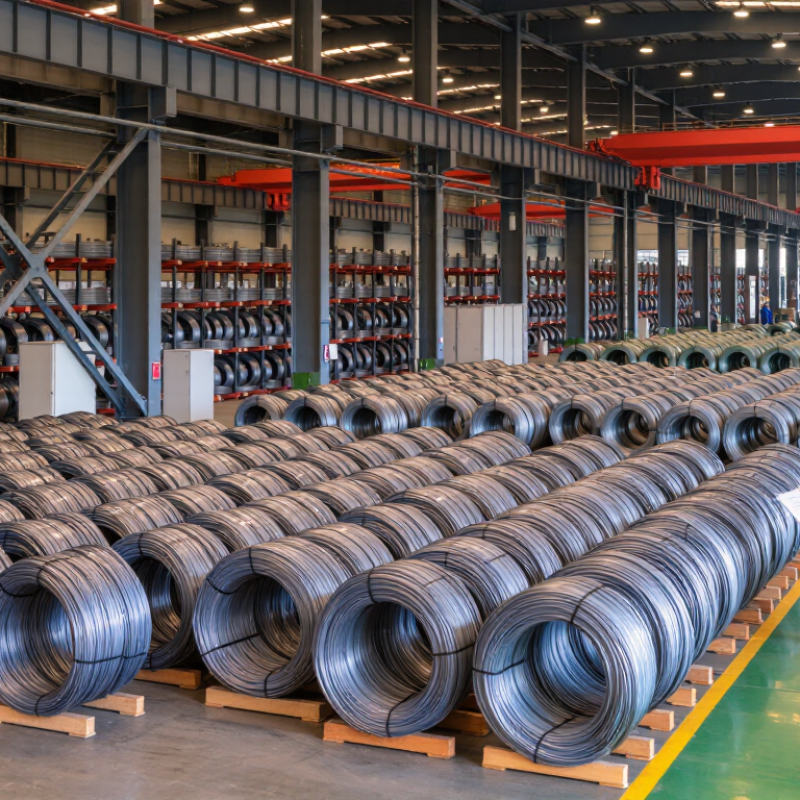
Why Choose Wholesale Steel Wire Rod for Your Business?

What Steel Wire Rod Is and How It Is Made

Steel wire rod is a hot-rolled, coiled steel product, usually supplied as feedstock for drawing into thinner wire. Manufacturers use it to make items such as fasteners, wire mesh, springs, and industrial cables. Its chemistry and diameter vary by grade and intended use, so “wire rod” does not describe one universal specification. Small details matter.

Production starts with liquid steel, made from iron-bearing materials, recycled steel, or both. Mills adjust its composition, cast it into billets, then reheat and roll the billets through progressively smaller stands. The hot rod is cooled under controlled conditions and gathered into coils. The process sounds orderly; actual mill conditions can vary. Buyers should review grade, surface condition, dimensional tolerances, and test documentation before ordering. The World Steel Association’s World Steel in Figures 2024 reports 1,892.2 million tonnes of crude steel production worldwide in 2023. This is total crude steel, not wire rod output, but it shows the scale of the industry supplying steelmaking and rolling operations.

How Wholesale Purchasing Affects Cost and Supply

Buying steel wire rod wholesale can reduce the price per ton, especially when your business uses a steady volume. But the quoted price is only one part of the calculation. Freight, unloading, storage, and payment terms can change the real cost. A lower unit price may not help if the shipment sits unused for months.

Plan orders around production schedules and actual consumption. For example, a fabricator using several coils each week may benefit from scheduled deliveries rather than one oversized shipment. Confirm diameter, grade, coil weight, and packaging before placing an order. Small specification differences can affect drawing performance and create extra setup work. Ask for test documentation and check that the supplied material matches your purchase requirements.

Supply planning matters, too. Wholesale quantities may improve access to consistent batches, but minimum order sizes can strain cash flow. Storage needs attention. Keep coils dry, off the floor, and protected from damage; surface rust or distorted coils can cause handling problems. Not every buyer needs bulk. A forecast based on past usage is useful, though it can be wrong when demand shifts. Leave room to adjust delivery timing, and compare the full landed cost rather than the ton price alone.

How Grades and Specifications Match Business Needs

Wholesale steel wire rod is not one uniform product. Grade selection should start with the work the wire must perform after drawing, bending, or welding. Low-carbon grades often suit nails, mesh, and general forming because they offer useful ductility. Higher-carbon grades can support stronger drawn wire, but may require tighter process control. Check the stated chemistry, tensile range, and applicable product standard instead of relying on grade names alone. A familiar label can still hide meaningful differences. Small details matter.

Diameter and tolerance affect drawing yield, machine setup, and the amount of scrap at the line. Surface condition matters too; scale or inconsistent finishes can complicate processing. For repeat orders, confirm coil weight, packaging, and documentation match your equipment and inspection process. Ask for a mill test certificate, then compare its values with your purchase specification. A trial coil may reveal issues a datasheet cannot. Not every buyer needs the narrowest tolerance, and paying for one without a process reason may add cost. One judgment call remains: specifications guide selection, but actual production feedback should shape the next order.

Where Steel Wire Rod Supports Industrial Production

Why Choose Wholesale Steel Wire Rod for Your Business?

Where Steel Wire Rod Supports Industrial Production

Steel wire rod is a starting material for products that keep factories moving. It is drawn into wire for fasteners, springs, welding electrodes, mesh, and cables. On a production floor, consistent diameter and surface quality can mean fewer line adjustments and less scrap. Small details matter. Buyers should check grade, coil weight, dimensional tolerances, and mill test certificates against each application. Wholesale purchasing can help maintain stock across repeat orders, but a lower unit price alone is not enough. Storage conditions and supplier consistency matter too.

The scale of steelmaking underpins these supply chains. The World Steel Association’s World Steel in Figures 2024 reports global crude steel production of 1,892.2 million tonnes in 2023. That figure is not wire-rod output, but it shows the industrial scale behind steel-based manufacturing. For businesses, matching rod specifications to downstream processes helps avoid costly rework. A spring producer may prioritize tensile properties; a mesh fabricator may focus on drawability and predictable coil handling. Requirements vary. Even a well-documented batch can behave differently if processing conditions change, so incoming inspections remain worth the effort.

What to Evaluate When Choosing a Wholesale Supplier

A wholesale steel wire rod supplier should be judged by more than the quoted price. Check whether the supplier can provide current test certificates showing chemical composition and mechanical properties. Ask how rod diameter, coil weight, and dimensional tolerances are controlled. These details affect drawing performance and production consistency. Small variations matter.

Look for clear lot identification and traceability. A certificate should match the material delivered, not merely describe a general product range. Request sample documentation before placing a large order. Also confirm packaging, loading methods, and expected lead times. A coil with damaged binding or exposed surfaces can create handling problems at your facility.

Communication counts. Ask how the supplier handles a delayed shipment, a specification question, or a quality concern. Specific answers are more useful than broad promises. Compare payment terms, freight responsibilities, and order minimums alongside the material price. Keep records of agreed specifications. A polished spreadsheet helps, but it cannot show how responsive a supplier will be under pressure. I have found that one overlooked detail, such as inconsistent coil labeling, can slow receiving more than expected. No supplier is perfect; verify the points that matter most to your process.

FAQS

What is steel wire rod?

It is hot-rolled steel supplied in coils. Manufacturers often draw it into thinner wire. Small details matter.

How is steel wire rod made?

Liquid steel is cast into billets. Mills reheat and roll them through smaller stands, then cool and coil the rod. Conditions can vary.

What products are made from steel wire rod?

It can be drawn into wire for fasteners, springs, mesh, welding electrodes, and industrial cables. Each use may need different properties.

What should buyers check before ordering?

Confirm the grade, diameter, coil weight, surface condition, and dimensional tolerances. Review test documents, too. Do not assume similar-looking coils are interchangeable.

Can wholesale purchasing reduce costs?

It may lower the price per ton for steady users. Freight, unloading, storage, and payment terms affect the real cost. The cheapest quote may not be cheapest overall.

How can buyers plan order quantities?

Base orders on production schedules and actual usage. A fabricator using several coils each week might prefer scheduled deliveries. Forecasts can still be wrong.

How should steel wire rod coils be stored?

Keep coils dry, off the floor, and protected from damage. Rust or distorted coils can create handling problems. Check storage space before ordering in bulk.

Why do specifications matter for different applications?

Spring producers may prioritize tensile properties, while mesh fabricators may focus on drawability and predictable handling. Processing conditions can change results, so inspect incoming batches.

What does global crude steel production data tell buyers?

Global crude steel production reached 1,892.2 million tonnes in 2023. This is not wire rod output. It only shows the scale of steelmaking.

Conclusion

Wholesale Steel Wire Rod is a practical purchasing option for businesses that need a dependable supply of steel for ongoing production. Made by heating and rolling steel into long, coiled sections, wire rod is available in different grades, diameters, and surface conditions. Buying in wholesale quantities can help businesses plan inventory, reduce per-unit costs, and maintain a steadier supply, provided orders are matched to actual production needs.

Choosing the right product means checking specifications against the intended application, since wire rod supports processes such as drawing, forming, welding, and manufacturing components for construction and industry. Businesses should also assess suppliers for consistent product quality, clear documentation, reliable delivery schedules, flexible order quantities, and responsive service. Careful evaluation helps buyers balance cost, material performance, and supply continuity.


Charlotte

Charlotte

Charlotte is a seasoned marketing professional with a deep understanding of the company's portfolio and a passion for elevating its presence in the market. With a keen eye for detail and a commitment to excellence, she ensures that our professional blog is regularly updated with insightful articles......