 Hanshen

1 / 5
| Parameter | Value / Description |
|---|---|
| Diameter | Typically 0.1mm to 12mm, varying by application |
| Tensile Strength | Usually between 500MPa to 3000MPa. |
| Elongation | Indicates the material's ability to stretch before breaking, typically 5% to 25%. |
| Hardness | Measured by Rockwell or Vickers hardness tests, usually between HRC 30 to 60. |
Used for general purposes like construction and binding.
Corrosion-resistant, suitable for high-demand environments like medical devices and food processing.
Contains other alloying elements to enhance strength and wear resistance, used in high-strength applications.
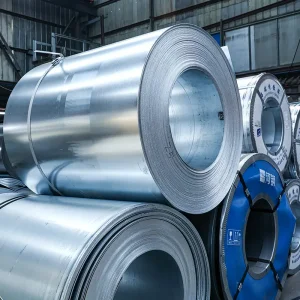
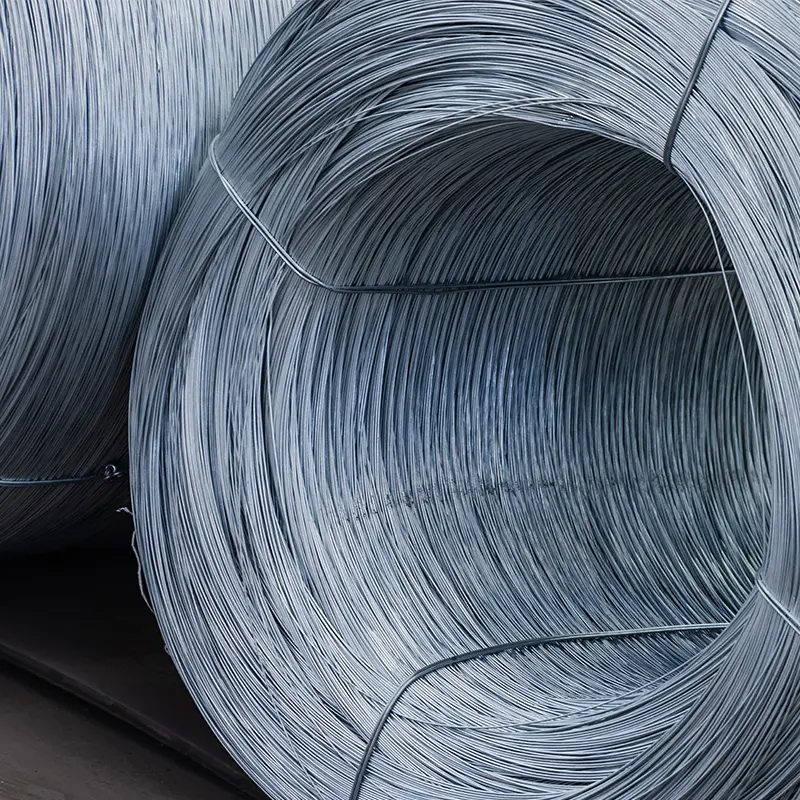
Zinc-coated for rust prevention, used in outdoor and humid environments.
High elasticity, used for making springs and elastic components.
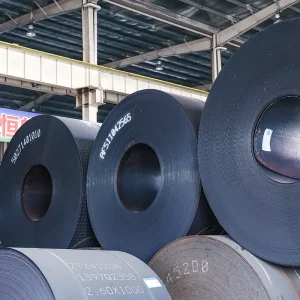
Mainly iron and carbon.
Contains chromium, nickel, etc., for enhanced corrosion resistance.
Contains manganese, silicon, vanadium, etc., for improved properties.
Zinc coating for rust prevention.
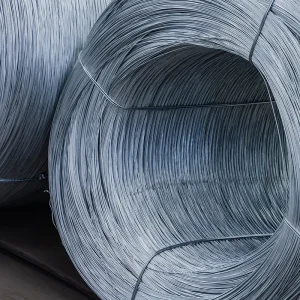
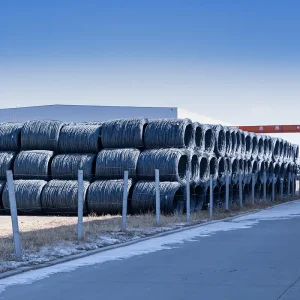
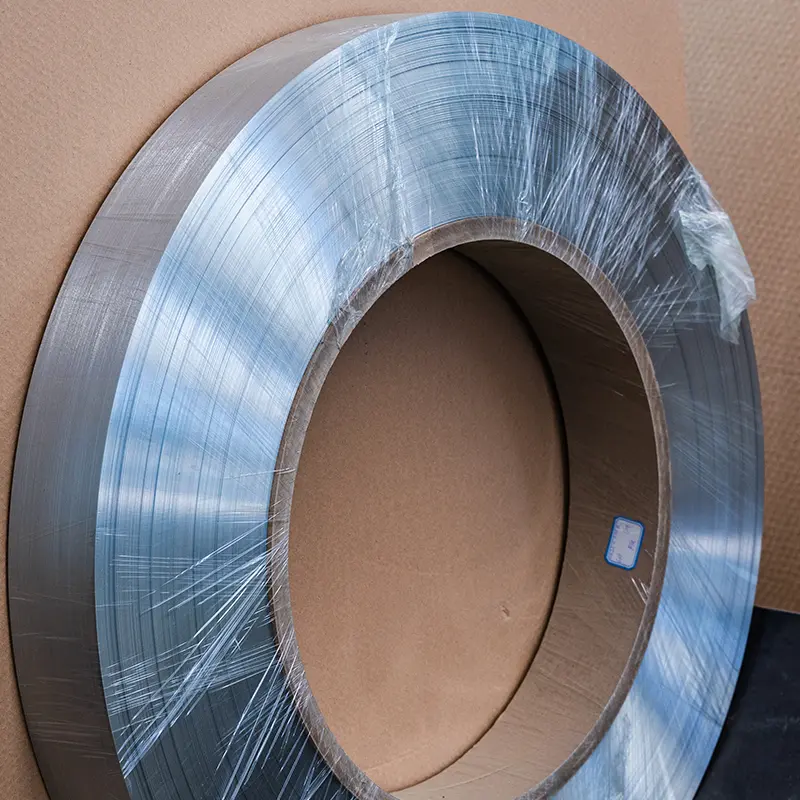
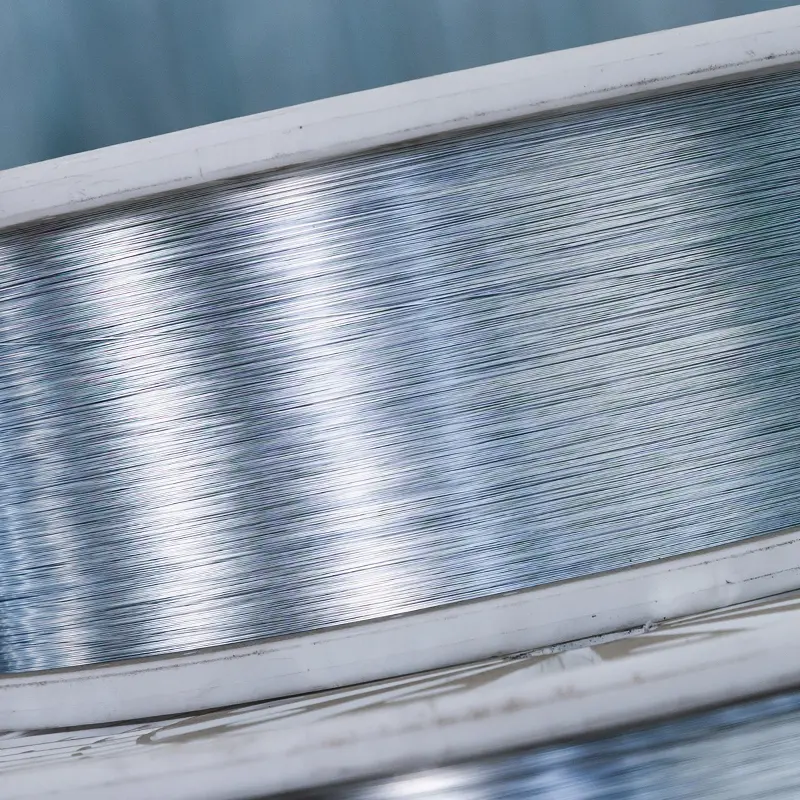
Advanced high-speed rolling and controlled cooling technologies ensure dimensional precision (±0.1 mm) and microstructural homogeneity, supporting downstream processes like drawing and heat treatment. Material selection must comply with industry standards (ASTM, GB/T, JIS), prioritizing carbon content, elongation, and surface defect control.
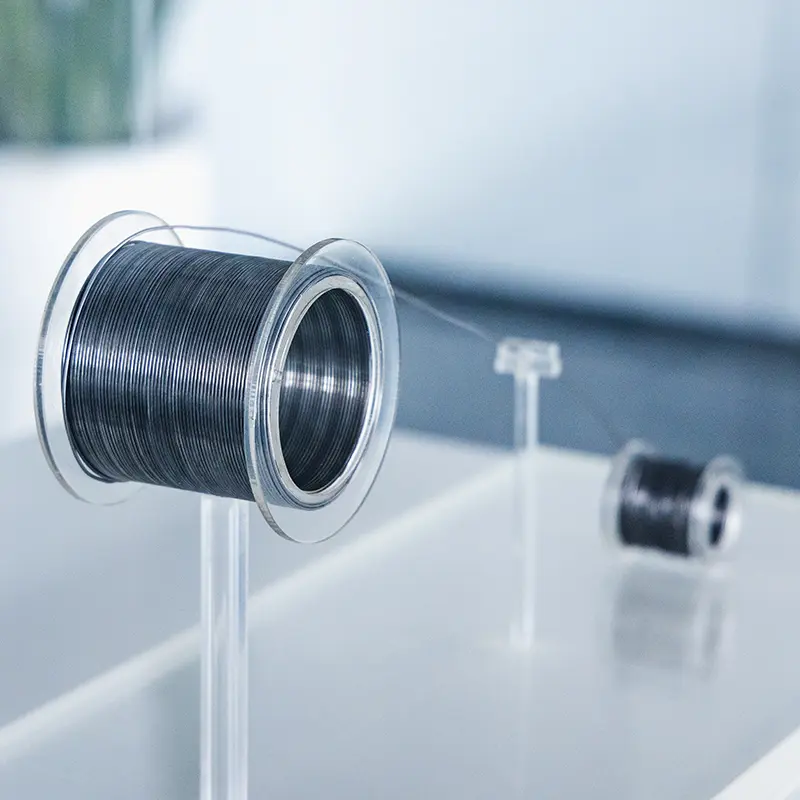
Typically, the wire diameter ranges from 0.1mm to 12mm, varying depending on the specific application and requirements.
The tensile strength usually ranges between 500MPa and 3000MPa, depending on the material grade and processing methods used.
We process various materials including Carbon Steel (mainly iron and carbon), Stainless Steel (containing chromium and nickel for corrosion resistance), Alloy Steel (with manganese, silicon, vanadium, etc.), and protective Galvanized Coatings.
All material selections strictly comply with recognized global industry standards, including ASTM, GB/T, and JIS, prioritizing parameters like controlled carbon content, elongation performance, and surface defect control.
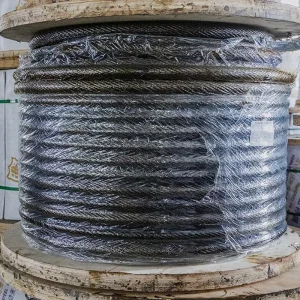
These wires are widely used across diverse sectors including Construction (reinforcing concrete), Manufacturing (springs, wire ropes, cables), Medical (surgical and dental equipment), Agriculture (fencing), and Automotive manufacturing (brake cables and springs).
Through the integration of advanced high-speed rolling and controlled cooling technologies, we ensure a strict dimensional precision of ±0.1 mm alongside highly uniform microstructural homogeneity.