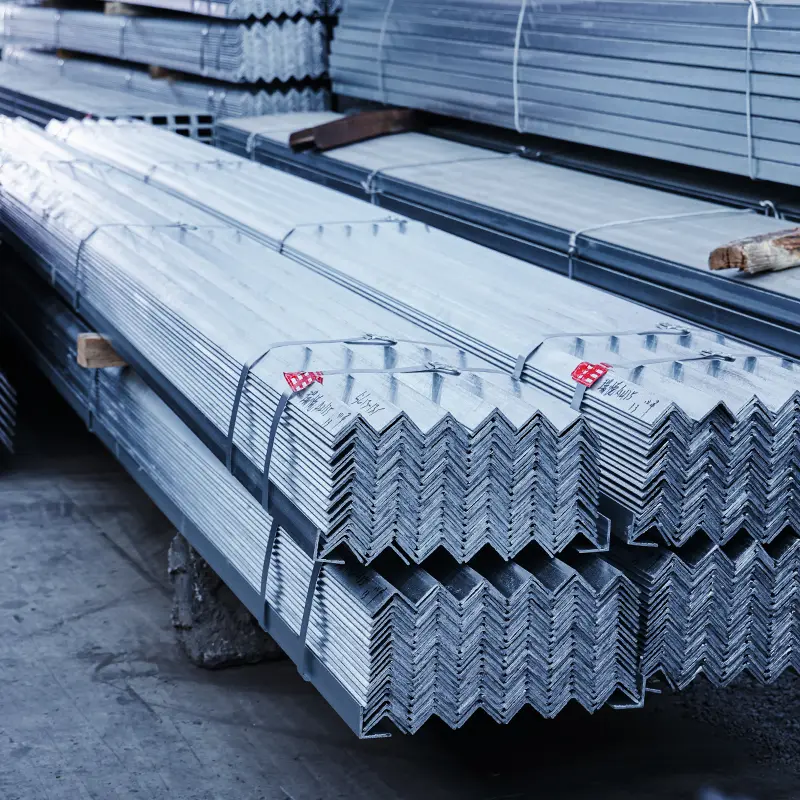
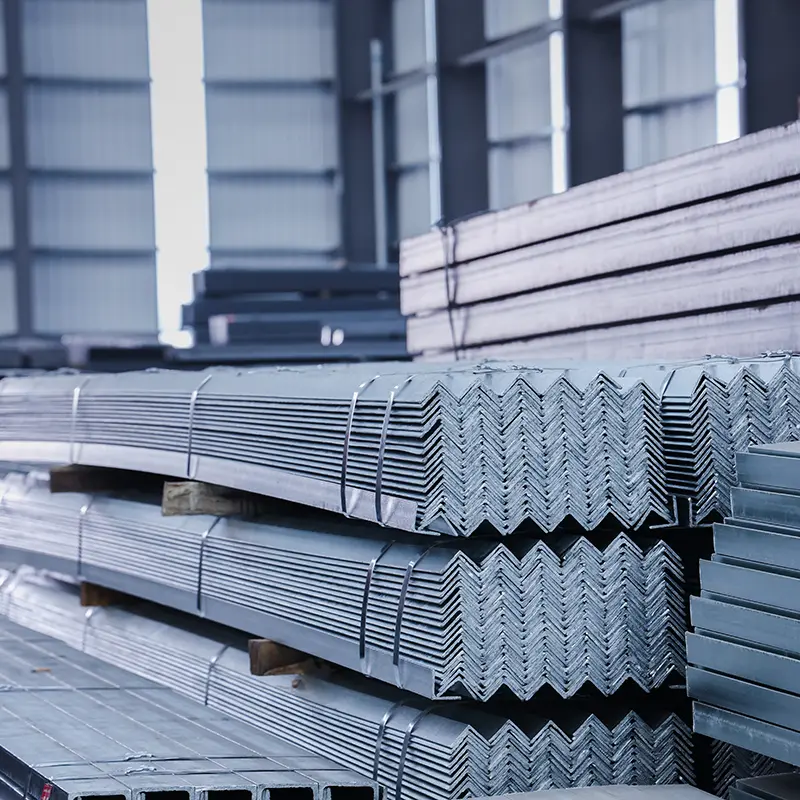
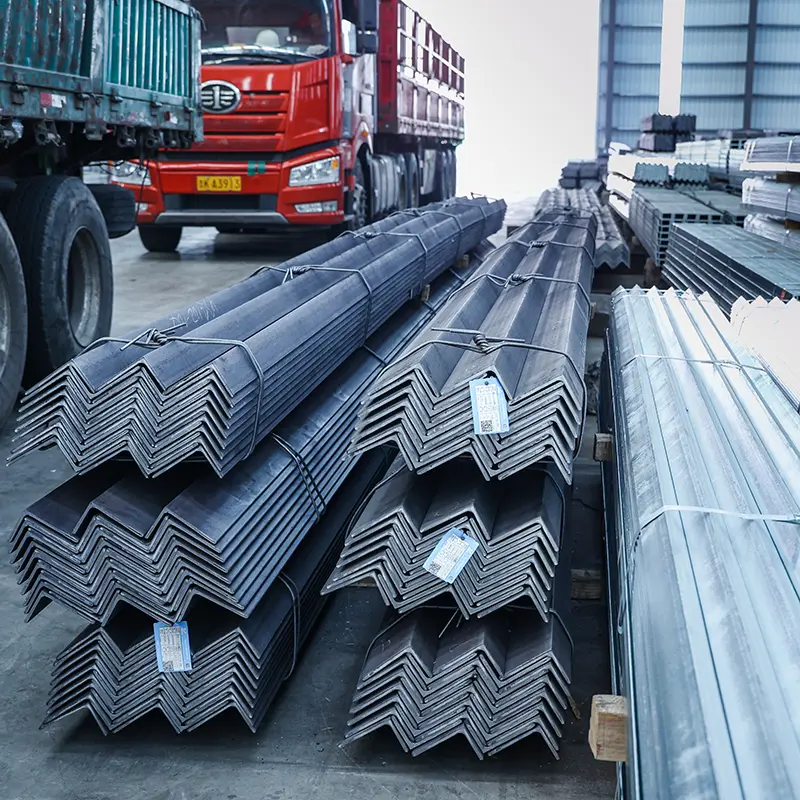
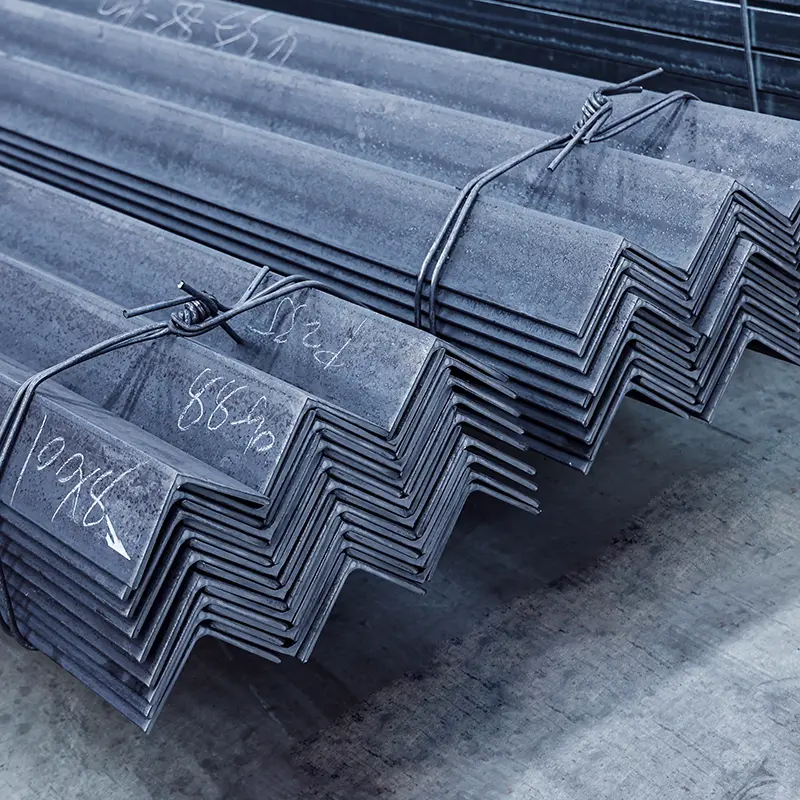
Wholesale Equilateral angle steel and unequal angle steel / Construction Framing Suppliers, Supplier

Characteristics  

● High Strength: Angle steel has high tensile and yield strength.  

● Ease of Processing: Angle steel can be cut, welded, bent, and processed.  

● Good Stability: The cross-section shape provides excellent bending and torsional resistance.  

● Versatility: Suitable for construction, machinery, transportation, and more. 

Product Description

Product Parameters

Side LengthTypically 20mm to 200mm.
ThicknessTypically 3mm to 20mm.
Tensile StrengthUsually between 300MPa and 600MPa.
Yield StrengthUsually between 200MPa and 400MPa.

Product Types

By Shape

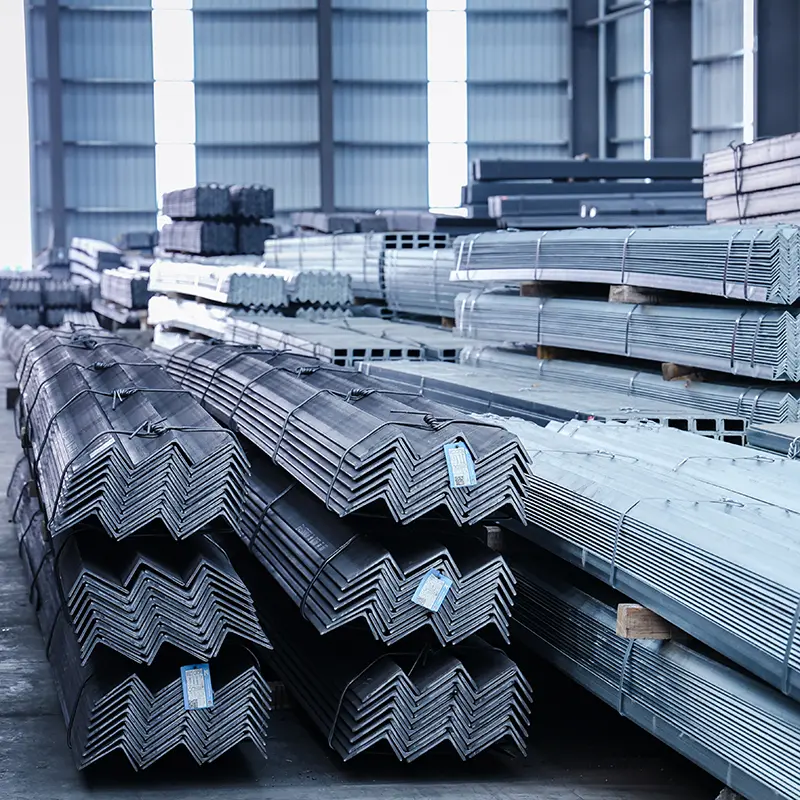
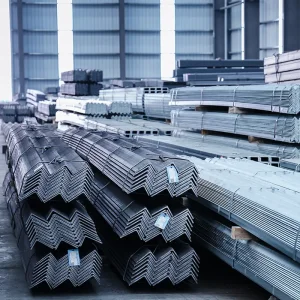
Equal angle steel: Both sides are of equal length, widely used in construction and machinery manufacturing.

Unequal angle steel: Both sides are of unequal length, suitable for special structural designs.

By Size

Miniature: Side length <50mm, ideal for precision instrument frames.

Standard: 50-100mm, used in industrial plant mainframes.

Heavy-Duty: >100mm, custom-designed for megaprojects.

By Use

Construction: Earthquake-certified for skyscraper steel frameworks.

Machinery: Surface-hardened for heavy equipment load-bearing.

Transportation: Dynamic load-tested for vehicle frame safety.

Product Advantages

Mechanical Performance: Unique L-shaped cross-section delivers 40% higher load-bearing efficiency than conventional profiles.

Cost Efficiency: Smart production lines reduce overall costs by over 25% vs. traditional methods.

Installation: Modular interface design enables rapid assembly, cutting construction time by 50%.

Sustainability: Full-process green manufacturing with 100% recyclability.

Product Materials

Carbon Steel: GB/T700 compliant, budget-friendly option.

Alloy Steel: Manganese-vanadium enhanced, 3x wear resistance.

Stainless Steel: 316L medical-grade material passes 3,000-hour salt spray tests.

Product Applications

  • Construction: Used in steel structures, bridges, and buildings.
  • Machinery Manufacturing: Used for equipment, tools, and components.
  • Transportation: Used in automotive, train, and ship frames.
  • Energy: Used in pipeline supports for oil, gas, and water transport.
  • Agriculture: Used in greenhouses and livestock fences.

Process Advantages & Guidelines

High-speed rolling and intelligent cooling ensure ±0.1 mm accuracy and ASTM Class 10+ grain fineness. Key selection criteria include: Load type (static/dynamic/impact), Operating environment (temperature/humidity/corrosion), and Processing method (welding/cold bending/hot forming).
FAQ

1. What is the primary benefit of using angle steel?
Angle steel provides excellent structural support with high load-bearing efficiency, especially in L-shaped configurations.
2. How do I determine the right size for my project?
Size is determined by load requirements: miniature for light frames, standard for medium infrastructure, and heavy-duty for major construction projects.
3. Is carbon steel suitable for outdoor environments?
Carbon steel requires protective coatings for outdoor use. For highly corrosive environments, stainless steel or alloy series are recommended.
4. Does angle steel require special welding techniques?
Standard welding methods are effective, but always ensure the material grade matches your specific application requirements.
5. How is the load-bearing efficiency calculated?
It is based on the cross-sectional design and the material's yield strength, typically verified through lab testing.

Related Products