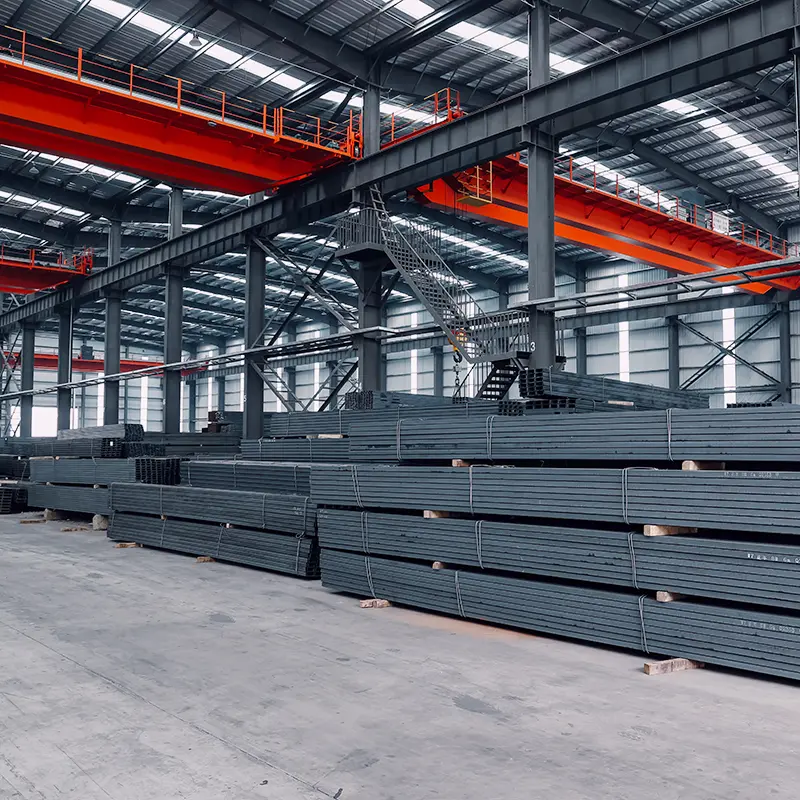
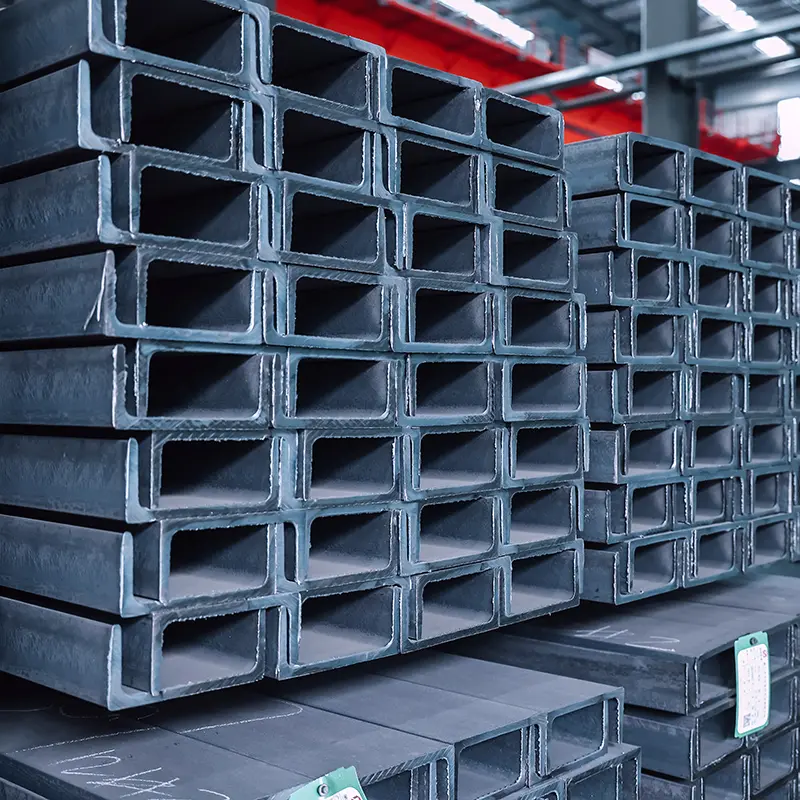
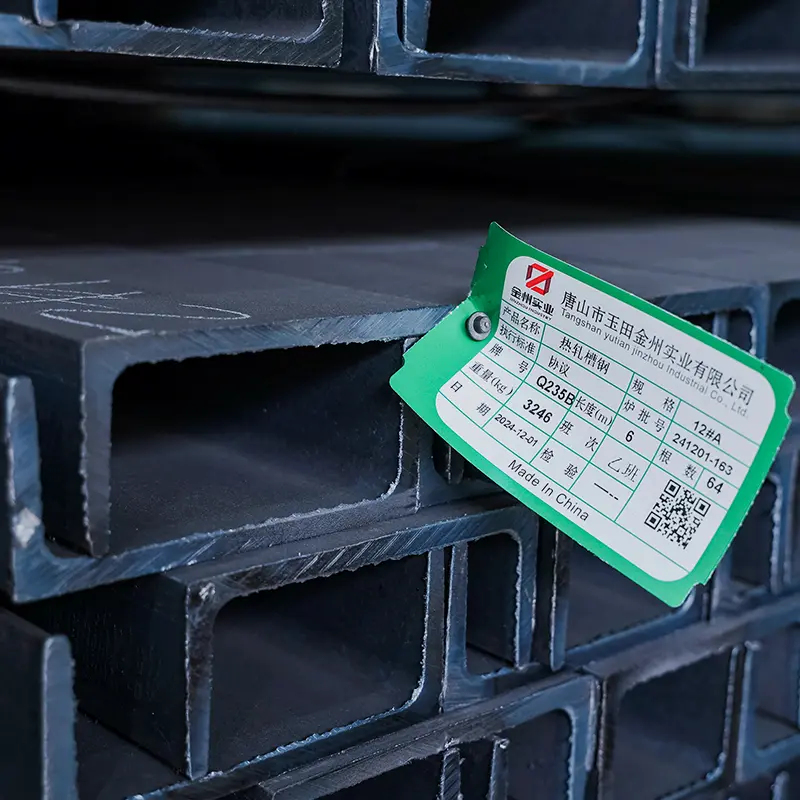
Wholesale C-Shaped Structural Steel Channel/ Hot Rolled Steel Channel Manufacturers, Manufacturer

Characteristics  

● High Strength: Channel steel has high tensile and yield strength.  

● Ease of Processing: Channel steel can be cut, welded, bent, and processed.  

● Good Stability: The cross-section shape provides excellent bending and torsional resistance.  

● Versatility: Suitable for construction, machinery, transportation, and more.  

Product Description

Product Parameters

Parameter Specification Details
Height Typically 50mm to 400mm.
Flange Width Typically 37mm to 104mm.
Web Thickness Typically 4.5mm to 14.5mm.
Tensile Strength Usually between 300MPa and 600MPa.
Yield Strength Usually between 200MPa and 400MPa.

Product Types

Channel steel can be classified based on shape, size, and use to meet various industrial needs:

By Shape

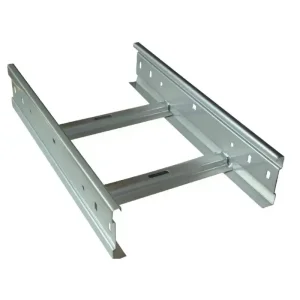
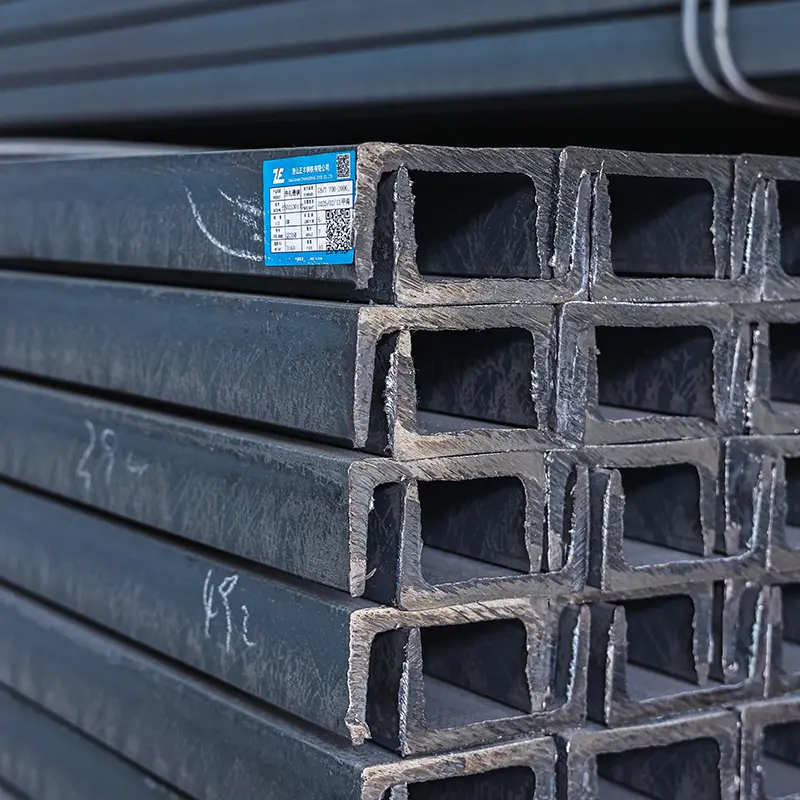
  • Standard channel steel: U-shaped cross-section, widely used in construction and machinery manufacturing.
  • Light channel steel: Thinner walls, lightweight, suitable for light structures.
  • Heavy channel steel: Thicker walls, high strength, suitable for heavy structures.

By Size

  • Small channel steel: Height less than 100mm, suitable for small structures.
  • Medium channel steel: Height between 100mm and 200mm, suitable for medium structures.
  • Large channel steel: Height greater than 200mm, suitable for large structures.

By Use

  • Construction channel steel: Used in steel structures, bridges, and buildings.
  • Machinery channel steel: Used for equipment, tools, and components.
  • Vehicle channel steel: Used in automotive, train, and ship frames.

Product Advantages

  • Structural Stability: The cross-section shape provides excellent bending and torsional resistance.
  • Cost-effectiveness: Low production cost combined with high performance.
  • Easy Installation: Modular design makes it straightforward to install and dismantle.
  • Eco-Friendliness: Fully recyclable and aligned with modern sustainable development standards.

Product Materials

  • Carbon Steel: Mainly used for standard channel steel, offering high strength and cost efficiency.
  • Alloy Steel: Contains elements like manganese and silicon to optimize overall structural strength and wear resistance.
  • Stainless Steel: Contains chromium and nickel to provide high resistance to rust and chemical corrosion.

Product Applications

  • Construction: Highly utilized in modern steel structures, bridges, and infrastructure buildings.
  • Machinery Manufacturing: Perfect for engineering equipment framework, precision tools, and moving components.
  • Transportation: Used widely in constructing automotive frame structures, train platforms, and ship hulls.
  • Energy Sector: Deployed as pipeline supports for oil, gas, and municipal water transport systems.
  • Agriculture: Serves as robust structural framing for heavy greenhouses and secure livestock fencing.

Process Advantages and Material Selection Guidelines

Advanced high-speed rolling and controlled cooling technologies ensure dimensional precision (±0.1 mm) and microstructural homogeneity, supporting downstream processes like drawing and heat treatment. Material selection must comply with industry standards (ASTM, GB/T, JIS), prioritizing carbon content, elongation, and surface defect control.

Frequently Asked Questions

Q1: What are the typical dimensions of channel steel?

Channel steel typically ranges in height from 50mm to 400mm, with flange widths ranging between 37mm and 104mm, and web thicknesses from 4.5mm to 14.5mm depending on structural needs.

Q2: How is channel steel classified by shape and weight?

By shape, it is classified into Standard Channel Steel (widely used in construction), Light Channel Steel (with thinner walls for lightweight setups), and Heavy Channel Steel (with thicker walls for high-strength applications).

Q3: What are the standard materials used to manufacture channel steel?

It is mainly manufactured using Carbon Steel (cost-effective, high strength), Alloy Steel (optimized strength and wear resistance), and Stainless Steel (excellent rust and chemical corrosion resistance).

Q4: Which industry compliance standards apply to channel steel products?

All high-quality channel steel products comply strictly with leading global industry standards, including ASTM, GB/T, and JIS, which govern overall carbon content, elongation rates, and surface quality controls.

Q5: What production technologies are used to guarantee precision?

Advanced high-speed rolling and controlled cooling technologies are utilized. These ensure dimensional precision up to ±0.1 mm along with microstructural homogeneity for excellent workability.

Q6: In which environments is channel steel most commonly installed?

It is widely applied in civil construction (bridges, frameworks), manufacturing (tools, machinery), transportation systems (vehicle frames), energy supports (pipelines), and agricultural structures (greenhouses).
Related Products