Direct supply of high-specification coils, wire rods, and structural framing sections optimized for immediate Middle East deployment.
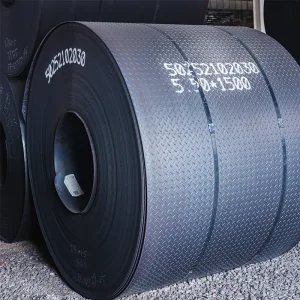
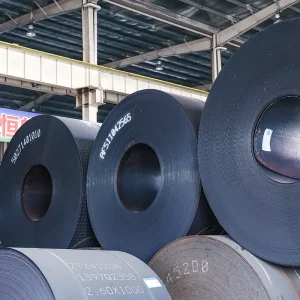
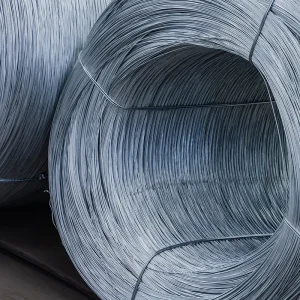

The industrial landscape of Saudi Arabia, with its central hub in Riyadh, is undergoing a historic structural shift. Under the strategic banner of Saudi Vision 2030, the capital city is transforming from a regional administrative center into a massive global manufacturing and logistics engine. A core pillar of this economic diversification is the rapid development of localized manufacturing capabilities, where hot rolled (HR) steel coils, sheets, and plates serve as the fundamental raw material. As local infrastructure scales to accommodate mega-developments like the Riyadh Metro expansion, Diriyah Gate, King Salman Park, and the connecting logistics pipelines to NEOM and the Red Sea corridor, securing reliable, high-specification steel supply is paramount.
Information Gain Insight: Unlike standard structural steels used in milder climates, HR coils and plates supplied to Riyadh must be structurally engineered to withstand extreme ambient temperatures, dynamic thermal expansions, and high-salinity corrosive soils common in the Arabian Peninsula. Ensuring trace chemical control during hot rolling is vital for project longevity.
Riyadh's industrial sector is clustered dynamically across regions such as the Second Industrial City and the rapidly developing industrial zones near the dry ports. Local demand for hot rolled products has transitioned from basic structural grades to specialized micro-alloyed and high-yield-strength varieties. Riyadh's domestic steel fabricators, pre-engineered building (PEB) manufacturers, and storage tank builders require varying thicknesses of HR plates and coils (typically ranging from 1.5mm up to over 50mm for heavy structural plates).
Local industrial operations face distinct logistical challenges. High ambient temperatures exceeding 45°C during the summer put severe physical stress on structural elements. Under these thermal loads, steel sheets and plates can undergo structural expansion that must be factored into construction design. High-precision hot rolling guarantees consistent yield strengths (e.g., ASTM A572 Grade 50 or EN 10025 S355JR), ensuring the mechanical integrity of structural frames, columns, and massive warehouse purlins throughout their service life.
From a global business perspective, the steel industry is navigating an era of decarbonization and supply chain realignment. Traditional manufacturing bases in Northern China, such as Tangshan—the world's premier steel-producing cluster—are integrating advanced electric arc furnaces (EAF) and optimized blast furnace (BF) routes to produce "green steel" with lower carbon footprints. This shift aligns perfectly with Saudi Arabia's strict environmental import protocols and its ambition to foster eco-friendly supply chains for its Giga projects.
For procurement officers in Riyadh, sourcing directly from key international logistics corridors like Tangshan, which offers immediate access to major global seaports such as Tianjin, ensures an optimal balance between cost-efficiency and compliance with global standards (ASTM, JIS, DIN, EN). Shipping logistics to the Arabian Gulf via Dammam Port or overland transit routes straight into Riyadh's dry port network can be executed seamlessly when factories maintain certified export channels and robust pre-shipment quality control systems.
Hot rolling occurs at temperatures exceeding the recrystallization temperature of steel (typically above 1,100°C). This process refines the grain structure of the steel, resulting in isotropic mechanical properties. The manufacturing process of high-end HR steel is characterized by the following metallurgical phases:
In Riyadh, structural steel is not just a building material; it is the skeleton of the city's future. The localized application scenarios of HR coils, sheets, and plates span multiple industrial sectors:
Strategically situated in Tangshan City, Hebei Province—the heart of China’s steel industry—we benefit from an exceptional logistics network. Our facility is positioned just 150 kilometers from the Tianjin seaport and 150 kilometers from Beijing, ensuring highly efficient global shipping pipelines directly to the Middle East and Riyadh.
Since our inception in 2006, we have evolved into a comprehensive, export-oriented enterprise specializing in the manufacturing of premium-quality steel products. We operate 8 high-efficiency production lines with a total annual production capacity ranging from 300,000 to 650,000 metric tons, delivering international standard compliance across ASTM, JIS, DIN, EN, and AS/NZS.
Export Experience
Production Capability
Engineering Team
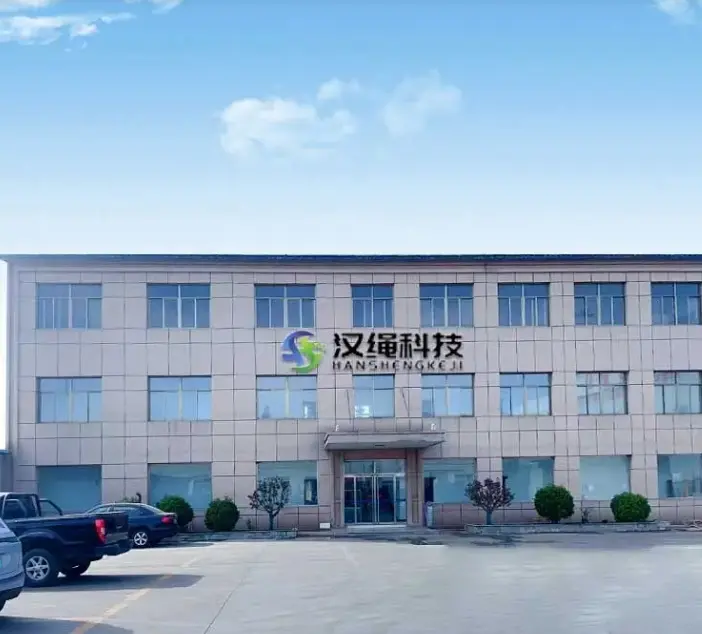
Our legacy of excellence is built upon these core pillars of industrial performance.
Professional QC systems and pre-shipment inspection for each batch ensure that all structural steel conforms to specifications prior to sea loading.
Our team issues detailed, comprehensive commercial and technical quotations quickly, minimizing lead times for Riyadh bidding structures.
We operate under the philosophy of "honoring contracts and keeping promises", delivering precise tonnages and grades exactly as agreed.
A broad portfolio of hot/cold rolled steel solutions engineered to meet demanding structural specifications.
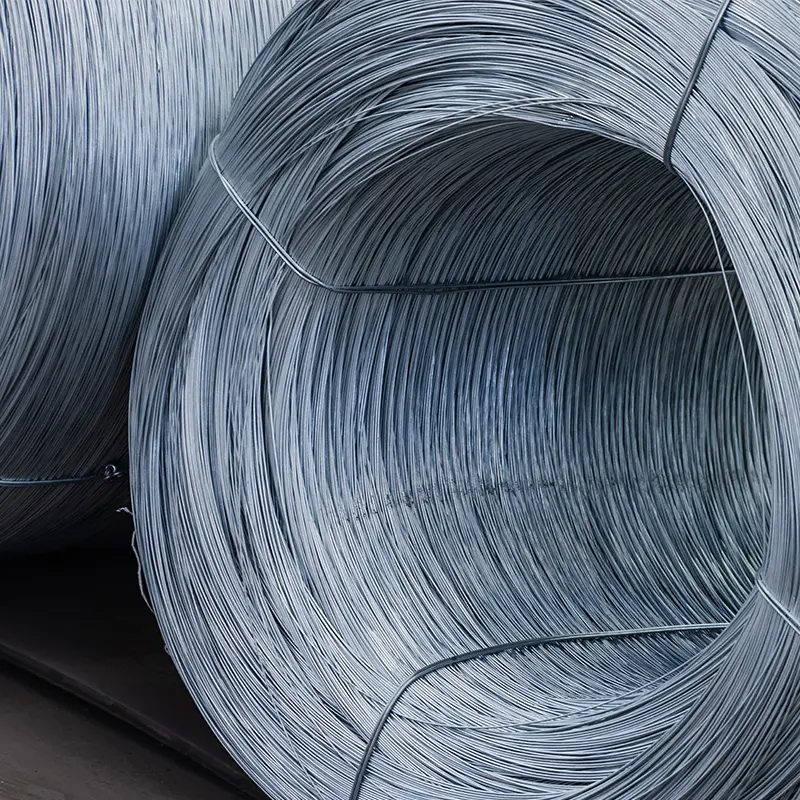
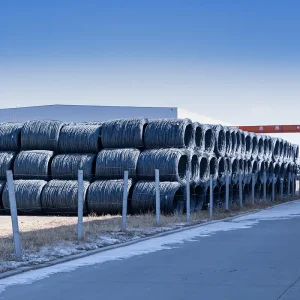
Galvanized Steel Wire
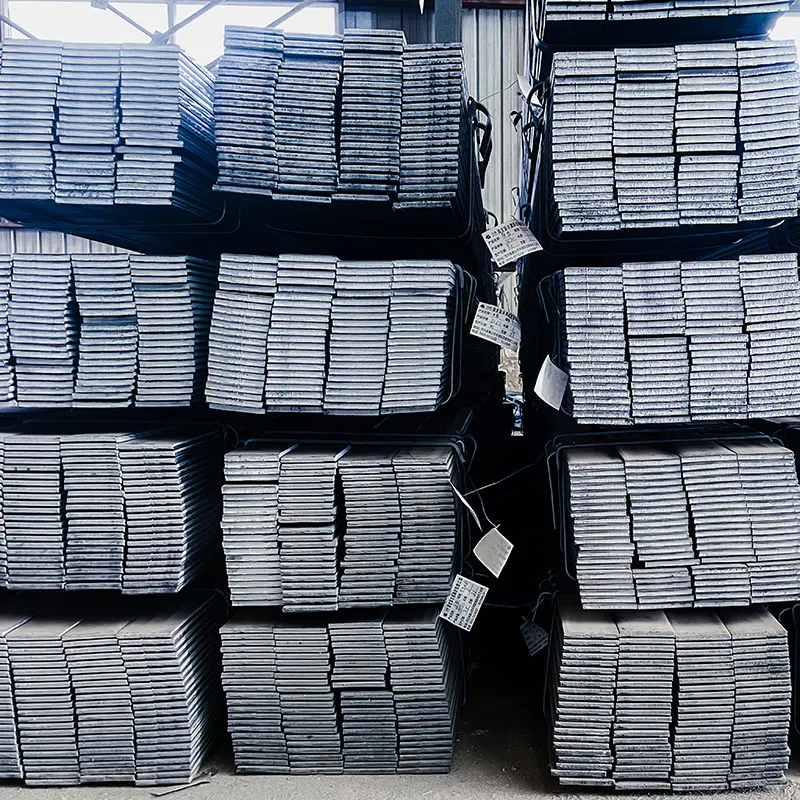
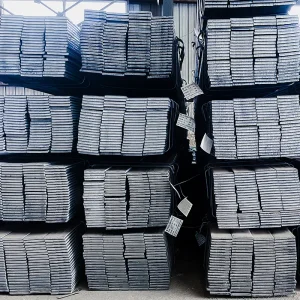
Flat Bar
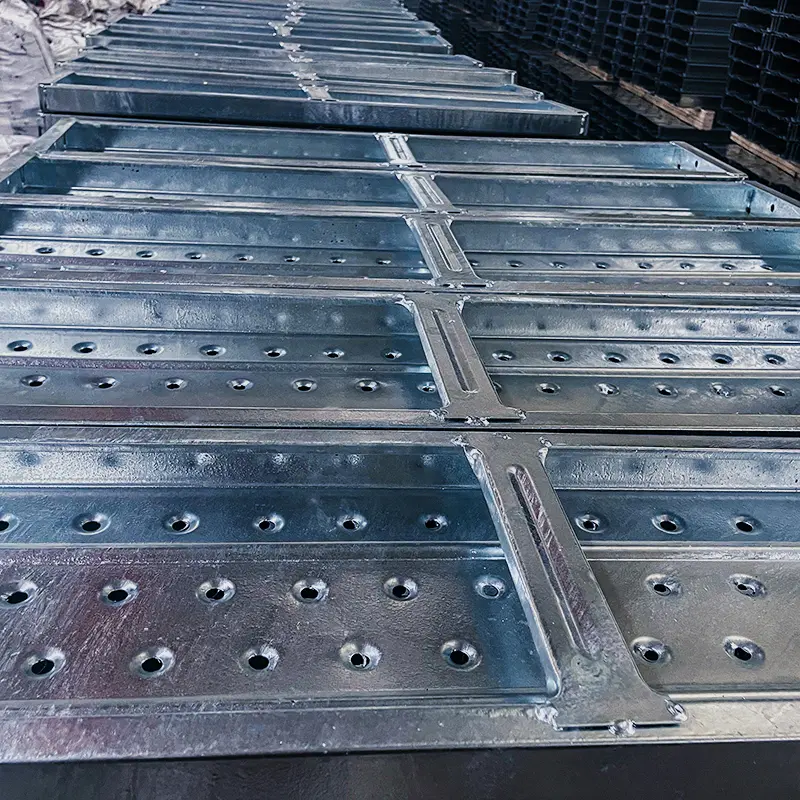
Steel Plank
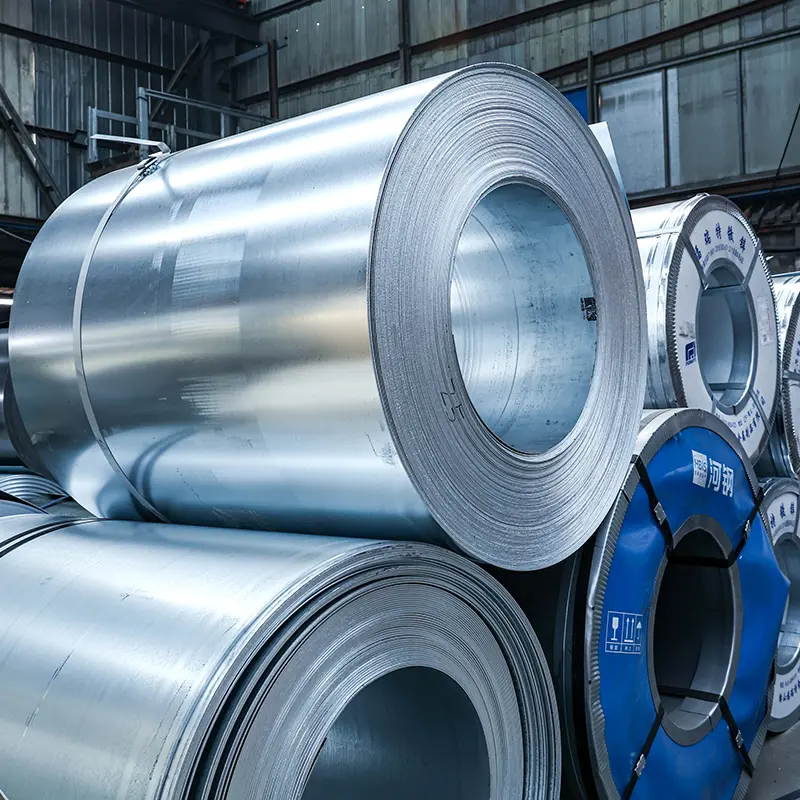
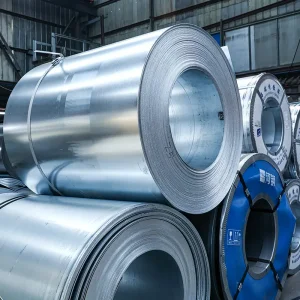
GI Coil/Sheet
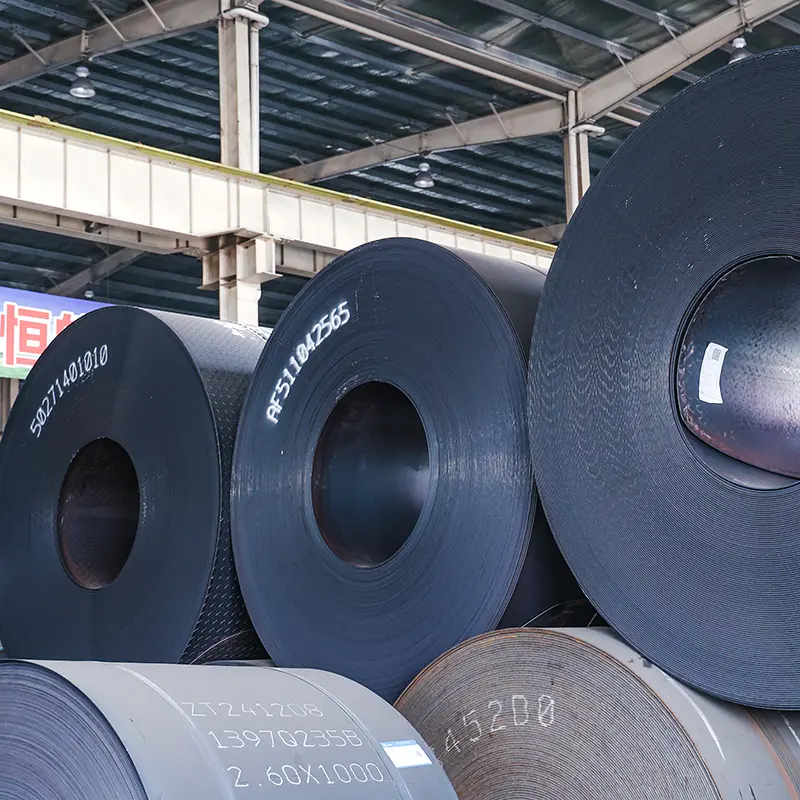
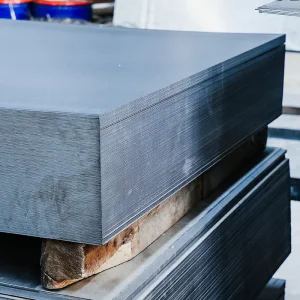
HR Coil/Sheet/Plate
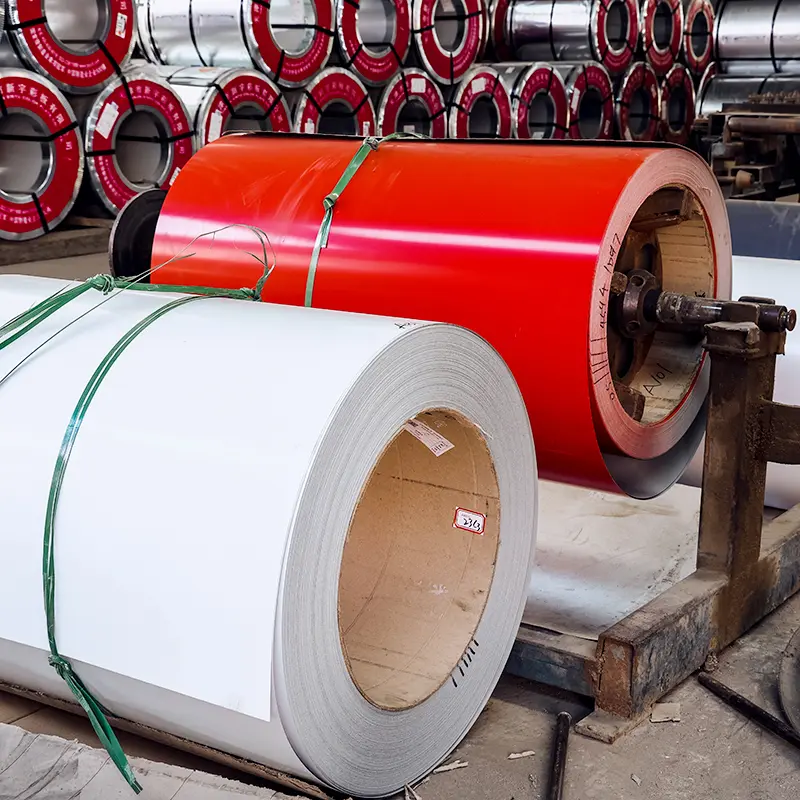
PPGI/PPGL
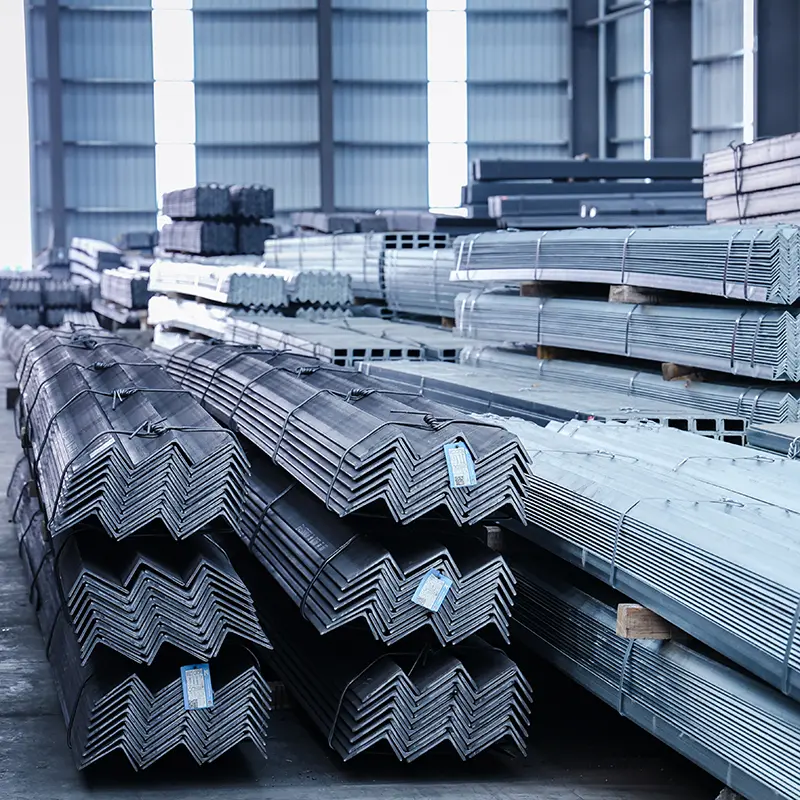
Tube/Pipe
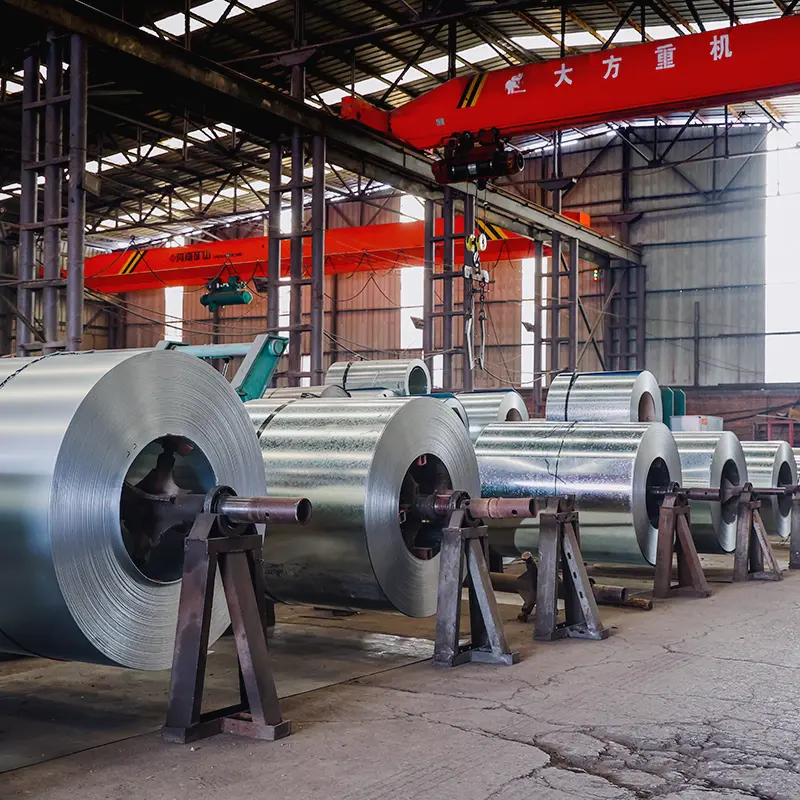
ZAM
Sourcing structural steel for complex capital-intensive programs in Riyadh requires more than buying raw materials. A robust procurement strategy demands an end-to-end industrial solution. In response, modern mills are optimizing the entire chain from mill order to final job site delivery.
First, custom plate cutting and beveling allow construction consortia to receive ready-to-weld steel segments at the construction site. This reduces processing times inside Riyadh's crowded industrial fabrication yards. Second, rust-preventative coatings and robust packaging protect products during maritime transport from Bohai Bay to the Arabian Gulf.
Additionally, coordinating logistics via specialized bulk carriers or containers guarantees that cargo arrives at Dammam seaport before transitioning overland. Managing land freight rates and customs documentation through local experts reduces port storage costs and ensures that project sites across Riyadh receive steel shipments on schedule.
Technical Guideline: Steel specifications destined for the Saudi market should ideally carry SASO (Saudi Standards, Metrology and Quality Organization) compatibility records alongside traditional EN/ASTM certifications. This guarantees streamlined port clearances and full compliance with civil engineering audits.
Demonstrating our robust export capabilities with successful supply deployments to Riyadh and surrounding industrial markets.
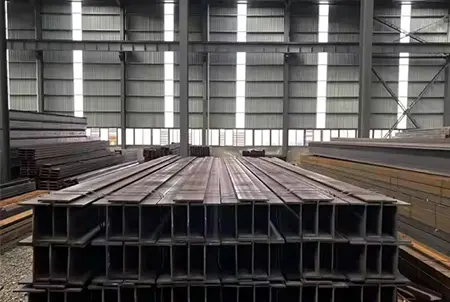 STRUCTURAL STEEL
High-strength structural beams delivered for major distribution warehouse framework in Riyadh.
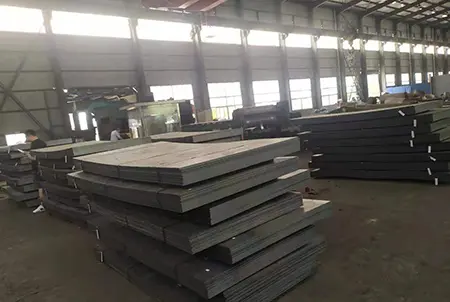 HEAVY PLATES
Custom ASTM standard thick steel plates supplied for large-capacity chemical storage tanks.
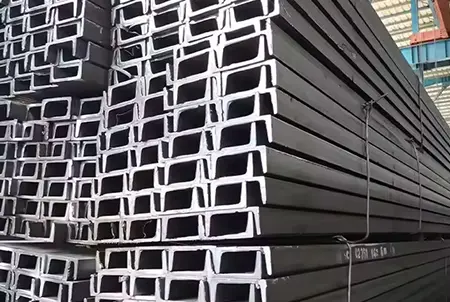 CHANNELS
Heavy structural steel channels deployed for multi-story residential building frames.
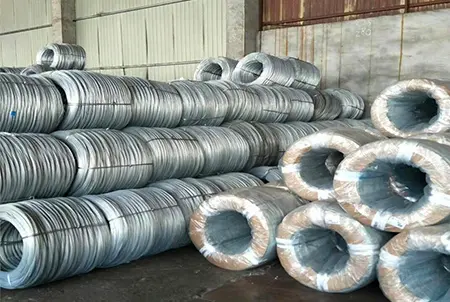 GALVANIZED WIRE
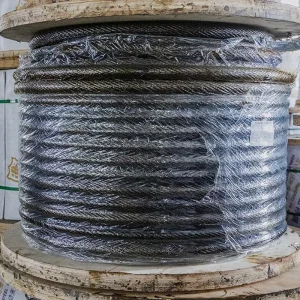
Durable hot-dip galvanized wire reels for underground cabling support networks.
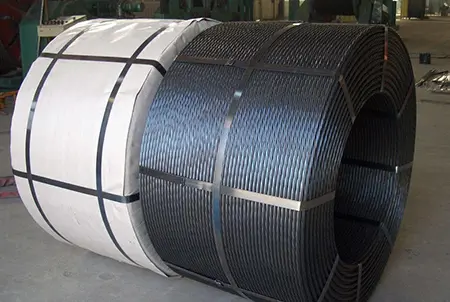 PC STRAND
High-tensile stress-relieved steel strand for pre-stressed concrete infrastructure.
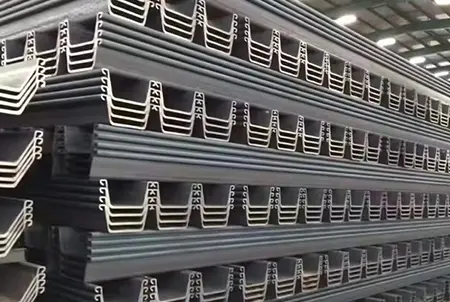 SHEET PILES
Heavy-grade retaining wall sheet piles for earthworks and foundation reinforcement.
Forging strong relationships with leading manufacturers to guarantee direct logistics pipelines.



A record of contract fulfillment for landmark developments across various regions.
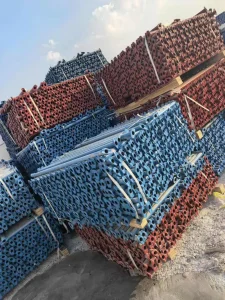
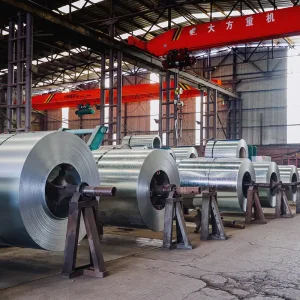
Explore our complete selection of structural sheets, galvanized coils, high-tensile wire rods, and scaffolding components.
Addressing crucial metallurgical, design, and supply-chain inquiries for Riyadh project managers.
Depending on order customization, typical production takes 15 to 25 days. Maritime transit from Tianjin Port to Dammam Port takes approximately 18 to 22 days. Customs clearance and overland truck transport to Riyadh's central industrial hubs add another 3 to 5 days.
Hot rolled steel possesses lower residual internal stress compared to cold rolled steel, which is work-hardened. Under high ambient temperatures and solar heating common in Riyadh, HR steel maintains its structural shapes with minimal warping, making it ideal for heavy structural columns and structural framing.
We maintain permanent floor stock for standard structural grades like ASTM A36, ASTM A572, and EN S355JR. Custom specifications, including specific micro-alloying elements, precise oiling specifications, and atypical lengths, can be custom-rolled within our production schedule.
Every shipment is accompanied by Mill Test Certificates (MTC) conforming to EN 10204 Type 3.1 or 3.2, showing chemical ladle analysis, yield strength, tensile strength, elongation percentages, and impact test values. Additionally, third-party SGS or Bureau Veritas inspections are provided upon request.
Get in touch with our engineering and logistics specialists today. We provide direct pricing, custom metallurgy, and reliable shipping terms.
 Hanshen