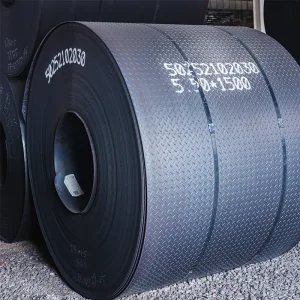
 Hanshen
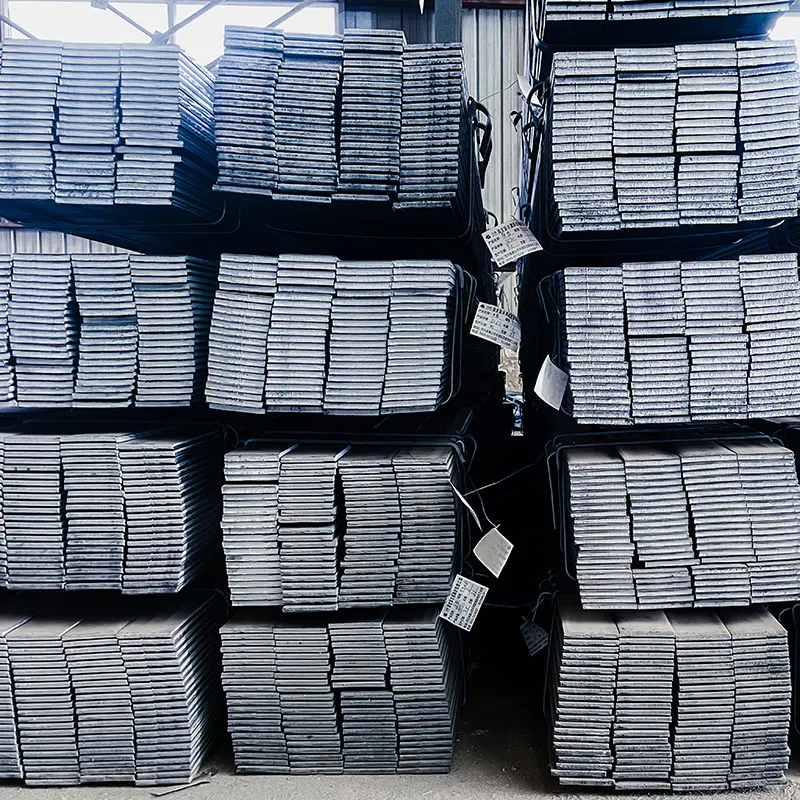
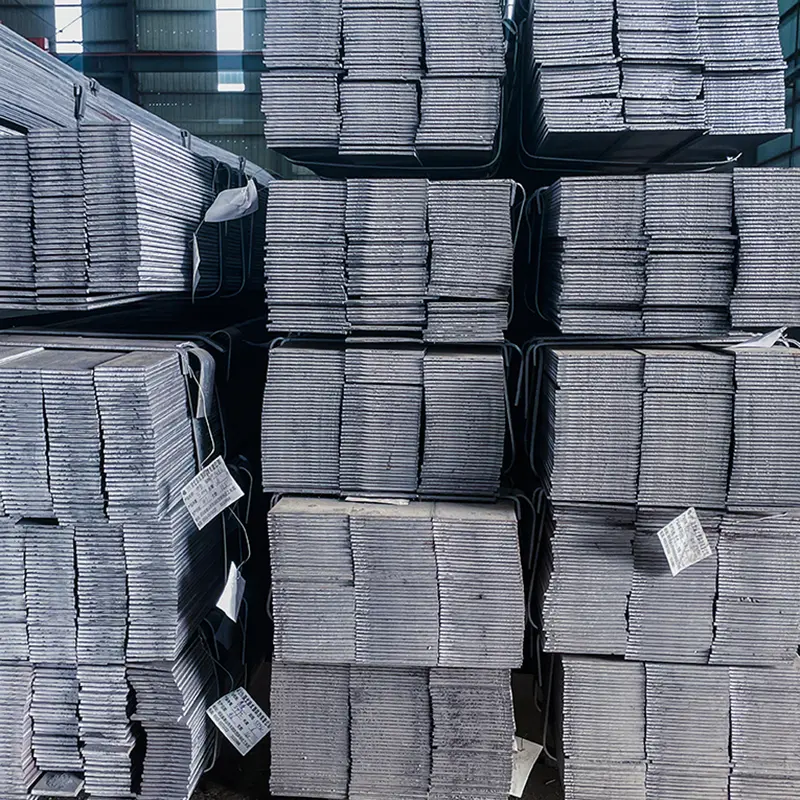


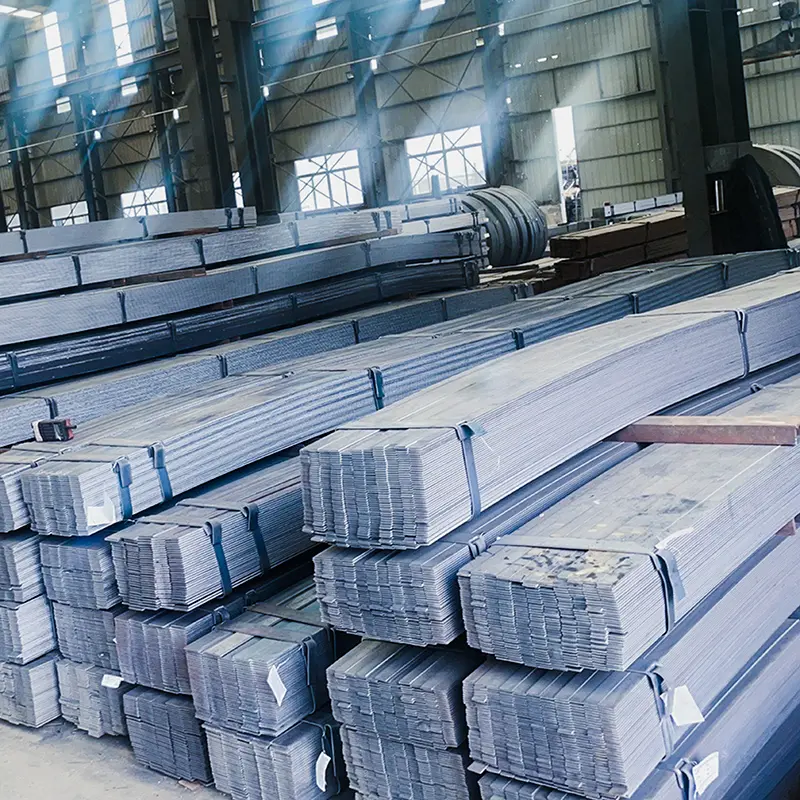
1 / 5
| Thickness | 1.5–60 mm (hot-rolled); 1–16 mm (cold-rolled) |
| Width | 10–300 mm (hot-rolled); 10–300 mm (cold-rolled) |
| Length | Standard 6m, customizable |
Reference Standards: GB/T 704, GB/T 6723, ASTM A36, ASTM A240
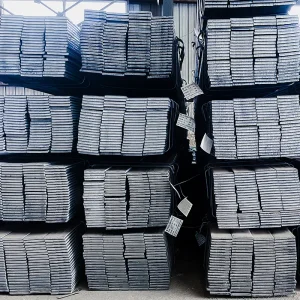
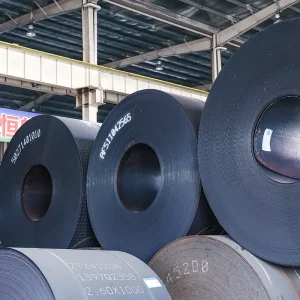
Hot-rolled Flat Steel
Formed through high-temperature rolling process, the surface is relatively rough.
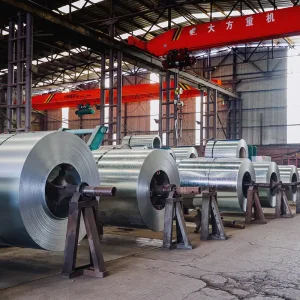
Cold-rolled Flat Steel
Rolling at room temperature, smooth surface, high dimensional accuracy.
Stainless Steel Flat Bar
Strong corrosion resistance, suitable for the food or chemical industry.
Carbon Steel Flat Bar
High strength and low cost, widely used in structural components.
Alloy Steel Flat Bar
Contains elements such as chromium and nickel to enhance wear resistance or high temperature resistance.
Features
Advantages
Common Carbon Steel: Q235 (GB), ASTM A36 (International).
Medium Carbon Steel: 45 Steel, used for mechanical parts.
Stainless Steel: 304, 316 (AISI), corrosion-resistant.
Alloy Steel: 40Cr, 42CrMo (with Cr, Mo).
Our flat steel products are widely utilized across various industries:
Advanced high-speed rolling and controlled cooling technologies ensure dimensional precision (±0.1 mm) and microstructural homogeneity, supporting downstream processes like drawing and heat treatment. Material selection must comply with industry standards (ASTM, GB/T, JIS), prioritizing carbon content, elongation, and surface defect control.
What are the common thicknesses of flat steel available?
Hot-rolled flat steel is available in 1.5–60 mm, while cold-rolled flat steel typically ranges from 1–16 mm.
What is the difference between hot-rolled and cold-rolled flat steel?
Hot-rolled steel is processed at high temperatures with a rougher surface, whereas cold-rolled steel is processed at room temperature, offering a smoother surface and higher dimensional accuracy.
Is the length of the flat steel customizable?
Yes, while the standard length is 6 meters, we can customize the length based on your project requirements.
Which materials are commonly used for these products?
We commonly use common carbon steel (Q235, A36), medium carbon steel (45 Steel), stainless steel (304, 316), and alloy steel (40Cr, 42CrMo).
What are the primary applications of flat steel?
It is widely used in construction, machinery, automotive chassis, shipbuilding, bridge structures, and furniture frame manufacturing.