Strategically engineered steel modules and coated coil products custom-optimized for high-load, extreme environmental conditions across Balochistan, Sindh, and Punjab provinces.
Zinc-Aluminum-Magnesium (ZAM) is a highly revolutionary metallic-coated steel product designed to withstand the world’s most punishing atmospheric conditions. By incorporating precise percentages of aluminum (typically 5% to 11%) and magnesium (typically 1.5% to 3%), ZAM alloy coatings exhibit a self-healing properties that traditional Hot-Dip Galvanized (HDG) and Galvalume coatings simply cannot duplicate.
Compared to traditional zinc coatings, the presence of magnesium creates an incredibly tightly bonded barrier structure. This significantly slows down the degradation rate of the metallic coating, offering up to five to ten times higher corrosion resistance under identical environments. This makes ZAM steel the prime candidate for utility-scale solar PV mounting structures, modern industrial roofing, coastal electrical infrastructure, and structural frameworks where a 25-to-30-year operational life is mandatory.
The macroeconomic development of Pakistan is currently at an industrial crossroads. Large-scale infrastructural expansions, supported heavily by the China-Pakistan Economic Corridor (CPEC), require materials that can survive diverse geographic microclimates. From the hyper-saline coastal zones of Gwadar and Karachi to the intensely hot, humid plains of Multan and the agricultural hubs of Faisalabad, atmospheric challenges vary enormously.
Karachi's coastal boundary is classified under the ISO 9223 atmospheric corrosivity standard as C5 (Very High Marine). The combinative presence of high relative humidity, elevated levels of ambient sea salts, and industrial sulfurous emissions causes traditional galvanized materials to fail within 3 to 5 years. Using ZAM steel structures in Karachi's port areas, shipyards, and coastal warehouses reduces maintenance overhead and prevents critical failures.
Under Pakistan's Alternative and Renewable Energy Policy, the nation is actively working to transition to 30% green energy by 2030. Utility-scale solar PV fields are spreading across Quaid-e-Azam Solar Park in Bahawalpur and large arid zones in Sindh. Solar tracker components and structural mounting piles are constantly exposed to strong UV radiation, high dust abrasion, and nocturnal dew condensation. ZAM profiles ensure structural integrity for the entire 25+ year lifespan of the solar modules without requiring expensive hot-dip galvanizing post-fabrication.
Faisalabad and Gujranwala house dense clusters of chemical processing, textile manufacturing, and heavy metal fabrication plants. The environment is heavily saturated with acidic gases (SOx, NOx), which accelerate the galvanic corrosion of conventional steels. ZAM coatings exhibit excellent resistance to acid and chemical vapors, protecting cable trays, ventilation ducts, and warehouse frames.
A detailed metallurgical performance analysis demonstrating the engineering superiority of Zinc-Aluminum-Magnesium under accelerated testing standards.
| Performance Characteristic | Zinc-Aluminum-Magnesium (ZAM) | Hot-Dip Galvanized (HDG) | Aluzinc / Galvalume |
|---|---|---|---|
| Chemical Composition | Zn + 5~11% Al + 1.5~3% Mg | Pure Zinc (>99% Zn) | 55% Al + 43.4% Zn + 1.6% Si |
| Corrosion Resistance (Salt Spray Test) | Outstanding (Up to 2500+ Hours) | Moderate (300 to 500 Hours) | High (1000+ Hours) |
| Cut-Edge Self-Healing Ability | Excellent (Active migration of Mg/Al) | Poor (Purely sacrificial Zn layer) | Minimal (Subject to edge rust) |
| Scratch & Abrasion Resistance | Extremely High (Hardness up to 140 HV) | Moderate (Hardness approx. 60-80 HV) | High (Hardness approx. 100 HV) |
| Processing & Formability | Excellent (Less coating peel & crack) | Variable (Heavy zinc layer prone to peeling) | Good (Subject to forming micro-cracks) |
| Cost-Benefit over Lifetime | Best (Low initial cost, Zero maintenance) | High (Frequent replacement & paint repairs) | Medium (Prone to failure at cut edges) |
Strategically situated in Tangshan City, Hebei Province—the historical heart of China’s steel production ecosystem—Hansheng Technology (Hebei) Co., Ltd. has delivered premium steel products globally since 2006.
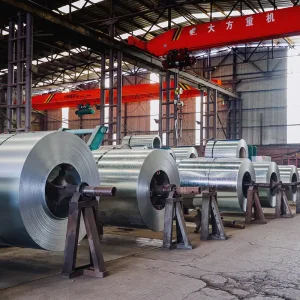
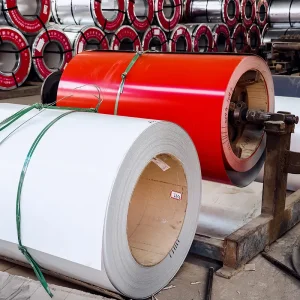
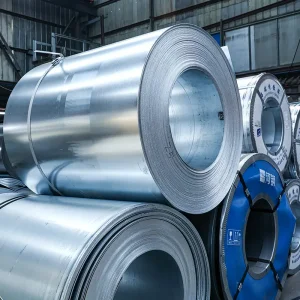
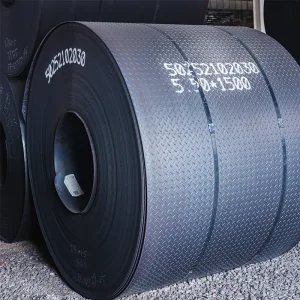
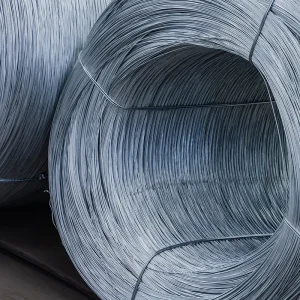
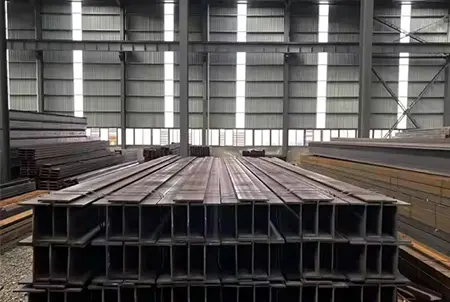
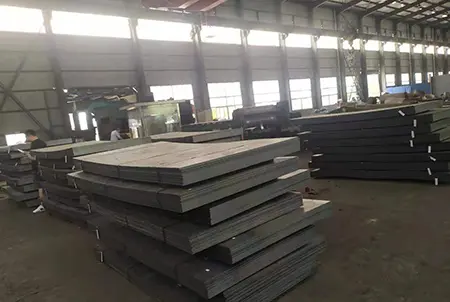
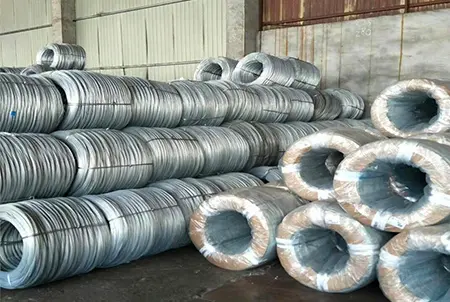
With our prime location, we benefit from an exceptional logistics network that ensures efficient shipping to Karachi’s deep-water ports (Karachi Port Trust & Port Qasim). Our extensive industrial portfolio includes Galvanized Steel Wire, Hot/Cold Rolled Steel Coils, GI/PPGI, GL/PPGL, ZAM Coils, and high-strength Section Steels. Every product is meticulously manufactured to adhere to rigorous international quality criteria, including GB, JIS, ASTM, DIN, EN, and AS/NZS.
Driven by supply chain excellence, highly competitive factory direct pricing, and professional service, Hansheng Technology’s exports have earned unanimous recognition across markets in the Middle East, Southeast Asia, North Asia, Africa, South America, and Europe. We operate under a firm corporate philosophy: "Honoring contracts and keeping promises." We view our clients not just as customers, but as long-term strategic allies.
From structural reinforcement to precision manufacturing components, ZAM steel applications provide key advantages for public-private initiatives across Pakistan.
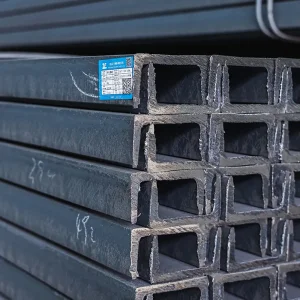
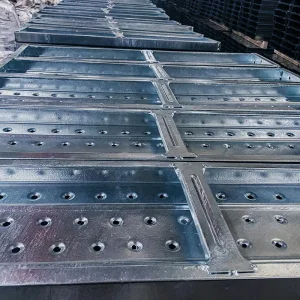
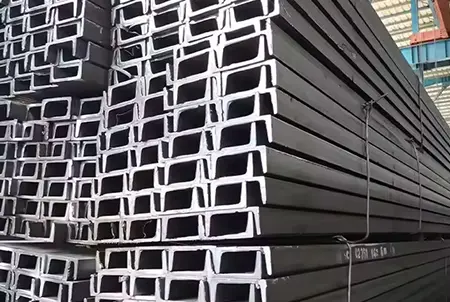
Specially manufactured C and U-shaped steel channels with ZAM coating. Provides high yield strength and chemical resistance to agricultural soils, preventing structural collapse in wind and heavy dust storms.
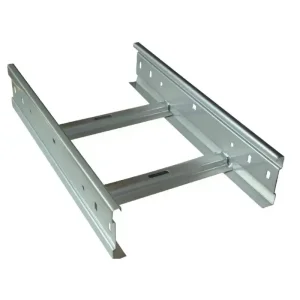
Protective cable trays, industrial enclosures, and seaside warehousing structural beams. Resists the combination of high atmospheric moisture, salt spray, and sulfur compounds near Karachi shipyards.
Greenhouse structural pipes and irrigation equipment framing. High humidity in modern greenhouses speeds up standard pipe rust. ZAM pipes provide a rust-free environment for crops and lower total operation costs.
Providing structural and framing materials for landmark industrial and municipal engineering projects across the region.
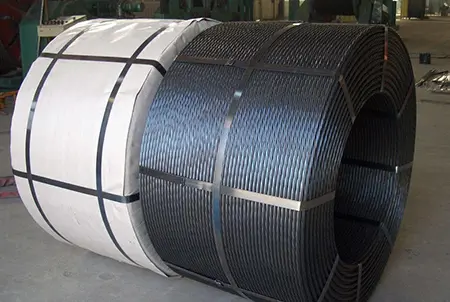
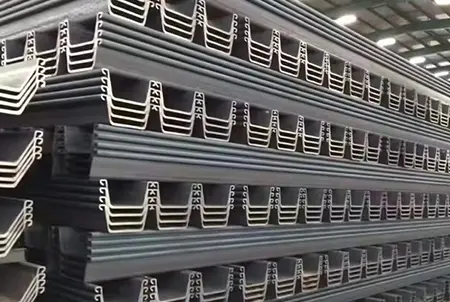
Providing professional metallurgical clarity for construction contractors, solar PV engineers, and structural procurement departments in Pakistan.
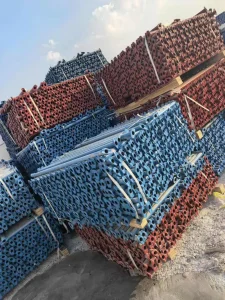
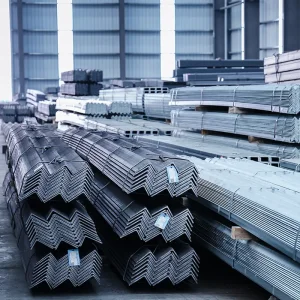
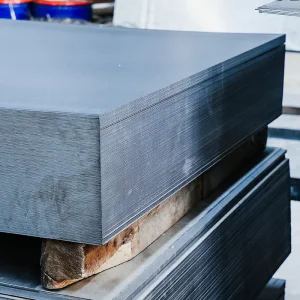
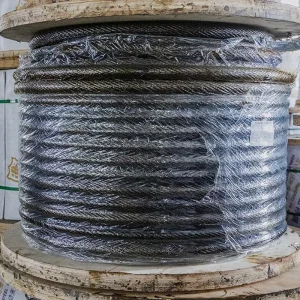
A comprehensive suite of heavy industrial steel items, reinforcing bars, structural profiles, and high-tensile wire products manufactured to global quality standards.
 Hanshen