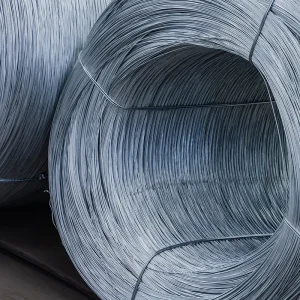
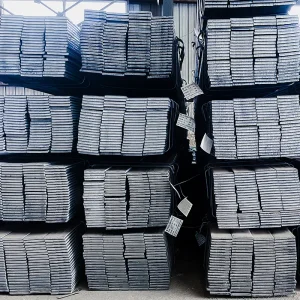
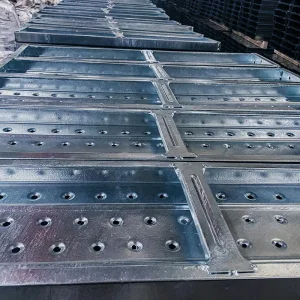
Explore our industrial range of high-strength structural items, manufactured on precision hot and cold rolling mills.
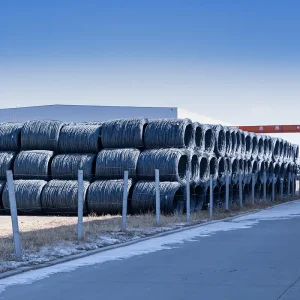
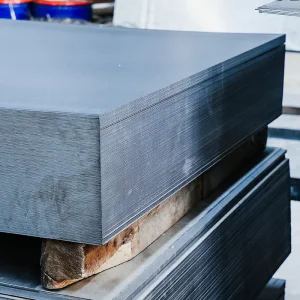
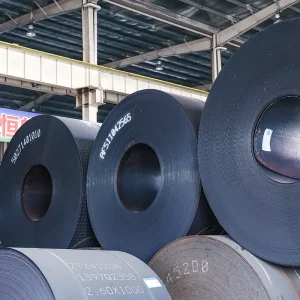
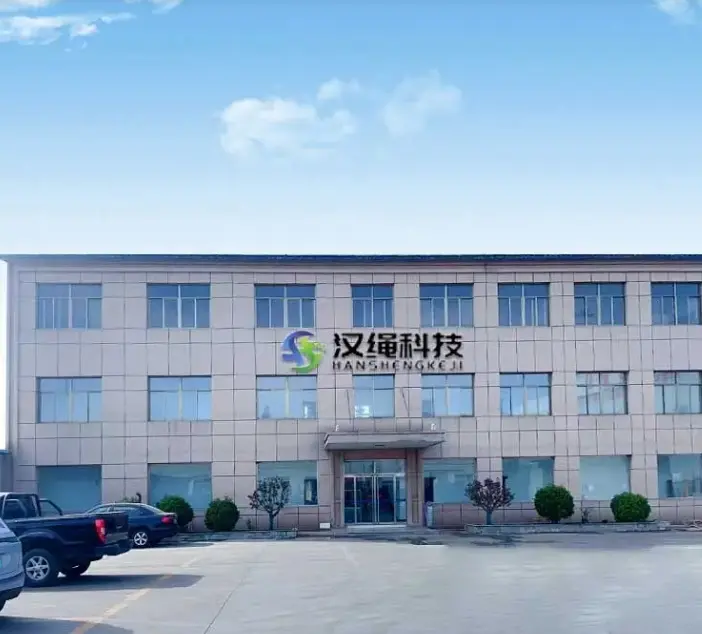
Strategically headquartered in Tangshan City, Hebei Province—the historical heartland of China's heavy steel production—Hansheng Technology (Hebei) Co., Ltd. sits at the center of the Bohai Bay Economic Rim. Positioned exactly 150 kilometers from the capital city of Beijing and just 150 kilometers from the major international logistics gateway of Tianjin Seaport, we offer unprecedented transit capabilities that keep global industrial supply lines optimized.
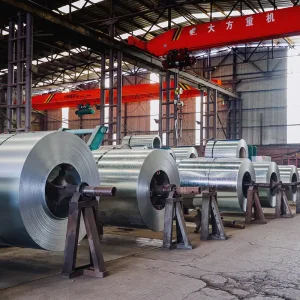
Operating a fleet of 8 state-of-the-art production lines, we maintain an annual capacity output exceeding 650,000 metric tons. Our integrated manufacture process aligns tightly with international steel standards including JIS G3141, ASTM, DIN, EN, and AS/NZS, guaranteeing mechanical consistency across all product batches.
A technical guide to cold-rolled commercial quality steel under the JIS G3141 designation, explaining yield limits, finishes, and metallurgy.
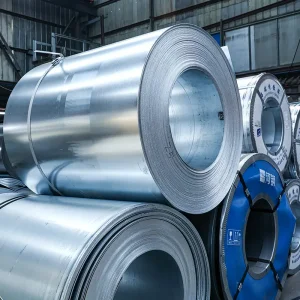
Under the Japanese Industrial Standards (JIS G3141), the acronym SPCC defines Steel Plate Cold Commercial. It represents the baseline tier of cold-rolled carbon steel coils and sheets, engineered primarily for forming, drawing, bending, and structural stamping operations. The cold reduction process involves taking high-quality hot-rolled pickling coils (SPHC) and feeding them through multi-stand rolling mills at ambient temperature. This mechanical processing increases the dislocation density within the ferrite grain matrix, yielding a highly uniform surface thickness, improved flatness, and heightened yield strengths prior to recrystallization annealing.
Information Gain: Unlike basic hot-rolled plates, SPCC grade material undergoes strict continuous annealing (CAL) or batch annealing (BAF) sequences, followed by a light skin-pass (temper rolling) operation to eliminate the yield point elongation (Lüders bands) during stamping.
To ensure high ductility, standard commercial grade SPCC keeps alloying elements such as carbon, manganese, phosphorus, and sulfur at minimal levels to ensure a softer, more formable ferrite matrix.
| Element Designation | Carbon (C) | Manganese (Mn) | Phosphorus (P) | Sulfur (S) | Silicon (Si) |
|---|---|---|---|---|---|
| JIS G3141 SPCC Limit | ≤ 0.15% | ≤ 0.60% | ≤ 0.100% | ≤ 0.035% | Trace Elements |
| Hansheng Typical Heat Analysis | 0.06% - 0.09% | 0.30% - 0.45% | 0.015% - 0.025% | 0.010% - 0.018% | ≤ 0.03% |
Additionally, SPCC must display robust mechanical compliance profiles depending on the final temper processing classification:
Why modern global supply networks leverage the heavy industry infrastructure of Hebei province for material procurement.
Our Hebei production facilities integrate state-of-the-art cold reduction mills with active Automatic Gauge Control (AGC) feedback systems, ensuring tolerance controls down to ±0.02mm.
Proximity to Tianjin and Caofeidian ports ensures seamless shipping loops. With fast access to international shipping routes, transport overhead costs are minimized for bulk cargos.
Certified in ISO9001:2000 and ISO14001 environmental safety benchmarks. Every shipment batch undergoes strict mechanical inspection, tensile trials, and chemical analysis prior to container packing.
Understanding procurement criteria: surface finishes, oiling levels, custom slitting tolerances, and corrosion protection.
In high-grade cosmetic stamping (such as computer towers, home electronics, and dashboard parts), surface roughness controls are critical to ensure uniform painting or powder coating results. We offer two standard surface topography profiles:
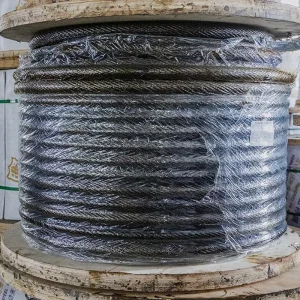
Because cold-rolled steel lacks a zinc coating, it is vulnerable to oxidation. To guarantee rust-free arrival at overseas facilities, we apply dynamic oil-coating systems (light, standard, or heavy oiling) paired with multi-layer packaging solutions:
With an array of integrated cut-to-length and slitting machinery, we process raw wide coils into precision strips down to custom widths. Minimum tolerances are maintained down to ±0.1mm, ensuring direct integration with automated roll-forming and stamping machines.
From architectural support frameworks to critical automotive components, SPCC serves as a reliable industrial backbone.
Used to form the outer cabinets of refrigerators, washing machine panels, and microwave wraps due to its excellent flatness and powder coating performance.
Engineered for complex structural brackets, heat shields, interior structural frames, and low-stress automotive parts requiring high ductility and elongation.
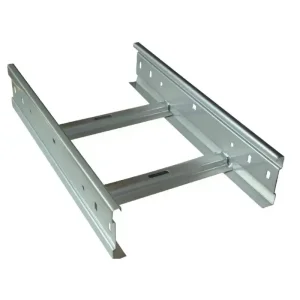
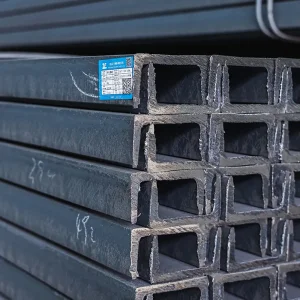
Forms the core material for structural roll-formed sections, cold-formed C-channels, wire storage rack uprights, cable management trays, and structural framing clips.
Working alongside major steel producers to guarantee reliable supplies of diverse material grades.




Highlighting structural supply programs, custom components, and large-scale architectural projects executed worldwide.
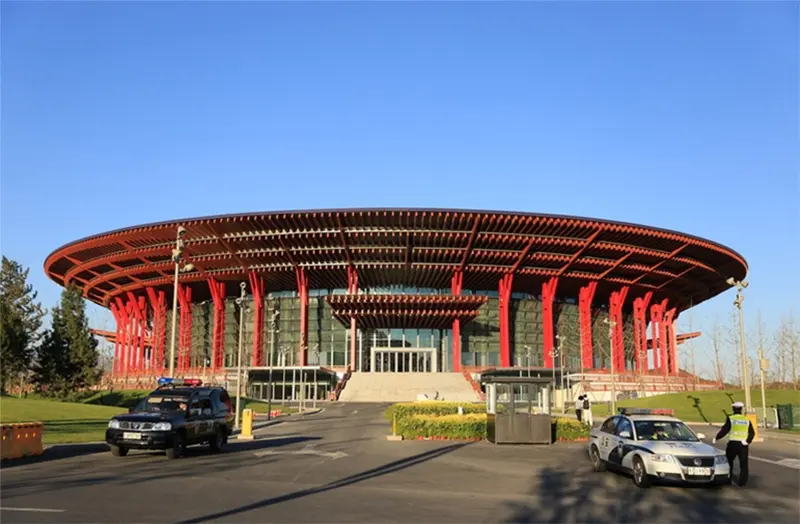
High-precision structural profile supply with strict dimensional tolerances and safety ratings.
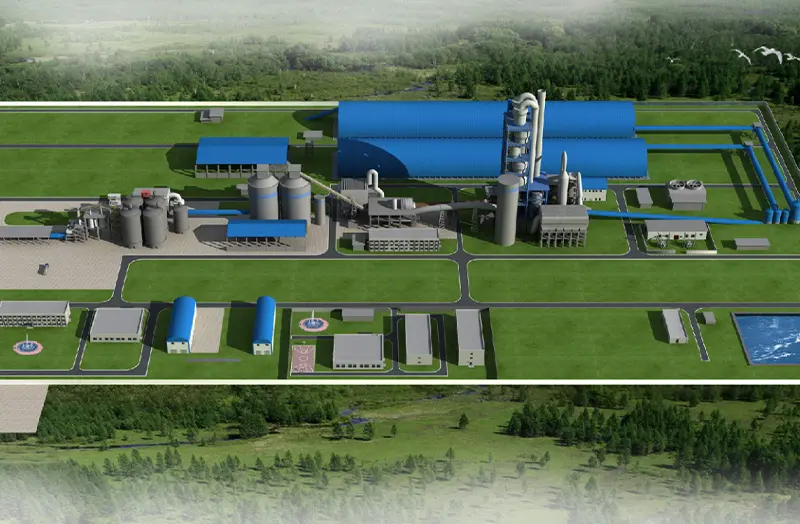
Structural framework components engineered to withstand abrasive industrial environments.

Precision galvanized and cold-rolled components delivered directly to local assembly sites.
Detailed metallurgical, logistical, and design advice for global purchasing managers.
SPCC represents commercial-grade cold-rolled steel, whereas SPHC designates hot-rolled commercial steel. Because SPCC undergoes cold reduction at room temperature followed by controlled annealing, it features superior dimensional tolerances (down to +/-0.02mm), a clean surface finish, and higher surface hardness compared to SPHC, which has rough mill scale and loose thickness tolerances.
Yes. SPCC steel serves as the core substrate for many zinc-coated and galvanized sheets. If you plan to post-galvanize after stamping, specifying a "bright finish (SB)" or a degreased dull finish (SD) is critical. This ensures that the zinc layer adheres uniformly without defects caused by stamping lubricants or surface scales.
Standard oiled SPCC coils protected by VCI paper wrapping are protected against rust for 3 to 6 months in normal maritime shipping containers. For destinations in hot, humid climates, we recommend applying heavy anti-rust oil (VCI-infused) and storing the material in dry, temperature-controlled warehouses immediately upon delivery.
Our cold rolling lines process thicknesses from 0.15mm to 3.0mm. We offer slitting services to cut wide parent coils down to strip widths as narrow as 15mm with a tolerance of ±0.1mm, ensuring compatibility with narrow-feed stamping and forming machines.
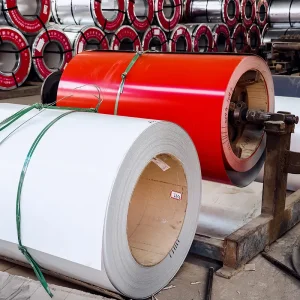
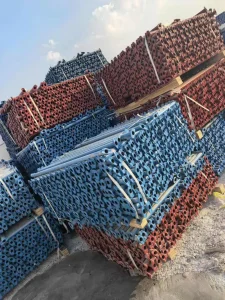
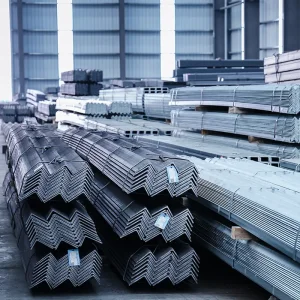
Explore our structural shapes, wire rods, and color-coated steel coils manufactured to international standards.
 Hanshen