Deploying robust, low-impedance busway systems is crucial for scaling energy delivery within data centers, smart grids, and intensive manufacturing plants.
In high-capacity power distribution systems, structural and electrical engineers face the constant challenge of optimizing space while maintaining strict safety standards. Standard electrical cable layouts often fall short due to their massive structural footprints, thermal dissipation problems, and high vulnerability to electromagnetic interference. Consequently, custom electrical bus duct installations have emerged as the standard alternative for modern commercial developments, industrial production plants, and critical infrastructure.
A sandwich busway system features insulated copper or aluminum conductors tightly enclosed within a metal housing. This design offers a compact footprint, superior short-circuit resistance, and excellent voltage regulation, making it ideal for moving high volumes of current. Hansheng Technology manufactures these customized components to ensure exact alignment with specialized structural requirements, reducing installation times and minimizing onsite wiring issues.
Worldwide energy consumption trends indicate a sharp increase in high-amperage applications. Smart production facilities, automotive gigafactories, and multi-megawatt data centers operate under strict continuous load profiles. Traditional copper cable configurations require multiple parallel runs to deliver high current loads, which complicates cable termination designs and increases installation costs. A modular busway system replaces this complex arrangement with a streamlined, prefabricated structure that is easy to scale as facility layout requirements change over time.
Direct-contact sandwich construction improves heat dissipation, maintaining lower operating temperatures under continuous loads.
Saves up to 60% of physical space compared to traditional cable tray layouts, allowing for thinner service shafts in tall buildings.
Rigid metallic enclosures shield conductors from mechanical impacts, moisture ingress, and electromagnetic interference.
Analyzing the difference between traditional cable systems and optimized sandwich busway installations across primary performance categories.
To design an efficient electrical distribution system, engineers must evaluate the trade-offs between cabling and sandwich-type busways. Below is a comparative look at how these systems handle common industrial challenges:
| Performance Indicator | Standard Cable Tray Installation | Sandwich Bus Duct Installation | Engineering Significance |
|---|---|---|---|
| Space Occupancy | High (Needs wide cable trays and clear separation) | Extremely Compact (Saves up to 60% space) | Allows for smaller electrical closets and lower ceiling clearances. |
| Voltage Drop Control | Moderate (Higher reactance in parallel runs) | Excellent (Low reactance due to close phase layout) | Protects sensitive electronic equipment from voltage fluctuations. |
| Tap-off Flexibility | Difficult (Requires cutting cables and adding junction boxes) | Simple (Plug-in outlets placed at regular intervals) | Enables fast changes to machinery layout on production floors. |
| Flame Propagation | High risk (Plastic outer jackets can spread fire) | Low risk (Non-ventilated metal enclosure blocks fires) | Eliminates the chimney effect in vertical building shafts. |
| Service Life | 15 to 25 Years (Subject to insulation dry-out) | 40+ Years (Robust structural build) | Extends the overall lifespan of industrial assets. |
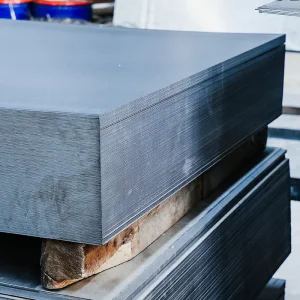
The performance of a custom busway relies on its core components. Hansheng Technology selects raw materials that meet strict industrial standards:
Leveraging Hebei’s robust steel ecosystem and strategic port access to deliver high-quality infrastructure components to global markets.
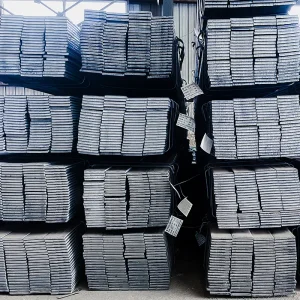
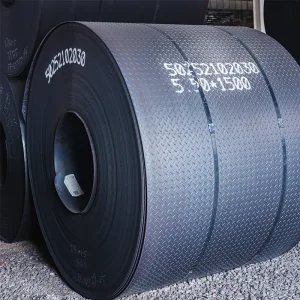
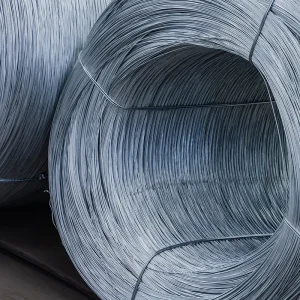
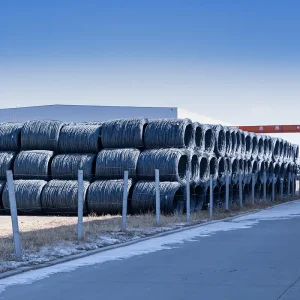
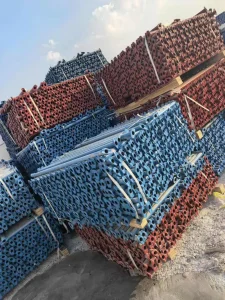
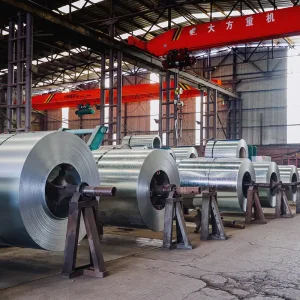
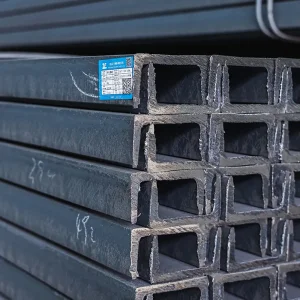
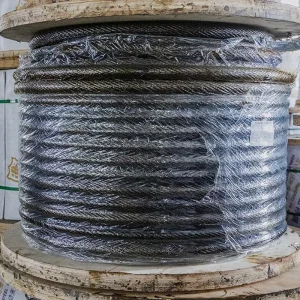
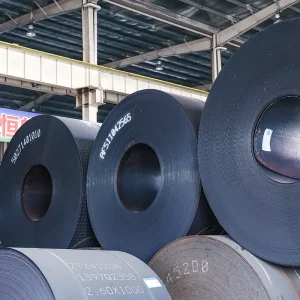
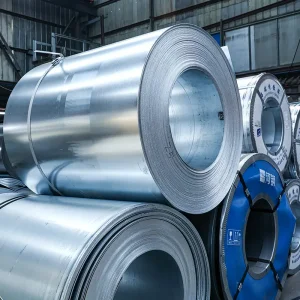
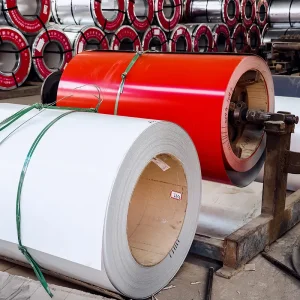
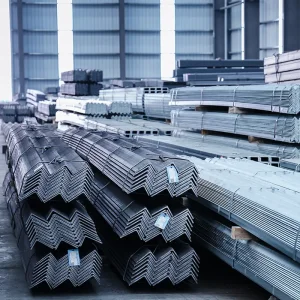
Based in Tangshan City, Hebei Province—the heart of China's steel industry—Hansheng Technology (Hebei) Co., Ltd. has grown since 2006 into a leading exporter of heavy-duty industrial components. Our production facility operates 8 high-capacity production lines with a total annual capacity of 300,000 metric tons. We process premium structural steels, specialized wire rods, and coated sheets to support global infrastructure development.
Our location, just 150 kilometers from both the Tianjin seaport and Beijing, allows us to coordinate logistics efficiently. We source raw materials locally and ship finished assemblies quickly to minimize transport times, keeping projects on schedule.
Tailoring power transmission designs to meet the operational demands of high-rise commercial structures and industrial facilities.
High-density computing racks require reliable, continuous power. Modular tap-off units on busway runs let operators reconfigure server rows and adjust power feeds without shutting down the system.
Vertical utility shafts have limited space. Compact sandwich bus ducts fit into tight chases, and fire-resistant barriers prevent the spread of smoke and heat between floors.
Factory floors run high-amperage machinery that generates significant vibration and dust. Sealed, IP-rated busways protect copper conductors from dust buildup and chemical corrosion.
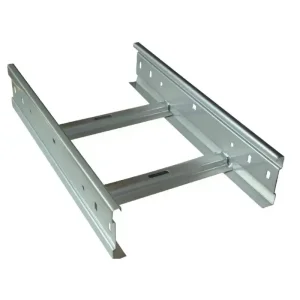
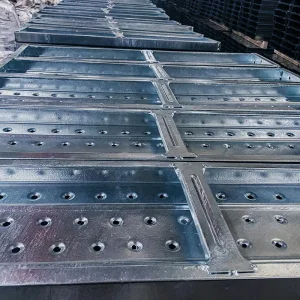
Every installation environment introduces specific challenges. For instance, data centers prioritize continuous uptime and modular scalability. Our busways support hot-swappable plug-in tap-off boxes, allowing technicians to add new server racks without cutting power to adjacent lines. In contrast, heavy industrial plants prioritize mechanical durability. To handle these conditions, we supply reinforced structural frames and support brackets built from hot-dip galvanized steel to absorb mechanical stresses and ground faults.
Integrating real-time sensor networks and diagnostic tools to move power distribution from reactive maintenance to predictive health management.
The electrical infrastructure industry is shifting away from static, unmonitored systems. Modern facilities require real-time data on operating conditions. The integration of Internet of Things (IoT) technologies is changing how industrial power grids are managed:
A structured guide for procurement managers and design engineers selecting customized electrical distribution components.
Purchasing custom bus duct installations requires careful coordination between design plans and factory capabilities. Below is our standard engineering process to ensure accurate manufacturing:
Determine system ampacity (ranging from 250A to 6300A), operational voltage, and short-circuit withstand ratings (kA) based on transformer data.
Create detailed 3D CAD or BIM models of the routing layout, identifying obstacles, expansion joints, wall penetrations, and outdoor runs.
Define the required IP rating, anti-condensation space heaters, special seismic support brackets, or fire-barrier modules for floor boundaries.
Once these inputs are confirmed, our engineering team generates fabrication drawings. This step ensures that custom angles, offsets, and tap-off positions fit the site layout exactly, avoiding field modifications and reducing installation delays.
Answers to common engineering questions regarding the design, installation, and maintenance of custom busway systems.
 Hanshen