Explore our specialized industrial steel materials manufactured under rigorous global standards.
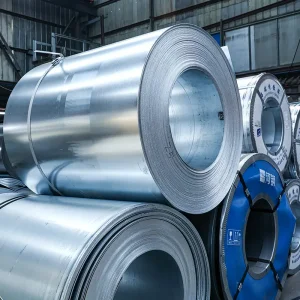
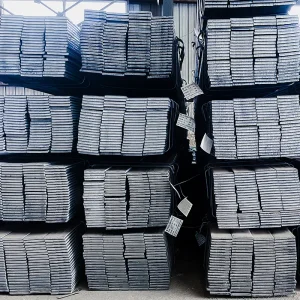
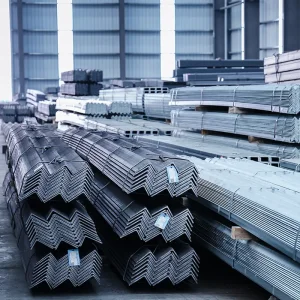
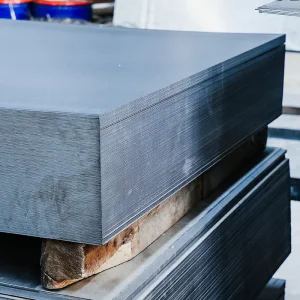
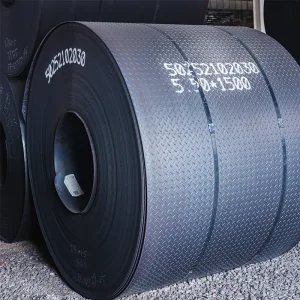
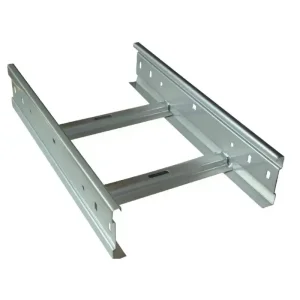
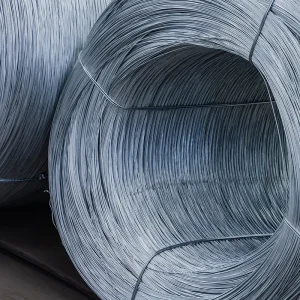
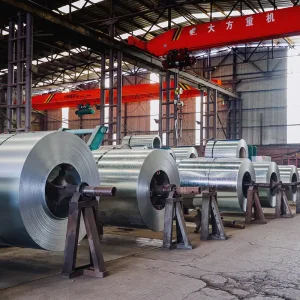
In the field of high-performance surface metallurgy, Zinc-Aluminum-Magnesium (ZAM) coated steel represents a paradigm shift. Unlike traditional hot-dip galvanized steel (GI) that relies entirely on a zinc barrier coating, or Galvalume (GL) which uses an aluminum-zinc matrix, ZAM coatings consist of a highly engineered ternary alloy structure. By integrating approximately 1.5% to 6% Aluminum and 1.5% to 4.5% Magnesium into the zinc bath, the resulting micro-crystalline structure exhibits properties far superior to binary alloy variants.
The addition of Magnesium plays a pivotal role in changing the corrosion pathway of the metallic layer. During atmospheric exposure, the presence of Magnesium promotes the formation of a highly dense, thermodynamic-stable, and chemically passive protective film, primarily composed of Simonkolleite [Zn5(OH)8Cl2·H2O] and Magnesium-bearing zinc hydroxides. This passive film covers the surface of the steel, slowing down oxygen diffusion and ionic transfer. More importantly, this structure possesses "self-healing" properties. At sheared edges, cut surfaces, or scratched zones where raw steel is exposed, the dissolved ions migrate to form a fine barrier, sealing the exposed carbon steel substrate against galvanic corrosion.
While ZAM coils demonstrate exceptional electrochemical protection, the raw metallic surface is highly sensitive to physical handling and environmental staining. This is where Fingerprint-Resistant (Anti-Fingerprint / AFP) technology becomes critical. The AFP layer is a nanometer-thin organic-inorganic hybrid polymer layer applied immediately after the hot-dip and skinpass processes. Key technical properties of this coating include:
Empowering Global Steel Demands Since 2006 from the Heart of China's Steel Manufacturing Sector.
Hansheng Technology (Hebei) Co., Ltd. is strategically situated in Tangshan City, Hebei Province—the absolute center of China’s steel manufacturing and metallurgy sector. Operating 8 high-speed continuous hot-dip coating and steel processing lines, we are capable of delivering up to 300,000 metric tons annually of high-grade coated steel coils. Our logistics layout provides a critical advantage: situated only 150 kilometers from Tianjin Seaport and 150 kilometers from Beijing, we guarantee fast freight forwarding and ocean shipping dispatch times, drastically reducing transit risks and carrying costs for international buyers.
Our commitment to rigorous quality control is demonstrated through our adherence to universal global industrial criteria, including GB, JIS, ASTM, DIN, EN, and AS/NZS, backed by ISO 9001:2000 and ISO 14001 certifications. Every production run undergoes preshipment verification, scratch evaluation, and coating thickness assessments using advanced X-ray fluorescence measurement instruments.
To understand the immense cost-efficiency and technical superiority of Fingerprint-Resistant ZAM Coils, it is important to analyze how they perform against conventional metallic coatings in extreme conditions. The table below represents standardized acceleration testing data compiled over decades of field research:
| Parameter / Property | Hot-Dip Galvanized (GI) | Galvalume (GL) | ZAM Coated Steel |
|---|---|---|---|
| Coating Alloy Base | Pure Zinc (99%+) | 55% Al, 43.4% Zn, 1.6% Si | Zn-Al-Mg Ternary Alloy |
| Sheared Edge Protection | Fair (sacrificial zinc) | Poor (susceptible to red rust) | Excellent (Self-healing mechanism) |
| Salt Spray Test Resistance | 240 - 480 hours | 800 - 1000 hours | 2000 - 3500+ hours |
| Alkaline Environment Performance | Poor | Extremely Poor | Outstanding (highly stable) |
| Hardness & Abrasion Resistance | Low (Hv 60 - 80) | Medium (Hv 100 - 120) | High (Hv 140 - 170) |
This table demonstrates that ZAM steel provides up to 3 to 5 times the corrosion resistance of traditional galvanized layers under identical coating thicknesses. This longevity directly allows engineers to specify thinner coatings (e.g., ZM120 instead of Z275) to achieve equivalent or superior life cycles, resulting in substantial material weight savings and reduced carbon footprint across the lifecycle of structural assemblies.
How Custom Fingerprint-Resistant ZAM Coils solve challenging engineering problems across various global environments.
Ground-mounted solar trackers and structures in high-salinity coastal areas demand components that survive for 25+ years without maintenance. ZAM's self-healing edges prevent corrosion from spreading at bolt holes and cut sections, even under constant salt-spray and high UV exposure.
Livestock containment facilities present severe corrosive conditions due to high ammonia levels, fecal matter, and humidity. Traditional galvanized steel degrades within years. ZAM coatings resist alkaline and acid environments, proving to be the optimal choice for structural frames, silos, and feeder systems.
Stamping inner structural panels, brackets, and window regulators requires high precision. The thin, hard fingerprint-resistant organic coating prevents surface scratches during forming and serves as a dry lubricant, reducing stamp tool wear and maintaining surface uniformity.
Outdoor AC condensers and indoor ventilation ducts are prone to humidity and surface staining. The Fingerprint-Resistant surface treatment prevents human oil marks during assembly and shipping, maintaining a clean aesthetic and extending operational lifespans under continuous moisture condensation.
As the steel industry moves toward carbon neutrality and tighter environmental regulations, the technology surrounding ZAM surface treatments is advancing rapidly. At Hansheng Technology, our R&D roadmap focuses on two core engineering shifts:
1. Fully Cr-Free Organic Coating Formulations: Traditional anti-fingerprint coatings relied on hexavalent chromium (Cr6+) compounds for their exceptional self-healing assistance. However, compliance with RoHS and REACH regulations requires transition to chromium-free alternatives. Our new-generation AFP layer uses organic-silane coupling agents and nano-phosphate compounds. This formulation matches the corrosion resistance of legacy chrome treatments while ensuring the steel is fully recyclable and environmentally friendly.
2. Micro-alloying Fine-Tuning: Our metallurgical laboratories are testing the addition of trace levels of elements like titanium (Ti) and nickel (Ni) to the Zn-Al-Mg melt. These additions refine the grain boundary structure, preventing cracking during heavy-duty stamping operations and enhancing performance in acidic environments.
Operating out of Tangshan, Hebei Province, gives Hansheng Technology a significant structural advantage. This region holds the world's densest concentration of iron ore processing, coke production, and primary steel plants. This localized clustering protects our production from external supply shocks, ensuring steady input supply even during global market shifts. Additionally, the proximity to the Tianjin deep-water port allows us to secure bulk cargo freight and vessel bookings under short lead times, guaranteeing predictable, on-time delivery across Asia, Europe, the Americas, and Africa.
We maintain long-term partnerships with leading steel production groups to ensure premium raw material feeds.




Our structural steel products delivered to demanding engineering projects worldwide.
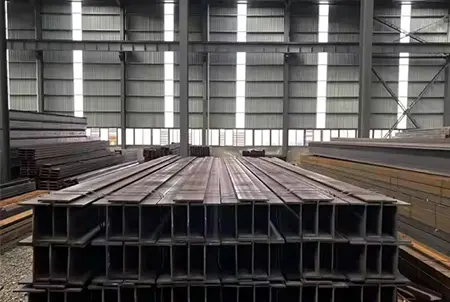
High-strength structural beams and framing profiles supplied for marine environment projects.
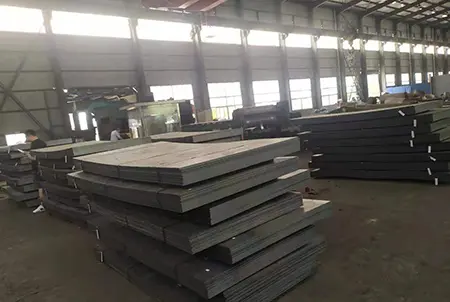
Heavy-duty structural plates designed to withstand dry, sandy, and highly abrasive desert landscapes.
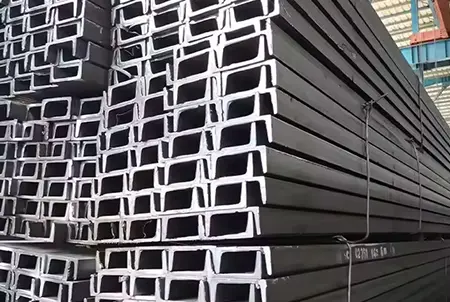
Precision-manufactured structural channels designed in compliance with JIS standards for urban developments.
Technical answers regarding product specifications, ordering protocols, and surface options.
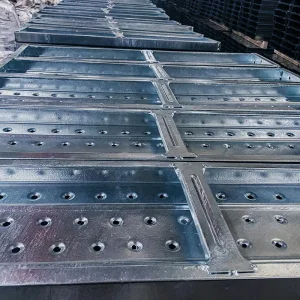
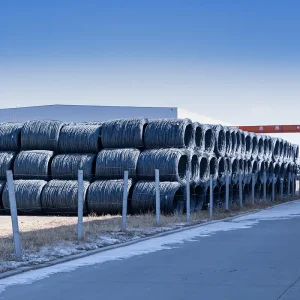
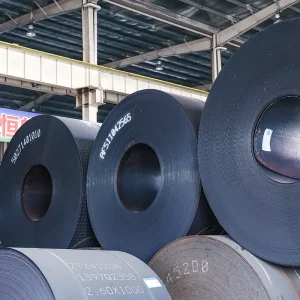
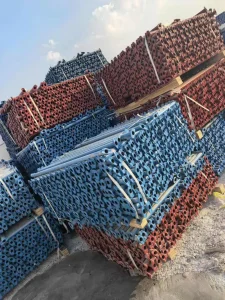
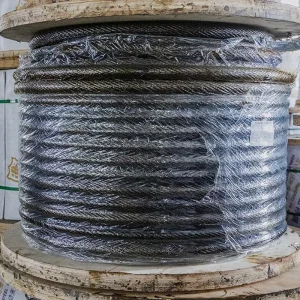
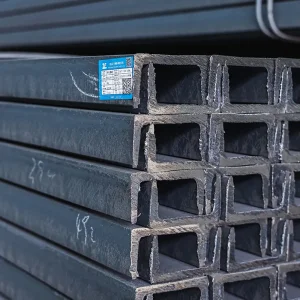
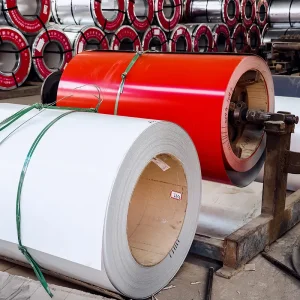
Select from our wider selection of specialized sections, precision wire, and color-coated steel products.
 Hanshen