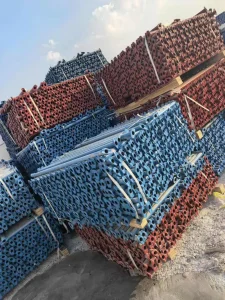
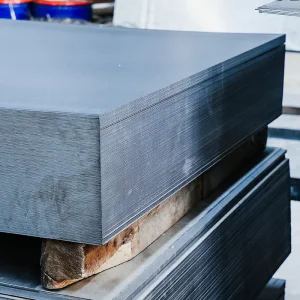
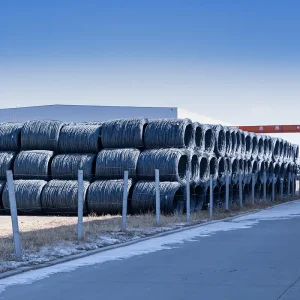
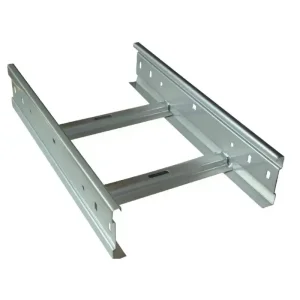
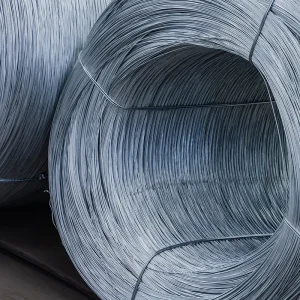
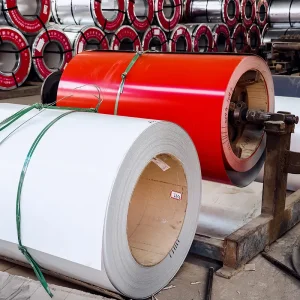
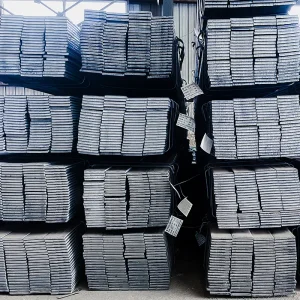
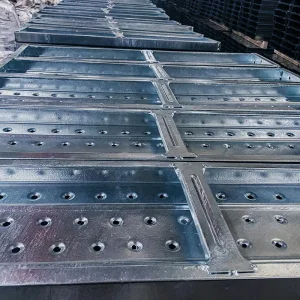
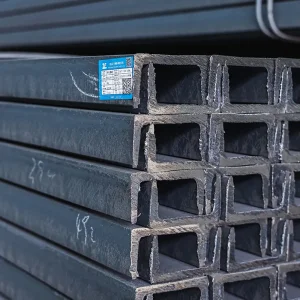
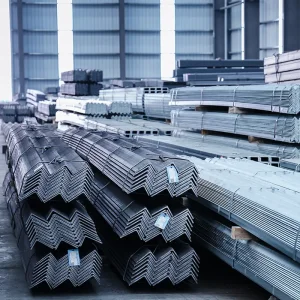
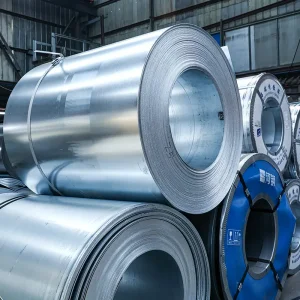
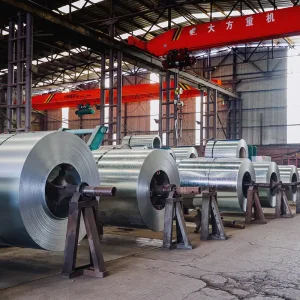
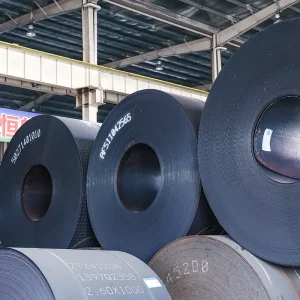
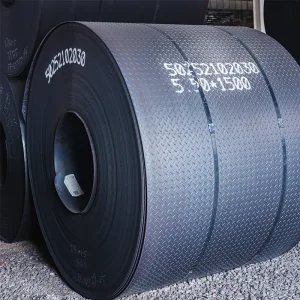
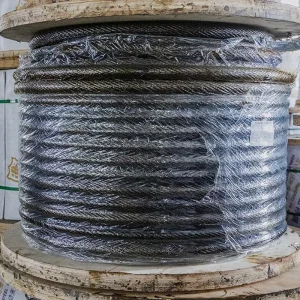
Explore our premium inventory of custom-manufactured steel products designed for high-stress applications, building safety, and industrial framing infrastructure.
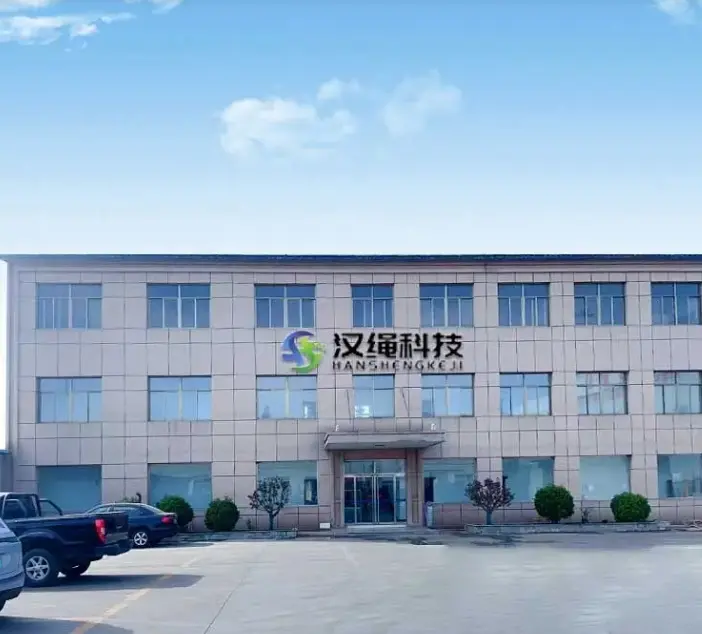
Hansheng Technology (Hebei) Co., Ltd. is strategically situated in Tangshan City, Hebei Province—the absolute heart of China's heavy industrial steel manufacturing sector. Benefiting from a prime geopolitical and logistical hub located just 150 kilometers from the Tianjin seaport and 150 kilometers from the capital city of Beijing, we ensure highly streamlined, cost-effective global maritime and overland shipping networks.
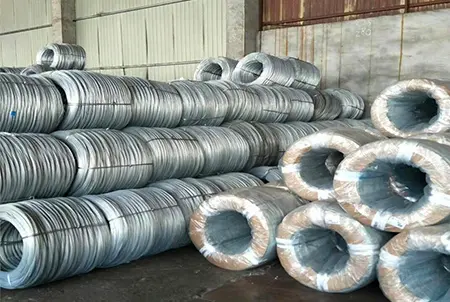
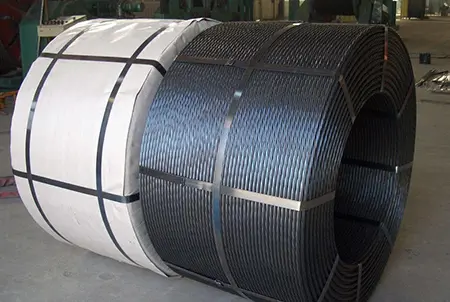
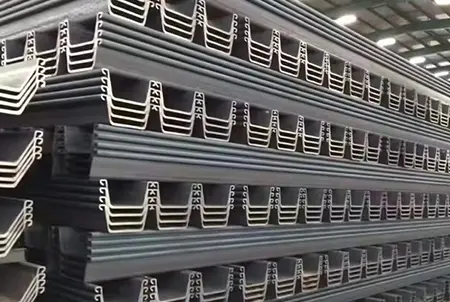
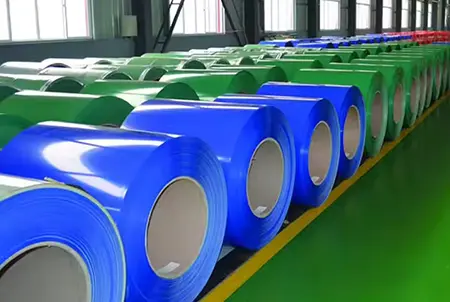
Since our establishment in 2006, our enterprise has scaled into a multi-million dollar export-oriented manufacturing leader specializing in structural flat bars, custom section steel, and high-tensile wire products. Our facility hosts 8 high-performance automated production lines ensuring an annual output capability of over 650,000 metric tons. Our expansive product portfolio integrates hot/cold rolled coils, galvanized steel wire, GI/PPGI, GL/PPGL, and specialized structural profile bars matching global quality standards including GB, JIS, ASTM, DIN, EN, and AS/NZS.
Understanding mechanical properties, chemistry, and structural tolerances to guarantee safety and load-bearing performance in high-stress engineering environments.
To ensure crack-free welding during high-speed structural assemblies, our flat steels are alloyed to maintain a low Carbon Equivalent Value (CEV ≤ 0.43%). This optimizing improves weldability without compromising the yield strength in grade S355JR and ASTM A36 variants, minimizing pre-heating parameters on-site.
Tested under rigorous UTM load protocols, our custom structural flat steel exhibits an ultimate tensile strength range of 400 to 630 MPa, combined with a minimum elongation threshold of 22%. This level of structural elasticity prevents brittle failures during wind loads, seismic events, and operational vibrations.
Leveraging advanced continuous laser-leveling units, we maintain width and thickness tolerances compliant with ASTM A6 / EN 10058. Thickness variances are restricted to ±0.2mm, preventing alignment deviations when flat bars are used as connection plates or structural stiffeners.
| Standard Specification | Common Steel Grades | Yield Strength (MPa Min) | Tensile Strength (MPa) | Max Carbon Equivalent (CEV) | Primary Industrial Applications |
|---|---|---|---|---|---|
| ASTM A36 / A36M | A36 Structural Steel | 250 MPa | 400 - 550 MPa | 0.40% | Structural framing, riveted/bolted gusset plates, general machining |
| EN 10025-2 | S275JR / S355JR | 275 / 355 MPa | 410 - 630 MPa | 0.43% - 0.45% | Heavy civil infrastructure, bridge structural members, offshore steelwork |
| JIS G3101 | SS400 / SS490 | 245 / 285 MPa | 400 - 610 MPa | 0.44% | Machine components, railway frames, warehouse racking brackets |
| AS/NZS 3678 | Grade 250 / Grade 350 | 250 / 350 MPa | 410 - 620 MPa | 0.43% | Commercial high-rises, heavy machinery baseplates, mining equipment structural parts |
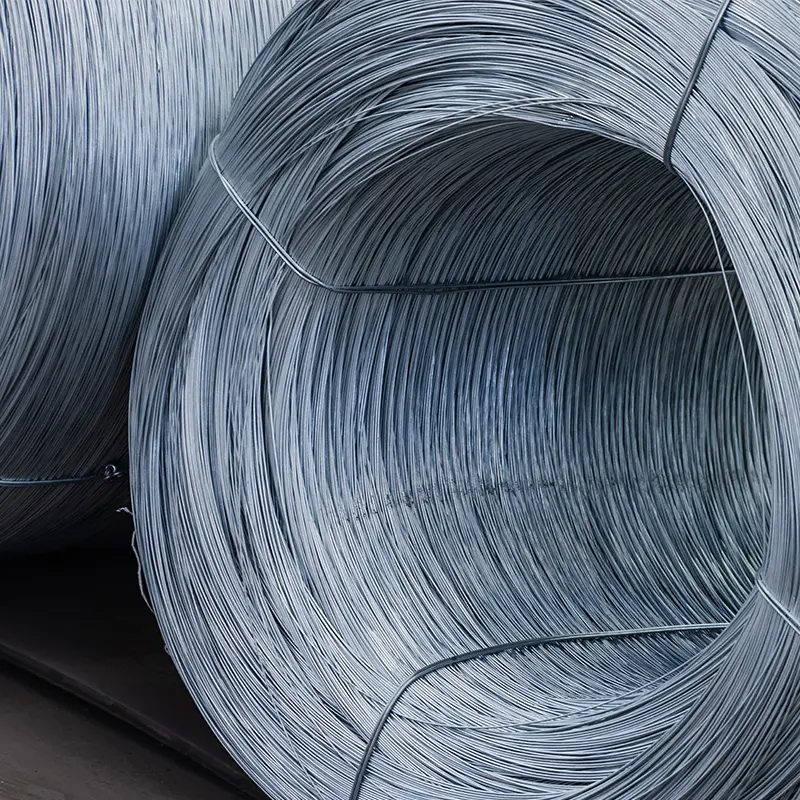
Tangshan produces more crude steel than many entire industrialized nations, establishing an unmatched cluster effect. This density yields a complete local ecosystem for our factory, spanning raw iron ore refining to advanced downstream processing of structural flat bars, section bars, and wire rods. This localized synergy removes logistics delays for billet supply, ensuring lower costs that are passed directly to our global customers.
Beyond basic raw materials, the cluster fosters access to specialized metallurgy teams, world-class testing labs, and high-efficiency machinery suppliers. At Hansheng Technology, our 8 production lines benefit from this ecosystem, enabling customized dimensional profiling (ranging from 12mm to 400mm width, and 2mm to 30mm thickness) with incredibly rapid production setup times. Our clients secure high-precision, structural-grade custom flat bars at direct-from-source prices.
Ensuring reliable transit times, moisture protection, and secure shipping from Tangshan to major international commercial hubs.
Located 150 km from Tianjin Port (North China’s premier deepwater shipping terminal), we offer daily containerized and bulk cargo departures. This reduces domestic inland freight transit to under 4 hours, lowering transport costs and preventing landside delay risks.
Structural flat steel is highly sensitive to marine rust during long voyages. Every bundle is wrapped in heavy-duty VCI (Volatile Corrosion Inhibitor) waterproof paper, secured with heavy steel straps, and fitted with custom lifting eyes to prevent mechanical damage during port crane handling.
We supply full traceability records for customs and international trade compliance, including Mill Test Certificates (MTC) matching EN 10204 3.1, Certificate of Origin documents, SGS/BV pre-shipment inspection certificates, and complete chemical and physical analysis profiles.
From heavy commercial high-rises to specialized engineering assemblies, our custom flat steel delivers structural performance where stability is non-negotiable.
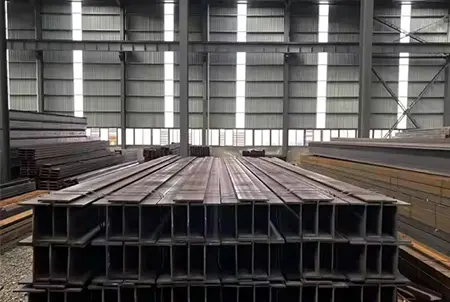
In modern steel warehouse construction, flat steel serves as critical web stiffeners, cross-bracing structural members, and connection flange plates. Our tight dimensional control guarantees seamless alignment with primary H-beams and columns, preventing on-site welding modifications and speed-up construction timelines.
Bridges require materials with high fatigue resistance and excellent low-temperature Charpy V-notch impact values. Our S355JR flat bars are engineered to resist cyclic loading, serving as main flange reinforcing plates and expansion joint bases across major road and rail infrastructure projects globally.
For chemical plants, offshore oil rigs, and coastal mining towers, we supply hot-dip galvanized flat steel matching ISO 1461 parameters. A minimum coating thickness of 85 microns provides over 50 years of maintenance-free service life, even in corrosive Class C5 marine environments.
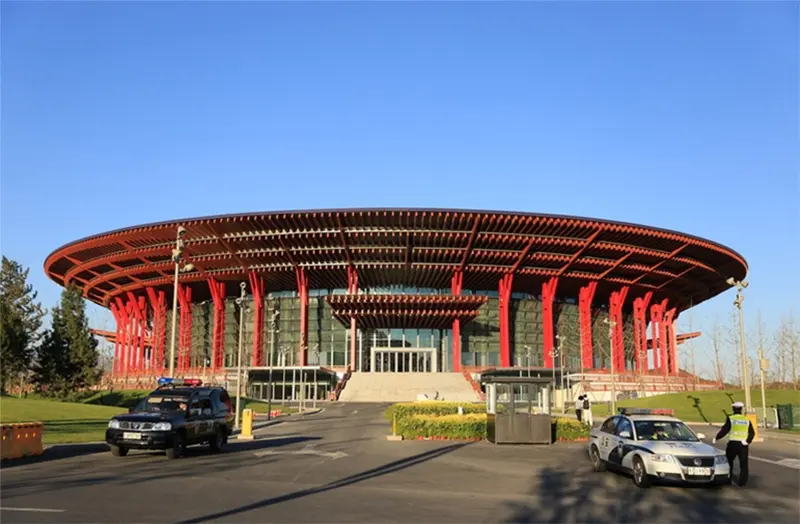
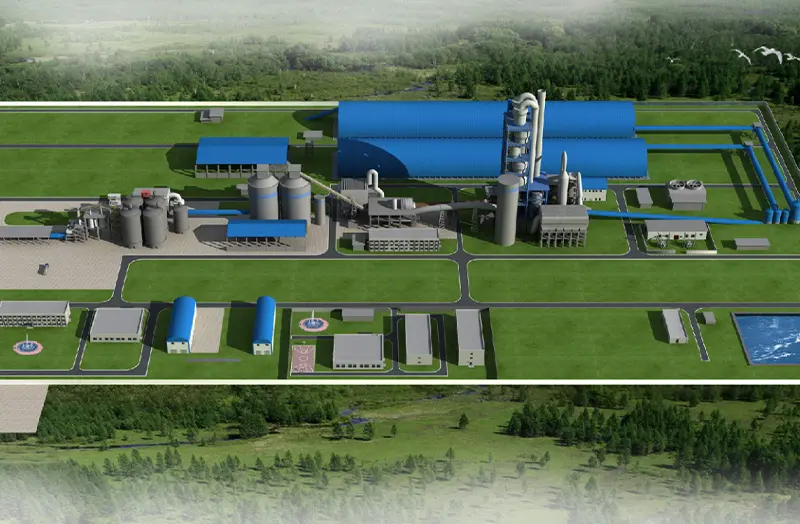
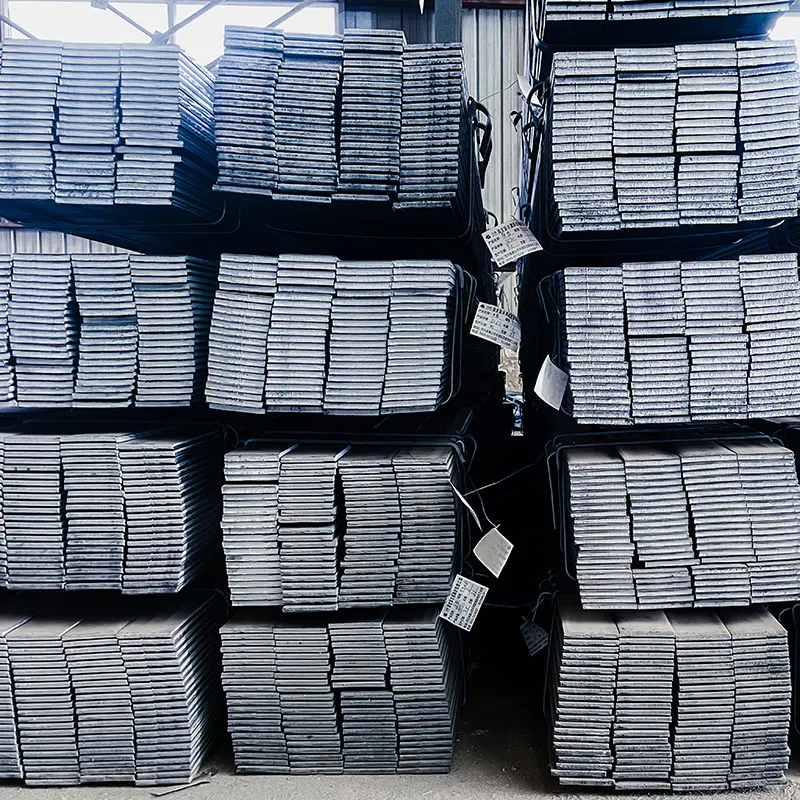
To qualify as an approved tier-one structural steel supplier for multinational EPC firms, a factory must demonstrate unwavering quality control. Hansheng Technology maintains an on-site, ISO 9001:2000 and ISO 14001 certified QA/QC department. Every manufacturing lot undergoes testing before dispatch, ensuring full compliance with our customers' technical specifications.
Our standard pre-shipment inspection (PSI) protocols cover: Ultrasonic Internal Defect Scanning to eliminate interior steel laminations, Spectrometric Chemistry Verification to guarantee correct carbon, manganese, and silicon limits, and Hardness and Charpy Impact Testing for low-temperature application security. We welcome third-party inspectors like SGS, Bureau Veritas, or Intertek to verify quality at our factory prior to container packing.
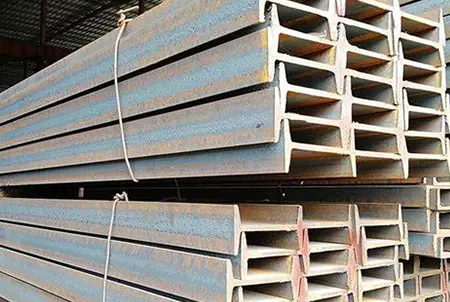
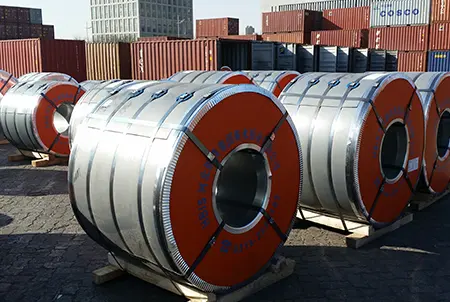
How technological innovations in green steelmaking, ZAM coatings, and high-strength alloys are transforming structural applications.
Traditional hot-dip galvanizing is increasingly being replaced by advanced ZAM coatings. Offering up to three times the corrosion resistance of standard zinc coatings, ZAM also provides self-healing protection on cut edges, making it ideal for solar tracking frames and agricultural infrastructure.
Modern hot-rolling mills utilize real-time thickness monitoring systems. This equipment automatically adjusts rolling forces to limit gauge variation to microscopic levels, helping downstream fabrication facilities optimize robotic welding setups.
With global focus on reducing scope-3 supply chain emissions, Hansheng Technology is adopting clean production processes. By utilizing electric arc furnace (EAF) options and scrap refining loops, we assist clients in meeting strict environmental requirements.
Expert technical answers to standard engineering questions concerning flat steel chemistry, thickness limits, and project sourcing.
Working closely with major domestic steel suppliers to ensure premium billet inputs and reliable supply chain security.

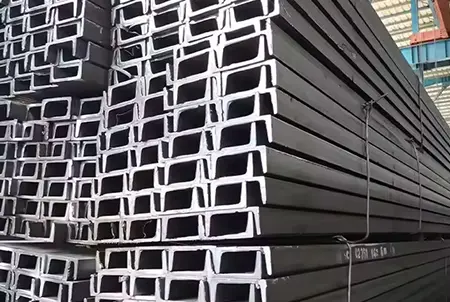
Explore our complete range of high-yield steel coils, channels, angles, and corrosion-resistant profiles.
 Hanshen