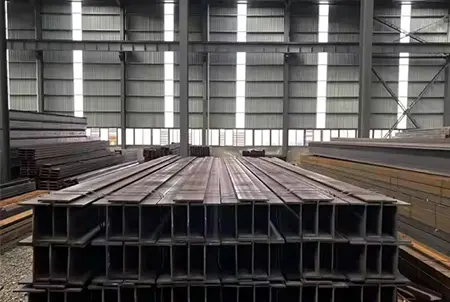
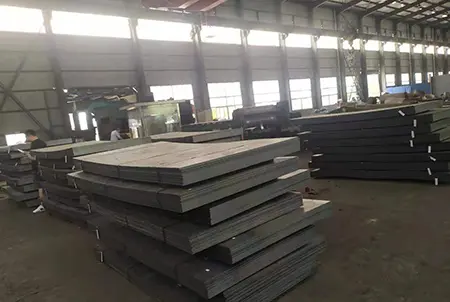
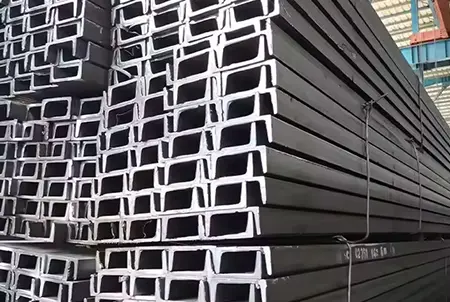
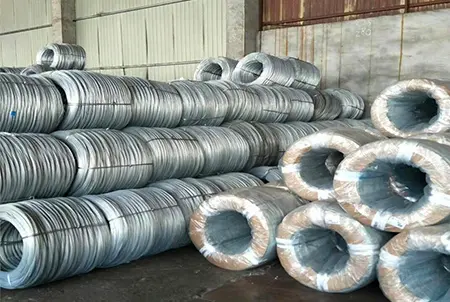
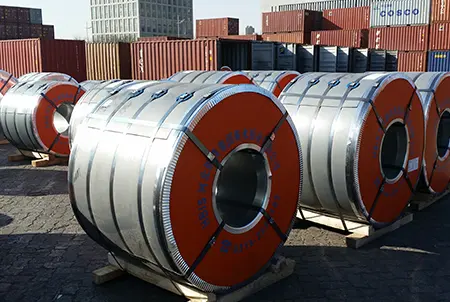
Explore our core manufacturing spectrum configured for global engineering specifications, offering long-term atmospheric durability and optimal load-bearing characteristics.

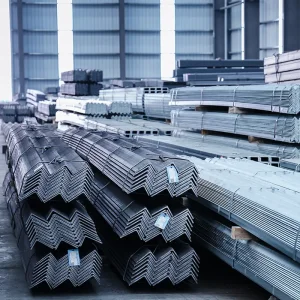
A comparative and structural exploration of mechanical resilience, corrosion kinetics, and metallurgical integrity.
In modern structural engineering, the selection of framing materials dictates not only initial safety parameters but the multi-decade lifecycle assessment of an entire installation. Galvanized Steel Angle Iron (also designated as L-shaped steel profiles) represents the foundational framework for heavy-duty architectures. The combination of structural carbon steel's mechanical load-bearing capacity with the sacrificial cathodic protection of a metallurgically bonded zinc coating delivers unmatched resilience. Under challenging environmental loads—seismic forces, extreme thermal cycling, wind shear, and chemical exposure—unprotected steel quickly degrades. Hot-dip galvanization (HDG) interrupts this oxidation pathway, maintaining the structural cross-section and mechanical profile of the load-carrying members.
Through advanced metallurgical hot-dipping processes, the outer surface of the angle iron undergoes a diffusion reaction. This chemical fusion produces distinct zinc-iron alloy layers—primarily the Gamma, Delta, and Zeta phases, capped by a pure zinc Eta phase. These intermetallic layers exhibit a hardness profile exceeding that of the base steel itself, ensuring high abrasion resistance during transport, rigging, and site assembly. This prevents micro-scratches and mechanical scaling, which are the main precursors to early crevice corrosion in standard painted or powder-coated structural alloys.
The zinc-iron alloy layer (Zeta phase) has a hardness of up to 250 DPN. This offers excellent wear protection compared to the underlying steel substrate (typically 150 DPN). The resulting protective shield withstands rough onsite handling and installation stresses without exposing raw steel.
Because zinc is more anodic than iron, it serves as a sacrificial anode. Even if the galvanized coating is scratched, exposing the underlying steel, the surrounding zinc sacrifices itself through galvanic action to protect the exposed area from rust.
All custom angles are hot-dip galvanized in strict compliance with ASTM A123, ISO 1461, and EN 10025 standards, guaranteeing a minimum coating thickness of 85 microns to survive severe atmospheric and industrial zones.
A legacy of manufacturing excellence built upon reliable infrastructure, certified processes, and geographic optimization.
Hansheng Technology (Hebei) Co., Ltd. is strategically situated in Tangshan City, Hebei Province—the heart of China's steel industry. With a prime location just 150 kilometers from the Tianjin seaport and 150 kilometers from the capital, Beijing, we benefit from an exceptional logistics network that ensures efficient global shipping. Since our inception in 2006, we have evolved into a comprehensive, export-oriented enterprise specializing in the manufacturing of premium-quality steel products.
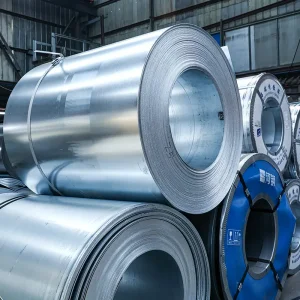
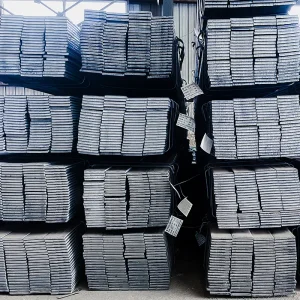
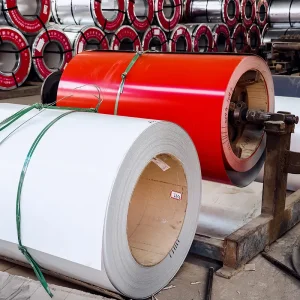
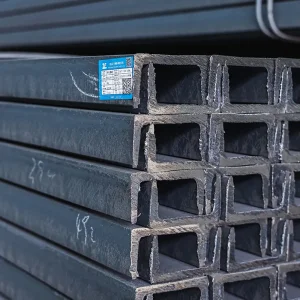
We operate 8 high-efficiency production lines with a total annual production capacity of 300,000 metric tons (with capabilities stretching to 650,000 tons in collaboration with regional hot-dip partners). Our extensive product portfolio includes Galvanized Steel Wire, Hot/Cold Rolled Steel Coils and Sheets, GI/PPGI, GL/PPGL, and various Section Steels, all meticulously manufactured to adhere to rigorous international standards such as GB, JIS, ASTM, DIN, EN, and AS/NZS.
Driven by a commitment to supply chain excellence, competitive pricing, and professional service, our products have earned unanimous recognition across markets in the Middle East, Southeast Asia, North Asia, Africa, the Americas, and Europe. We operate under the firm philosophy of "honoring contracts and keeping promises." We view our clients not just as customers, but as valued friends, and we pride ourselves on our impeccable track record of contract fulfillment. We believe that a strong, transparent bond between our company and our clients is the ultimate cornerstone of our enduring success.
Navigating the changing structural demands of the 21st century across modern industrial landscapes.
The global demand for Galvanized Steel Angle Iron is undergoing a rapid transition. No longer confined to basic residential or commercial framing, these optimized profiles are increasingly integrated into complex engineering projects that demand high resilience and minimal maintenance. One major driver is the global expansion of utility-scale solar installations. Solar tracker systems, photovoltaic ground mounts, and battery storage sub-structures rely heavily on structural angles to support heavy dynamic wind loads. The high atmospheric humidity and soil salinity in coastal solar installations make hot-dip galvanized steel the preferred material over aluminum due to its superior mechanical yield strength and cost performance.
In addition, the modernization of high-voltage transmission networks is driving the demand for custom steel profiles. Smart grids require structural transmission towers capable of supporting heavier conductor bundles over longer spans. These structures require equilateral and unequal angles manufactured from high-yield structural steels, such as ASTM A572 Grade 50 or Chinese Q355B, coupled with specialized hot-dip galvanizing protocols that prevent hydrogen embrittlement. Furthermore, the global shift toward modular construction methods—pre-engineered building (PEB) systems and containerized industrial enclosures—demands structural steel angles with tight dimensional tolerances (conforming to EN 10056-2 standards) to facilitate rapid onsite bolt assembly without drilling corrections.
Finally, urban seismic retrofitting and architectural façade framing are expanding the use of custom galvanized angles in high-density metropolitan areas. Architectural curtain walls, elevator shaft structures, and ventilation bracing systems are increasingly relying on custom-length unequal angles to optimize spatial usage while maintaining rigid structural integrity against lateral loads.
Used to build mechanical framing for tracker systems and fixed solar structures. The galvanization protects against corrosive soils and high humidity in rural and coastal solar farms.
Engineered to withstand heavy structural loads under harsh weather. Heavy-gauge galvanized angle irons prevent lattice failure over 50+ year service lifespans in remote regions.
Essential for pre-engineered frames, seismic bracing, and wall ties. Strict dimensional control ensures seamless integration on modern assembly lines.
How technological integration and geographical clusters establish unparalleled supply chain stability.
The modern steel market requires more than just high-quality production; it demands absolute supply chain resiliency. China's transition to Factory 4.0 principles has reshaped the manufacturing landscape, particularly in Tangshan—the epicentre of global steel production. At Hansheng Technology, this transformation is driven by automation, digital tracking, and integrated logistics optimization. Our 8 automated production lines are controlled by digital processing units that monitor rolling temperatures, dimensional tolerances, and cooling curves in real-time. By tracking these variables, we minimize structural deviations, ensuring that every batch of equilateral and unequal angles conforms strictly to international ASTM, JIS, and EN tolerances.
Furthermore, our geographic location provides an unmatched logistics advantage. Located within the Bohai Bay economic rim, our plant sits just 150 kilometers from the Tianjin seaport and 150 kilometers from Beijing. This proximity allows us to secure raw billet feeds, process them through high-precision rolling mills, and deliver the finished products directly to deep-water berths within hours. This integrated supply chain reduces transit times, protects materials from pre-shipment corrosion, and lowers domestic freight costs—savings that are passed directly to our global customers. In an era of unpredictable maritime freight rates and energy pricing, our long-term supply agreements with local raw material providers protect buyers from price volatility, ensuring reliable delivery schedules.
Every step of the manufacturing process—from billet heating to mechanical rolling—is digitally monitored to ensure uniform cross-sections and eliminate structural defects.
Tangshan's massive industrial concentration gives us direct access to high-grade coal, steel billets, and zinc smelting resources, ensuring uninterrupted production even during raw material shortages.
Our proximity to Tianjin Port enables fast customs clearance and direct loading onto major container lines. This speeds up delivery to key ports in the Americas, Europe, the Middle East, and Asia.
The operational principles that guide Hansheng Technology's continuous pursuit of manufacturing excellence.
Focusing on premium building materials to build a safer, more sustainable world. We engineer structural solutions that improve safety margins and extend the lifespan of global infrastructures.
To continue to lead the structural steel and construction materials industry by driving technological innovation, minimizing environmental impact, and expanding our global distribution network.
Trust, Confidence, and Reliability. Passion for engineering excellence. Absolute integrity in everything we do. Empowering our teams to deliver and adapt to changing market requirements.
Documented global project performance proving the field durability and logistical efficiency of our custom steel materials.
A supplier's true capability is proven through field-tested installations. Since our establishment in 2006, Hansheng Technology has consistently delivered specialized steel products to some of the world's most demanding engineering projects. Our structural products and galvanized wires have successfully performed in diverse environments, from dry desert heat in the Middle East to corrosive coastal zones in Southeast Asia and sub-zero temperatures in Canada. These real-world applications demonstrate the long-term reliability and dimensional consistency of our steel profiles.
In 2013, our structural steel materials were selected for the prestigious Beijing Yanxihu Convention and Exhibition Center project. The architectural design required tight dimensional tolerances to support complex structural profiles and glass curtain walls. In 2014, we supplied heavy-gauge structural profiles and support framing for the South Africa Mamba Cement Co., Ltd. Clinker Production Line, where the materials successfully withstood high ambient abrasive dust and load requirements. In 2020, our custom building frameworks were shipped to Canada for a modern villa project, demonstrating our ability to meet strict building codes in North America.
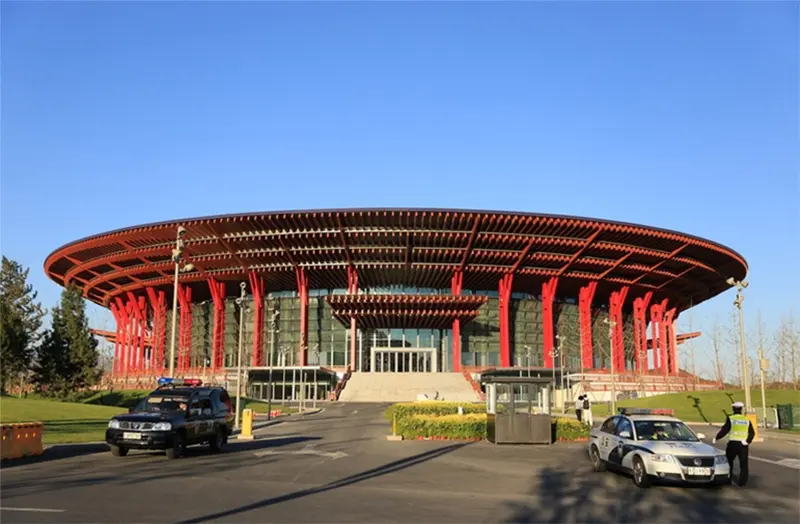
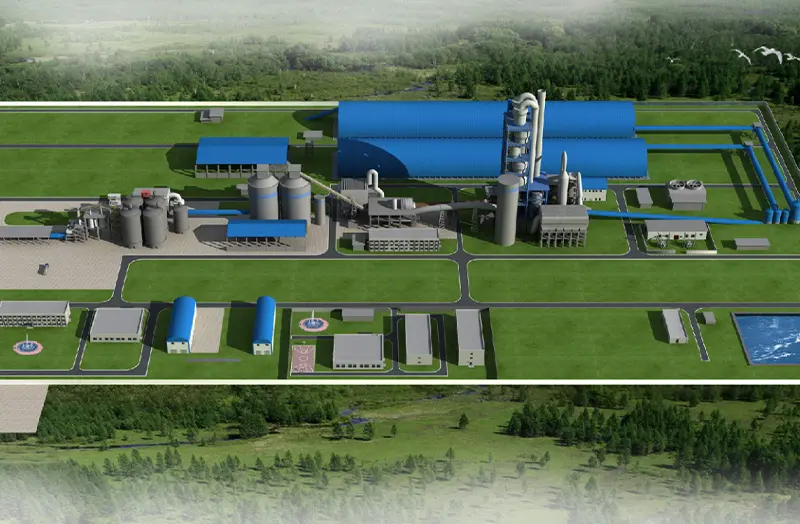
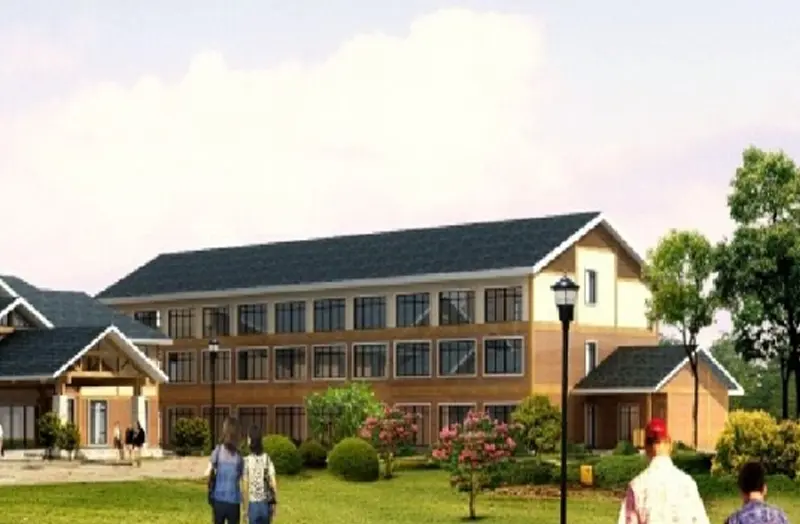
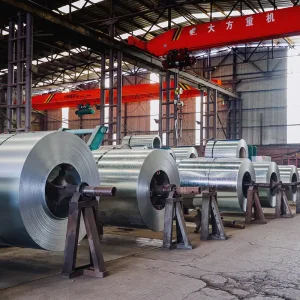
Inside Hansheng Technology's advanced manufacturing and rolling facilities in Tangshan, Hebei.
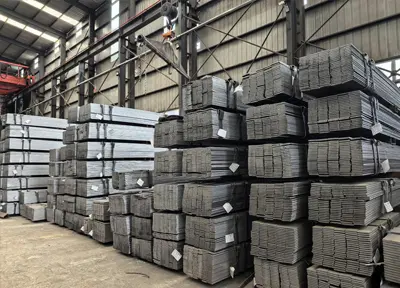
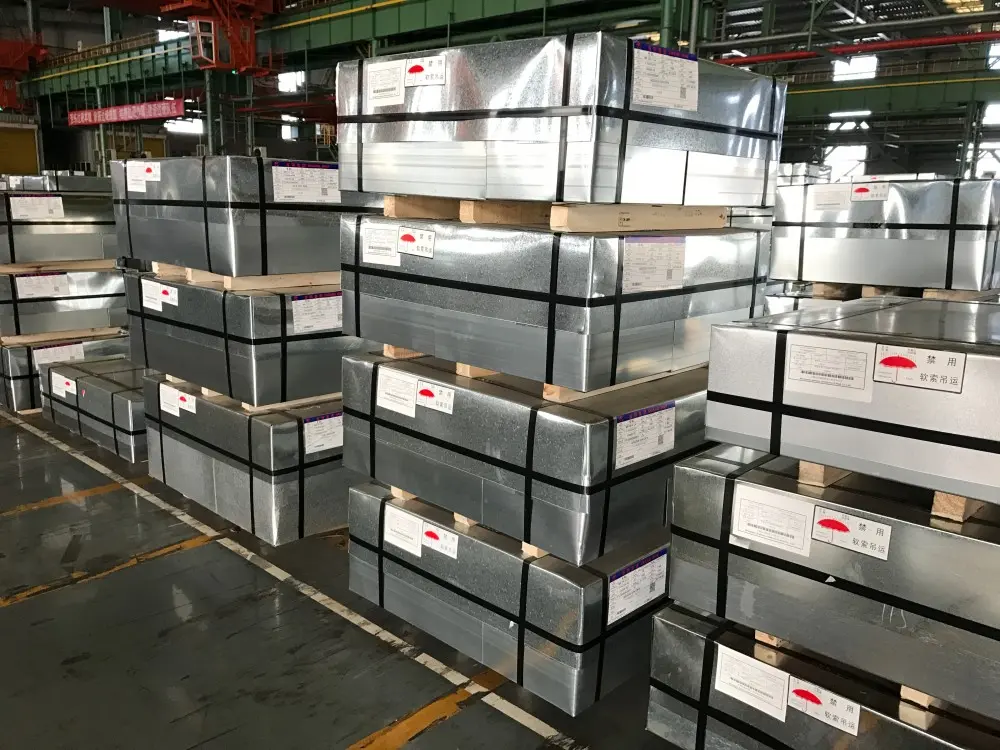
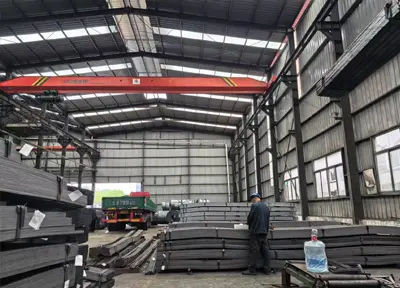
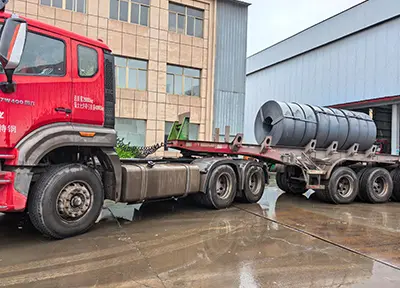
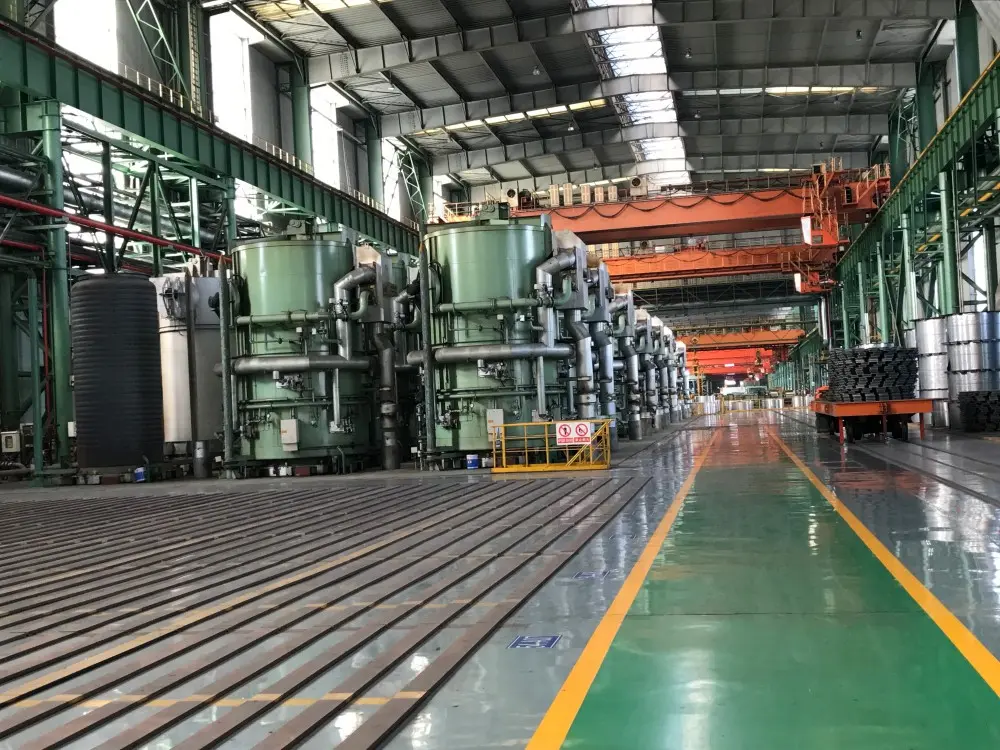
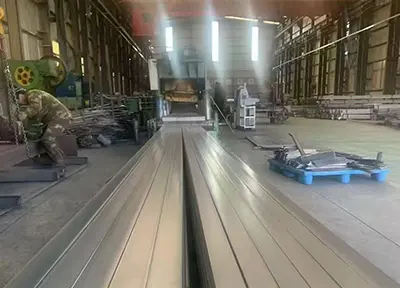
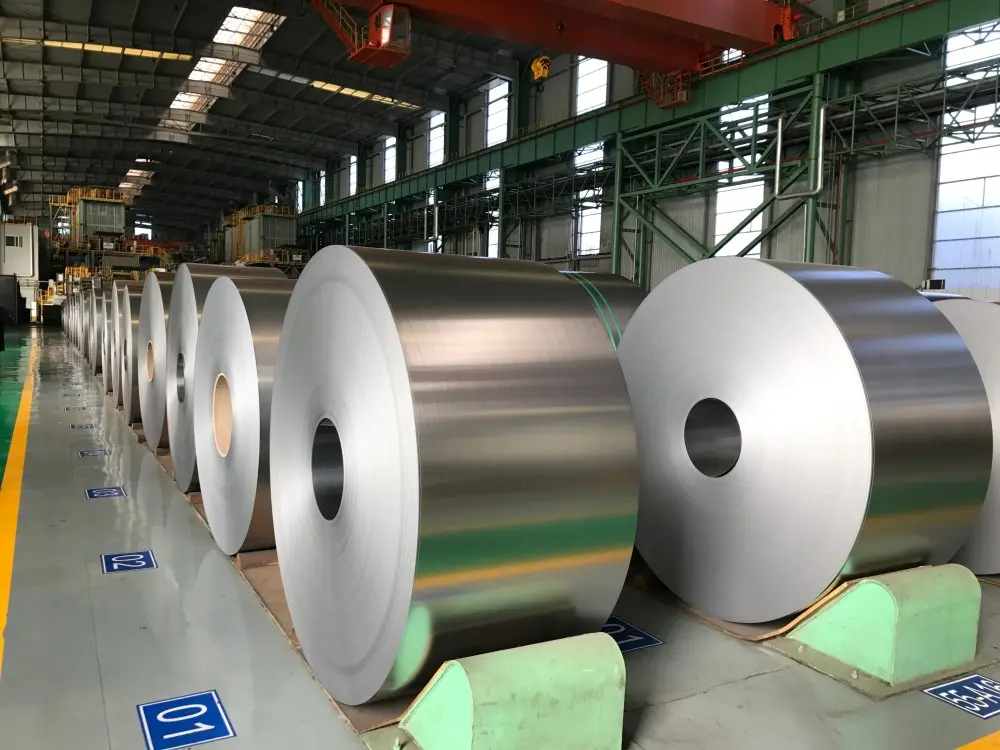
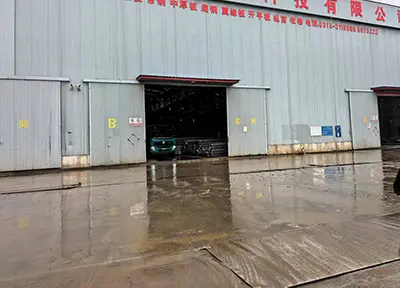
We partner with leading raw material suppliers and steel groups to ensure consistent product supply and stable pricing.

Direct technical responses to common engineering, metallurgical, and procurement questions from structural steel buyers.
Equilateral angle iron (also called equal angle) features two legs of equal length forming a 90-degree L-shape. It is the industry standard for general framing, structural bracing, and symmetrical load paths. Unequal angle iron has legs of different lengths (e.g., 100mm x 75mm). It is engineered for asymmetrical load distribution, such as lintels, edge framing, or mechanical supports where vertical and horizontal force paths differ. Both profiles are hot-dip galvanized using the same metallurgical processes to ensure uniform corrosion resistance.
The silicon and phosphorus levels in the steel substrate control the reactivity of the iron during the zinc dipping process, commonly described by the Sandelin Curve. If the silicon content is between 0.03% and 0.12%, or above 0.25%, the steel becomes highly reactive. This leads to rapid growing of the zinc-iron alloy layer, resulting in a thick, dull gray, brittle coating instead of a bright finish. Hansheng Technology performs strict incoming billet inspections to control these trace elements, ensuring stable coating thickness, strong adhesion, and compliance with ASTM A385 standards.
Yes, hot-dip galvanized steel can be welded on site, but it requires specific procedures to maintain structural integrity and worker safety. The zinc coating near the weld zone (typically 25-50mm on either side) must be removed using mechanical grinding before welding. This prevents zinc entrapment in the weld pool, which causes cracking and porosity. During welding, operators must wear respirators to protect against zinc oxide fumes. After welding, the exposed area must be restored using a zinc-rich paint conforming to ASTM A780 to prevent early rusting of the weld seam.
The service life depends on the zinc coating thickness and the local environmental corrosivity. For a standard 85-micron coating (complying with ASTM A123):
• C3 environments (urban and industrial atmospheres, moderate salinity): The average zinc corrosion rate is 0.7 to 2.1 microns per year. This yields an estimated maintenance-free service life of 40 to 120 years.
• C4 environments (coastal areas, chemical plants, high humidity): The average corrosion rate is 2.1 to 4.2 microns per year, providing a service life of 20 to 40 years before first maintenance.
Our quality management system is certified to ISO 9001 and ISO 14001 standards. We perform rigorous quality checks at three stages:
1. Raw Material Verification: Testing chemical composition, yield strength, and surface quality of incoming billets.
2. In-Process Monitoring: Continuous laser measurement of dimensions and visual checks during rolling and cooling.
3. Pre-Shipment Inspection: Measuring zinc coating thickness with magnetic gauges, testing weld tensile strength, and verifying packaging integrity. A Mill Test Certificate (MTC) is provided with every shipment to ensure traceabilty.
As the largest steel production base in China, Tangshan offers a complete industrial ecosystem. Our plant is located 150km from Tianjin Port, one of North China's largest deep-water ports. This proximity reduces inland transportation costs and delivery times. Additionally, the high volume of shipments from this region gives us access to competitive ocean freight rates and regular shipping schedules. This ensures timely delivery to global markets, including the Americas, Europe, the Middle East, and Asia.
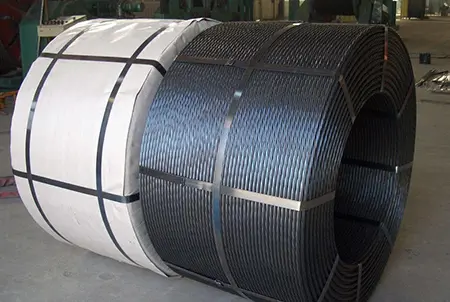
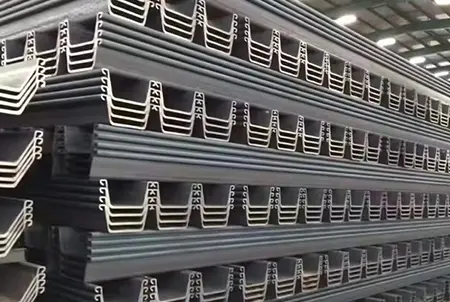
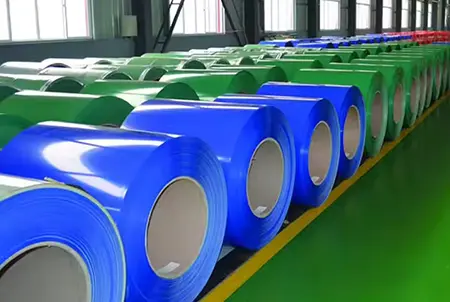
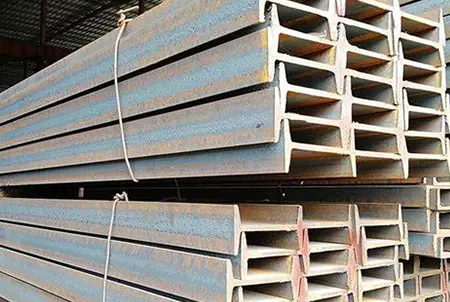
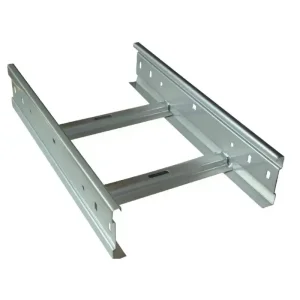
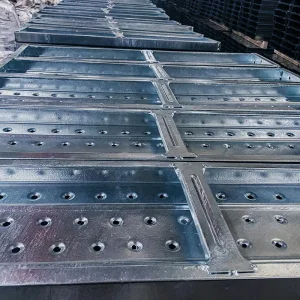
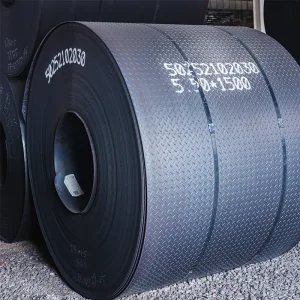
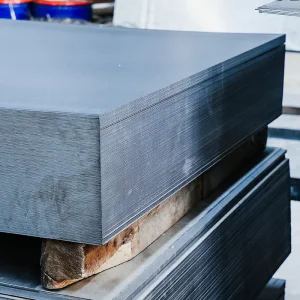
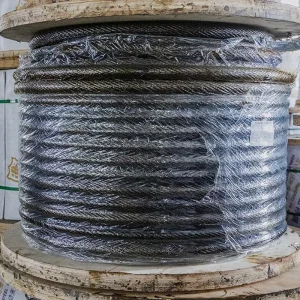
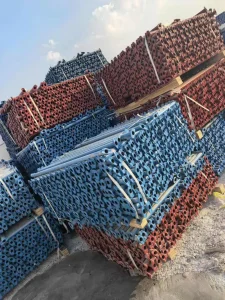
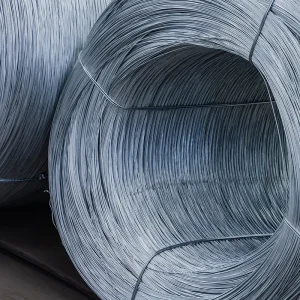
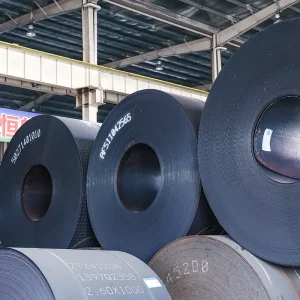
Our wider product line supporting civil infrastructure, roofing, heavy equipment, and cable containment installations worldwide.
 Hanshen