Explore our foundational range of premium carbon steel, galvanized coil variants, and precision structural sections manufactured under certified global mill standards.
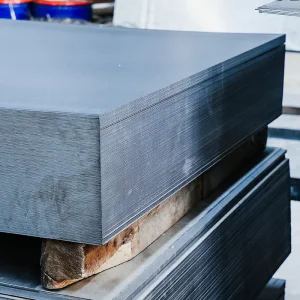
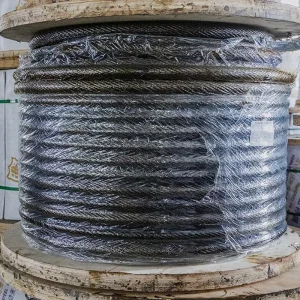
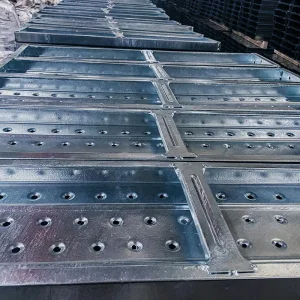
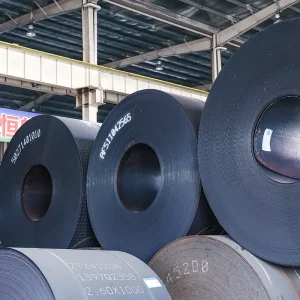
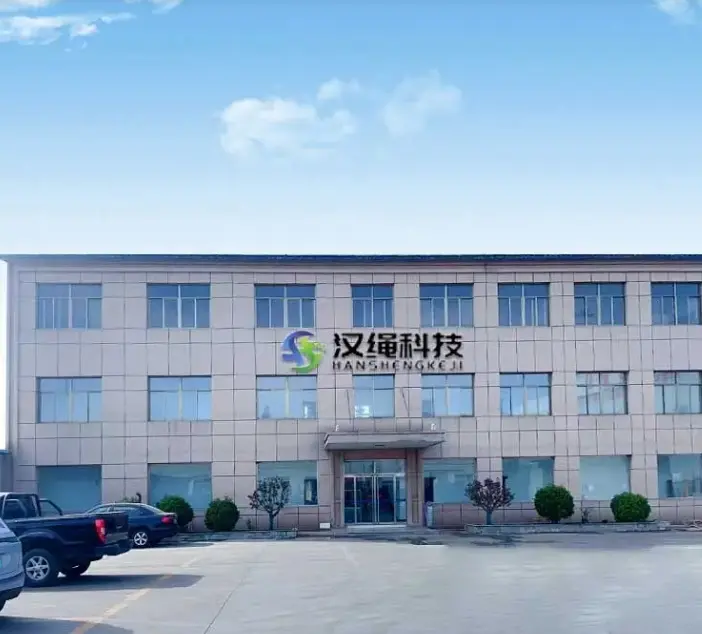
Hansheng Technology (Hebei) Co., Ltd. is strategically situated in Tangshan City, Hebei Province—the historical heart and modern powerhouse of China's heavy steel industry. Our prime geographic location is a critical asset, positioned just 150 kilometers from the Tianjin seaport and 150 kilometers from the capital, Beijing. This grants us an exceptional logistics network, ensuring efficient, rapid, and cost-effective shipping lanes to global ports and industrial hubs. Established in 2006, our enterprise has evolved over nearly two decades into a highly sophisticated, export-oriented industrial manufacturer specializing in premium-quality structural and coated steel goods.
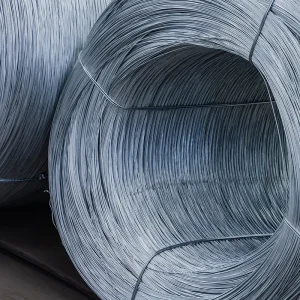
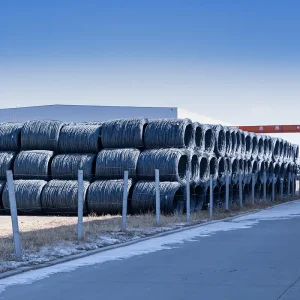
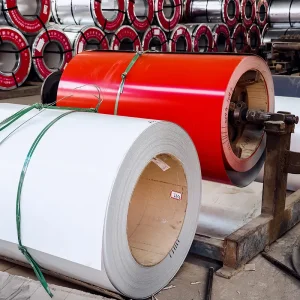
Today, we operate 8 state-of-the-art, high-efficiency production lines with a robust annual capacity ranging up to 650,000 metric tons. Our comprehensive product portfolio spans from Hot-Dip Galvanized Steel Wire to Cold Rolled Steel Sheets, Weather-Resistant Prepainted Coils (PPGI/PPGL), and high-durability Structural Section Steels. Every product is meticulously manufactured to adhere to international standards such as GB, JIS, ASTM, DIN, EN, and AS/NZS. Backed by rigorous quality control and a firm philosophy of "honoring contracts and keeping promises," we have earned unanimous recognition across markets in the Americas, Europe, the Middle East, Southeast Asia, and Africa.
Understanding the micro-mechanics of slip resistance and global trade distributions for floor plate alloys.
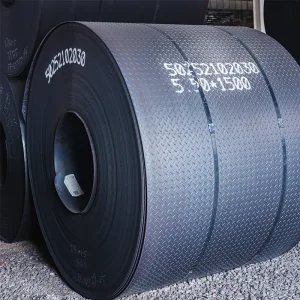
In modern industrial design, public infrastructure, and heavy commercial engineering, Galvanized Steel Diamond Plate (popularly referred to as check plate, tread plate, or Durbar floor plate) represents a crucial component. The raised diamond pattern, hot-rolled or stamped directly onto the surface, provides multidirectional slip resistance. This makes it an indispensable safety material under demanding mechanical stress and wet, greasy, or offshore environmental exposures. Galvanized steel's protective zinc coating shields the substrate from severe atmospheric corrosion, ensuring structural longevity that raw steel cannot match.
The global market for galvanized diamond plates has witnessed a surge in demand, driven by strict workplace safety mandates (such as OSHA guidelines in the United States and EU occupational health regulations). From heavy-duty stair treads in offshore oil rigs to tailgates on commercial freight fleets, this material is vital. As developing economies accelerate infrastructure projects, municipal construction relies heavily on diamond plates for trench covers, pedestrian walkways, and subway ventilation grates. Meanwhile, advanced economies are retrofitting aging logistics facilities and maritime docks, creating steady demand for premium galvanized plates.
Information Gain Insight: The efficacy of a galvanized diamond plate relies on its coating mass and pattern profile. Our custom sheets feature a controlled spangle structure and zinc coating weights (Z100 to Z275) optimized to prevent early delamination under continuous rolling wheel loads.
Looking ahead, the market is shifting toward lighter, high-strength steel substrates. By reducing the thickness of the base metal while increasing its yield strength, engineers can achieve equivalent load-bearing performance with lower overall structural weights. This is particularly valuable in the transportation sector, where weight reduction directly improves fuel efficiency and payload capacities.
The hot-dip galvanized coating forms an impermeable zinc-iron alloy barrier, self-healing under micro-abrasions and preventing red rust formation in marine settings.
Precisely engineered 1-bar, 2-bar, or 5-bar diamond pattern structures maximize friction under dry, oily, or wet surface states, mitigating fall hazards.
Optimized low-carbon base steel enables seamless custom bending, stamping, and welding, preventing fracturing during cold fabrication.
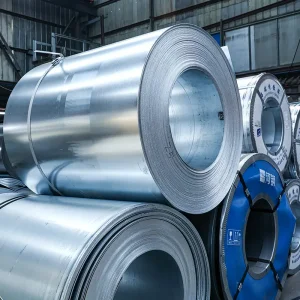
A closer look at how standard steel coils transition into highly resilient, anti-slip industrial floor plates.
The durability of a galvanized diamond plate depends on the metallurgical bond between the zinc coating and the carbon steel core. This bond is achieved through the hot-dip galvanizing process, where the steel is cleaned, fluxed, and immersed in a molten zinc bath at approximately 450°C (842°F). During immersion, a series of iron-zinc alloy layers are formed via diffusion, creating an outer layer of pure zinc (the Eta phase) resting on harder zinc-iron intermetallic phases (Zeta, Delta, and Gamma phases).
This alloyed structure offers unique mechanical properties. While the outer pure zinc layer provides impact resistance and ductility, the inner intermetallic layers are harder than the base steel itself, offering excellent abrasion resistance. When specifying custom galvanized diamond plates, understanding this metallurgical structure is key to predicting product lifespan in harsh environments.
| Standard Specification | Common Steel Grades | Min Zinc Coating Weight (g/m²) | Yield Strength Range (MPa) | Recommended Industrial Applications |
|---|---|---|---|---|
| ASTM A786 / A123 | A36 / Grade 50 | 610 (Z600 equivalent) | 250 - 345 | Heavy industrial ramps, commercial vehicle decks, maritime docks |
| EN 10025-2 / EN 10051 | S235JR / S355JR | 275 (Z275 equivalent) | 235 - 355 | Stair treads, urban infrastructure drainage, power plant catwalks |
| JIS G3101 / G3302 | SS400 / SGCC | 180 (Z180 equivalent) | 245 - 400 | Light machinery casing, warehouse storage decks, architectural facades |
| AS/NZS 3678 / 4680 | Grade 250 / 350 | 600 (Heavy Industrial) | 250 - 350 | Mining operations, marine harbor structures, railway crossing plates |
Choosing the right specification requires balancing the mechanical demands of the application with the corrosion risks of the environment. For instance, marine platforms exposed to constant salt spray require heavier zinc coatings, such as those meeting ASTM A123 or AS/NZS 4680 standards, to ensure long-term durability without frequent maintenance.
Tailored sizing, pattern orientation, and structural integration solutions for custom industrial projects.
Every industrial project has unique requirements. A standard off-the-shelf plate may fail to meet specific structural or environmental demands. That's why custom manufacturing is crucial. As a direct manufacturer, Hansheng Technology can tailor various parameters of your diamond plate:
The shape, height, and spacing of the diamond pattern can be adjusted to balance slip resistance, cleanability, and structural aesthetics. A 5-bar pattern, for example, offers excellent multidirectional traction for high-traffic pedestrian zones, while a classic 1-bar diamond pattern is easier to clean in food processing facilities.
We select base steel grades and adjust zinc coating weights to match the mechanical and chemical demands of your environment. For coastal infrastructure, we apply heavy galvanized coatings (over 600 g/m²) to withstand saltwater exposure. For structural applications, we utilize high-strength, low-alloy (HSLA) steel substrates to reduce overall weight while maintaining load capacity.
Our custom shearing, laser cutting, and press-braking capabilities deliver ready-to-install parts, minimizing on-site modifications and waste. We can supply pre-drilled plates with custom bend radii, precision corner cuts, and specific fastening holes, streamlining the installation process.
Our engineering team reviews your drawings to optimize pattern layout, thickness tolerances, and structural integrity, ensuring compliance with local building and safety codes.
High-quality steel slabs are hot-rolled to achieve the base thickness, with the diamond pattern raised onto the surface using precision pattern rolls.
The patterned plate is immersed in a high-purity molten zinc bath, forming the protective iron-zinc alloy layers essential for long-term corrosion resistance.
Every batch undergoes non-destructive ultrasonic testing, coating thickness measurements, and bend testing to verify adherence to international standards.
Next-generation anti-corrosive coatings, structural weight reduction, and eco-friendly manufacturing.
The steel industry is evolving toward sustainability and higher performance. For galvanized diamond plates, this means adopting advanced coatings and processes that extend service life while minimizing environmental impact.
One key development is the use of Zinc-Aluminum-Magnesium (ZAM) alloy coatings. ZAM coatings offer up to three times the corrosion resistance of traditional pure zinc coatings in coastal and industrial environments. This superior performance is due to the formation of a dense, stable protective film of zinc carbonate and magnesium hydroxide, which seals cut edges and scratches. By choosing ZAM-coated diamond plates, projects can achieve longer lifespans with thinner coating weights, reducing resource consumption.
In addition, manufacturers are implementing eco-friendly practices in the galvanizing process. This includes using energy-efficient heating systems for the zinc bath, recycling waste heat, and filtering air emissions to reduce greenhouse gas emissions. Closed-loop water recycling systems also help minimize water usage and chemical discharge, making the production process more sustainable.
Expert answers to common engineering, installation, and procurement questions for galvanized diamond plates.
Hot-dip galvanizing involves immersing the steel in a molten zinc bath, resulting in a thick, durable layer of zinc-iron alloys that is ideal for outdoor and industrial environments. Electro-galvanizing applies a thin, uniform zinc layer via electroplating, offering a smoother surface suitable for indoor applications where high corrosion resistance is not required.
The raised diamond pattern does not significantly alter the overall load-bearing capacity of the plate, which is primarily determined by the thickness of the base metal. However, the pattern can affect local stiffness and bending resistance depending on its orientation relative to the span direction.
Welding galvanized steel is possible but requires removing the zinc coating near the weld zone to prevent porosity and zinc embrittlement. Proper ventilation is also essential to protect welders from zinc fumes. After welding, the exposed area must be repaired with a zinc-rich paint or compound to restore corrosion protection.
The choice of coating weight depends on the atmospheric conditions of the installation site. For mild, dry indoor environments, a standard Z120 or Z180 coating is often sufficient. For humid or industrial settings, a Z275 coating is recommended, while marine and coastal environments require Z600 or equivalent protection to ensure long-term durability.
Discover how Hansheng Technology products support critical construction and logistics projects worldwide.
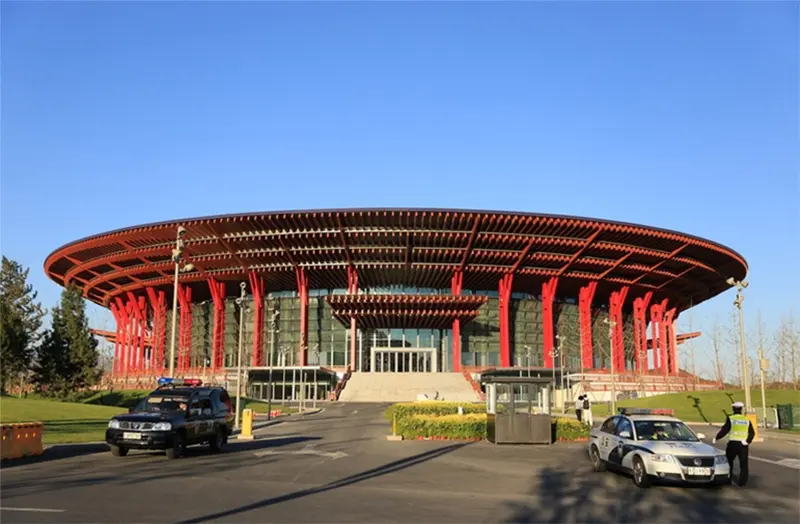
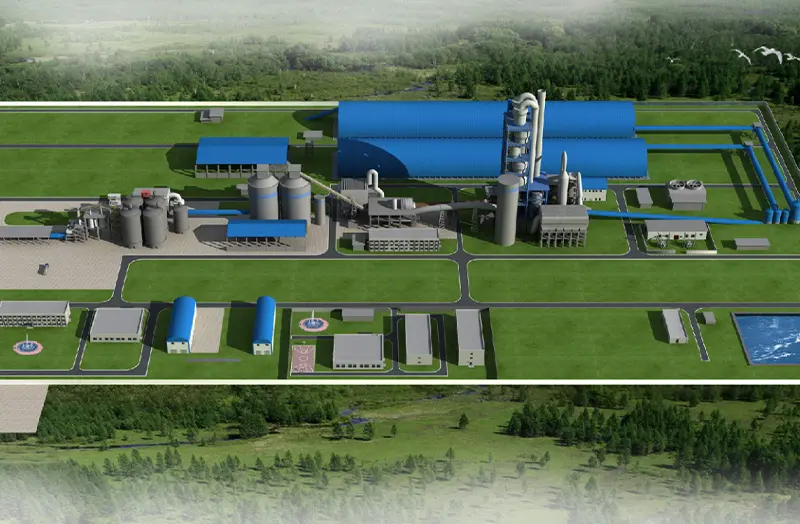
Collaborating with world-class steel manufacturers to deliver premium materials globally.






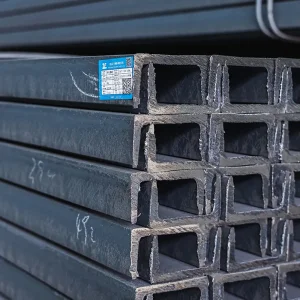
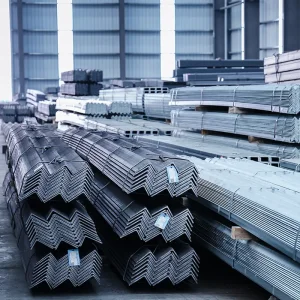
Complementary structural products for building, framing, and heavy-duty infrastructure projects.
 Hanshen