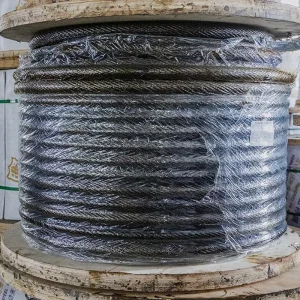
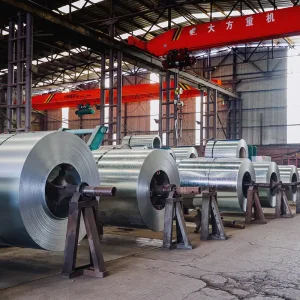
Explore our foundational steel solutions manufactured under strict ISO and international standards.
Hot-Dipped Galvanized (HDG) steel pipes stand as the vanguard of corrosion resistance in municipal utility, structural engineering, and heavy industry deployment. Unlike simple electro-galvanizing or protective paint barriers, the hot-dipped process creates a metallurgical bond between the base carbon steel and the molten zinc bath. The result is a multi-layered barrier comprising distinct zinc-iron alloys that offer physical shield resilience and galvanic sacrificial protection.
During the immersion stage of fabrication, the cleaned steel pipe is dipped in molten zinc at approximately 840°F (450°C). This initiates a thermal diffusion reaction that forms three structural alloy phases topped with an outer layer of pure zinc:
For procurement professionals, specifying custom dimensions, Wall Thickness (WT), Outer Diameter (OD), and targeted zinc coating weights (ranging from Z275 up to Z600 or more) is critical to calculating life cycle costs and structural safety factors.
We configure custom production routes to address challenging industrial conditions, including high-salinity marine environments and heavy acidic industrial atmospheres.
| Parameters | Standard Specification Range |
|---|---|
| Standard Fitment | ASTM A53, EN 10255, JIS G3444, AS/NZS 1163, GB/T 3091 |
| Outer Diameter (OD) | 21.3 mm to 609.6 mm (1/2" to 24") |
| Wall Thickness (WT) | 1.5 mm to 30 mm (Schedule 10 to Schedule XXS) |
| Zinc Coating Weight | 300 g/m² to 610 g/m² (Average thickness 45μm to 85μm) |
| End Finishes | Plain End, Beveled, Threaded & Coupled, Grooved |
Addressing decarbonization and environmental standards in metallurgical coatings.
By introducing trace percentages of nickel, aluminum, and bismuth into the bath, we prevent the "Sandelin Effect," achieving stable coating thicknesses regardless of silicon concentration variations in the base steel.
Transitioning from traditional hexavalent chromium coatings to trivalent chromium and organic-based thin-film sealers, ensuring zero hazardous runoff and meeting strict RoHS European chemical compliance guidelines.
Reclaiming waste thermal energy from zinc-melting furnaces to pre-heat pipe pickling baths. This energy loop reduces greenhouse gas footprints in manufacturing stages by 18% compared to standard coal-gas furnaces.
Targeted solutions designed for challenging structural and industrial operating parameters.
HDG pipes offer critical chemical resistance required for conveying municipal water systems and treated wastewater effluent. The zinc layer suppresses cathodic micro-reactions, preventing internal corrosion build-ups (tuberculation) and maintaining structural flow efficiency coefficients over decades of utility routing.
For structural frames holding heavy solar panel grids in harsh outdoor terrains, HDG pipe provides high torsional rigidity and wind-load resistance. The continuous outer zinc coating performs self-healing micro-repair under exposure to atmosphere, preventing premature oxidation at connection points and mounting slots.
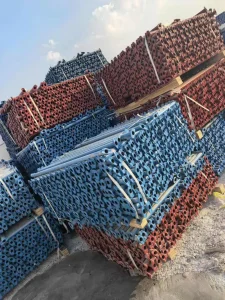
High structural yield strength and resistance to physical wear are non-negotiable for temporary scaffolding frames and industrial building systems. Our custom heavy-schedule pipes are manufactured specifically to sustain high impact and structural bending stress without peeling or cracking structural coatings.
"In maritime harbor conditions containing high chloride concentrations, structural profiles using typical barrier coatings fail within 3 to 5 years. By utilizing hot-dipped zinc bath parameters yielding an average coating of 85 microns, the zinc corrosion rate drops to roughly 1 to 2.5 microns per year, projecting an overall operational life exceeding 45 years."
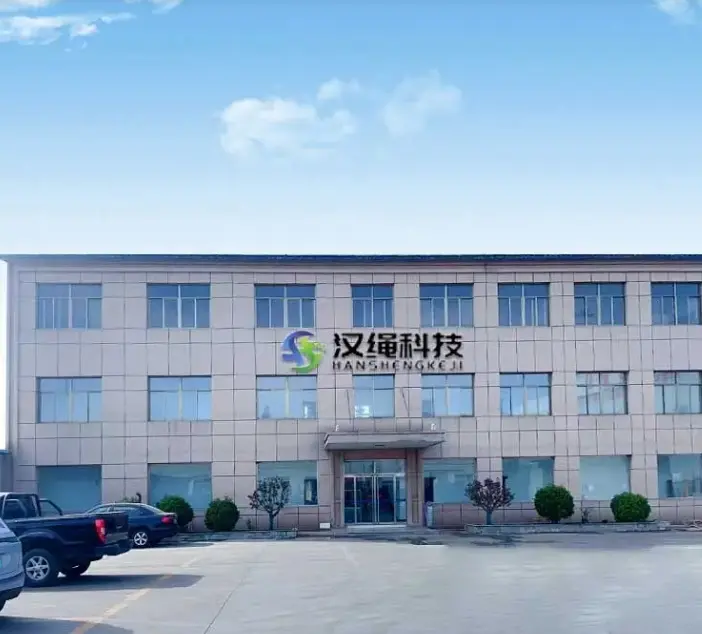
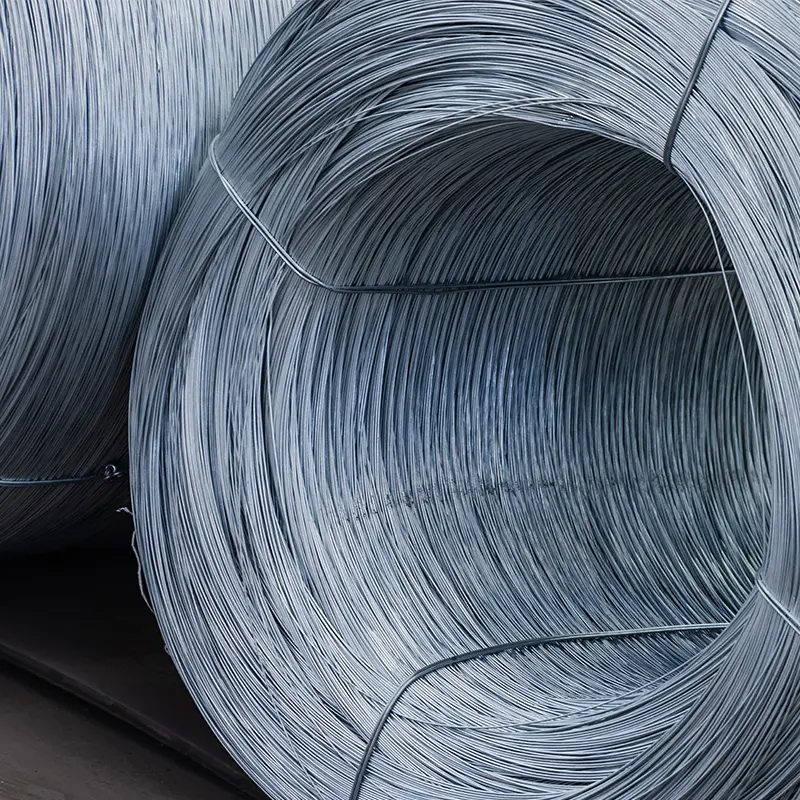
Hansheng Technology (Hebei) Co., Ltd. is strategically situated in Tangshan City, Hebei Province—the heart of China’s steel industry. With a prime location just 150 kilometers from the Tianjin seaport and 150 kilometers from the capital, Beijing, we benefit from an exceptional logistics network that ensures efficient global shipping.
By centralizing manufacturing operations near primary iron ore extraction zones and deepwater sea terminals, we minimize internal hauling costs and expedite customs processing for cross-border export. With a robust logistics network, we execute express freight dispatches to support high-volume regional infrastructure timelines.
Evaluating total lifetime value, supply chain transparency, and quality verification standards.
We work with international inspection bodies (SGS, Bureau Veritas) to verify chemical compositions, yield tensile strength, and zinc weight consistency before container shipping. This prevents non-compliant cargo arrivals at port.
With direct logistics access via Tianjin Port, our cargo tracking solutions provide visibility from the manufacturing floor to ocean transit vessels, enabling precise construction project scheduling.
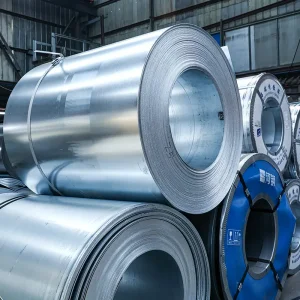
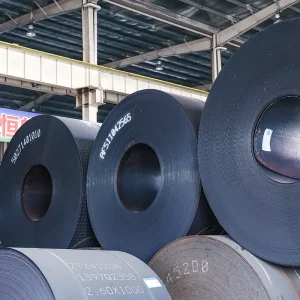
By sourcing raw hot rolled coils from major state steel companies in Tangshan, we guarantee base material consistency and chemical compositions optimized for hot dip zinc baths.
In-depth technical answers for engineers, procurement managers, and steel estimators.
Pre-galvanized pipes are formed from sheet steel strips that have already been run through a continuous galvanizing line. They typically have a lower zinc thickness (e.g., Z120 to Z275) and bare cut-edges. Hot-Dipped Galvanized (HDG) pipes are fabricated first, then submerged as finished pipes in molten zinc. This ensures that interior seams, cut edges, and threads receive comprehensive protection with a thicker zinc layer (often Z500 to Z600+), making HDG far superior for high-moisture or outdoor environments.
Our galvanized steel piping meets several key global specifications: ASTM A53 (Grade A & B) for pressure piping and general structural use; EN 10255 (non-alloy steel tubes suitable for welding and threading); JIS G3444 for structural applications; and AS/NZS 1163 for cold-formed structural steel hollow sections. Chemical assays and physical tension tests are certified via EN 10204 3.1 Mill Test Certificates.
Yes, but the local zinc coating near the weld zone must be ground away to prevent zinc embrittlement of the weld pool and to avoid hazardous fumes. After welding is completed and slag is removed, the weld joint must be cold-galvanized using a high-purity (minimum 92% pure metallic zinc) zinc-rich compound spray or paint, conforming to ASTM A780 repair specifications.
We use automated air knives after the molten zinc immersion process to blow off excess zinc, ensuring a smooth, uniform surface finish. Thickness is monitored using electromagnetic non-destructive testing devices across the pipe length, verifying that the coating meets ASTM A123 / ASTM A153 requirements.
Proving reliability and contract performance through decades of global scale supply logistics.
Complete structural solutions from our Tangshan manufacturing lines.
 Hanshen