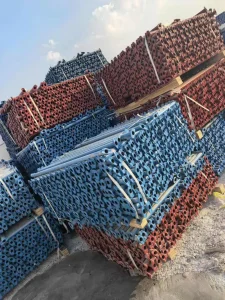
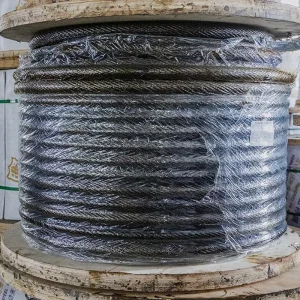
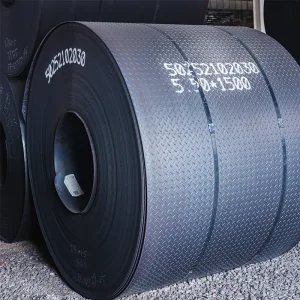
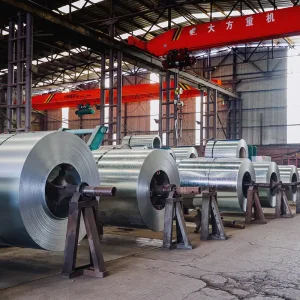
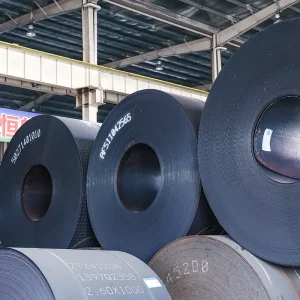
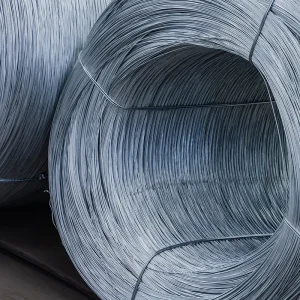
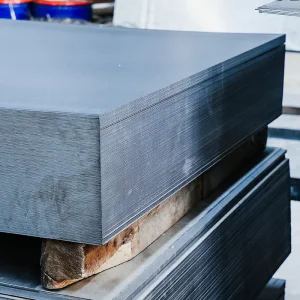
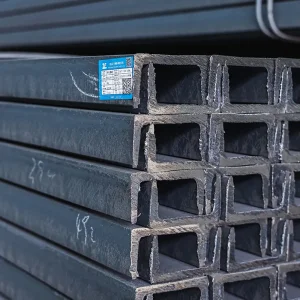
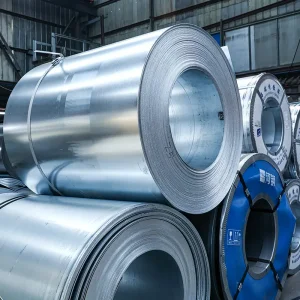
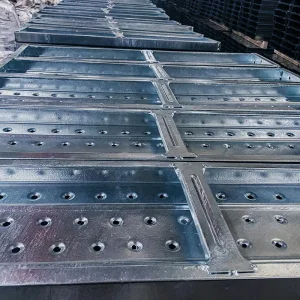
Explore our elite portfolio of high-tensile hot/cold rolled steel solutions, wire ropes, and structural components built for extreme load performance.
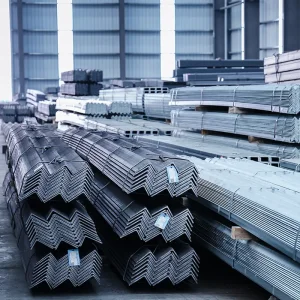
When it comes to low-carbon structural steel, Grade S235JR (EN 10025-2) stands out as the ultimate multi-purpose industrial backbone. Representing structural grade carbon steel, "S" indicates structural application, "235" guarantees a minimum yield strength of 235 MPa (for nominal thickness equal or below 16mm), and "JR" specifies that the material has undergone Charpy V-notch impact testing at room temperature (20°C) with a minimum energy absorption of 27 Joules.
Understanding the microstructural mechanics of S235JR is critical for structural engineers and supply chain executives. Its balanced carbon equivalent value (CEV) provides optimal weldability without the risk of hydrogen-induced cracking, making it a favorite for automatic and manual welding setups. The material offers high ductility and excellent machinability, allowing it to be cut, bent, and stamped to demanding dimensions across diverse industries.
A quick mechanical overview highlighting why S235JR is highly valued in infrastructure design.
Rigorous metallurgical standards control is the key to maintaining consistent performance. Compare S235JR with equivalent regional grades.
| Steel Grade (EN 10025-2) | C (Max %) | Mn (Max %) | P (Max %) | S (Max %) | N (Max %) | Equivalent ASTM | Equivalent GB | Equivalent JIS |
|---|---|---|---|---|---|---|---|---|
| S235JR | 0.17 - 0.20 | 1.40 | 0.035 | 0.035 | 0.012 | ASTM A36 | GB Q235B | JIS SS400 |
| S275JR | 0.18 - 0.21 | 1.50 | 0.035 | 0.035 | 0.012 | ASTM A572 Gr.42 | GB Q355B | JIS SM490A |
| S355JR | 0.20 - 0.24 | 1.60 | 0.035 | 0.035 | 0.012 | ASTM A572 Gr.50 | GB Q355D | JIS SM490YB |
While S235JR is the standard designation in Europe under EN 10025-2, global supply chains often require cross-compliance matching. For instance, North American engineering structures typically design with ASTM A36, which possesses slightly higher yield strength standards (approx. 250 MPa) but allows a looser chemical variance on manganese. Meanwhile, Asian-oriented designs rely on JIS SS400 or GB Q235B.
At Hansheng Technology (Hebei) Co., Ltd., we leverage custom refining and micro-alloying techniques. We produce hot-rolled coils that satisfy EN, ASTM, GB, and JIS standards simultaneously. This ensures our clients can utilize a single, premium-grade coil across international jurisdictions without engineering re-qualification, reducing compliance overhead and structural redesign costs.
Every climate, environment, and industrial topography presents unique structural challenges. Here is how S235JR adaptively scales across different regions.
In coastal areas of Southeast Asia and Southern Europe, S235JR hot-rolled steel is used for marine components, storage sheds, and harbor structures. Our custom hot-rolled coils are formulated with optimized copper and nickel trace elements to improve the substrate's adhesion to galvanized coatings, resisting salt-spray and moisture corrosion.
In the industrial corridors of North America and Germany, S235JR is the raw stock for heavy agricultural machinery, truck chassis, and railway cargo cars. The exceptional formability allows fabricators to stamp and press high-thickness profiles without introducing micro-cracks or structural failure points.
For seismic-prone regions in Japan, Chile, and the Middle East, structural steel must possess reliable yield-to-tensile ratios. S235JR maintains stable uniform elongation parameters, absorbing energy and providing necessary plastic deformation buffer zones inside skyscraper frameworks, scaffolding networks, and C-channels.
Hansheng Technology (Hebei) Co., Ltd. sits in the world's most productive steel production cluster, offering unmatched supply chain stability.
Strategically located in Tangshan City, Hebei Province—the absolute center of China's structural steel industry—our factories are just 150 kilometers from both Beijing and the major shipping hub of Tianjin Port. This localized synergy minimizes inland transportation times, reduces domestic logistics costs, and allows for rapid bulk vessel loading or container stuffing.
This close physical alignment with Bohai Bay allows us to bypass global shipping bottlenecks. We offer predictable FOB/CIF delivery cycles, providing our international distribution networks with a strategic buffer against ocean freight volatility.
Operating 8 high-efficiency production lines, our industrial facility delivers an annual capacity of 300,000 metric tons of high-grade steel wire, hot-rolled coils, structural sections, and galvanized sheets. Over the past 19+ years, this integrated infrastructure has allowed us to deliver large-scale project consignments on schedule.
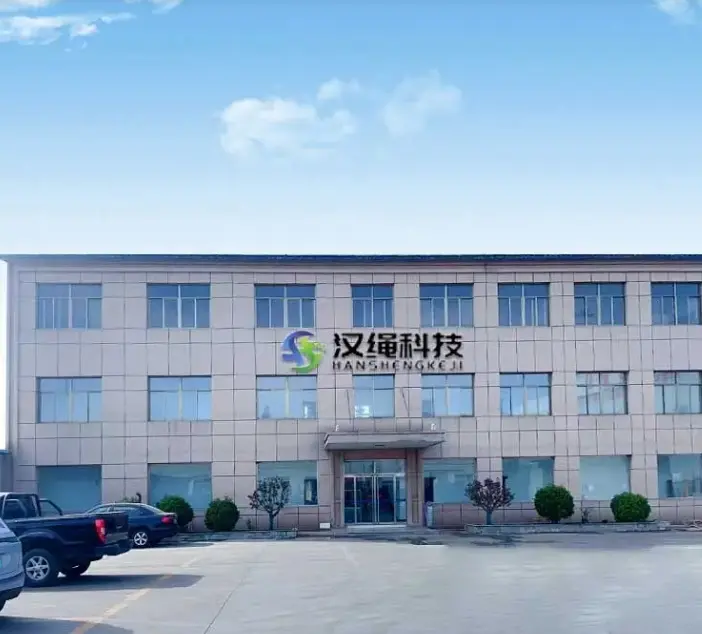
Decarbonization, digitization, and extreme tolerance control define the next generation of S235JR hot rolling technology.
We are integrating hydrogen-enriched scrap recycling and electric arc furnace (EAF) structures to lower the embedded carbon footprint of our hot-rolled products. This aligns with the European Union's upcoming CBAM tariffs.
Deploying Hydraulic Automatic Gauge Control (AGC) systems, we reduce thickness deviations to within ±0.03mm. This guarantees consistent results when processing coils in automated laser-cutting systems.
By utilizing TMCP (Thermomechanical Controlled Processing), we refine the ferrite-pearlite grain structure of S235JR. This yields improved low-temperature impact resilience without adding costly alloying agents.
Our steel products have contributed to major infrastructure and commercial developments worldwide. Here are some of our milestone achievements.
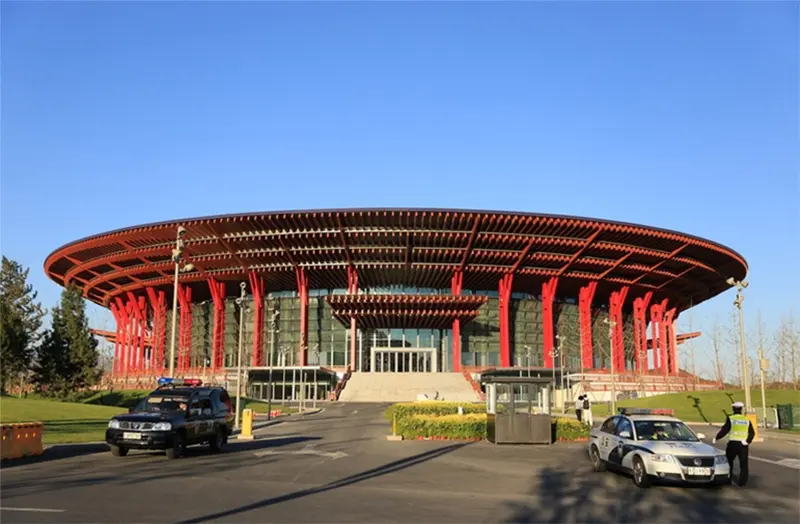
Supplied premium structural components and precision flat bars for the primary building framework, meeting strict domestic standards.
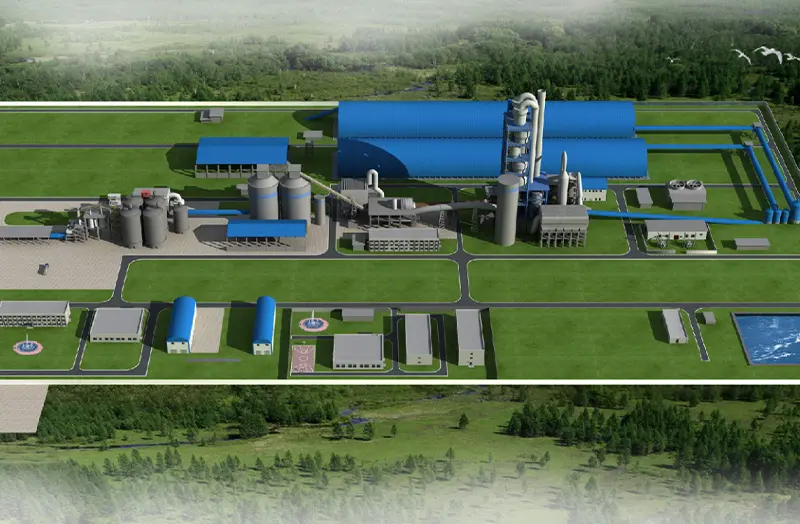
Provided robust structural section plates and high-durability angle profiles to support heavy industrial cement-clinker production lines.
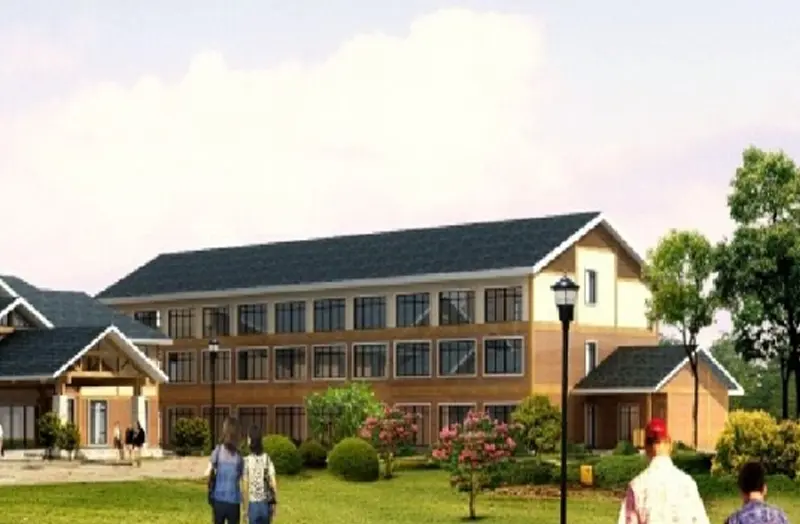
Delivered high-performance weather-resistant framing products and custom load-bearing panels for cold-climate applications.
Under strict compliance frameworks, Hansheng Technology ensures that every hot-rolled steel coil meets rigorous global testing standards.
Quality control is integrated into every step of our manufacturing process. We maintain certified operations under ISO 9001:2000 and ISO 14001. Standard production procedures include continuous spectrographic steel chemistry analysis, online ultrasonic testing for internal flaws, and optical dimension checks to prevent surface cracking.
Before shipping from Tianjin seaport, each production batch undergoes mechanical tests. These include yield point analysis, ultimate tensile strength testing, and cold bending tests. This ensures that every coil delivered matches the technical specifications detailed in the Mill Test Certificates (MTC) conforming to EN 10204 3.1.
To provide complete transparency for international buyers, we regularly coordinate with third-party testing organizations including SGS, Bureau Veritas (BV), and TÜV Rheinland.
These agencies verify surface quality, thickness profiles, coil winding tight tolerances, and rust-preventative coatings. Additionally, they supervise loading sequences to prevent container shifting and sea moisture exposure.
Technical answers directly from our engineering and manufacturing teams to address common procurement and specification queries.
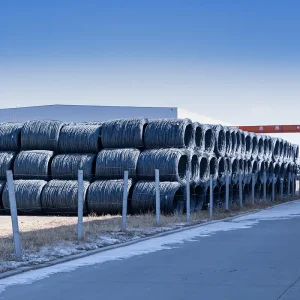
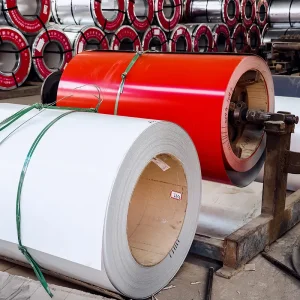
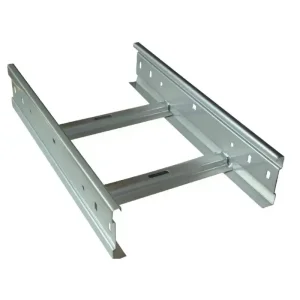
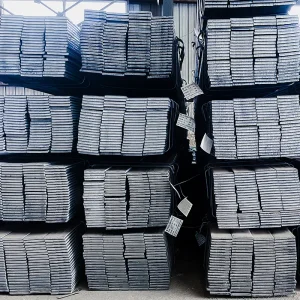
Discover our full product line, offering precision structural channels, wire rods, pre-painted galvanized sheets, and custom flat steel profiles.
 Hanshen