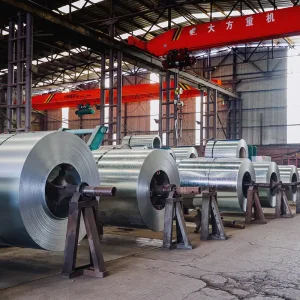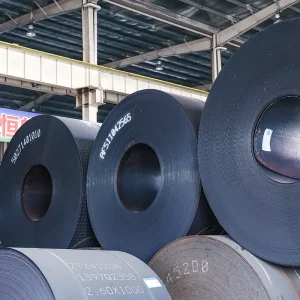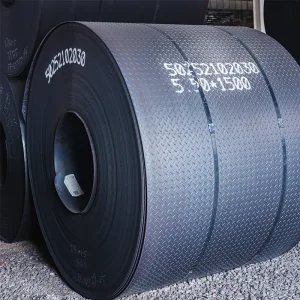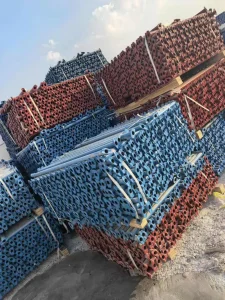
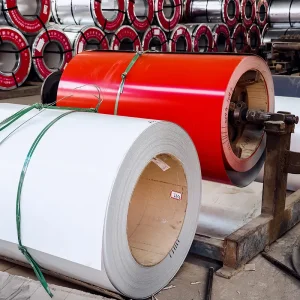
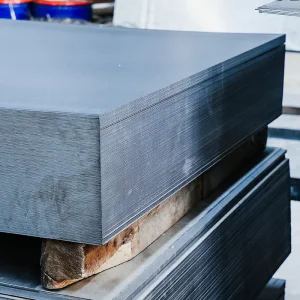
In the realm of global metallurgy, Hot Rolled (HR) Steel Coils represent the foundational material upon which modern physical infrastructure is constructed. Manufactured through a continuous deformation process at temperatures exceeding the recrystallization threshold (typically above 1,700°F or 927°C), HR steel coils display exceptional ductility, structural integrity, and weldability. For heavy-duty industrial OEMs, structural framing fabricators, and large-scale wholesale procurement houses, identifying a manufacturer that offers the ideal balance of chemical composition accuracy, physical configuration flexibility, and long-term supply chain reliability is key to engineering and financial success.
At Hansheng Technology, we recognize that custom HR steel coils are not merely commodities—they are high-precision components that must meet strict mechanical specifications. Whether applied directly to structural engineering elements or processed further into cold-rolled, galvanized, or specialty alloy coils, our HR coils act as a critical starting point. They determine the resilience and service life of the end products across globally integrated supply chains.
The structural steel sector is undergoing a massive shift driven by technical evolution, sustainability initiatives, and dynamic geopolitical circumstances. Leading global procurement entities are adjusting their sourcing strategies to align with these trends:
Industrial buyers are shifting focus from conventional carbon steels to advanced HSLA formulations. By utilizing micro-alloying techniques involving Niobium (Nb), Vanadium (V), and Titanium (Ti), custom manufacturers can deliver thinner plates without sacrificing yield strength. This enables lighter structures and lower transport costs across all target markets.
Under the European Union's Carbon Border Adjustment Mechanism (CBAM) and similar environmental frameworks in the Americas, global enterprises now demand transparency in carbon footprints. Strategic procurement involves partnering with manufacturers that utilize energy-efficient furnace technologies, continuous casting lines, and localized scrap-integration practices to lower net carbon outputs.
Uncertainty in material performance is a major liability for major infrastructure projects. Modern supply chain managers require end-to-end digital tracking from the initial ladle melt to final packaging. Standard mill test certificates (MTCs) to EN 10204 3.1 or 3.2 are now essential baselines, ensuring compliance with international regulations.
Operating from Tangshan City, Hebei Province—the heart of China's steel industry—Hansheng Technology represents the next stage of metallurgical production: China Factory 4.0. We bridge the gap between heavy industry and modern digital orchestration, addressing key challenges faced by global buyers regarding quality consistency and logistics security.
Our facility is located just 150 kilometers from the Tianjin seaport and 150 kilometers from Beijing. This grants us direct access to world-class marine logistics networks, allowing us to minimize domestic transport times, protect finished products from environmental exposure, and reduce shipping overheads for our partners globally.
By integrating continuous automated gauge control (AGC) systems on our hot rolling lines, we maintain thickness tolerances far tighter than standard industry requirements. Automation reduces raw material waste and ensures that downstream operations run smoothly without mechanical interruption.
Our quality control system covers every stage of production, from blast furnace monitoring to final post-rolling non-destructive testing. We provide pre-shipment inspections for every batch, confirming compliance with ISO 9001:2000, ISO 14001, ASTM, JIS, DIN, EN, and AS/NZS standards.
Understanding the differences in mechanical behavior between steel standards is critical for long-term engineering performance. Below is a comparative overview of common structural and coil specifications manufactured at our plants:
| Steel Grade & Standard | Yield Strength (Min MPa) | Tensile Strength (MPa) | Elongation Min (%) | Primary Application Scenarios |
|---|---|---|---|---|
| ASTM A1011 SS Grade 36 | 250 MPa | 400 - 550 MPa | 20% | General structural fabrications, scaffolding channels, and light framing. |
| EN 10025-2 S355JR | 355 MPa | 470 - 630 MPa | 22% | Heavy bridge design, offshore engineering structures, and high-load frameworks. |
| JIS G3101 SS400 | 245 MPa | 400 - 510 MPa | 21% | Machine components, automotive chassis elements, and flat steel profiles. |
| GB/T 700 Q235B | 235 MPa | 370 - 500 MPa | 26% | Cost-effective structural profiles, structural pipes, and general weldments. |
| High Strength Spring Steel (e.g., 60Si2Mn) | 1180 MPa | 1275 MPa | 10% | High-stress machinery components, automotive suspension springs, and flat bars. |
Custom HR steel coils are highly versatile raw materials. Our products have been successfully implemented across various industries and demanding environments worldwide:
Used in major structural engineering projects, including the Beijing Yanxihu Convention and Exhibition Center (2013). Our high-yield structural steels provided the load-bearing performance required for complex architectural framing and roof trusses.
Supplied structural framing materials for the South Africa Mamba Cement Co., Ltd. Clinker Production Line (2014). Operating under high vibrations and elevated temperatures, our steel sections delivered long-term stability and wear resistance.
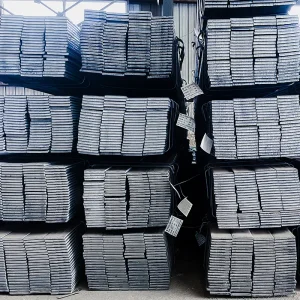
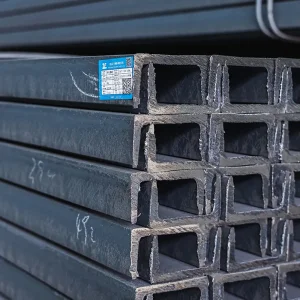
Delivered structural components for Modern Villa Projects in Canada (2020). These projects utilized custom structural flat bars and C-shaped profiles, designed to resist harsh sub-zero temperatures and high wind loads.
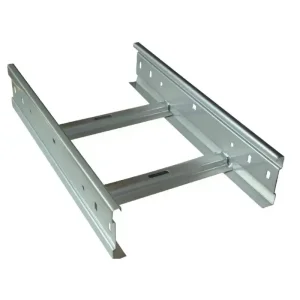
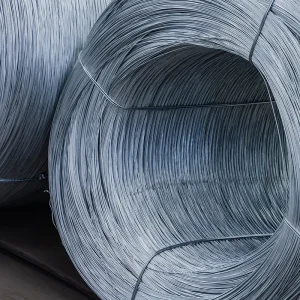
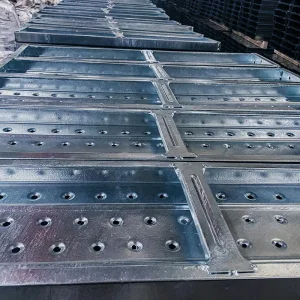
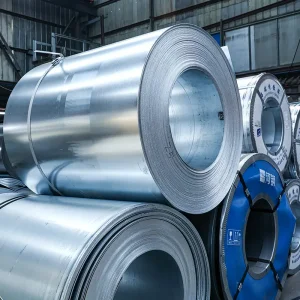
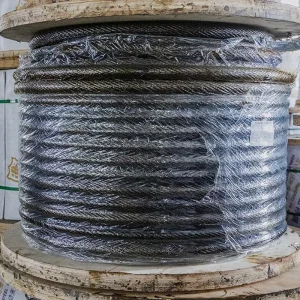
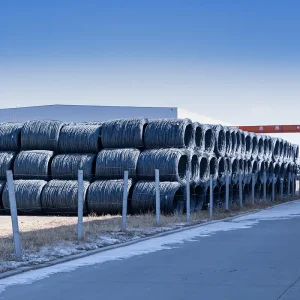
In addition to structural framing, our custom HR coils serve as a critical substrate for specialty coatings. They are regularly processed into Zinc-Aluminum-Magnesium (ZAM) coils, high-tensile wire ropes, and corrosion-resistant hot-dip galvanized cable trays, supporting projects across Dubai, Saudi Arabia, Florida, South Korea, Kuwait, Spain, Chile, and the Philippines.
 Hanshen