Custom Industrial Scaffold Plank Manufacturers & Manufacturer

Engineering Safety, Supply Chain Resilience, and High-Performance Structural Metallurgy for Global Scale Construction Projects.

Industrial Scaffold Plank Engineering & Global Production Ecosystem

Within high-elevation industrial facilities, commercial real estate infrastructure development, and offshore marine environments, structural safety represents a non-negotiable benchmark. Industrial scaffold planks form the structural foundation upon which mechanical engineers, steel-fitters, painters, and masonry specialists perform operations. Understanding the metallurgical composition, engineering load parameters, manufacturing precision, and geographical logistics associated with scaffold plank production represents a critical step for procurement directors seeking to balance structural security with total cost of ownership (TCO).

"Information Gain Metric: Modern steel scaffold boards are not mere cold-formed metal plates. They are dynamic structural components designed to handle multi-axial load distributions, localized buckling resistance, and micro-climatic galvanic corrosion profiles. Modern custom manufacturers must integrate mechanical integrity checks directly into the cold-roll forming lines."

1. The Evolution of Industrial Scaffold Planks: Wood to Metallic Systems

For centuries, the global construction sector relied heavily on timber scaffold planks (typically pine, spruce, or laminated veneer lumber - LVL). However, global infrastructure projects operating in extreme climates, petrochemical zones, and marine locations have driven a massive transition toward metal scaffolding systems. The limitations of wood are well-documented:

  • Moisture Absorption & Decay: Wood planks absorb water, resulting in weight variance, rotting, and unpredictable load-bearing capacity reduction.
  • Combustibility Risks: Industrial plants (refineries, smelters) present high thermal profiles where fire-resistant scaffolding is legally mandated.
  • Limited Fatigue Life: Wood fibers break down under repetitive mechanical shear and weathering, necessitating continuous, high-cost replacement cycles.

By contrast, custom steel industrial scaffold planks utilize structural carbon steel (such as Q235, Q345, S235JR, or S355JR) or high-grade alloys, which are processed via precision roll-forming lines. The result is a structural platform with documented deflection dynamics, flame-proof characteristics, and a service lifespan exceeding 10 to 15 years with minimal maintenance.

2. Global Corporate Procurement Needs & Structural Quality Norms

International procurement departments are bound by strict safety regulations that govern temporary structures. When evaluating a scaffold plank manufacturer, the core metrics extend beyond the price per metric ton. The products must align with standardized global validation protocols:

Standard Reference Region / Market Core Requirements Material Focus
EN 12811-1 European Union / UK Deflection limits, structural stability, load class classification (Class 1 to 6). Hot-dip galvanized structural steel.
OSHA 1926.451 North America Capable of supporting its own weight and at least 4 times the maximum intended load. Non-slip profiling, safe span calculations.
BS 1139 Commonwealth Nations Dimensional tolerances, metal purity checks, steel tube and coupling compatibility. High-durability structural carbon steel.
AS/NZS 1576 Australia & New Zealand Strict anti-corrosion properties for coastal salinity, slip-resistance under wet conditions. Zinc-Aluminum-Magnesium or heavy HDG.

Procurement departments require specific design features to optimize job-site safety:

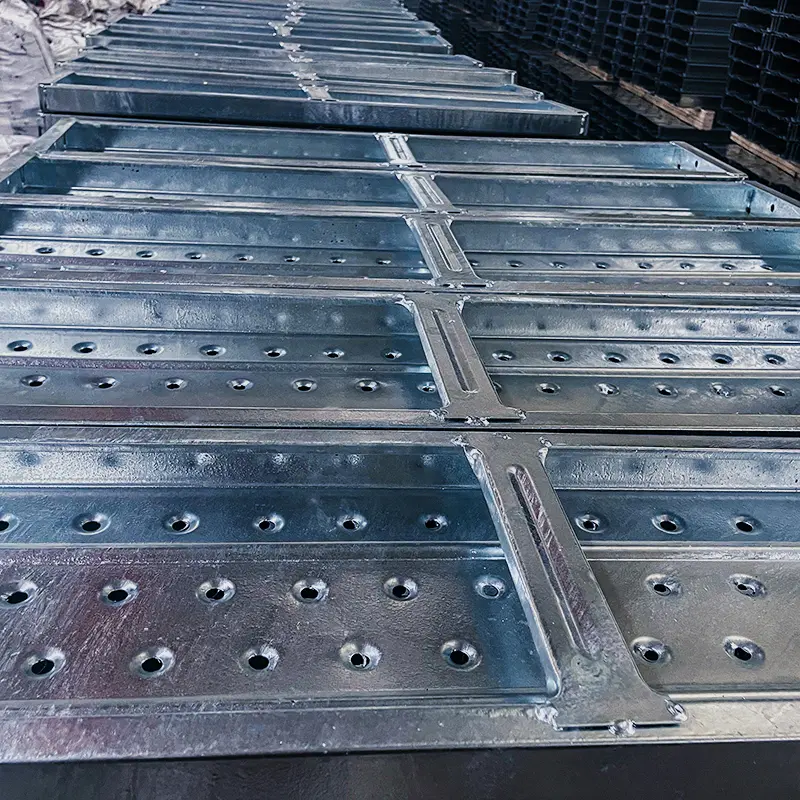
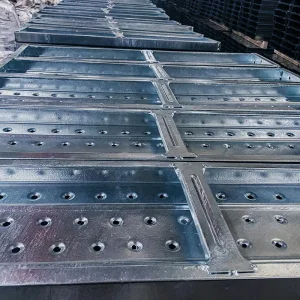
  • Slip-Resistant Dimple Perforations: Raised holes that drain water, grease, and mud while maintaining frictional coefficient under heavy boot contact.
  • Stiffening Ribs: Longitudinal reinforcing ribs rolled into the structural profile to increase the section modulus (Wz) without adding excess weight.
  • Precision End Connectors & Locking Hooks: Secure end connections that attach firmly to scaffolding transoms, eliminating wind uplift or shift.

3. Industrial Trends: Advanced Metallurgy & Anti-Corrosion Technologies

Corrosion represents the primary agent of structural degradation in industrial scaffold planks. Modern engineering has evolved past basic paint coatings to advanced metallurgical alloys and plating processes:

Hot-Dip Galvanizing (HDG)

Immersing completed steel planks in a molten zinc bath at approximately 450°C creates a metallurgical bond. A series of zinc-iron alloy layers provide mechanical defense against abrasion and galvanic protection for exposed base metal if scratched.

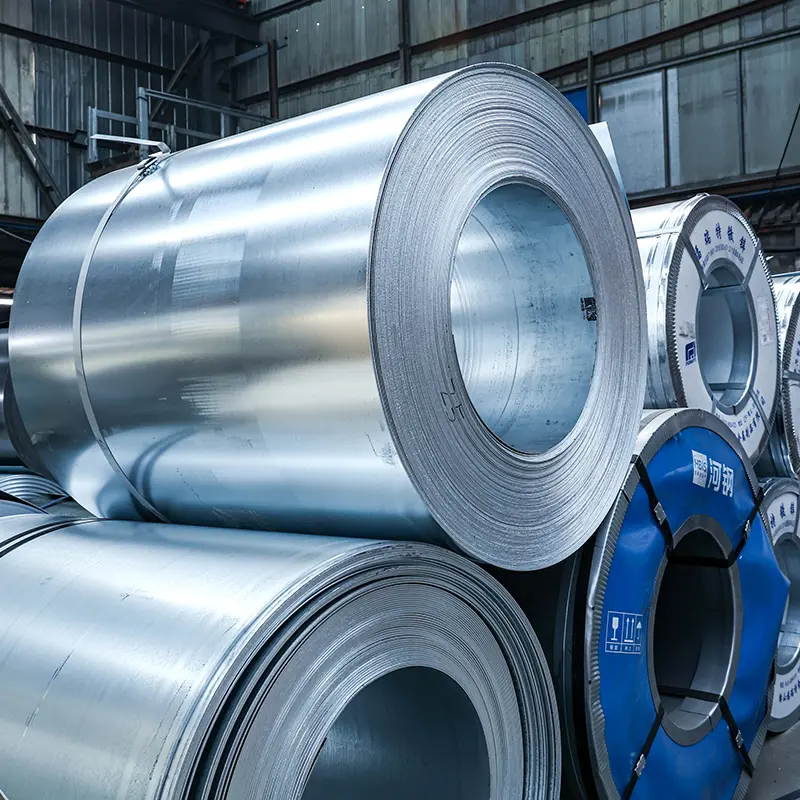
Zinc-Aluminum-Magnesium (ZAM) Alloy Coating

Representing the latest in metallurgical advancement, ZAM-coated steel sheets (comprising Zn, Al, and Mg) provide up to 5-10 times the corrosion resistance of traditional galvanized coatings. The magnesium content creates a self-healing film over cut edges, making it ideal for marine applications and high-sulfur industrial zones.

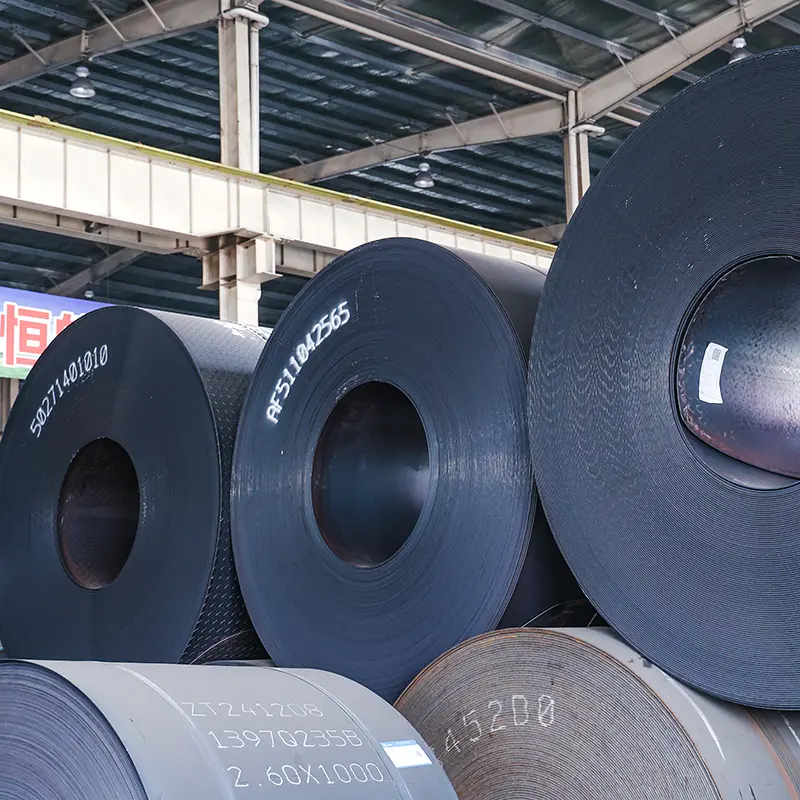
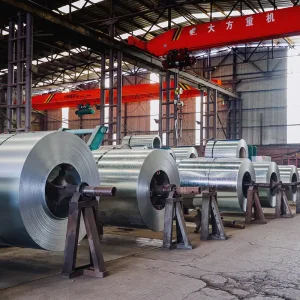
Supply Chain Insight: By working with a manufacturer that possesses integrated capabilities in hot-rolled, cold-rolled, and specialized coated coils (such as ZAM and galvanized coils), industrial buyers can secure customized material chemistry directly from the source.

4. China Factory 4.0: Supply Chain Resilience and Efficiency Advantages

The global steel industry has shifted toward smart manufacturing and integrated supply chains. Hansheng Technology (Hebei) Co., Ltd., located in Tangshan City, Hebei Province, represents a prime example of this industrial capability. Tangshan is widely recognized as the center of China's steel manufacturing sector, providing direct access to raw structural feedstocks.

Under Factory 4.0 guidelines, production efficiency is optimized through key manufacturing advantages:

  • Raw Material Proximity: Tangshan's vast smelting cluster minimizes raw material transport costs and supply chain disruptions, allowing for competitive pricing.
  • Logistical Connectivity: Situated 150 km from the major seaport of Tianjin and 150 km from Beijing, the facility connects directly to international maritime shipping lanes, reducing global transit times.
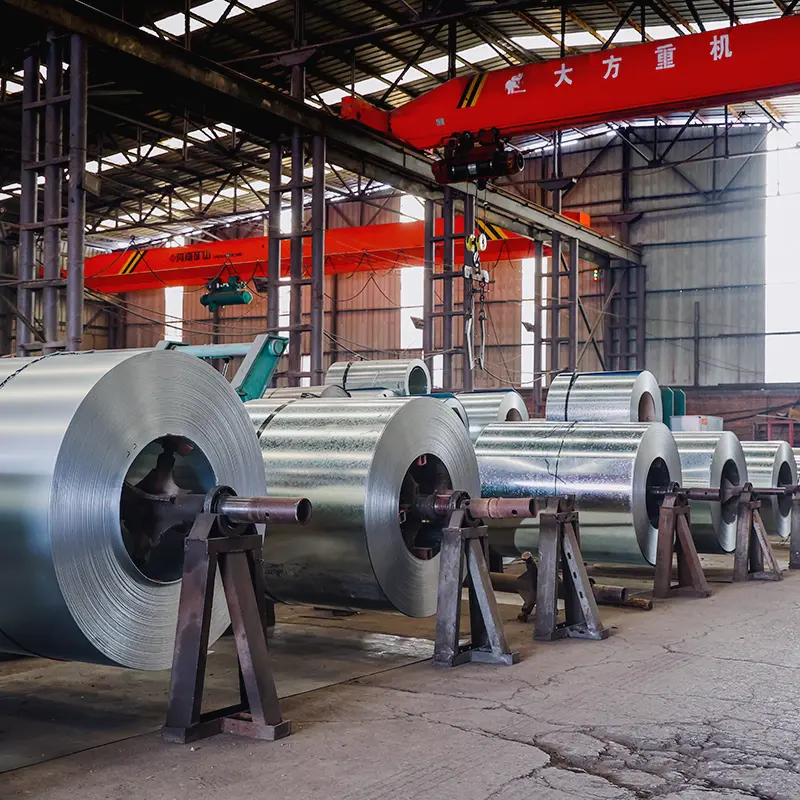
  • Scale & Modern Production Lines: Operating 8 high-capacity production lines with an annual output ranging from 300,000 to 650,000 metric tons ensures high volume throughput and consistent product quality.
  • Quality Management Systems: Certified to ISO 9001 and ISO 14001, every batch undergoes chemical analysis, mechanical tensile checks, and dimensional verification to ensure global compliance.

5. Localized Application Scenarios

The performance of industrial scaffold planks is highly dependent on localized operational conditions:

  • Offshore Petrochemical Platforms: High winds, salt spray, and chemical exposure require high-yield ZAM or heavy HDG steel planks to prevent galvanic corrosion and withstand wind uplift.
  • Urban Civil Infrastructure: High-rise building projects in dense city centers demand lightweight steel scaffolding systems that allow for quick assembly and disassembly without sacrificing structural load capacity.
  • Heavy Marine Shipyards: Repetitive physical impact from heavy tools and sandblasting media requires thick-gauge steel planks with robust end-cap welding to survive harsh shipyard environments.

6. Comprehensive Technical FAQ

How is the maximum load-bearing capacity of a steel scaffold plank determined? +
Load-bearing capacity is determined by structural steel thickness (typically 1.2mm to 2.0mm), profile depth, and support span distance. Under EN 12811-1, planks are classified from Class 1 (75 kg/m² light duty) up to Class 6 (600 kg/m² heavy duty). Engineering calculations utilize finite element analysis (FEA) verified by physical load testing to confirm structural compliance.
What are the advantages of Zinc-Aluminum-Magnesium (ZAM) coatings over standard Hot-Dip Galvanization? +
ZAM coatings provide superior corrosion protection with a thinner coating layer compared to standard HDG. The addition of aluminum and magnesium creates a protective barrier that resists acid and salt exposure, while also offering self-healing protection along cut edges and punch holes.
How does Hansheng Technology manage quality control for global exports? +
We implement a multi-stage Quality Management System. This includes spectral analysis of incoming steel coils, real-time monitoring of roll-forming dimensional tolerances, mechanical testing (tensile strength and weld seam integrity), and pre-shipment inspections for every batch to ensure conformity with ASTM, DIN, JIS, and AS/NZS standards.
Why is Tangshan City, Hebei Province, a critical hub for international steel procurement? +
Tangshan accounts for a significant portion of China's structural steel production. This concentration provides direct access to raw materials, reduces inland freight costs, and supports a robust network of metallurgy experts and testing facilities, offering clear cost and lead-time advantages for global buyers.

Hansheng Technology Profile

Established in 2006 in Tangshan, China, Hansheng Technology specializes in high-grade steel wire, coils, sheets, and structural steel products.

  • Founded: 2006
  • Production Capacity: 300,000 - 650,000 Tons/Year
  • Manufacturing Lines: 8 Active Production Lines
  • Certifications: ISO 9001:2000, ISO 14001
  • Logistical Hub: Tangshan, Hebei (150km to Tianjin Port)

Our Core Values

Focusing on premium building materials to improve industrial infrastructure safety. Honoring contracts, maintaining quality standards, and building long-term partnerships worldwide.

Manufacturing Capabilities & Global Logistics Footprint

A breakdown of the production and logistics infrastructure driving our global supply chain.
2006
Year Established
8
Active Production Lines
650K
Annual Output (Tons)
150km
Distance to Tianjin Port
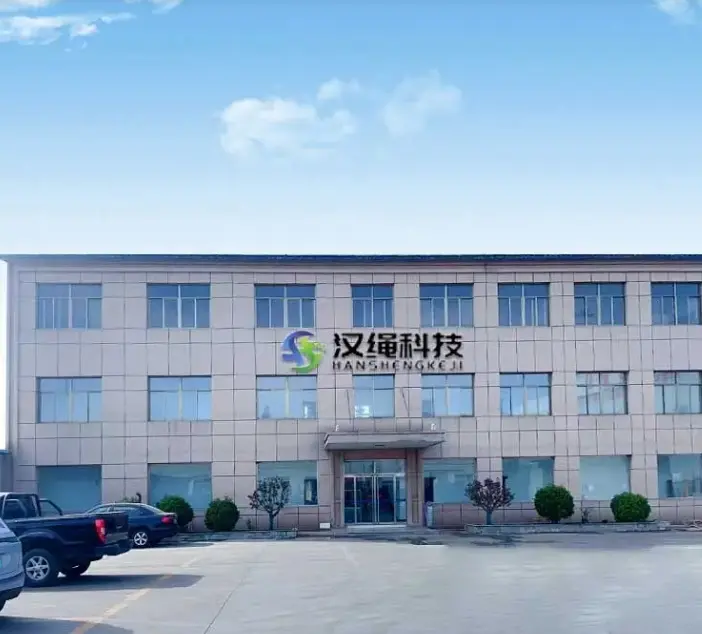
Hansheng Technology Factory Office

About Hansheng Technology

Hansheng Technology (Hebei) Co., Ltd. is strategically situated in Tangshan City, Hebei Province—the heart of China’s steel industry. With a prime location just 150 kilometers from the Tianjin seaport and 150 kilometers from the capital, Beijing, we benefit from an exceptional logistics network that ensures efficient global shipping. Since our inception in 2006, we have evolved into a comprehensive, export-oriented enterprise specializing in the manufacturing of premium-quality steel products.

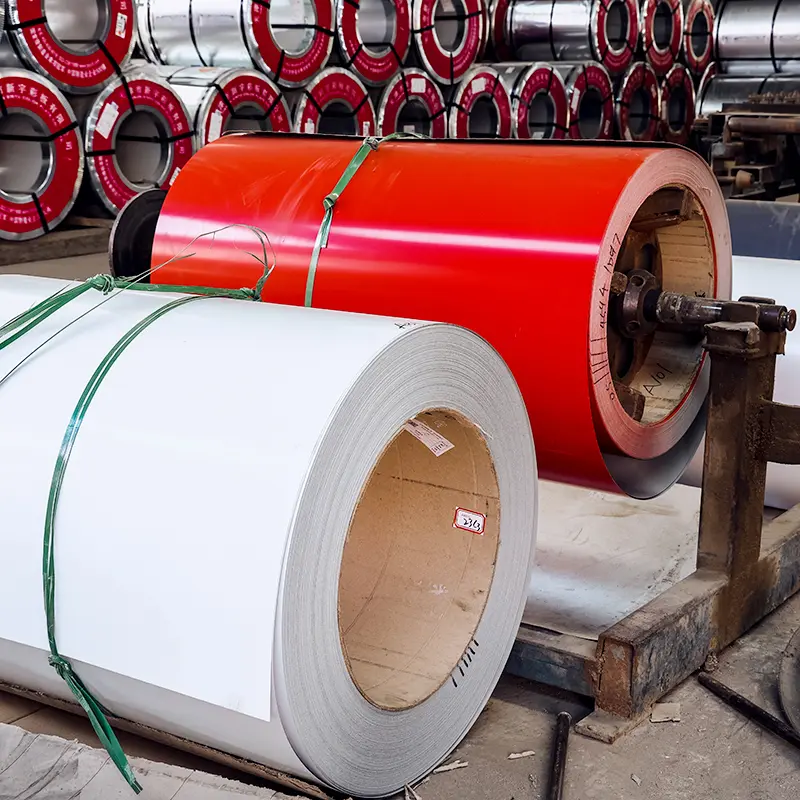
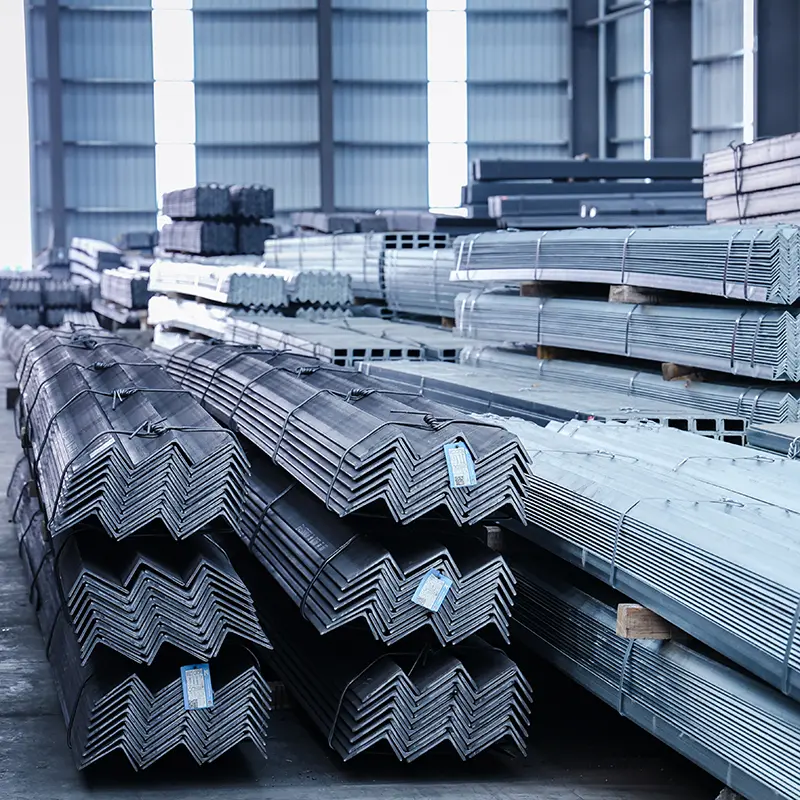
We operate 8 high-efficiency production lines with a total annual production capacity of 300,000 to 650,000 metric tons. Our extensive product portfolio includes Galvanized Steel Wire, Hot/Cold Rolled Steel Coils and Sheets, GI/PPGI, GL/PPGL, and various Section Steels, all meticulously manufactured to adhere to rigorous international standards such as GB, JIS, ASTM, DIN, EN, and AS/NZS.

Our Capabilities & Value Proposition

Twenty Years of Expertise

Nearly two decades of experience navigating global metal markets and providing structural engineering components to international buyers.

High-Capacity Production

8 state-of-the-art production lines maintaining robust annual throughput, ensuring on-time delivery for high-volume orders.

Strict Global Quality Standards

Every structural batch meets or exceeds ASTM, EN, DIN, JIS, and AS/NZS requirements, backed by ISO9001 and ISO14001 certification.

Product & Field Application Gallery

Visual representation of our core products, manufacturing divisions, and field integration.
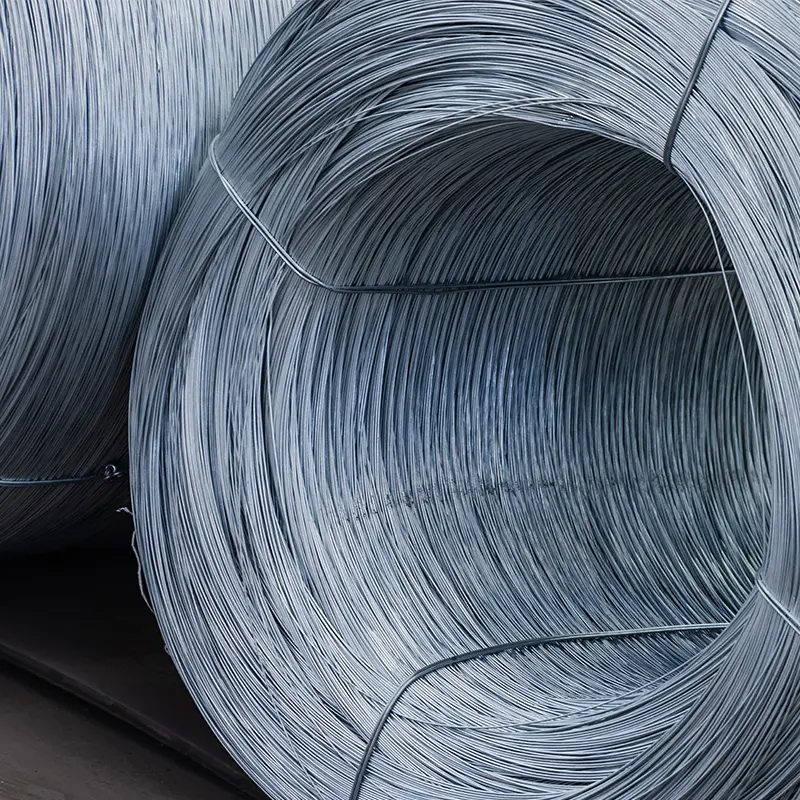
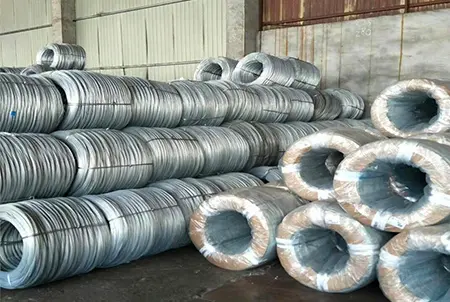
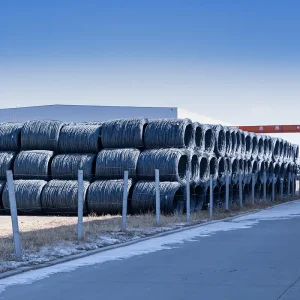
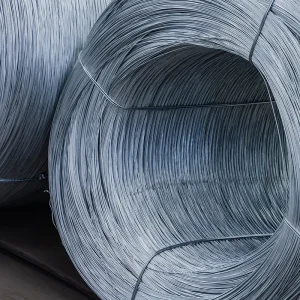
Galvanized Steel Wire

Galvanized Steel Wire

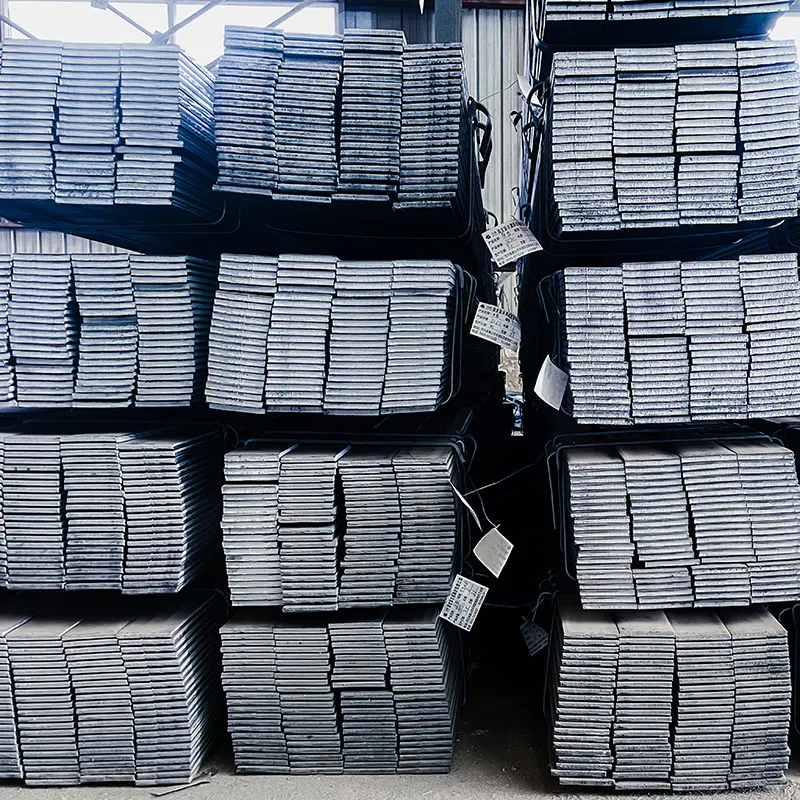
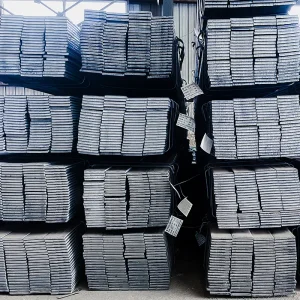
Flat bar

Flat bar

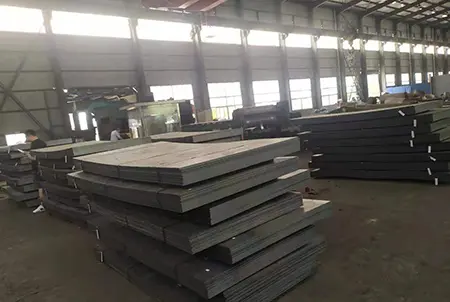
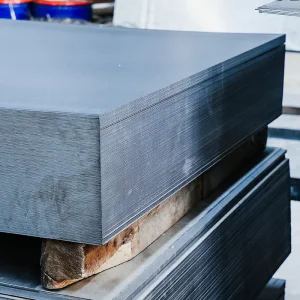
steel plank

Steel Plank

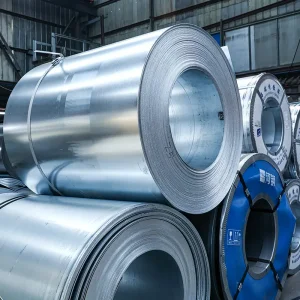
Gi coil/sheet

GI Coil / Sheet

HR coil/sheet/plate

HR Coil / Sheet / Plate

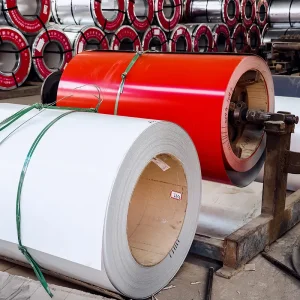
Ppgi/ppgl

PPGI / PPGL

Tube/wipe

Tube & Pipes

ZAM

ZAM Coil

Global Project Case Studies

Our materials in action across prestigious engineering landmarks worldwide.
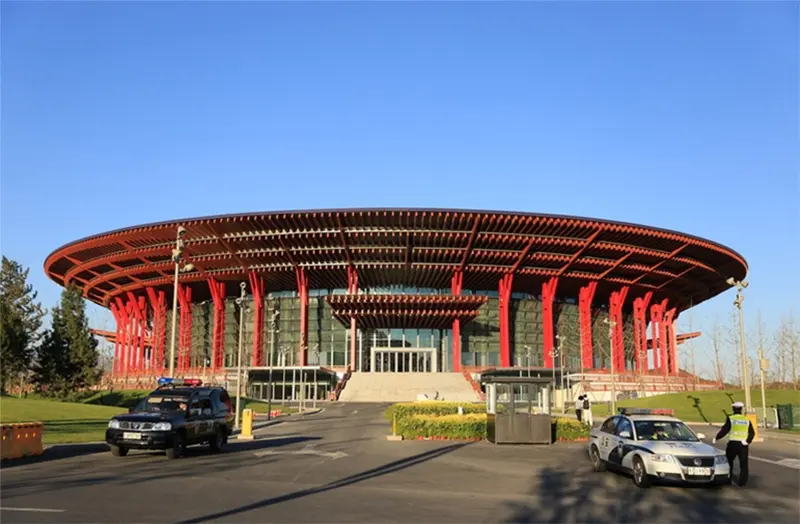
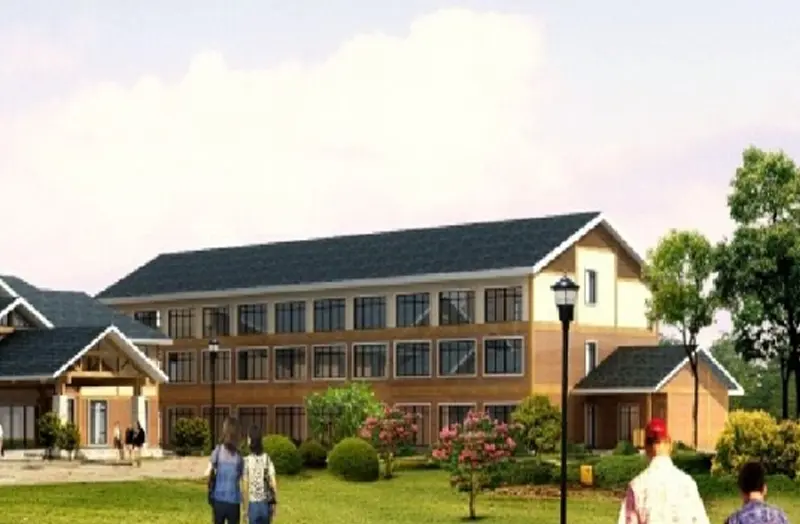
Beijing Yanxihu Convention and Exhibition Center
2013

Beijing Yanxihu Convention and Exhibition Center

South Africa Mamba Cement Project
2014

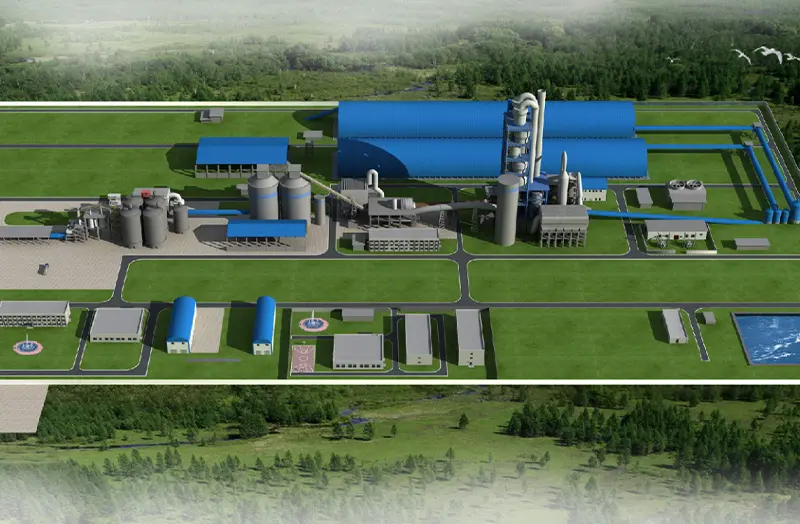
Clinker Production Line - South Africa Mamba Cement Co., Ltd.

Modern Villa to Canada
2020

Modern Villa Steel Framing Solutions to Canada

Customer Order Gallery

Shipment confirmations and logistics batches dispatched to our international network.
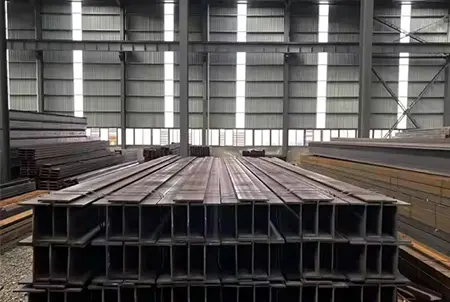
H beam to Dubai

H-Beam to Dubai

Steel plate to Saudi Arabia

Steel Plate to Saudi Arabia

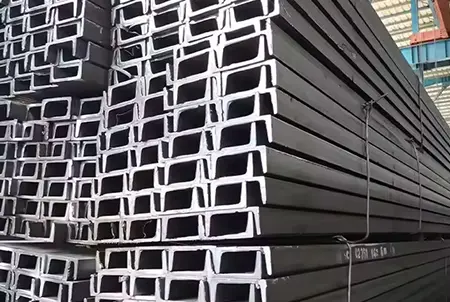
Jis channel to South korea

JIS Structural Channel to South Korea

Gi wire to Florida

GI Wire to Florida, USA

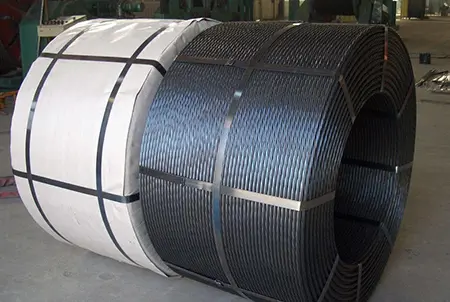
Pc strand to Philippines

PC Strand to Philippines

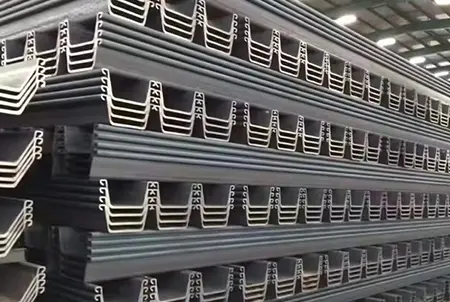
Sheet Pile to Indonesia

Sheet Pile to Indonesia

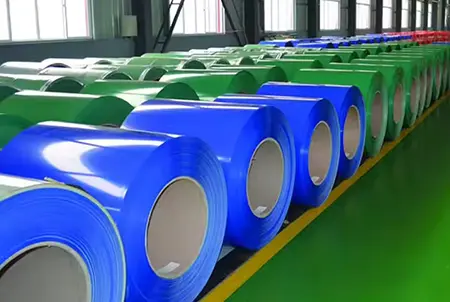
PPgi TO Chile

PPGI to Chile

Cooperative Mills & Partners

We maintain strong partnerships with major steel mills to ensure stable production.

Partner Mill 1 Partner Mill 2 Partner Mill 3 Partner Mill 4 Partner Mill 5 Partner Mill 6 Partner Mill 7 Partner Mill 8 Partner Mill 9 Partner Mill 10 Partner Mill 11 Partner Mill 12