Explore our high-performance metallic materials and custom structural components manufactured to international quality standards


Strategically situated in Tangshan City, Hebei Province—the heart of China’s steel and metallurgical industry—Hansheng Technology (Hebei) Co., Ltd. has evolved since its inception in 2006 into a leading, export-oriented enterprise. Benefiting from an exceptional logistics network, our facilities are located just 150 kilometers from the Tianjin seaport and 150 kilometers from the capital city of Beijing, ensuring rapid, cost-effective global distribution.
With nearly two decades of deep industry experience, we operate 8 high-efficiency production lines yielding an annual production capacity of 300,000 to 650,000 metric tons. Our comprehensive portfolio encompasses premium-grade Galvanized Steel Wire, Hot/Cold Rolled Steel Coils and Sheets, GI/PPGI, GL/PPGL, Zinc-Aluminum-Magnesium (ZAM) Coils, and custom aluminum/steel processing services. All materials are manufactured in strict compliance with rigorous international standards including GB, JIS, ASTM, DIN, EN, and AS/NZS under ISO 9001:2000 and ISO 14001 certification.
Our Philosophy: "Honoring contracts and keeping promises." We view our clients not just as buyers, but as long-term strategic partners, maintaining an impeccable track record of transparent execution and precise contract fulfillment.
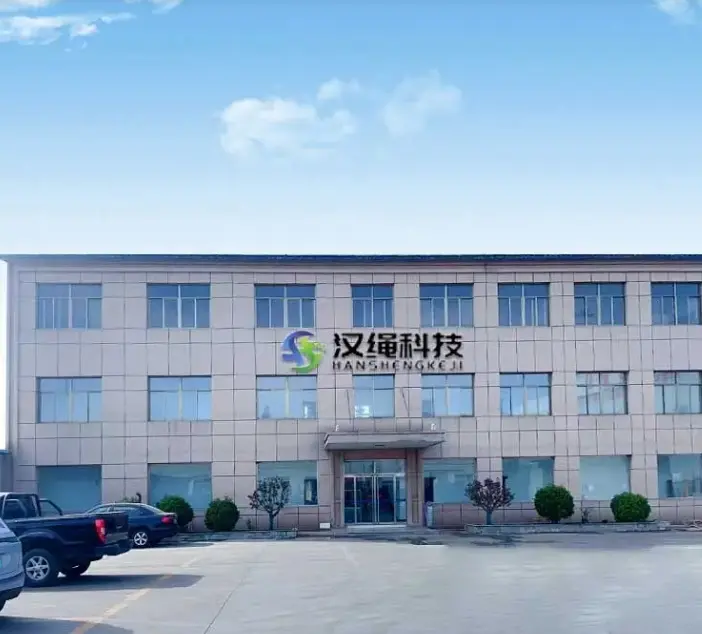
Industrial OEMs, structural fabricators, and global supply chain managers operate in highly volatile environments where precision, material traceability, and lead-time optimization dictate market competitiveness. The procurement of custom laser-cut aluminum plates is no longer just a transaction; it is a critical component of strategic product lifecycle design. Modern procurement teams prioritize factories that offer comprehensive metallurgical certification, stable material supply chains, and low-tolerance dimensional control.
In sectors such as electric vehicle (EV) battery pack enclosures, aerospace bulkheads, telecommunications chassis, and modern high-end architectural façades, the demand for custom laser-cut aluminum has grown exponentially. Aluminum alloys, notably the 5052, 6061, and 7075 series, are favored for their high strength-to-weight ratios, corrosion resistance, and thermal conductivity. However, processing these alloys requires specialized, high-power fiber lasers to prevent structural deformation and optimize edge qualities.
Laser cutting aluminum presents unique thermodynamic challenges. Unlike carbon steels, aluminum is an active, highly reflective metal with high thermal conductivity. Standard CO2 lasers often suffer from back-reflection damage when processing aluminum. Consequently, we deploy state-of-the-art Fiber Laser Systems (ranging from 6kW to 20kW). Fiber lasers operate at a wavelength of approximately 1.06 microns, which is absorbed far more efficiently by aluminum, resulting in clean, rapid vaporization.
Managing the Heat-Affected Zone (HAZ) is critical for mechanical performance. When aluminum is heated during the cut, its temper state (such as T6 in 6061-T6) can be locally degraded, leading to a reduction in yield strength along the cut edge. Our engineers utilize high-pressure Nitrogen (N2) assist gas to purge the molten metal instantly from the kerf. This minimizes heat conduction into the bulk metal, maintains mechanical properties, and delivers a dross-free edge that eliminates the need for costly secondary deburring operations.
Technical Insight: Assist gas purity directly impacts edge oxidation. By utilizing 99.999% pure Nitrogen, we guarantee oxide-free cut faces, which is an essential requirement if the plates are to undergo subsequent structural welding or high-performance coating.
High-precision cut plates are the bedrock of heavy engineering, architectural designs, and global logistics. Hansheng Technology has consistently delivered robust metal components for critical global landmarks and industrial installations. From localized structural steel support systems to precision aluminum cladding panels, our projects represent real-world reliability.
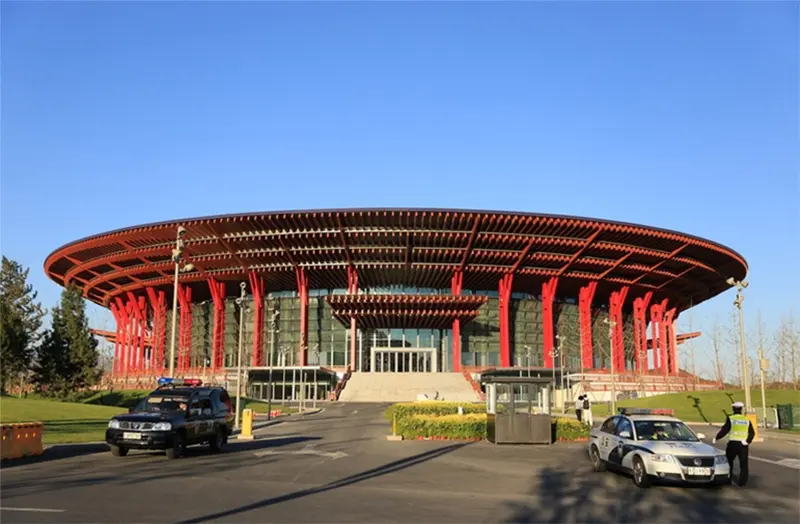
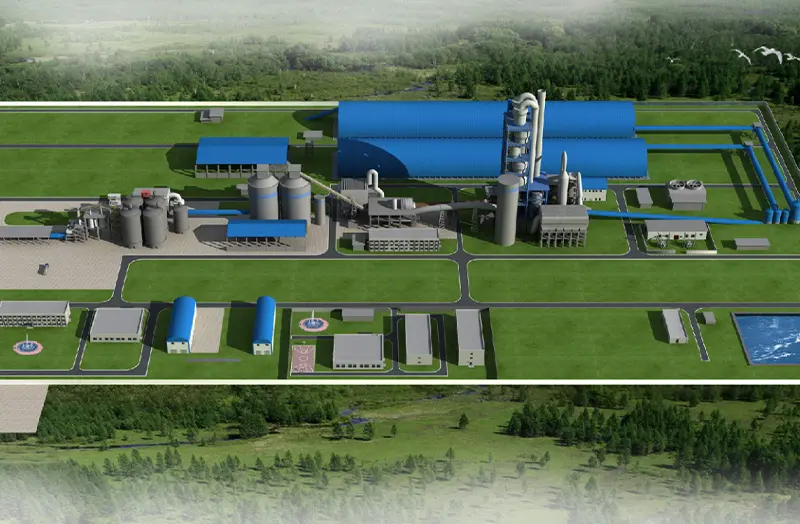
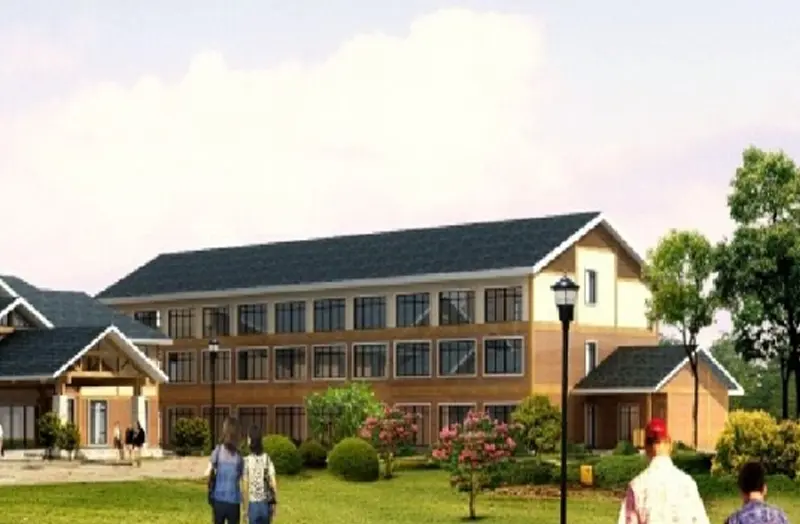
Beyond steel and heavy construction framing, our processing division designs customized solutions for:
Ensuring quality across global jurisdictions means matching production capabilities with recognized international frameworks. Every batch of custom laser-cut plates processed at our facilities is accompanied by mill test reports detailing precise chemical compositions (Silicon, Iron, Copper, Manganese, Magnesium, Chromium, Zinc, and Titanium percentages) and mechanical traits (tensile strength, yield strength, and elongation percent).
Located in the Bohai Bay Economic Circle, we leverage our geographic advantage to reduce transit lead times. Shipping from Tianjin Port allows for secure bulk or containerized containerization, reducing handling damage and ensuring that flat bars, coils, and cut plates reach regions like North America, Europe, the Middle East, and Southeast Asia without structural deflection.

Below are the most common inquiries from senior engineering leads, buyers, and quality assurance personnel regarding custom aluminum plate laser cutting and procurement operations.
Complete your procurement requirements with our certified structural wire, coil, and profile steel series


 Hanshen