 Hanshen
1. Executive Summary & The Global Marine Steel Paradigm
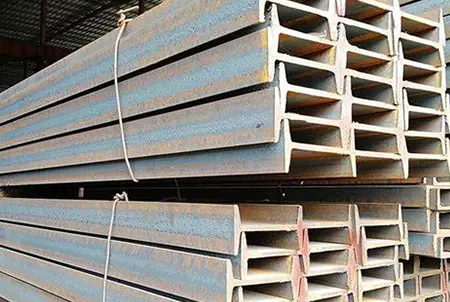
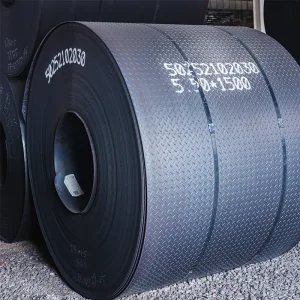
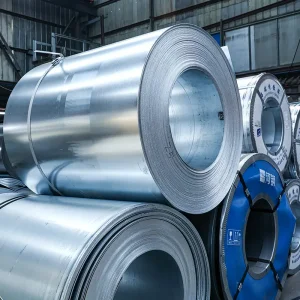
In modern offshore construction, shipbuilding, and maritime engineering, material reliability is not merely a specification—it is a critical parameter of operational safety and structural survival. Marine-Grade Flat Steel constitutes the foundational backbone of vessels, drilling platforms, harbor facilities, and undersea structures. With structural failures at sea carrying catastrophic environmental and economic costs, selecting custom marine-grade flat steel manufactured to rigorous standards (such as ABS, DNV-GL, LR, and ASTM A131) is the ultimate risk mitigation strategy.
The commercial marine steel landscape is currently undergoing a massive structural shift. Rising global trade volumes, deep-sea oil and gas exploration, and the expansion of massive wind energy installations in offshore locations have driven the demand for specialized, high-yield, and anti-corrosive flat steel products. Custom marine flat steel is expected to survive under extreme hydrostatic pressure, continuous saline spray, low temperature thermal shocks, and constant structural loading. As a result, engineering firms and shipyards no longer look for generic mild steel; they demand custom chemical formulations and precise rolling dimensions from verified, authoritative manufacturers.
Corrosion Mitigation
Saline environments act as electrolytes that accelerate steel oxidation. Our custom formulation limits pitting, crevice corrosion, and galvanic degradation through optimized alloying elements like Chromium and Nickel.
High-Tensile Integrity
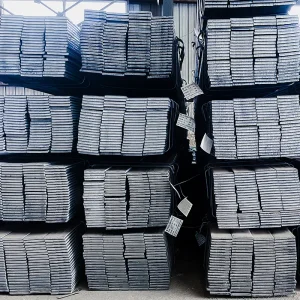
Our flat steel bars and plates are designed to meet standard yields exceeding 355 MPa (such as AH36, DH36, and EH36 structural steel classes), permitting reduced overall vessel weight without compromising strength.
Certified Compliance
Every batch of marine steel undergoes rigorous non-destructive testing, ultrasonic checks, and Charpy impact trials, meeting DIN, ASTM, JIS, and GB regulatory codes.