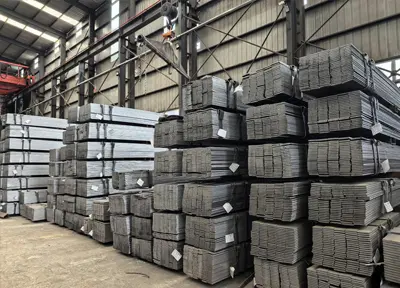
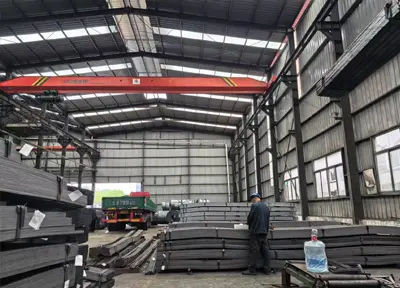
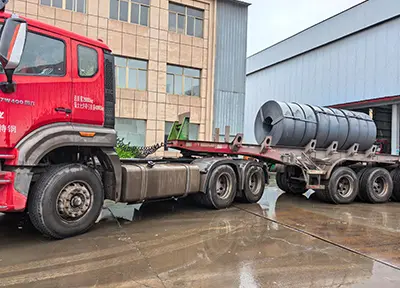
Direct supply line from Tangshan structural manufacturing lines, adhering to global structural standards.
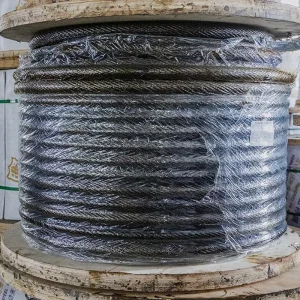
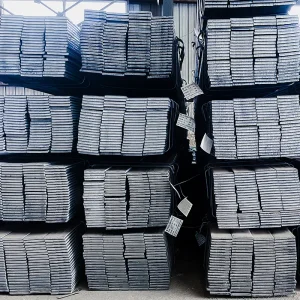
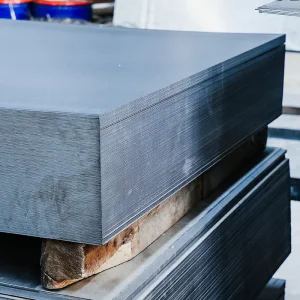
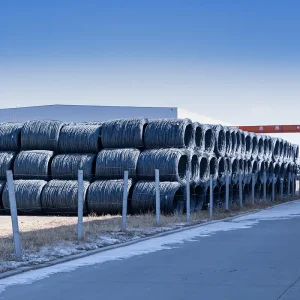
In the modern manufacturing sector, raw material specifications define the limits of structural efficiency, safety compliance, and financial margin optimization. Among these materials, the Mill Finish Aluminum Patterned Coil (often referred to as embossed sheet, tread plate, or checker coil) holds a critical role. Utilizing the raw, unpolished, yet highly uniform surface properties directly from the rolling mill, these components deliver a highly structured surface morphology that resists slippage, handles mechanical stress, and offers outstanding weight reduction compared to ferrous structural metals.
To understand the growth of this sector requires a look at metallurgical science and structural engineering. The term "Mill Finish" indicates the surface state of the metal as it exits the cold rolling mill, without supplementary chemical, mechanical, or electrochemical treatments. It retains the native oxide layer that naturally passivates the underlying aluminum matrix against atmospheric oxidation. By applying cold work roll forming via engraved rolls, the material is formed with three-dimensional textures, such as the classic 5-bar pattern, stucco configurations, or single diamond profiles. This combination yields a light, durable, and highly corrosion-resistant material utilized across transport logistics, marine platforms, energy grids, and chemical processing facilities.
Unlike carbon steel, which requires heavy zinc coatings or painting to delay oxidation, mill finish aluminum alloys generate a continuous, self-healing amorphous alumina (Al₂O₃) barrier layer. This natural skin acts as an environmental seal, maintaining integrity in pH neutral and moderately acidic systems without the need for post-processing coats, optimizing both life-cycle cost and industrial sustainability.
The international supply and logistics flow for mill finish aluminum patterned coils shows strong growth patterns. According to global metallurgical supply chain indexes, market demand is driven by the transportation, clean energy, and maritime infrastructure sectors. With global logistics hubs focusing on reducing transport emissions, reducing truck and trailer deadweight has shifted from a design choice to a regulatory necessity. This transition relies on pattern aluminum sheets for cabin steps, interior floors, container panels, and tail lifts.
From a geographic perspective, East Asia—led by strategic industrial corridors such as the Bohai Bay Economic Rim, anchored by logistics routes out of Tangshan and Tianjin Port—remains a major global source of high-yield aluminum rolling capacity. Suppliers situated near massive steel and metallurgical centers benefit from integrated heating, rolling, transport, and raw material access. This close proximity to deepwater maritime channels like Tianjin Seaport allows for fast dispatch of large bulk coils to Europe, the Americas, and Southeast Asia. The commercial focus has changed: global procurement directors no longer simply seek low costs; they require strict adherence to international standards, clear supply chains, and reliable deliveries.
The evolution of mill finish patterned aluminum manufacturing is governed by two main trends: metallurgical refinement and digital rolling technologies.
| Alloy Grade | Primary Elements | Common Tempers | Tensile Strength (MPa) | Typical Applications |
|---|---|---|---|---|
| AA 1050 / 1060 | Al ≥ 99.5% | O, H14, H24 | 60 - 140 | Chemical containment, insulation jacketing, decorative panels |
| AA 3003 | Al-Mn (Manganese) | H14, H22, H24 | 110 - 190 | General utility trailers, fuel tank covers, cold storage flooring |
| AA 5052 | Al-Mg (Magnesium) | H32, H34, H114 | 190 - 260 | Marine decking, offshore structures, heavy transport vehicles |
| AA 5754 | Al-Mg (Magnesium) | H111, H114, H22 | 190 - 240 | Automotive floor linings, industrial stairs, railway walkways |
Understanding localized demands is essential for matching the correct alloy grade to the installation site. Here is a breakdown of how mill finish aluminum patterned coils are specified globally:
North American Transportation Infrastructure: In the United States and Canada, cargo trailer manufacturing lines consume large quantities of 3003-H22 and 5052-H32 patterned coils. These are processed into diamond plate stone guards, floorboards, and toolboxes. In regions with harsh winter road-salting programs, the high corrosion resistance of the raw aluminum alloy helps prevent the surface decay common in traditional carbon steel options.
European Marine and Industrial Access Systems: Industrial safety standards in the European Union (such as EN 14122) mandate specific slip-resistance classifications for walkways and work platforms. The 5-bar patterned coil, typically produced from marine-grade 5754 or 5052 alloy, is highly valued by European offshore oil platforms, maritime vessel builders, and water treatment plants because of its anti-slip properties, even when contaminated by seawater or drilling lubricants.
Middle Eastern Architectural and HVAC Integration: Under high-ambient UV radiation and arid, salt-laden environments, local builders use stucco-embossed aluminum coils for outer cladding and air conditioning duct jackets. The non-directional reflective properties of the stucco finish reduce thermal load by dispersing direct sunlight while maintaining structural stiffness in thin-gauge material.
Procurement strategy requires more than buying a raw product; it demands complete industrial integration. Hansheng Technology (Hebei) Co., Ltd. provides customized solutions by integrating raw material selection, custom processing, and global logistics.
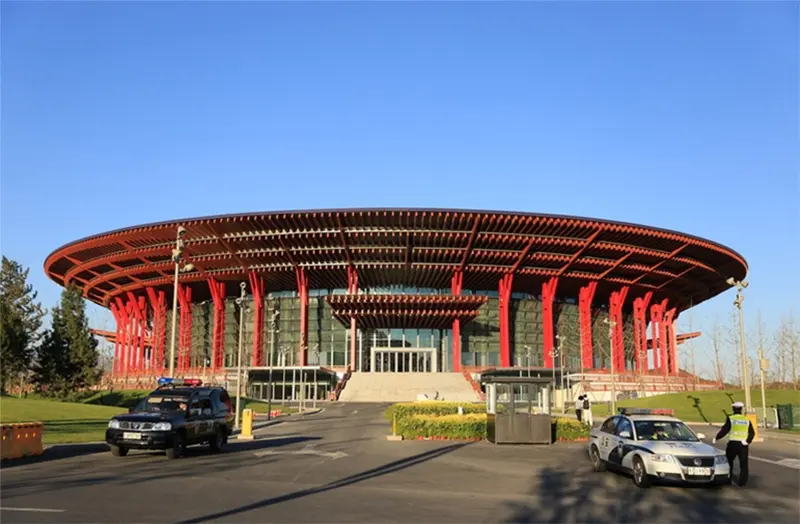
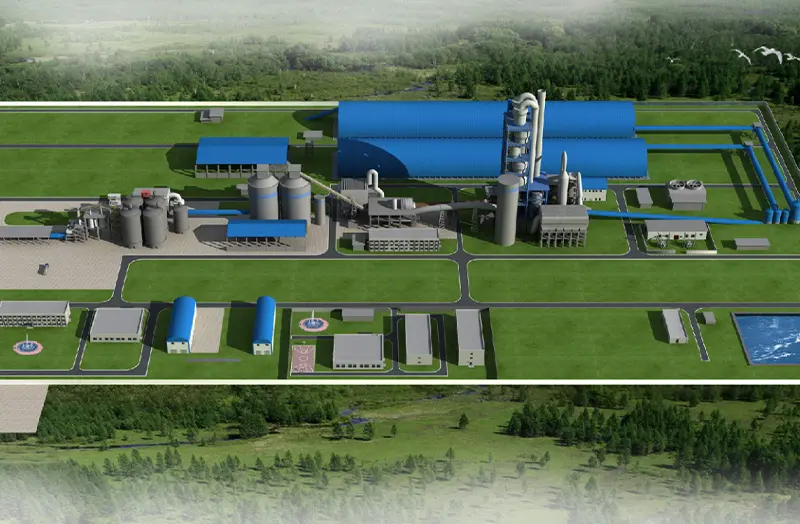
For large-scale infrastructure projects, such as the *Beijing Yanxihu Convention and Exhibition Center* or the *Mamba Cement Plant in South Africa*, materials must align with strict mechanical standards. Our teams coordinate with fabrication plants to supply pre-cut, flat, and stress-relieved sheets directly to site. This minimizes waste, accelerates building processes, and ensures that the material arrives in excellent condition, protected by custom transit coatings and packaging designed to resist ocean humidity during long sea voyages.
Operating on the foundational principle of "honoring contracts and keeping promises," we connect industrial scale with customer-centric service, supplying quality materials across the globe.
Providing high-precision steel and aluminum solutions backed by certified quality control networks.
Every production run conforms to GB, JIS, ASTM, DIN, EN, and AS/NZS specifications, ensuring international performance consistency.
Our 8 continuous rolling lines deliver uniform mechanical properties, stable flatness, and distinct pattern embossing.
Located in Tangshan, only 150 km from Tianjin seaport, we leverage local logistics hubs to secure cost-effective container and bulk freight.
Detailed insights from our engineering and quality assurance departments.
The primary structural difference lies in the alloying elements. AA 3003 is alloyed with Manganese (Mn), which increases strength by about 20% compared to pure 1100 aluminum, making it easy to form and bend. AA 5052 is alloyed with Magnesium (Mg), which provides higher tensile strength, superior marine corrosion resistance, and greater fatigue strength. While 3003 is suitable for light transport components, toolboxes, and decorative elements, 5052 is preferred for structural platforms, ship decks, and chemical environments.
A Mill Finish aluminum surface relies on its native, micro-thin alumina layer to resist corrosion. In normal atmospheric, neutral pH environments, this layer maintains surface integrity. However, in environments with high concentrations of marine chloride or industrial acid, we recommend using a protective anodized finish or specifying marine-grade alloys such as 5052 or 5754, which form a highly stable oxide film.
The most common anti-slip patterns are the 5-bar (quintuple bar), 3-bar, 1-bar (diamond), and stucco finishes. The 5-bar design provides multi-directional grip, making it a standard choice for heavy vehicle steps, factory ramps, and industrial flooring. Diamond patterns are popular for light utility vehicles and decorative trims due to their aesthetic appeal. Stucco patterns are primarily used to diffuse light, reduce glare, and add rigidity to thin cladding sheets.
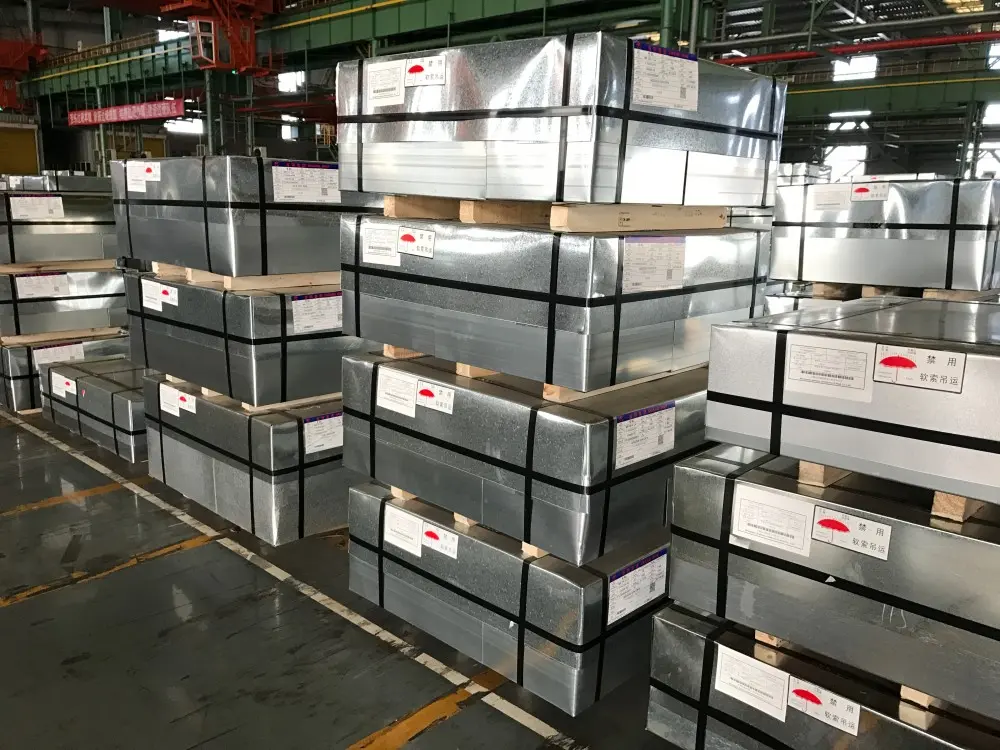
We apply professional preservation techniques, including interleaving with dry acid-free paper, using protective plastic films, and applying high-density moisture-absorbent packaging. Coils are tightly bound on reinforced wooden skids to prevent transit rubbing, which helps avoid black oxidation spots and surface scratches during sea transport.
A proven record of delivering high-specification structural materials to global infrastructure and engineering projects.





Premium metal components and architectural reinforcement sections manufactured to certified tolerances.
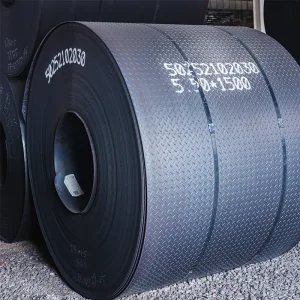
Contact our engineering department to coordinate custom alloy chemistry and roll pattern widths.
 Hanshen