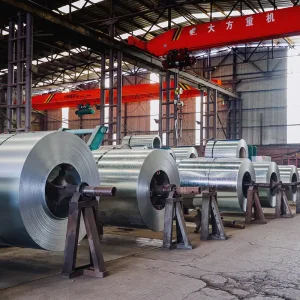
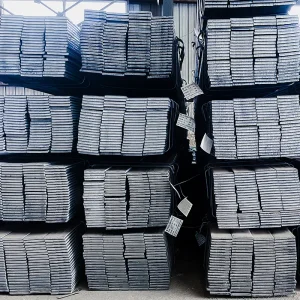
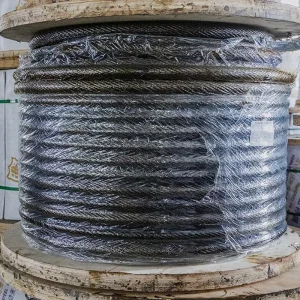
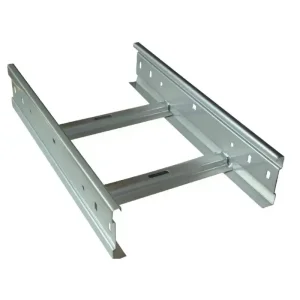
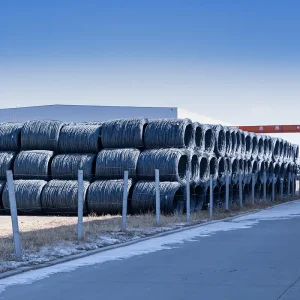
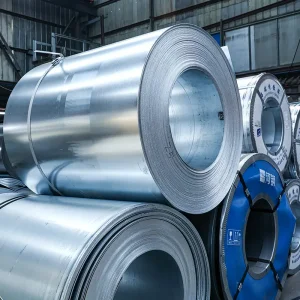
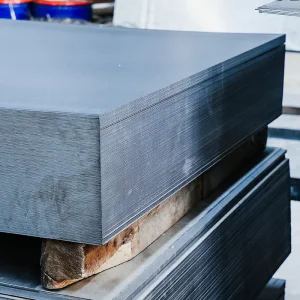
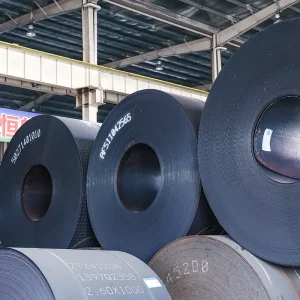
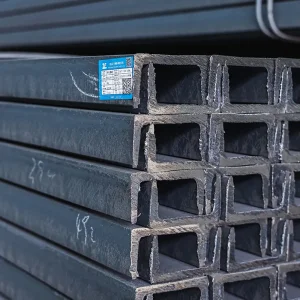
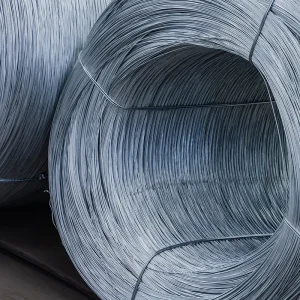
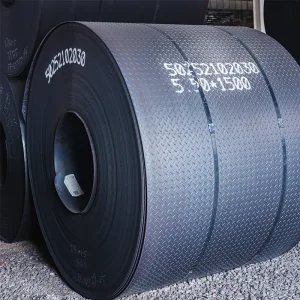
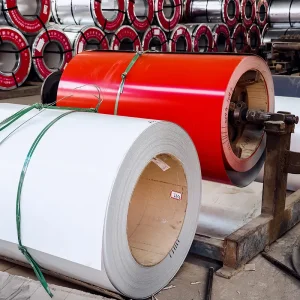
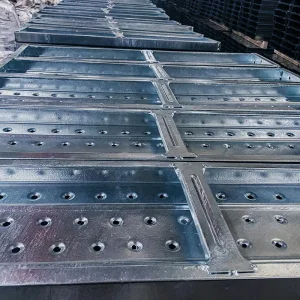
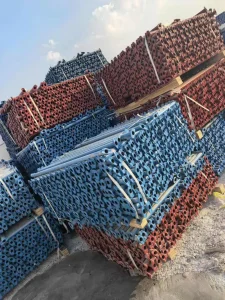
Explore our premium grade materials manufactured in our state-of-the-art production lines.
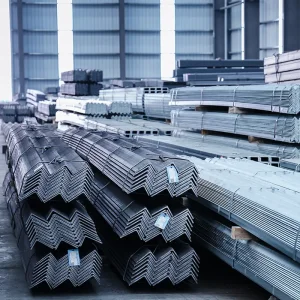
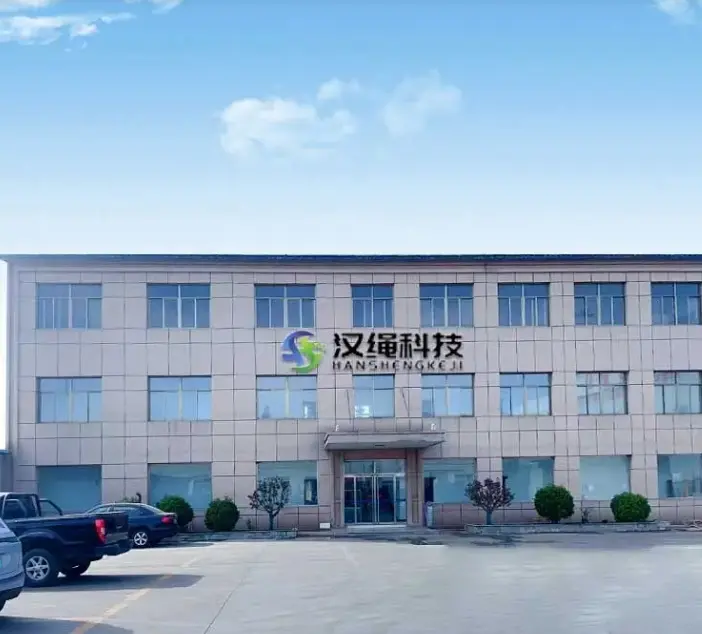
Strategically situated in Tangshan City, Hebei Province—the absolute epicenter of China’s steel manufacturing cluster—Hansheng Technology benefits from an exceptional logistics network. Our state-of-the-art facility is located just 150 kilometers from both the major international shipping hub of the Tianjin seaport and the capital city, Beijing. This location guarantees quick delivery and robust shipping solutions for global structural projects.
Established in 2006, our enterprise has spent nearly two decades refining production pathways and supplying premium-grade steel structures to international markets. Operating 8 high-capacity, high-efficiency production lines, we maintain an annual capacity of 300,000 metric tons (extending up to 650,000 tons with integrated partner capacities), ensuring a reliable supply of customizable components.
We work to strict international specifications, manufacturing in compliance with major structural codes including GB, JIS, ASTM, DIN, EN, and AS/NZS. Backed by ISO 9001:2000 and ISO 14001 environmental certifications, we ensure every production run meets precise requirements for flatness, straightness, hole alignment, and structural integrity.
A comprehensive analysis of high-strength structural perforated steel panels, technical standards, and engineering calculations.
For custom perforated flat steel, the open area ratio determines both light/air transmission and structural load capacity. Mechanical designers must balance ventilation and weight reduction against yield strength reduction. Hansheng offers detailed calculations using precise formulas to calculate open area percentages for round, square, slotted, and hexagonal configurations in straight or staggered alignments.
We use multiple fabrication techniques to meet specific application requirements. High-speed mechanical turret punching provides cost efficiency for high-volume orders, while advanced laser cutting systems handle thick flat steel and complex patterns without thermal deformation. For precision electronics or fine filtration, chemical etching produces clean openings without burrs or residual stress.
Introducing patterns changes the flat steel strip's mechanical characteristics. Finite Element Analysis (FEA) is utilized to evaluate load paths. Perforated flat steel exhibits anisotropic behavior based on structural orientation (longitudinal vs. transverse). We provide mechanical charts listing the Equivalent Elastic Modulus (E*) and Equivalent Yield Strength (S*) for each hole configuration.
Engineering parameters, dimensions, and alloy classes for industrial and structural applications.
| Material Class | Thickness Range | Width Capacity | Hole Shapes | Standards Compliance |
|---|---|---|---|---|
| Mild Carbon Steel (Q235, A36, S235JR) | 1.0 mm - 12.0 mm | 20 mm - 1250 mm | Round, Square, Slotted, Hexagonal, Custom | ASTM A36, GB/T 700, EN 10025 |
| Zinc-Aluminum-Magnesium (ZAM) Alloy Steel | 0.5 mm - 4.0 mm | 50 mm - 1000 mm | Standard Perforations, Custom Louvre Patterns | JIS G3323, EN 10346 |
| Stainless Steel (SS304, SS316, SS430) | 0.8 mm - 8.0 mm | 20 mm - 1200 mm | Precision Micro-Holes, Industrial Round Slots | ASTM A240, EN 10088 |
| High-Strength Low-Alloy (HSLA) Steel | 2.0 mm - 10.0 mm | 30 mm - 800 mm | Reinforced Slotted, Structural Heavy Duty | ASTM A572, GB/T 1591 |
Explore how custom perforated flat steel serves critical industrial, architectural, and environmental projects worldwide.
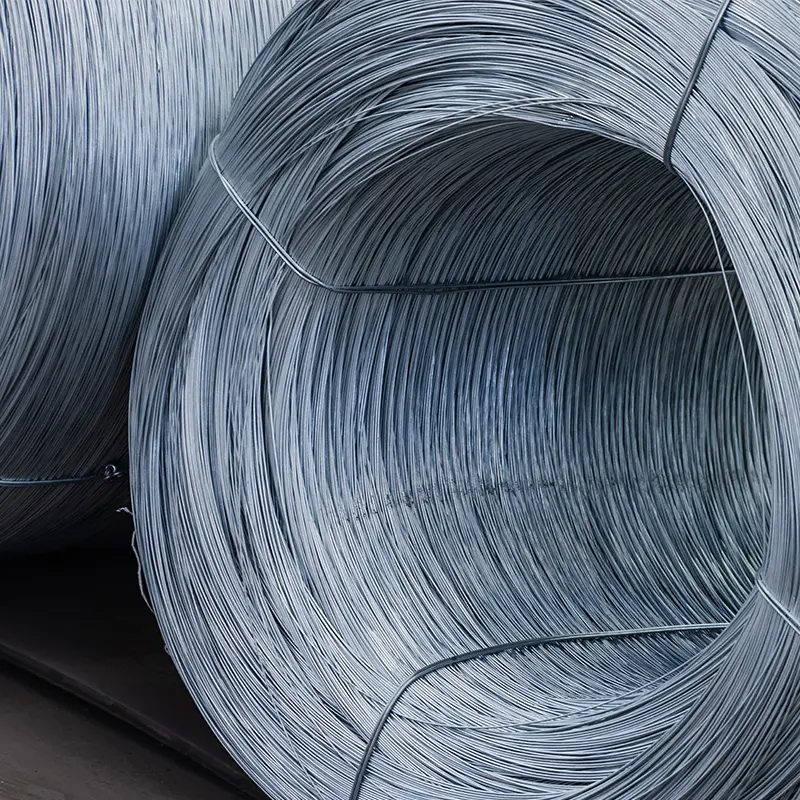
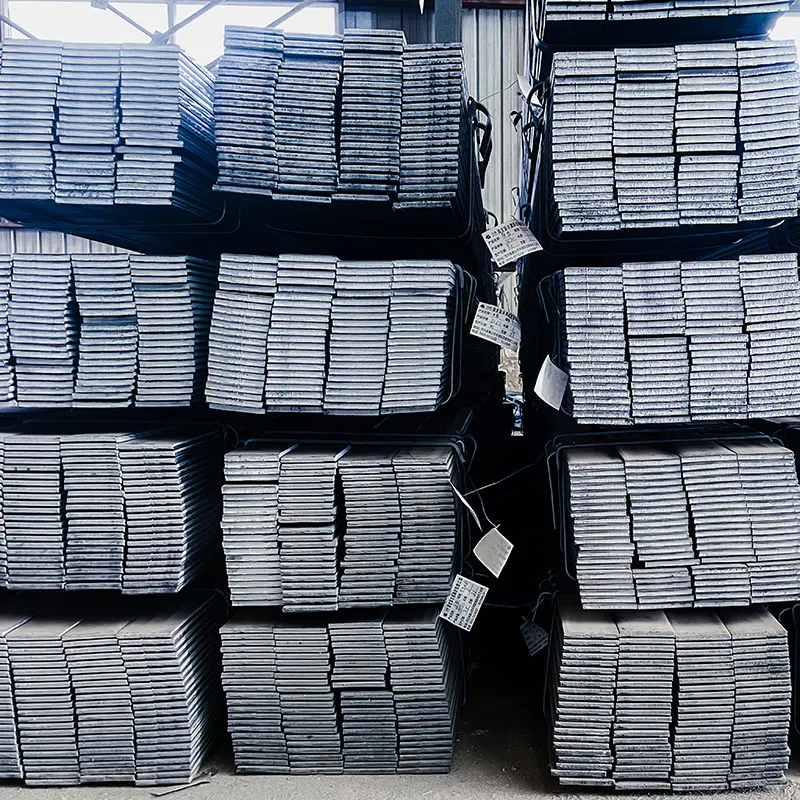
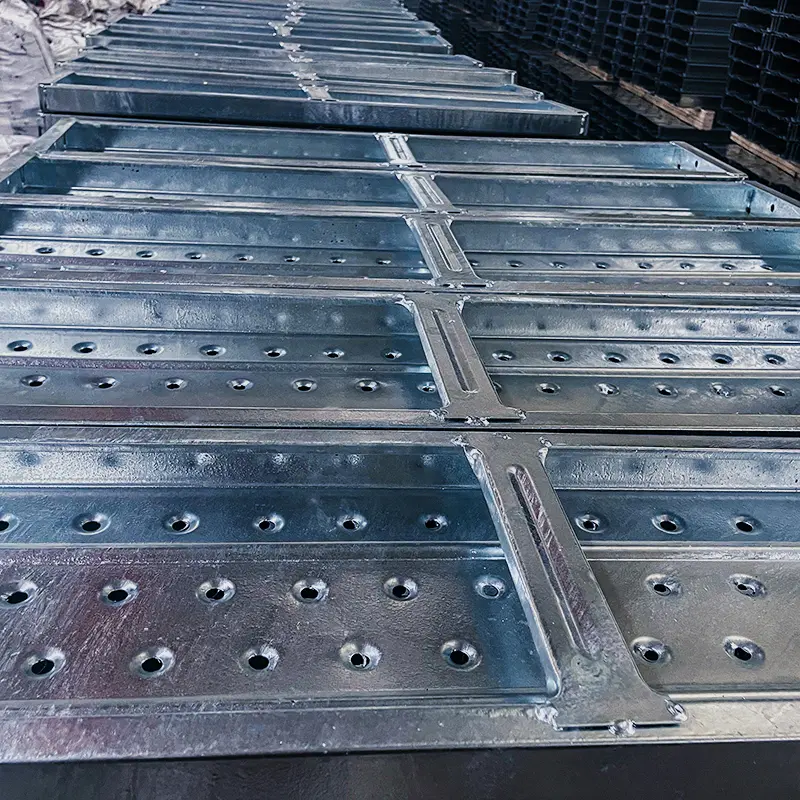
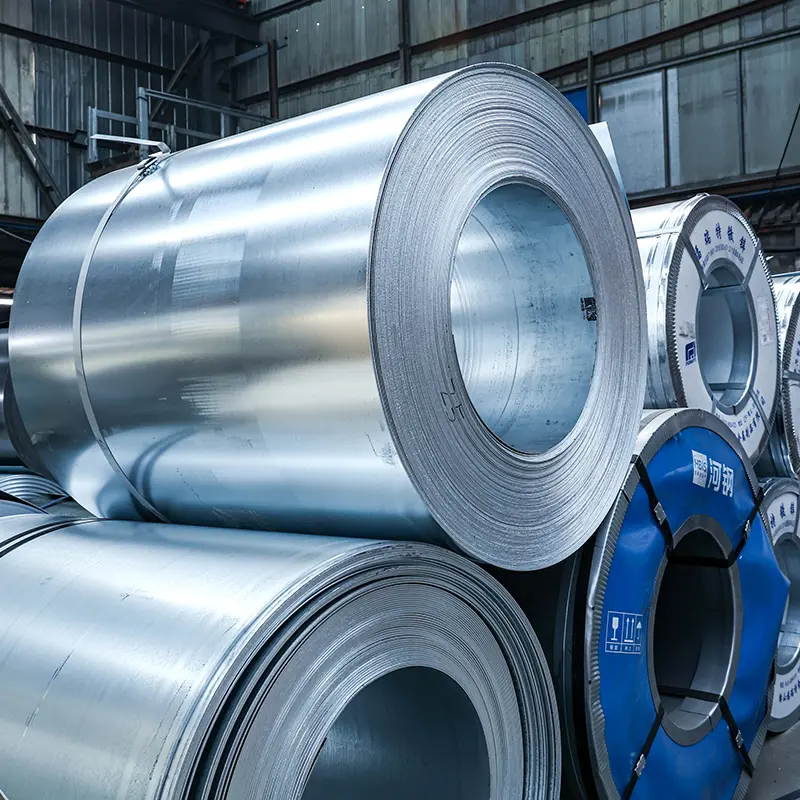
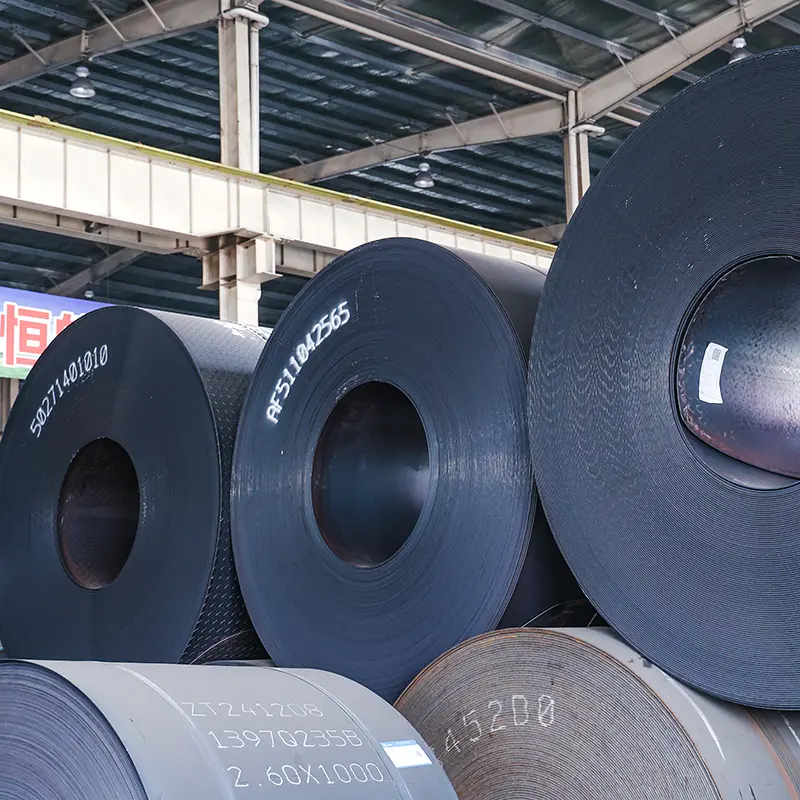
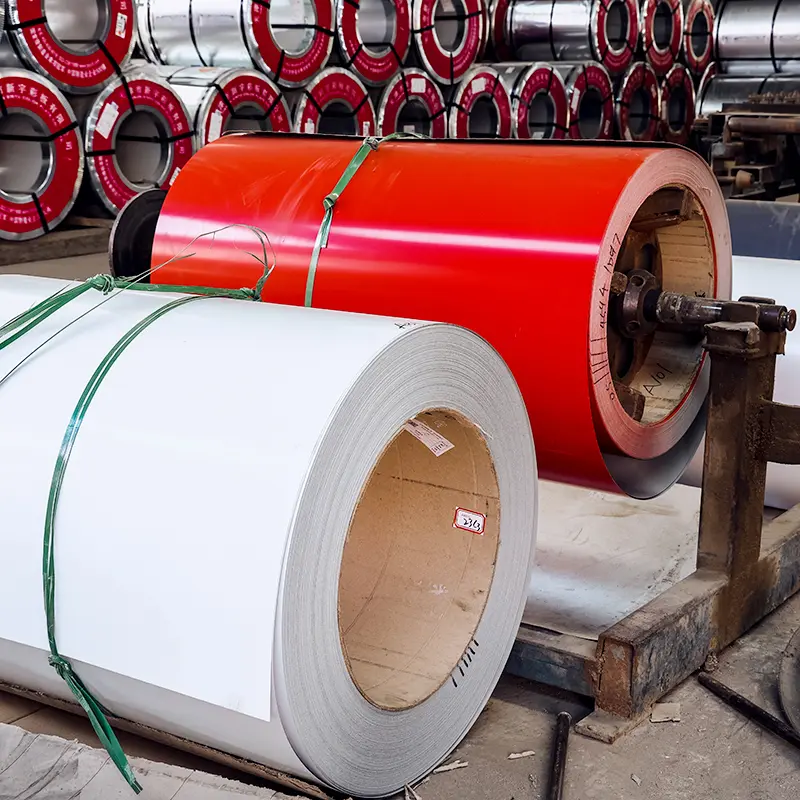
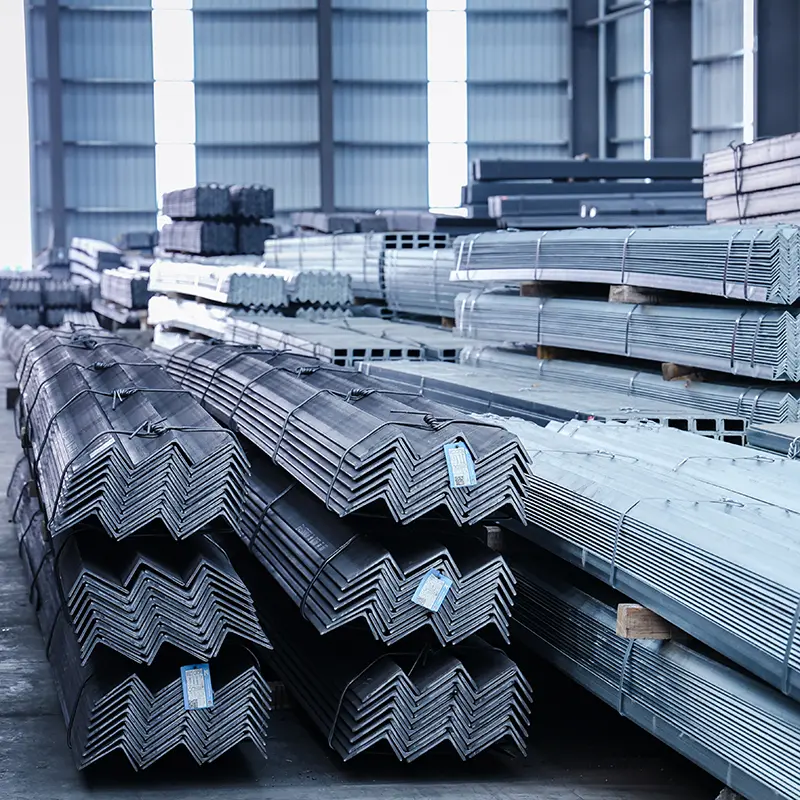
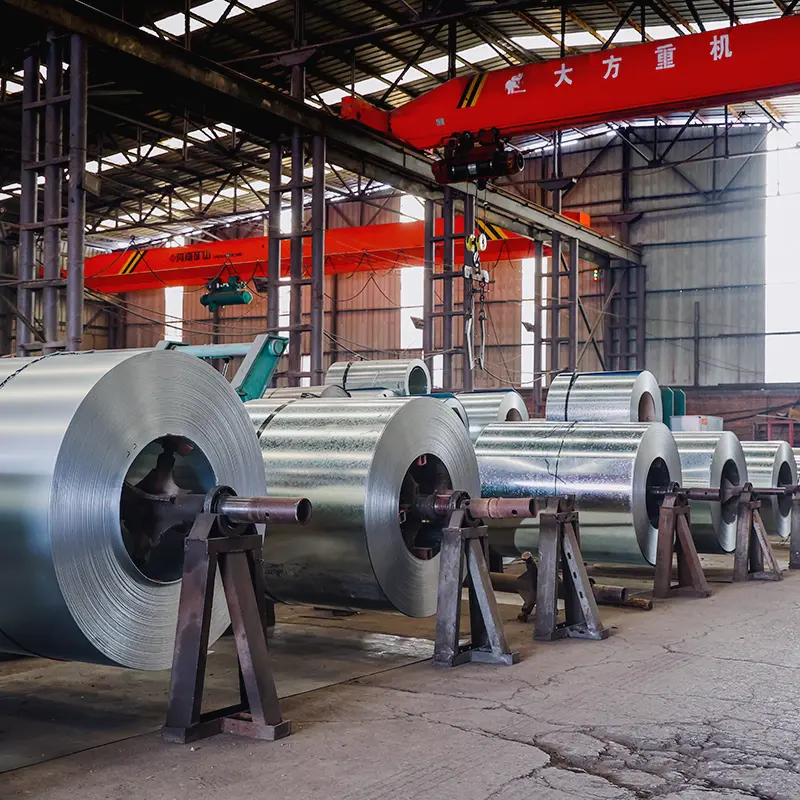
A proven history of performance across international commercial and heavy industrial projects.
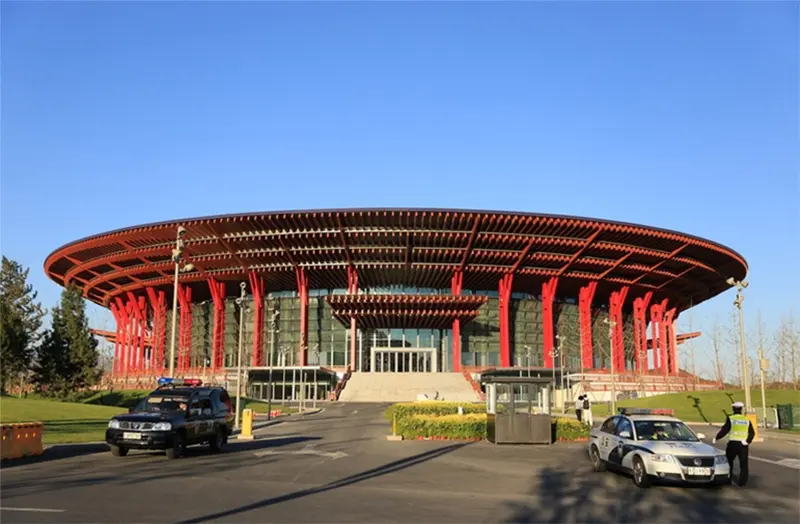
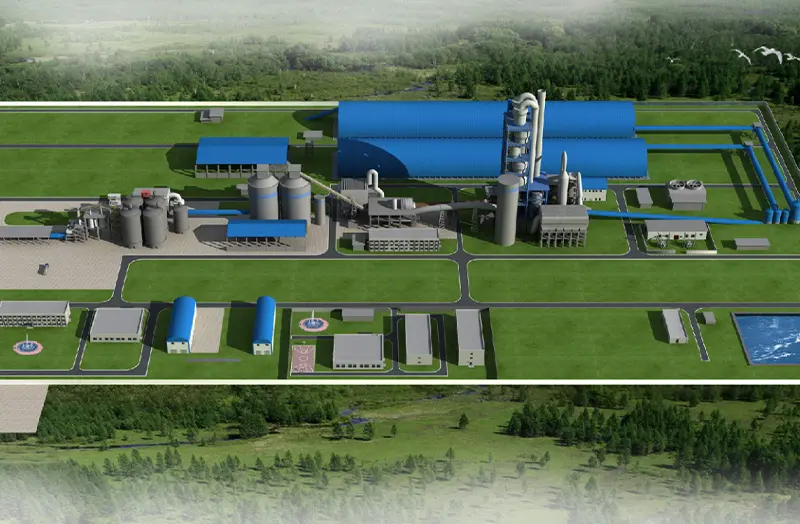
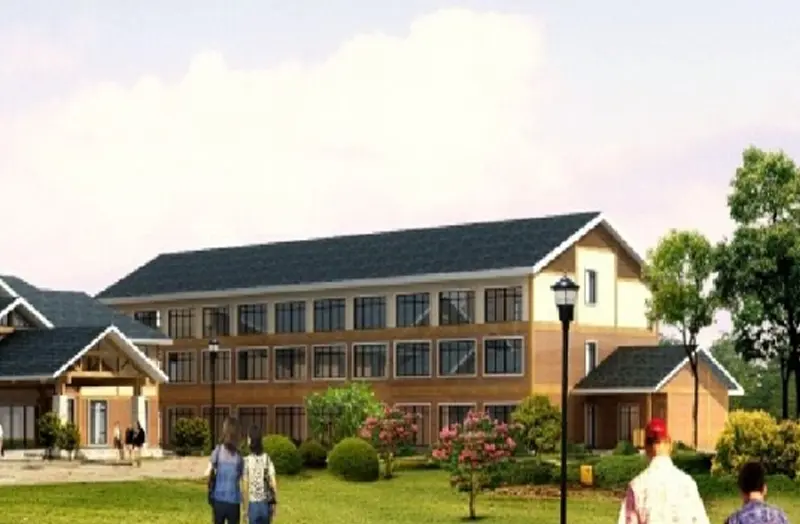










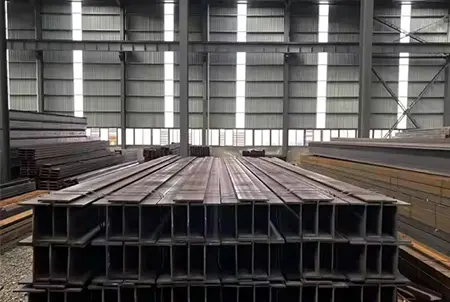
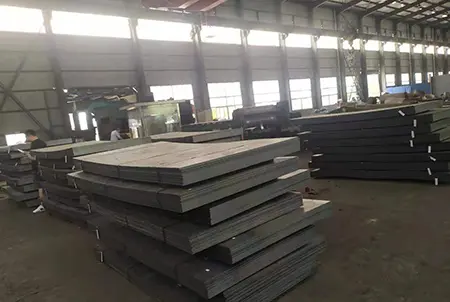
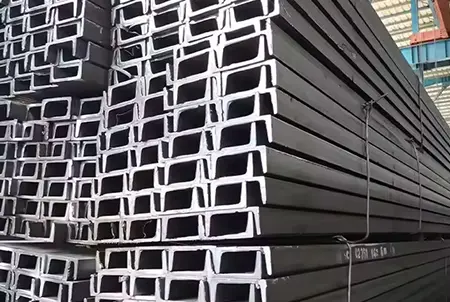
A record of our international freight orders shipped to partners across global ports.
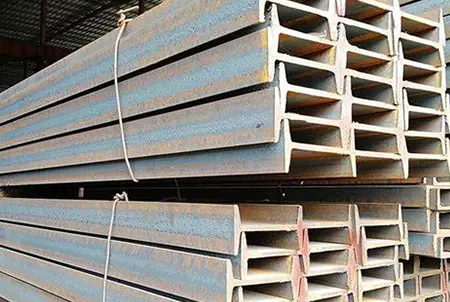
How Hansheng is innovating fabrication methodologies for sustainability and structural efficiency.
As carbon output standards tighten globally, we are modernizing our processing routes. By using high-efficiency electric arc furnace (EAF) raw materials and reducing secondary stamping lubrication waste, Hansheng is lowering the embodied carbon of our perforated flat steel. This supports international compliance for green building certifications like LEED and BREEAM.
Traditional hot-dip galvanization is transitioning toward ZAM alloy coatings. Zinc-Aluminum-Magnesium provides excellent self-healing performance on perforated inner edges. When exposed to the elements, a protective film of zinc carbonate and basic magnesium chloride forms over the cut edges, preventing corrosion in industrial and marine environments.
Our upcoming production lines will integrate CNC mechanical punching with high-speed fiber laser cutting systems. This hybrid tooling setup allows structural designers to combine complex layouts with standard pattern spacing in a single run, reducing production time and lowering costs for customized steel sheets.
Detailed technical answers addressing core design challenges, mechanical behaviors, and material selections.
Explore our full selection of high-performance steel products, manufactured to strict international quality standards.
 Hanshen