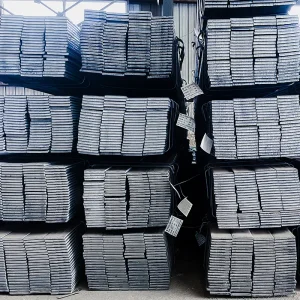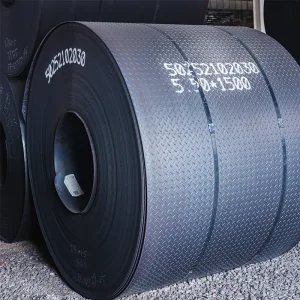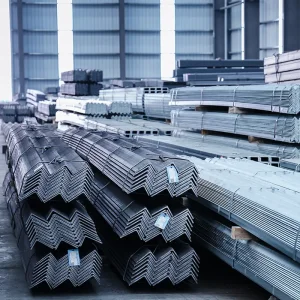
Polished stainless flat bars represent a critical subset of high-precision steel profiling. Far beyond simple structural support components, these products combine structural mechanical performance with long-term chemical durability. Modern infrastructure, luxury commercial design, sanitation machinery, and maritime hardware require materials that resist oxidation and mechanical wear while presenting an aesthetically pleasing, pristine surface finish.
Manufactured typically from austenitic (304/304L, 316/316L) or ferritic/martensitic (430, 410) steel grades, stainless steel flat bars achieve their exceptional surface standards through precision cold drawing and multi-stage polishing. The process relies on mechanical polishing steps using silicon carbide or aluminum oxide abrasives to achieve specific surface roughness thresholds, measured as Ra (Roughness Average). For critical decorative and sanitary applications, mirror-finished 8K surfaces achieve Ra ratings below 0.05μm, minimizing micro-cracking where dirt and corrosive salts could accumulate.
Furthermore, selecting the right raw material and alloying elements (such as chromium, nickel, and molybdenum) is essential. The chromium content (ranging from 16% to 20%) ensures the generation of a self-repairing chromium oxide passive layer, which blocks oxygen penetration and prevents corrosion. When application parameters include chloride environments, adding 2-3% Molybdenum in grade 316 prevents localized pitting, ensuring decades of reliable service.
The global stainless steel processing industry is transitioning through a technological evolution driven by two major market forces: the push for lower carbon emissions and the adoption of high-precision CNC automation.
Global environmental policies require manufacturers to decrease energy consumption. Modern mills utilize Electric Arc Furnaces (EAF) powered by renewable energy sources, resulting in up to a 60% drop in Scope 1 and Scope 2 carbon emissions during raw steel melting. Choosing low-carbon footprint flat bars helps multinational clients reach their ESG targets.
Modern fabrication relies heavily on automated fiber lasers. Flat bars must demonstrate high dimensional consistency and flat surfaces to prevent processing anomalies. Traditional edge shearing often leaves localized stress and micro-warping. The industry trend is moving toward cold-rolled, precision slit-edge flat bars that maintain straightness tolerances within 1.0mm/m.
Mechanical hand-polishing has been replaced by multi-head inline buffing lines. Integrated sensors track belt pressure and temperature in real-time, preventing overheating that can disrupt the metal's crystalline structure. This ensures a consistent finish across large production batches, matching ASTM surface standards.
Enterprise buyers evaluate flat bar suppliers on complex metrics beyond unit price. Global sourcing managers balance mechanical certification, chemical compliance, and supply chain logistics to control Total Cost of Ownership (TCO). Strategic procurement decisions focus on three main factors:
Products must conform strictly to international specifications, including ASTM A276 (Standard Specification for Stainless Steel Bars and Shapes), ASTM A479 (for boilers and pressure vessels), or European EN 10088-3. Buyers expect Mill Test Certificates (MTC) matching EN 10204 3.1, providing heat numbers and chemical analysis traceable to the original melt shop.
During sea transport, exposure to high humidity and saltwater can cause micro-corrosion. To prevent this, buyers look for suppliers who apply protective PVC or laser-compatible PE film (typically 80-100 microns thick) on polished surfaces, packed securely in wooden cases to prevent metal-on-metal friction.
Sensing heads on automatic welding setups require consistent edge profiles. Flat bars are specified with either square slit edges, round corners, or broken edges (chamfered) depending on the end application. The selection of the edge profile directly affects downstream assembly speed and tool life.
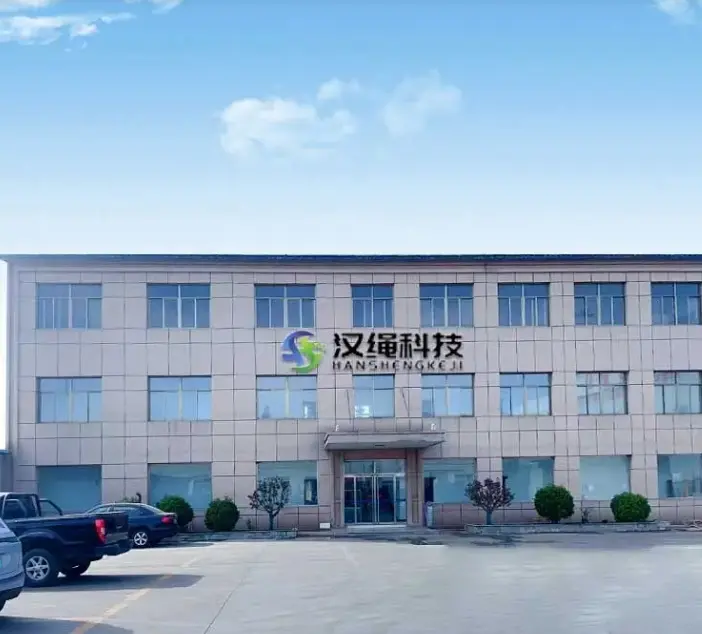
Based in Tangshan City, Hebei Province—the heart of China's steel industry—Hansheng Technology (Hebei) Co., Ltd. integrates advanced local industrial resources with global logistics networks. With over 19 years of exporting experience since 2006, the factory utilizes advanced production infrastructure to deliver high-quality steel products worldwide.
Eight high-efficiency production lines provide high-volume supply and quick turnaround times for custom dimension orders.
A robust annual capacity of 300,000 metric tons guarantees material availability and pricing stability for contracted clients.
Strategic location near Tianjin Seaport reduces overland transport costs and transit times to international shipping routes.
Since 2006, providing international-standard steel products to markets in the Middle East, Europe, and the Americas.
We source certified billets from primary local mills in Tangshan, ensuring tracebility and chemistry standards.
billets are cold-drawn or hot-rolled and slit with high-precision equipment to secure physical properties and tight tolerances.
Multiple polishing heads refine the flat bar surface from No.4 Satin finish up to 8K high-gloss mirror finish.
Each batch undergoes inspection for surface defects, dimensional check, straightness, and chemical analysis.
We operate under a simple business philosophy: "honoring contracts and keeping promises." We view our clients as long-term partners, and we maintain a strong track record of contract fulfillment. A transparent, collaborative relationship is the cornerstone of our global commercial operations.
Our quality management system is certified under ISO 9001:2000 and ISO 14001, verifying that both our production output and environmental management align with modern industrial standards. Our export team coordinates custom logistics solutions, sea-freight packing, and customs documentation for international delivery.
Established in 2006, our depth of industry experience provides the stability required to navigate complex global shipping rules and technical requirements.
With 8 state-of-the-art production lines, we maintain a robust annual output of 300,000 metric tons, ensuring reliable delivery schedules.
Positioned 150 kilometers from Tianjin seaport and Beijing, we benefit from integrated road, rail, and port infrastructure for efficient transport.
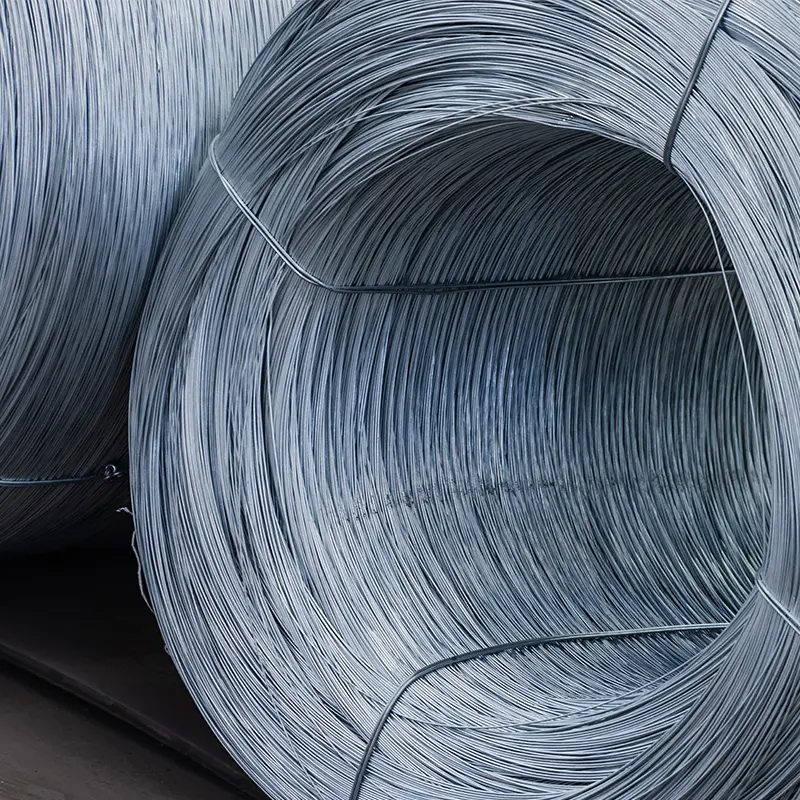
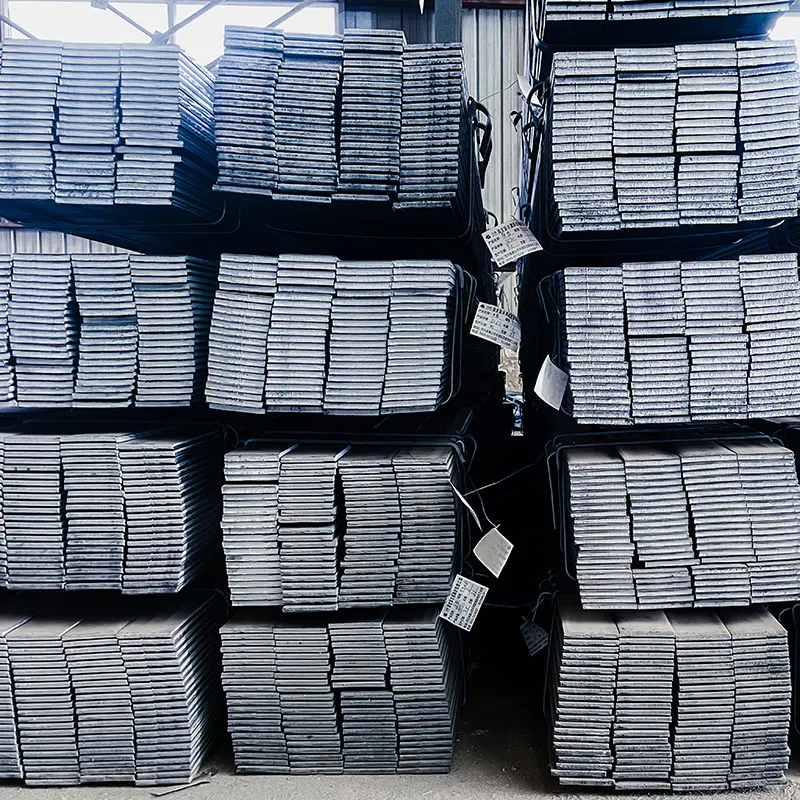
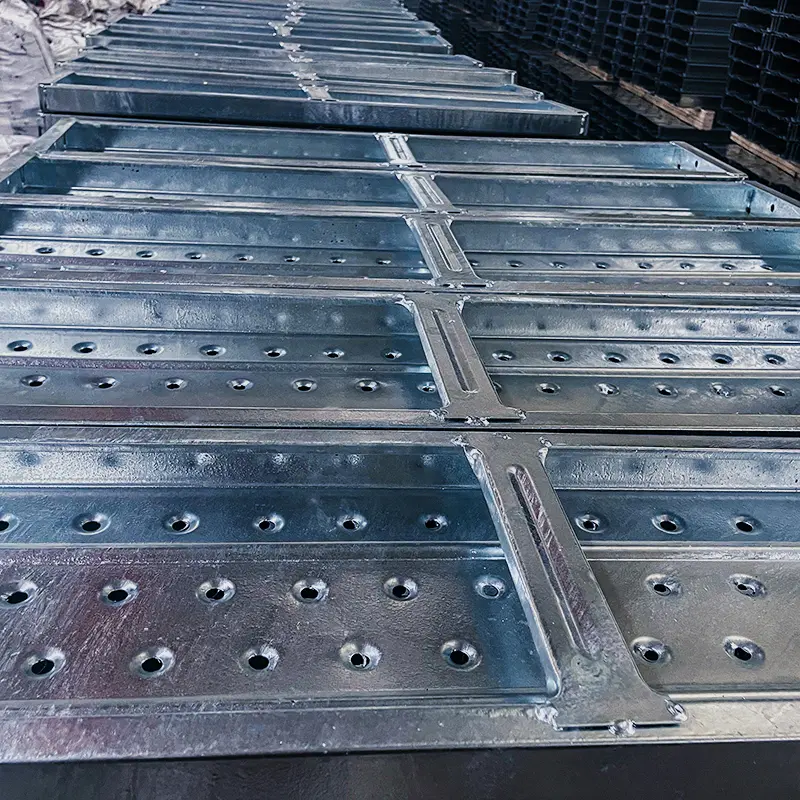
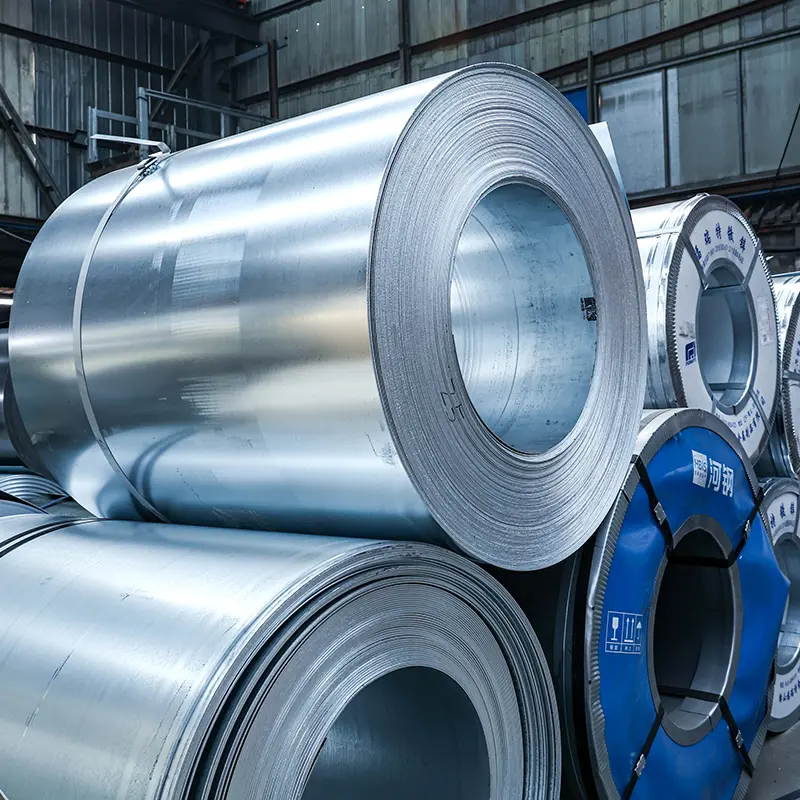
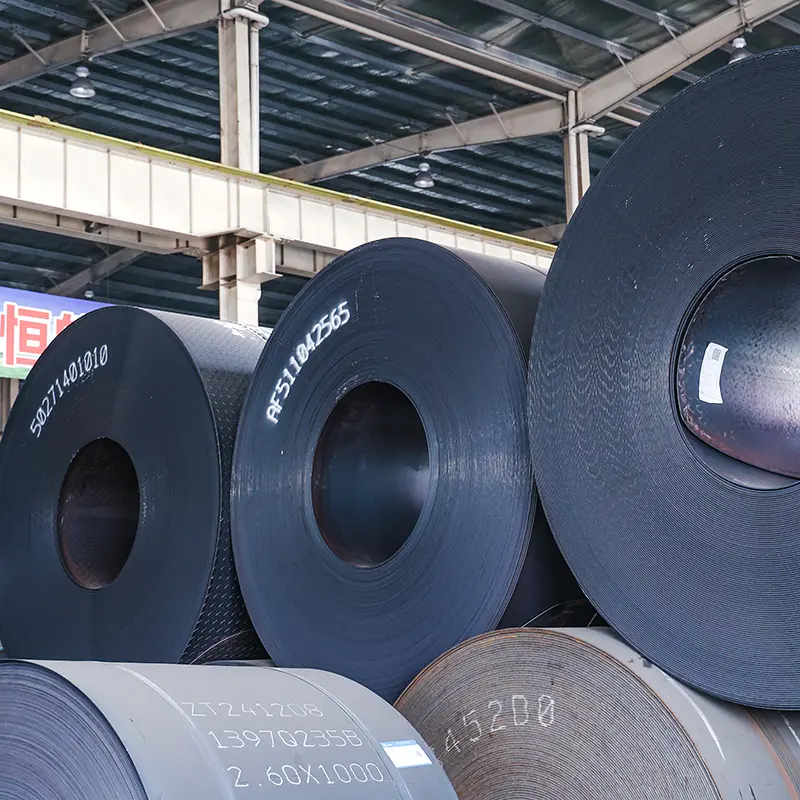
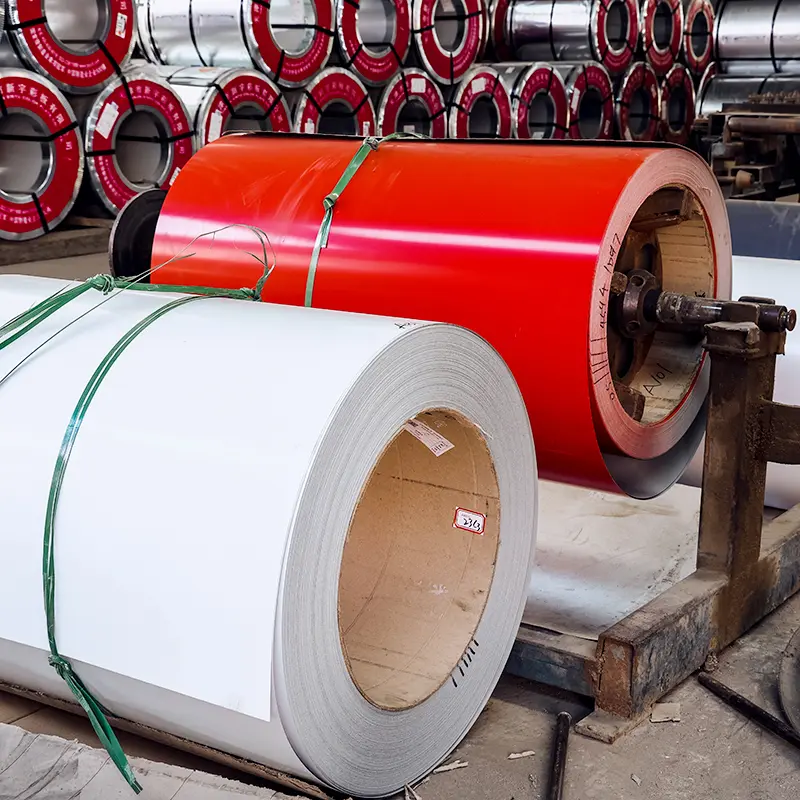
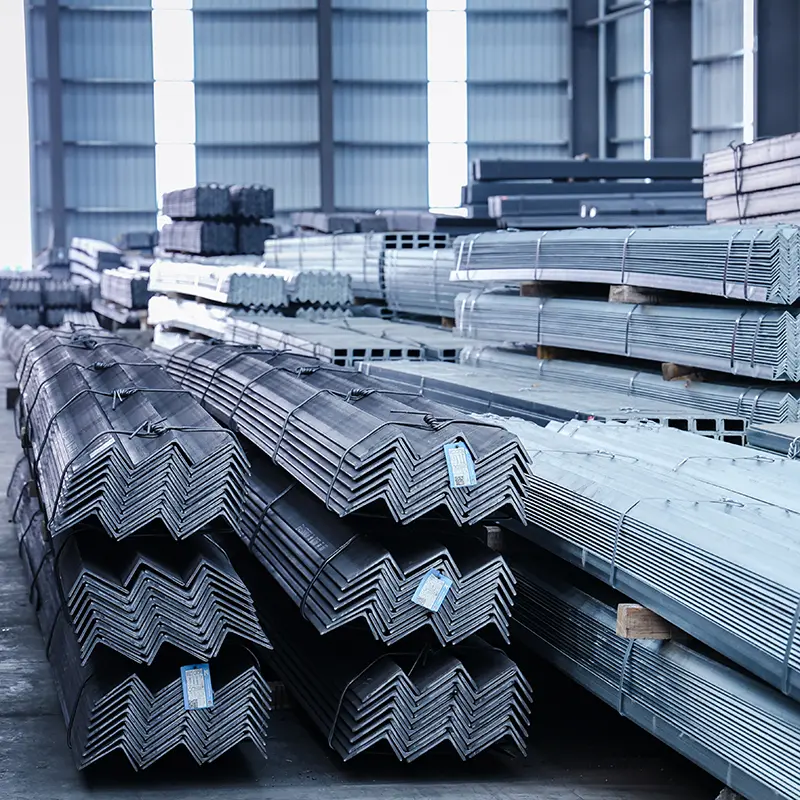
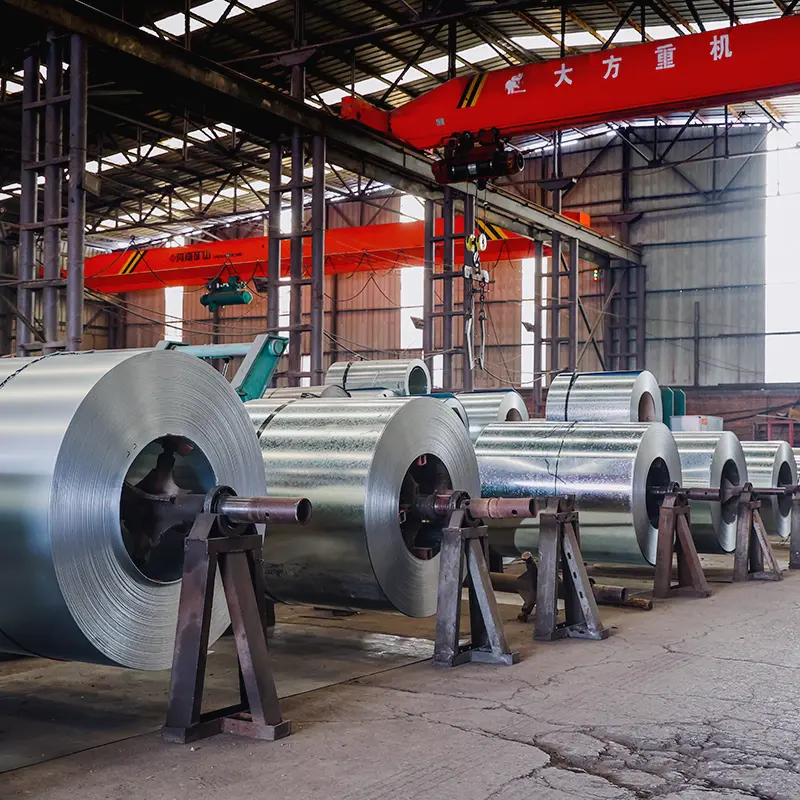
The environmental conditions of a job site dictate the mechanical and chemical grade specifications of the flat bars used. Selecting the correct materials for regional conditions ensures long-term performance and durability:
Salt spray and high humidity accelerate pitting in standard alloys. Projects in coastal regions utilize polished 316L stainless flat bars. The high molybdenum content, combined with a smooth mirror finish, prevents chloride ions from initiating corrosion on architectural cladding and structural brackets.
Hygiene and sanitization require surfaces that resist bacterial growth. Flat bars polished to a No. 4 satin finish are standard for food-grade framing and support brackets, providing a smooth surface that withstands daily high-pressure chemical washdowns.
High humidity and industrial emissions require durable structural support. Our hot-rolled and polished spring steel flat bars provide high yield strength and corrosion resistance, suitable for structural supports in regional manufacturing facilities.
Our products are exported worldwide, supporting key projects in residential building, public infrastructure, and heavy industrial plant construction.
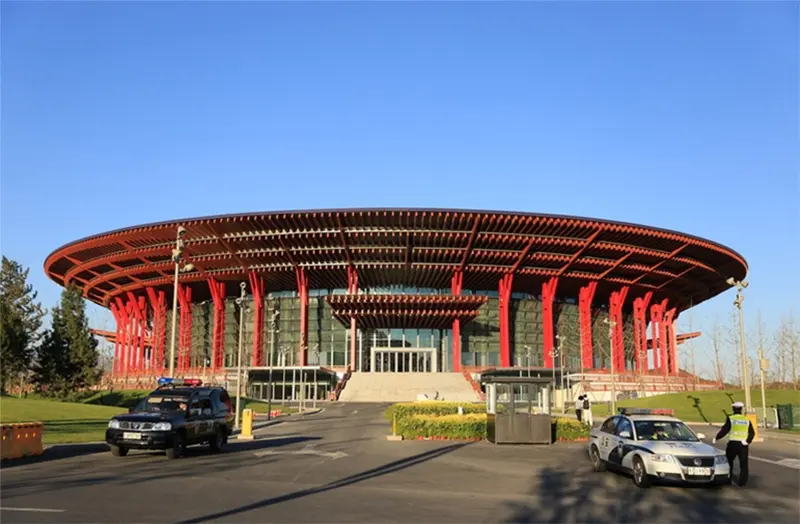
High-end structural steel supply for key national convention facilities, meeting tight dimensional tolerances.
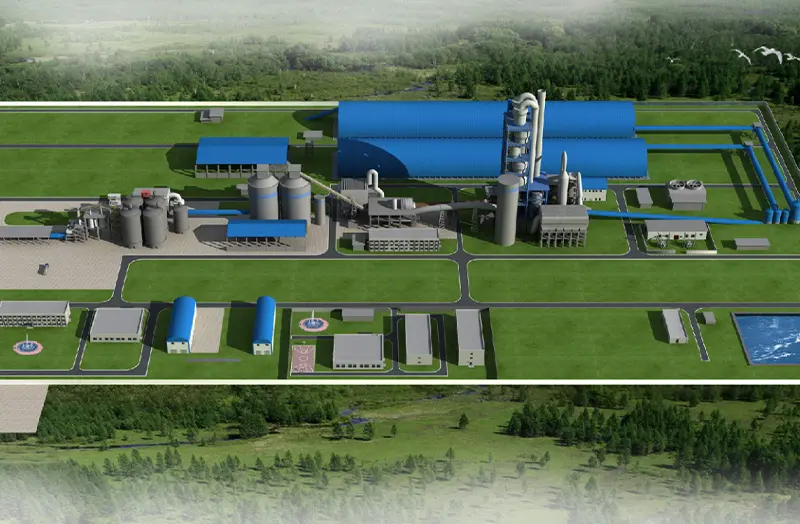
Industrial-grade structural supports supplied for heavy manufacturing facilities under demanding atmospheric conditions.
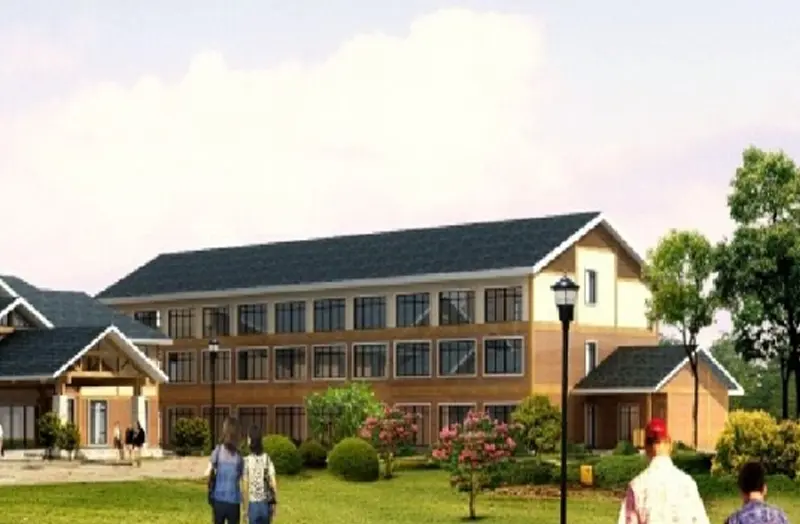
Custom architectural stainless steel bars supplied for high-end residential structural framing and trim.
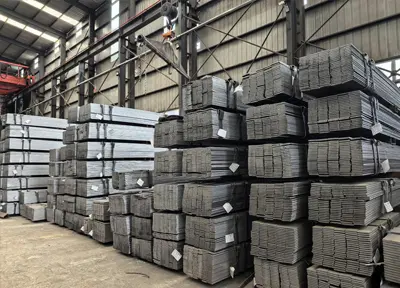
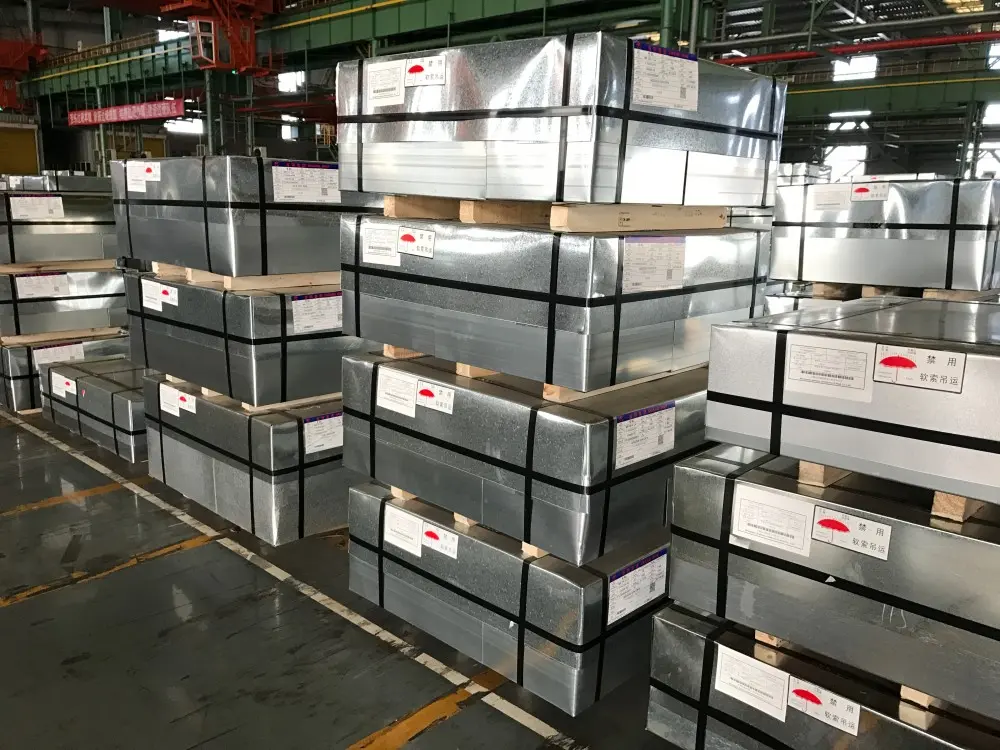
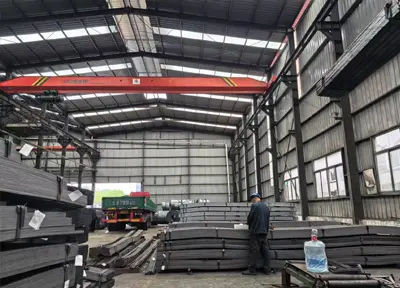
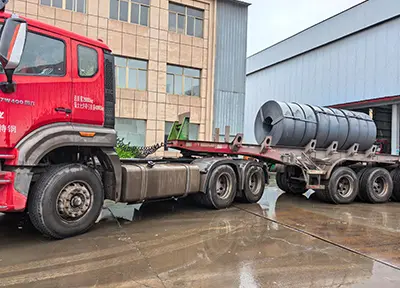
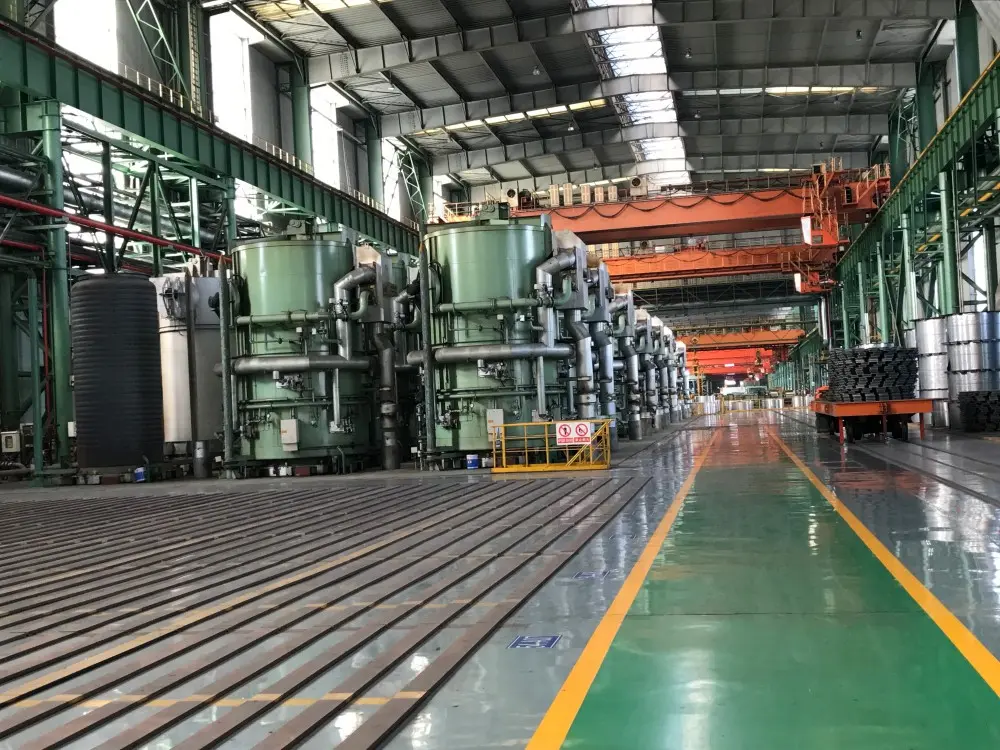
H Beam to Dubai
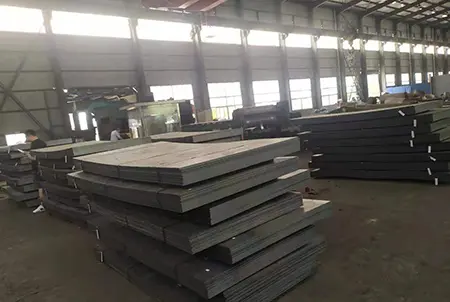
Steel Plate to Saudi Arabia
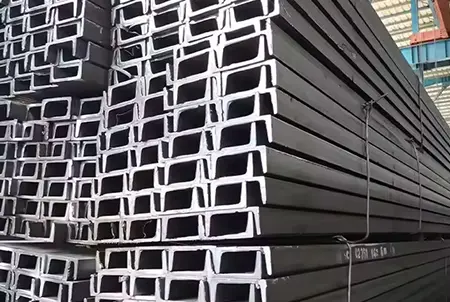
Jis Channel to South Korea
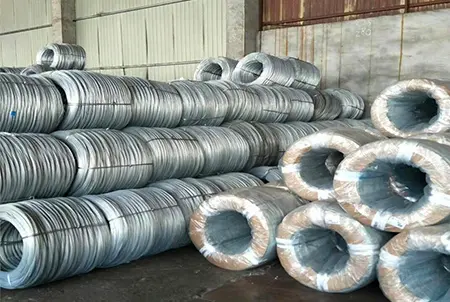
Gi Wire to Florida
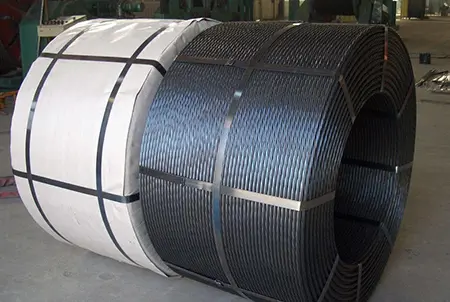
Pc Strand to Philippine
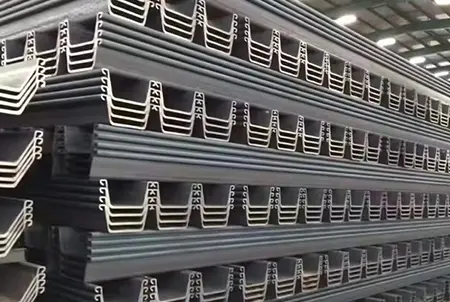
Sheet Pile to Indonesia
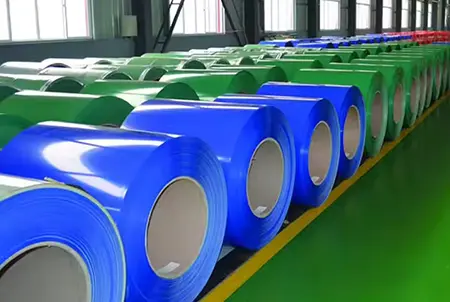
PPGI to Chile
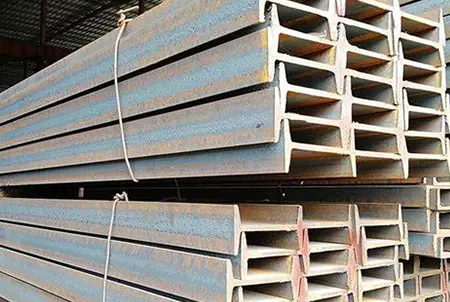
IPEAA to Kuwait
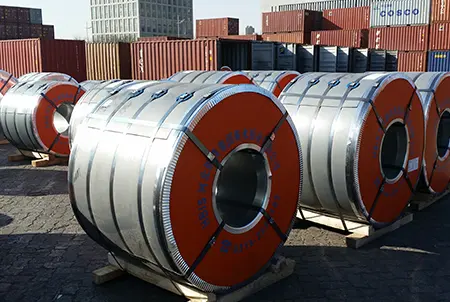
Gi to Spain
Grade 304 contains 18% chromium and 8% nickel, providing strong general-purpose corrosion resistance suitable for most indoor and light outdoor applications. Grade 316 contains 16% chromium, 10% nickel, and 2% molybdenum, making it suitable for chloride-rich marine environments or chemical processing equipment where pitting corrosion is a risk. Grade 316L has lower carbon content to prevent carbide precipitation during welding, preserving corrosion resistance in welded zones.
A smoother polished surface (e.g., 8K Mirror Finish) has fewer microscopic peaks and valleys. This prevents salt, moisture, and contaminants from pooling on the metal surface, which helps the chromium oxide passive layer form and protect the steel more effectively.
Quality verification includes checking dimensional tolerances (width, thickness, and straightness) using calibrated calipers and laser measures. We also perform spectrometer chemical analysis to verify alloying elements, tensile strength testing, and visual inspections under strong lighting to ensure the surface is free of scratches or defects before packing.
We apply a protective PVC or PE film (typically 80 to 100 microns thick) to all polished surfaces to prevent scratches. The flat bars are then bundled, wrapped in waterproof paper, and packed into reinforced wooden crates. We secure the crates inside the shipping container to prevent shifting and use desiccant bags to control moisture during transport.
Yes. Our production lines can produce custom dimensions in thickness and width, with options for slit edges, chamfered edges, or rounded corner profiles to match your engineering and fabrication requirements.










 Hanshen