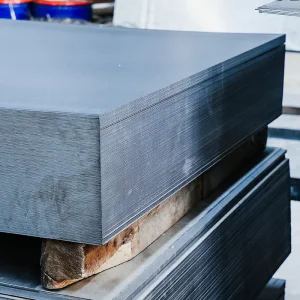
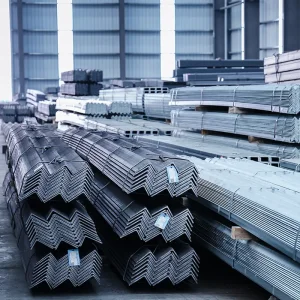
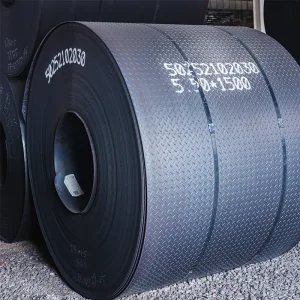
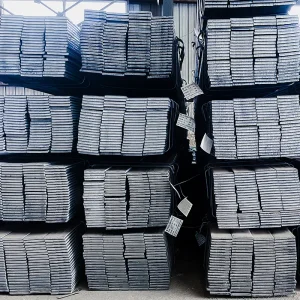
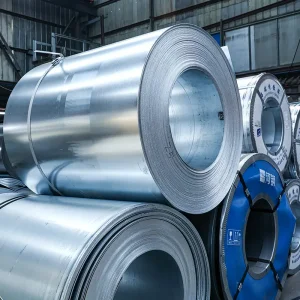
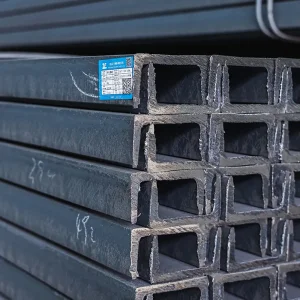
Explore our key manufacturing categories. From precision cold-rolled coils to custom-engineered building materials, we supply globally compliant systems built for load-bearing reliability.
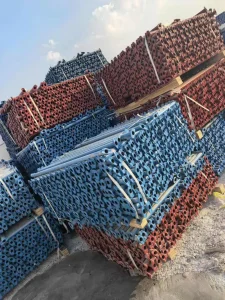
In modern structural design, the mechanical integrity of modular scaffolding frameworks depends entirely on the axial load capacity of the vertical components—principally referred to as scaffolding stand pipes, standards, or vertical posts. As high-rise developments, infrastructure expansion, and massive petrochemical construction projects continue to scale worldwide, the demand for highly customized, compliant, and durable stand pipes is accelerating. Scaffold vertical members bear the fundamental compressive forces of a complete assembly, transferring heavy load structures down to base plates and structural footings. A minor defect in metallurgy, wall-thickness tolerance, or weld joint composition can result in localized bucking, leading to catastrophic system failure.
For procurement managers, structural engineers, and global contractors, finding a certified supplier who balances high-quality steel metallurgy with cost-efficient structural customization is paramount. High-quality scaffolding stand pipes are no longer treated as raw tubing commodities. Instead, they are regarded as engineered safety systems that must withstand adverse atmospheric conditions, massive shear forces, and repetitive cycle setups. This deep-dive whitepaper addresses the core technical specifications, regulatory landscapes, manufacturing supply chain dynamics, and localization demands that define top-tier industrial scaffolding manufacturing.
SEO Information Gain: Scaffolding vertical standards (also known as stand pipes) require tight mechanical tolerances. Under European Standard EN 12811 and US Standard OSHA 1926.451, any reduction in tube outer diameter (OD) or wall thickness drastically reduces the rated load bearing capacity. High-strength structural steel grades (such as Q355B or ASTM A500 Grade C) combined with Hot-Dip Galvanization (HDG) are standard for preventing mechanical yield loss over years of project utilization.
Understanding the strict engineering parameters of vertical stand pipes is crucial for ensuring site-level security and longevity. Different construction projects call for distinct structural specifications, joining mechanisms, and protective coatings.
Standard tube external diameters usually measure 48.3mm (1.90 inches) or 60.3mm for heavy-duty shoring applications. Wall thicknesses range from 2.75mm to 4.0mm. Custom manufacturing ensures outer diameter tolerance of less than ±0.2mm, preventing alignment deviations during modular ringlock or cuplock installation.
We source carbon steel grades like Q235B, Q345B, Q355B (equivalent to EN S235JR and S355JR, or ASTM A36 and A572 Grade 50) specifically to match the project's load and temperature profiles. High-yield strength steel helps scaffold structures handle seismic forces and strong wind loads.
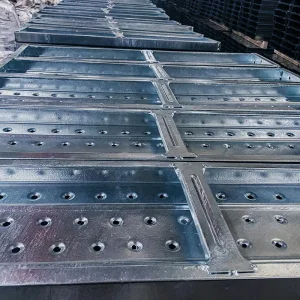
Scaffolding stand pipes require continuous outdoor exposure. We apply Hot-Dip Galvanization (HDG) conforming to EN ISO 1461, ensuring a minimum zinc coating thickness of 50-85 μm. For highly corrosive marine environments, we offer Zinc-Aluminum-Magnesium (ZAM) coating technology for self-healing edge protection.
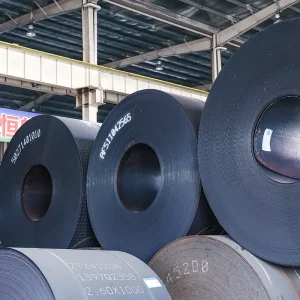
China produces more than 50% of the world's crude steel. At the epicenter of this steel powerhouse sits Tangshan City in Hebei Province—historically the largest steel production cluster globally. Hansheng Technology (Hebei) Co., Ltd. leverages this localized network of raw materials to secure high-quality carbon steel plates, coils, and structural sections directly from top-tier national mills. This local vertical integration helps shield global procurement managers from extreme price swings and logistics disruptions.
Operating in the heart of Bohai Bay, our factory is situated just 150 kilometers from the seaport of Tianjin and 150 kilometers from Beijing. This strategic placement allows for immediate port access, keeping land transport costs low and transit times fast. Thanks to our 8 high-performance production lines, we achieve an annual output of 300,000 to 650,000 metric tons.
High-rise construction, mining, petrochemical plants, and infrastructure maintenance projects require strict adherence to regulatory standards. In North America, OSHA 29 CFR 1926 subpart L and ANSI/ASSP A10.8 govern scaffold erection and component load limits. In Europe, BS EN 12811-1 outlines the structural performance and testing requirements for scaffolding configurations. For Australian and New Zealand project sites, AS/NZS 1576 and AS/NZS 1577 establish design rules, testing loads, and plank compatibility.
At Hansheng Technology, our QA/QC processes are designed to align with these international standards. Every batch of scaffolding stand pipes undergoes rigorous destructive load testing, weld penetration ultrasonic tests, and zinc coating thickness validation. By manufacturing to international specifications like GB, JIS, ASTM, DIN, EN, and AS/NZS, we make sure that our scaffold verticals slip seamlessly into your current rental fleets or project yards.
We focus on ASTM A500 Grade B/C structural steel tubing. Our custom stand pipes include standard outer diameters of 1.90 inches, matching the exact dimensional tolerances required by tube-and-clamp setups or classic frame systems used in major US cities.
We utilize S235JR and S355JR structural steel. Our products feature standard 48.3mm OD scaffolding tubes with 3.2mm or 4.0mm wall thickness, hot-dip galvanized to protect against wet North Sea or continental climates.
We manufacture ringlock-compatible vertical standards utilizing S355 high-tensile steel. This structural profile helps lower the deadweight of scaffolding structures while maintaining the high capacity required for local construction and mining operations.
Scaffolding stand pipes serve a wide range of functions across several major industries. Depending on the environment, structural engineers will select specific steel alloys, wall thicknesses, and corrosion-prevention methods.
Salt spray and persistent humidity accelerate electrochemical rust. In these environments, we supply marine-grade hot-dip galvanized standards with a minimum average zinc thickness of 85 μm, or custom Zinc-Aluminum-Magnesium tubes that outlast standard coatings in saline conditions.
Complex pipeline networks and boiler maintenance require highly customizable and flexible scaffolding designs. Our standard ringlock vertical posts (equipped with welded rosettes every 0.5m) make it easy to assemble scaffolds in tight or irregular spaces.
High vertical loads demand high-strength Q355B or S355 steel tubes. This allows scaffolding rental companies to build taller work platforms without risking localized buckling or overloading the foundation columns.
The global scaffolding market is undergoing a significant transition. Driven by strict labor safety laws and rising construction costs, contractors are shifting away from traditional wood or low-grade steel frames in favor of modular, high-tensile systems. The integration of technology and structural engineering has introduced three key trends to the industry:
1. Shift to High-Strength, Low-Alloy (HSLA) Steel: Modern construction companies prefer lightweight, high-capacity scaffolding. Using HSLA steel grades like S355 reduces overall scaffold weight by roughly 15-20% compared to traditional S235 steel. This makes logistics cheaper, speeds up installation times, and minimizes worker fatigue.
2. Advanced Protective Coatings: Although hot-dip galvanization remains the standard, new technologies like Zinc-Aluminum-Magnesium (ZAM) and duplex powder coating are growing in popularity. These finishes offer superior scratch resistance and self-healing edge protection, extending the lifespan of scaffolding gear in coastal or chemical plants.
3. Automated Manufacturing & Precision Robotics: Consistent weld quality is essential for the load-bearing joints on scaffolding stand pipes. Our automated welding systems run continuous checks on weld beads to prevent structural defects, ensuring every rosette and spigot connection meets international shear and tension requirements.
Established in 2006, Hansheng Technology (Hebei) Co., Ltd. is strategically situated in Tangshan City, Hebei Province—the heart of China’s steel industry. With a prime location just 150 kilometers from the Tianjin seaport and 150 kilometers from Beijing, we benefit from an exceptional logistics network that ensures efficient global shipping. Over nearly two decades, we have evolved into a comprehensive, export-oriented enterprise specializing in the manufacturing of premium-quality steel products and custom structural solutions.
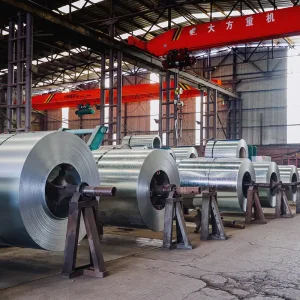
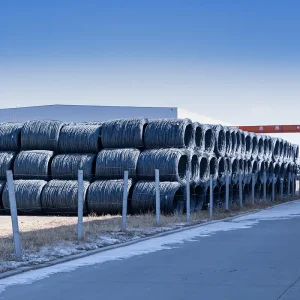
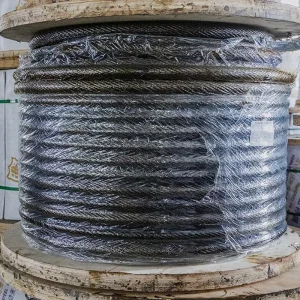
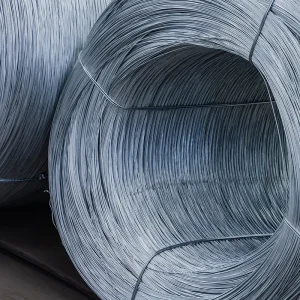
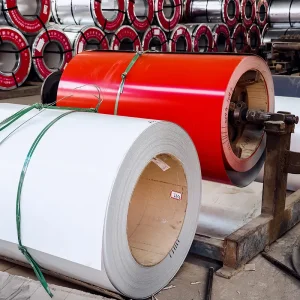
We operate 8 high-efficiency production lines with a total annual production capacity ranging between 300,000 and 650,000 metric tons. Our extensive product portfolio includes Galvanized Steel Wire, Hot/Cold Rolled Steel Coils and Sheets, GI/PPGI, GL/PPGL, Section Steels, and structural scaffolding systems—all manufactured to adhere to rigorous international standards such as GB, JIS, ASTM, DIN, EN, and AS/NZS.
Driven by a commitment to supply chain excellence, competitive pricing, and professional service, our products have earned recognition across markets in the Middle East, Southeast Asia, North Asia, Africa, the Americas, and Europe. We operate under the philosophy of "honoring contracts and keeping promises," treating our clients as long-term partners.
Corporate Mission: Focusing on prime building materials to create a better life for human beings, while continuing to serve as a leader in the global steel and building materials industry.
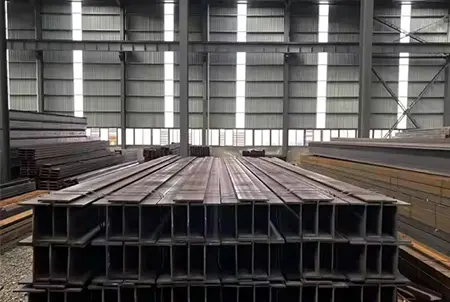
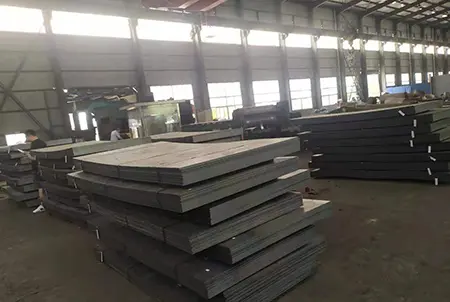
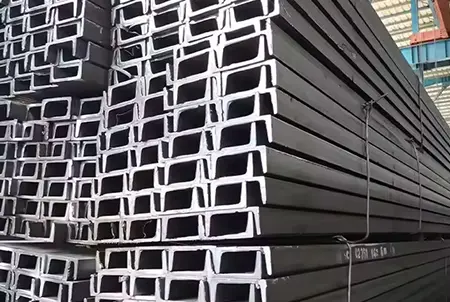
Through our network of cooperative mills, we support major construction, energy, and infrastructure projects across the globe. Our track record includes delivering H-beams to Dubai, steel plates to Saudi Arabia, JIS channels to South Korea, GI wire to Florida, PC strand to the Philippines, sheet piles to Indonesia, PPGI to Chile, and structural steel sections to Spain and Kuwait.
We supplied structural framing steel and specialized building materials for this high-profile national convention facility, meeting tight structural tolerances and strict engineering guidelines.
We delivered heavy-duty structural steel components and support structures for the construction of a large-scale clinker production line, ensuring long-term wear resistance under demanding conditions.
We designed and supplied corrosion-resistant building framing materials tailored for residential construction in cold climates, meeting strict Canadian structural standards.
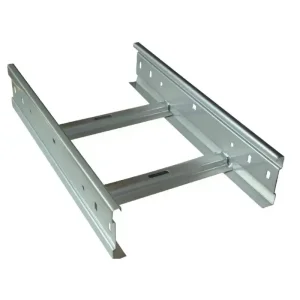
We manufacture and export a wide range of steel solutions, including scaffolding systems, wire rods, and corrosion-resistant coated coils.
 Hanshen