 Hanshen
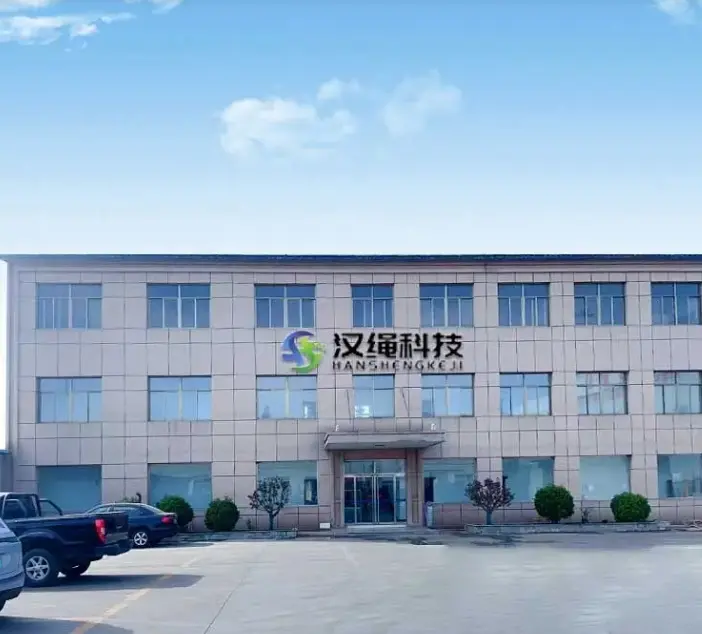
Whitepaper: Industrial Grade Custom Stainless Steel Flat Metal Supply Chains
This industry report focuses on the production, structural specifications, and procurement frameworks of custom stainless steel flat metal. It highlights modern engineering and procurement demands, analyzing how metallurgical engineering meets global supply chain challenges.
1. Advanced Metallurgical & Architectural Trends in Flat Metals
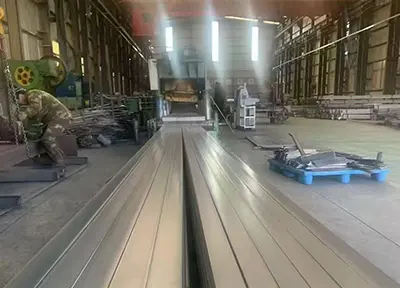
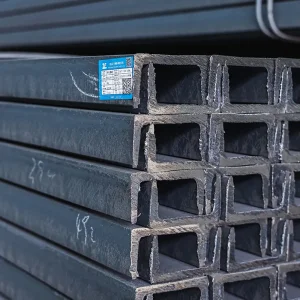
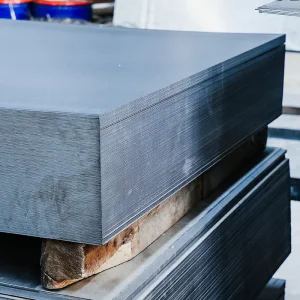
The global demand for custom stainless steel flat metal is growing. Modern architecture, infrastructure, and heavy industries demand structural steel profiles with specific mechanical properties. Flat metal is no longer just a basic structural material; it is now engineered for precise tolerances and specific working environments.
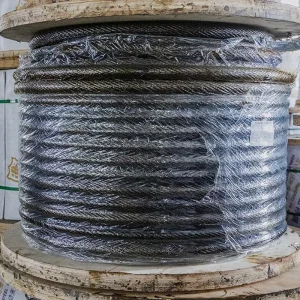
Technological trends center around alloy optimization and advanced rolling mill operations. By introducing micro-alloying elements like molybdenum, titanium, and nitrogen, modern flat metal profile manufacturers produce thinner, high-tensile structural profiles. These materials offer excellent corrosion resistance without compromising ductility. Additionally, there is a strong industry shift toward sustainable, carbon-neutral steelmaking. This involves utilizing electric arc furnaces (EAF) and cleaner processing, enabling global developers to meet Scope 3 emission targets while maintaining strict performance criteria.
"High-yield strength steel profiles, combined with high-ductility cold rolling, allow engineers to design lighter, more durable structures, saving up to 25% in raw steel weight."
2. Global Enterprise Procurement: TCO and Quality Compliance
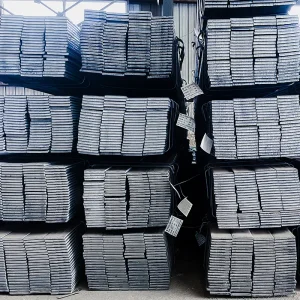
For procurement managers, managing the Total Cost of Ownership (TCO) is a primary focus. When sourcing materials like spring steel flat bars, scaffolding, or cable trays, buyers look beyond the price per metric ton. TCO metrics include scrap loss, shipping delays, and costs associated with sorting out-of-tolerance materials.
To reduce risk, industrial procurement teams prioritize suppliers with accredited quality management systems. These suppliers must manufacture to international standards, including ASTM (USA), JIS (Japan), GB (China), DIN (Europe), and AS/NZS (Australia). Our facility operates under ISO9001 and ISO14001, ensuring that every shipment is backed by mill test certificates (MTCs), raw material traceability, and reliable dimensional checks. This guarantees smooth integration into automated structural fabrication systems.
3. China Factory 4.0: Supply Chain Resilience and Logistics Integration
China's steel industry is transitioning to smart manufacturing. Known as Factory 4.0, this shift integrates digital process controls, automated gauge adjustments, and real-time metallurgy tracking. Tangshan, located in Hebei Province, is a major steel-producing region that benefits from these advancements.
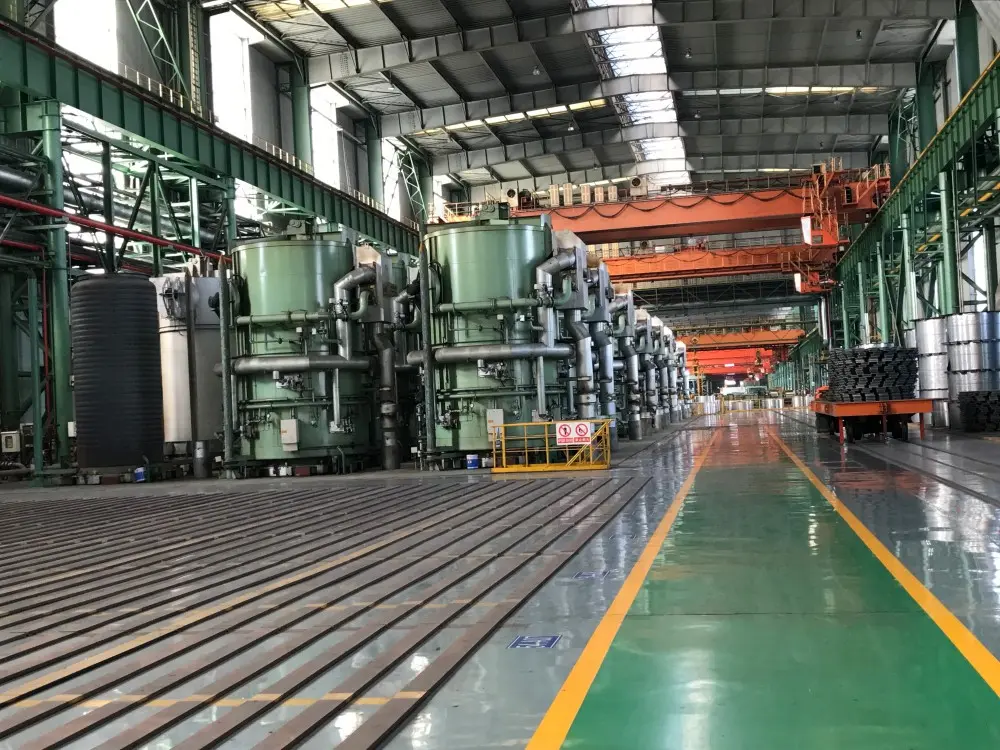
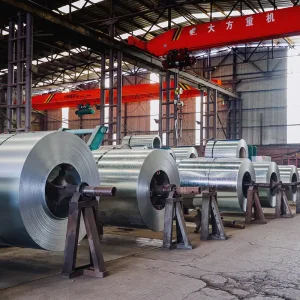
By using modern automated rolling mills and continuous galvanizing lines, manufacturers can control thickness down to micrometer tolerances. This technological capacity is supported by robust logistics. Positioned 150 kilometers from Tianjin port and Beijing, manufacturers can quickly coordinate transport, minimizing lead times and reducing overland logistics costs for global customers. This geographical layout provides a buffer against global shipping delays.
Rigorous Quality Control
We perform mechanical tests, ultrasonic checks, and coating thickness verification on every batch, ensuring full compliance with standards like ASTM, JIS, and DIN.
Optimized Logistics Network
Our location in Tangshan, close to Tianjin port, allows for efficient cargo consolidation and fast international shipping.
Production Versatility
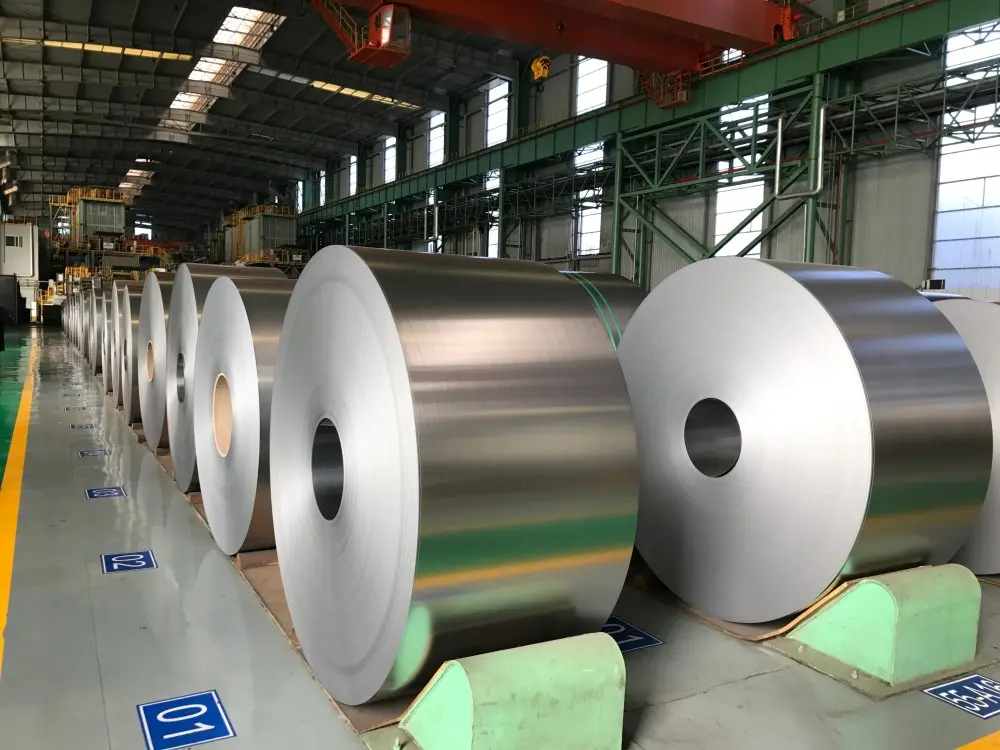
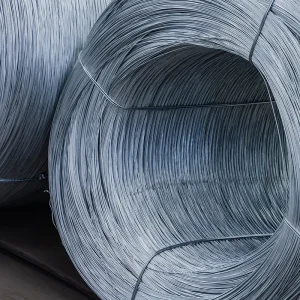
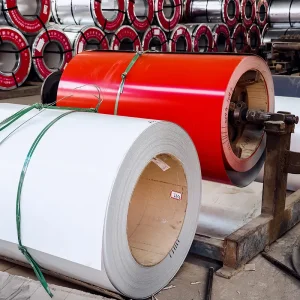
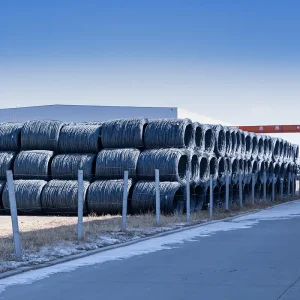
With 8 dedicated production lines, we switch between custom structural flats, ZAM coils, and high-tensile wire rods to meet varying production runs.
4. Industrial and Commercial Application Scenarios
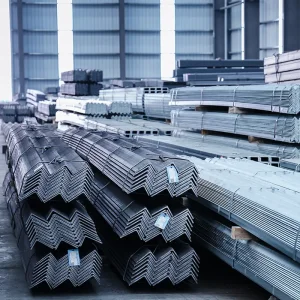
Our custom steel profiles and flat bars are utilized across a range of industrial sectors:
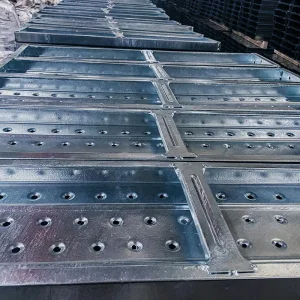
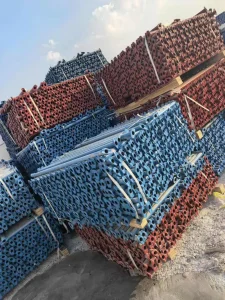
- Construction & Scaffolding Systems: Heavy-duty, high-strength structural profiles provide stable foundations for high-rise scaffolding frameworks, ensuring safety and compliance with global construction regulations.
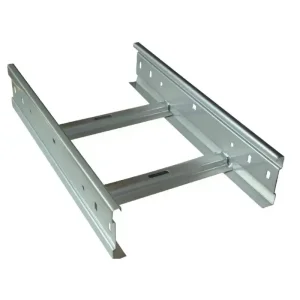
- Electrical Cable Management: Hot-dip galvanized cable trays shield industrial wiring lines in corrosive environments, including chemical refineries and coastal power facilities.
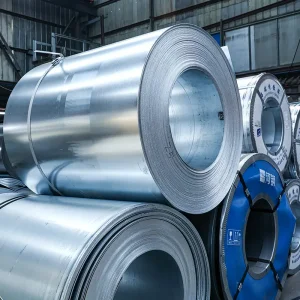
- Modern Solar Projects: Zinc-Aluminum-Magnesium (ZAM) coils are utilized for solar mounting frames. They offer long-term atmospheric corrosion resistance, outperforming traditional galvanized coatings.
- Heavy Machinery Components: High-carbon spring steel flat bars are heat-treated to construct leaf springs and suspension components for heavy agricultural and logistics equipment.