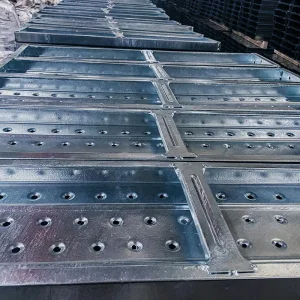
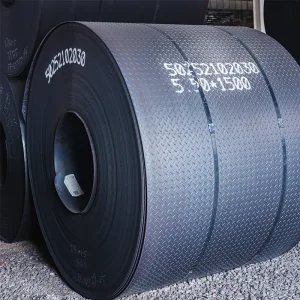
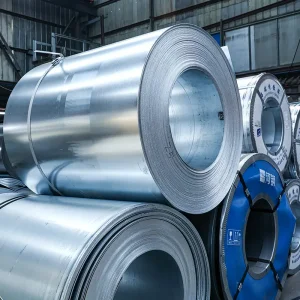
In modern industrial manufacturing and heavy structural design, Custom Stainless Steel Patterned Coils (commonly referred to in international procurement standards as embossed or textured stainless steel sheets) represent a critical convergence of metallurgical engineering, surface science, and mechanical structural performance. Unlike standard flat steel sheets, patterned coils undergo complex mechanical cold-rolling and localized plastic deformation processes. The primary objective is twofold: to drastically increase the structural friction coefficient (anti-slip index) and to significantly alter the load-bearing properties and aesthetics of the steel.
From a microstructural perspective, the deformation mechanics of stainless steel (principally Austenitic grades like AISI 304, 316, and 316L, alongside Ferritic grades like AISI 430) during pattern embossing involve precise strain-hardening behaviors. The cold-embossing process modifies the dislocation density of the alloy lattice structure, inducing a work-hardening effect that increases local yield strength without causing micro-fissures or compromising the integral corrosion resistance of the material.
A technical roadmap for engineering teams to optimize material grade selection based on operational environments.
| Steel Grade | Chemical Composition Key Elements | Corrosion Resistance (PREN) | Slip Resistance Rating | Primary Industrial Applications |
|---|---|---|---|---|
| AISI 304 (Austenitic) | 18% Cr, 8% Ni | 17.5 - 20 | R10 - R12 (Pattern Dependent) | Food processing facilities, cleanrooms, architectural paneling, vehicle steps. |
| AISI 316 / 316L (Austenitic) | 16% Cr, 10% Ni, 2% Mo | 23.1 - 28.5 | R11 - R13 (High Slip-Resistance) | Marine platforms, chemical processing plants, coastal infrastructure, offshore oil & gas. |
| AISI 430 (Ferritic) | 16% Cr, <0.75% Ni | 12 - 15 | R9 - R11 | Elevator interiors, home appliances, automotive trim, mild atmospheric architecture. |
| Duplex 2205 (Austenitic-Ferritic) | 22% Cr, 5% Ni, 3% Mo, 0.18% N | 35 - 40 | R12 - R13 (Heavy Duty) | Subsea applications, desalination plants, extreme load-bearing chemical flooring. |
The international market for Custom Stainless Steel Patterned Coils is characterized by highly diverse and stringent buyer criteria. Procurement officers, project engineers, and supply chain managers in critical sectors (such as marine engineering, municipal public works, automotive production, and bulk chemical logistics) do not simply search for a generic supplier. Instead, they require structural partners capable of delivering verified raw materials that comply with localized and global engineering certifications.
In North American and European markets, procurement focuses heavily on regulatory compliance, material traceability, and safety parameters. In these markets, patterned coils are subjected to standardized slip-resistance testing under ASTM D2047 (Coefficient of Friction) and DIN 51130 (ramp testing for slip hazard classifications from R9 to R13).
Strategically positioned in China's premier steel-producing hub to deliver unmatched global distribution speed, capacity, and certified quality.
Located in Tangshan City, Hebei Province, just 150 km from the major seaport of Tianjin and 150 km from Beijing, facilitating rapid customs clearance and highly competitive global shipping rates.
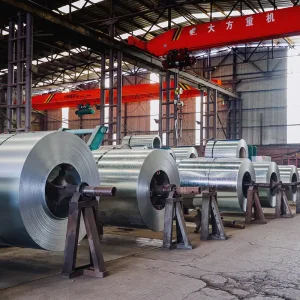
Equipped with 8 high-precision state-of-the-art production lines, yielding an annual capacity of 300,000 metric tons (up to 650,000 tons across specific product categories), ensuring high-volume orders are completed on schedule.
Full compliance with GB, JIS, ASTM, DIN, EN, and AS/NZS global standardizations, fully backed by ISO9001:2000 and ISO14001 environmental and quality management systems.
Looking forward to the 2025–2035 manufacturing cycle, the production of patterned steel coils is shifting from traditional mechanical stamping toward intelligent, high-precision thermal-mechanical processing. This evolution is driven by both global carbon reduction initiatives and the demand for absolute consistency in material microstructures.
Hansheng Technology is actively monitoring and incorporating these state-of-the-art technological advancements to remain a premier tier-one supplier:
A premier manufacturer and strategic supplier delivering reliable, high-grade steel solutions since 2006.
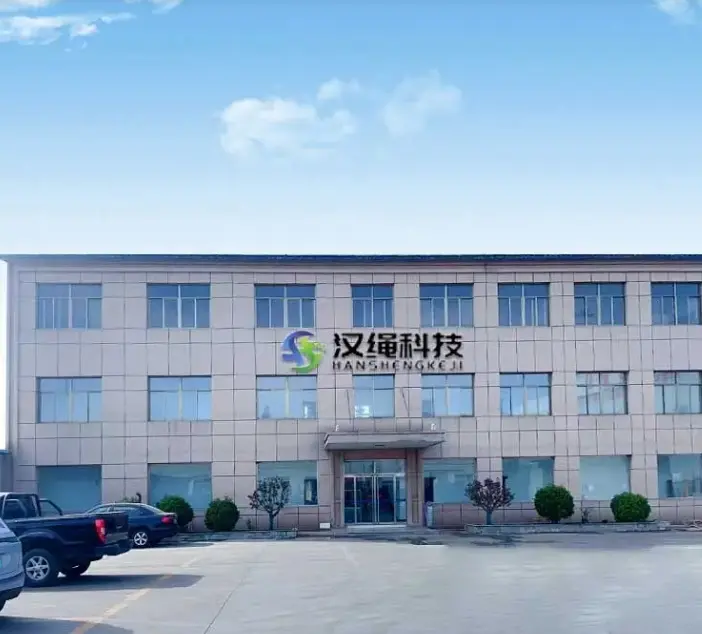
Established in 2006, Hansheng Technology (Hebei) Co., Ltd. has grown into a leading, export-oriented steel manufacturing enterprise. Strategically located in Tangshan City, Hebei Province—the heart of China's steel industry—our facilities are positioned to leverage regional raw materials and logistics networks.
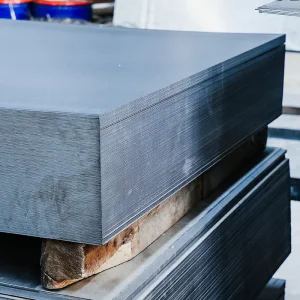
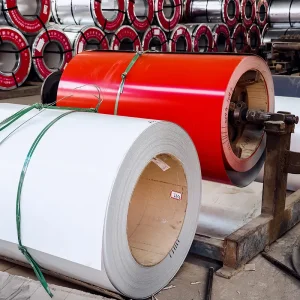
With 8 high-performance production lines, our facility maintains a robust annual capacity of 300,000 metric tons. Our comprehensive product portfolio includes Galvanized Steel Wire, Hot/Cold Rolled Steel Coils and Sheets, GI/PPGI, GL/PPGL, Section Steels, and Custom Patterned Coils, all manufactured in strict compliance with GB, JIS, ASTM, DIN, EN, and AS/NZS standards.
Operating under our core philosophy of "honoring contracts and keeping promises," we have earned a strong reputation across markets in the Middle East, Southeast Asia, North Asia, Africa, the Americas, and Europe.

For multinational industrial projects, procurement involves navigating complex trade environments, quality compliance, and logistical challenges. Selecting a supplier that lacks proper export qualifications or fails to understand local regulatory frameworks often leads to project delays and financial losses.
Hansheng Technology mitigates these operational risks through dedicated localization and compliance frameworks:
Furthermore, our engineering teams provide tailored technical support to help clients select the appropriate steel grades, pattern styles, and surface treatments for their local environmental conditions (such as high-salinity coastal areas or extreme industrial environments).
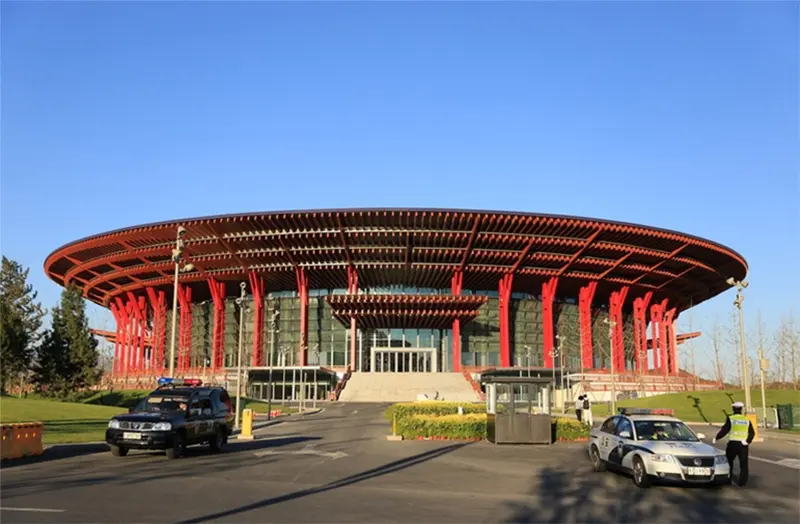
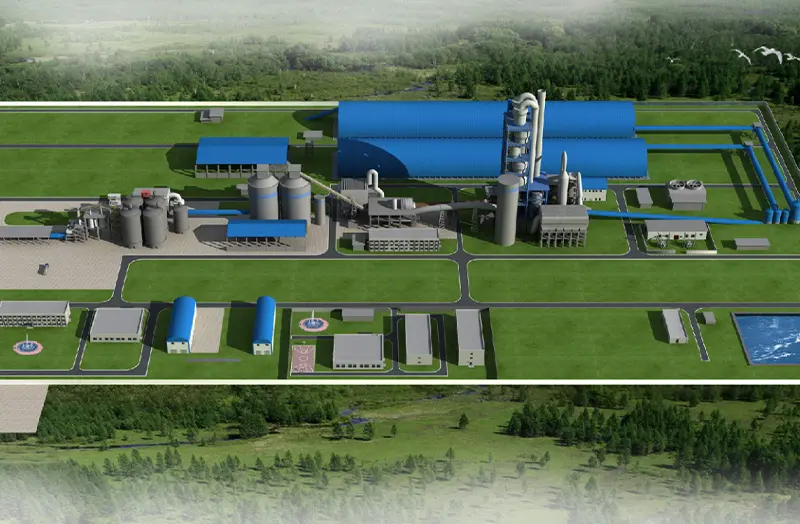
Hansheng Technology's materials are trusted across major international infrastructure and industrial projects.
In-depth explanations of critical technical and procurement questions for engineering teams.
 Hanshen