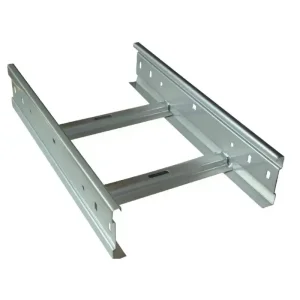
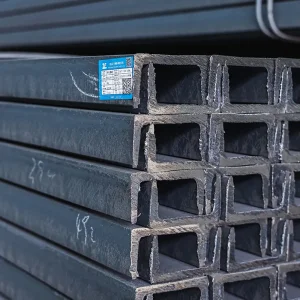
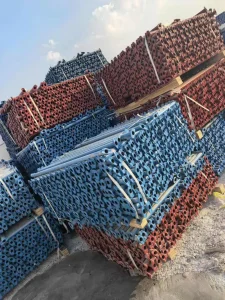
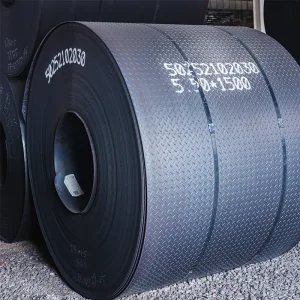
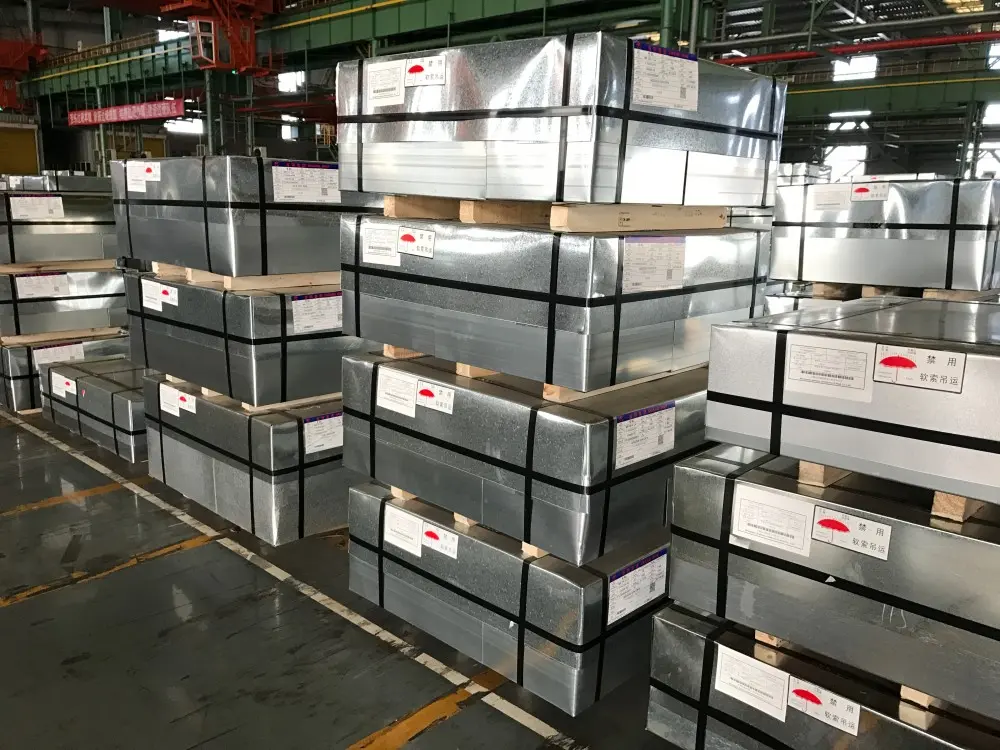
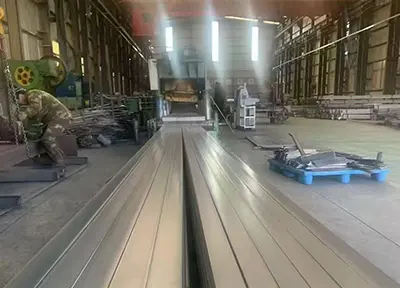
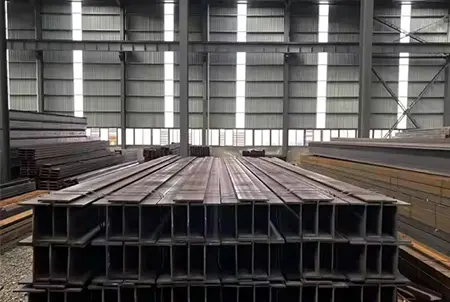
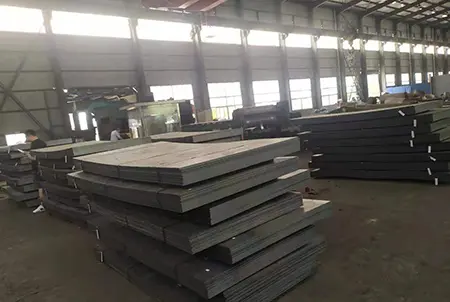
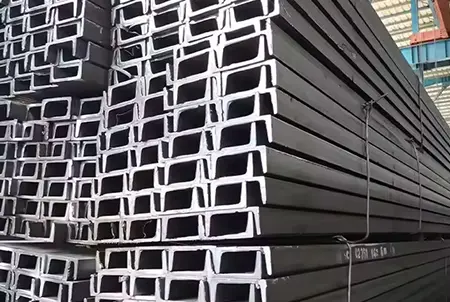
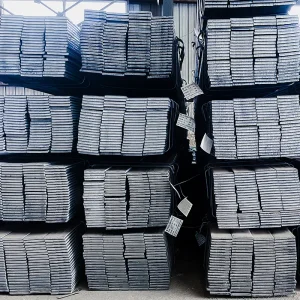
Explore our foundational range of premium wire rods, structural channels, and scaffolding assemblies
Analyzing macro market dynamics, regional demands, and material specifications driving modern structural engineering
In modern industrial design, the Stainless Steel Slotted Angle has evolved from a simple warehousing utility into a sophisticated component critical to high-performance structural systems. As commercial enterprises demand rapid deployment and extreme adaptability, modular steel framings are replacing traditional welded configurations across key regions including North America, Western Europe, and the Asia-Pacific.
From a global macroeconomic perspective, the stainless steel slotted angle market is heavily influenced by the expansion of automated sorting systems, hyperscale data centers, and chemical processing facilities. The need for non-reactive, corrosion-resistant structures has driven manufacturing plants to adopt strict standardizations, conforming to global frameworks such as ASTM (American Society for Testing and Materials) and DIN (Deutsches Institut für Normung).
Utilizing high chromium and nickel content (SS304/SS316) to generate a self-healing chromium oxide passivation layer that prevents pitting in acidic and chloride environments.
Pre-punched slot intervals enable fast modifications and bolt-together installations, completely eliminating the need for on-site welding, hot work permits, and specialized labor.
Engineered cold-formed angles ensure uniform load distribution across the profile, maintaining geometrical integrity under heavy seismic or dynamic stress.
A comprehensive overview of mechanical metrics, structural load behaviors, and chemical properties
Selecting the correct material grade and geometry is imperative to prevent structural failures in industrial settings. In chemical laboratories, offshore wind farms, or high-humidity marine architectures, standard carbon steel profiles fail rapidly due to oxidation. Below, we compare the primary metallurgical formulations employed in the production of stainless steel slotted angles.
| Steel Grade (UNS Designation) | Chromium (Cr) % | Nickel (Ni) % | Molybdenum (Mo) % | Yield Strength (MPa) | Ultimate Tensile (MPa) | Optimal Environment |
|---|---|---|---|---|---|---|
| SS 304 (S30400) | 18.0 - 20.0 | 8.0 - 10.5 | - | ≥ 205 | ≥ 515 | General commercial, food service, cleanrooms |
| SS 316 (S31600) | 16.0 - 18.0 | 10.0 - 14.0 | 2.0 - 3.0 | ≥ 290 | ≥ 580 | Marine, coastal, waste treatment facilities |
| SS 316L (S31603) | 16.0 - 18.0 | 10.0 - 14.0 | 2.0 - 3.0 | ≥ 170 | ≥ 485 | High-temperature welding, heavy industrial chemical |
| SS 201 (S20100) | 16.0 - 18.0 | 3.5 - 5.5 | - | ≥ 310 | ≥ 685 | Indoor dry applications, cost-sensitive builds |
Customization protocols require strict attention to slot patterns. Typical manufacturing processes introduce three primary slot formats: longitudinal oval slots, transverse slots, and round anchoring holes. Longitudinal slots allow for continuous slide adjustment during installation, accommodating structural deviations without requiring field drilling.
By executing precision punching on state-of-the-art CNC pressing lines, Hansheng Technology maintains dimensional tolerances within ±0.05 mm, preventing micro-stress fractures around the punched boundaries. When structural angles are mounted, their load limits are calculated using the Moment of Inertia (Ixx / Iyy) of the remaining cross-sectional steel area, ensuring that material removal for slots does not compromise the vertical weight capacity.
How global industries rely on custom stainless steel profiles for mission-critical deployments
Utilized as heavy-duty overhead cable tray supports and customized server rack containment structures. Stainless steel avoids the risk of zinc whiskers, protecting ultra-sensitive fiber optics and compute modules.
Cleanroom environments require furniture and racking that can withstand harsh chemical washdowns and sterilization cycles. SS304 slotted angles prevent bacterial growth and maintain hygienic sanitization standards.
Applied on offshore platforms, coastal port authority enclosures, and onboard naval vessel storage. The addition of Molybdenum in SS316 slotted angles provides essential resistance to chloride-induced stress corrosion cracking.
Enabling custom gravity-fed flow racks, ergonomic workbenches, and temporary sensor brackets. The modularity of slotted angles allows rapid rearrangement when manufacturing configurations change.
Hansheng Technology (Hebei) Co., Ltd. — A global leader in high-performance steel production since 2006
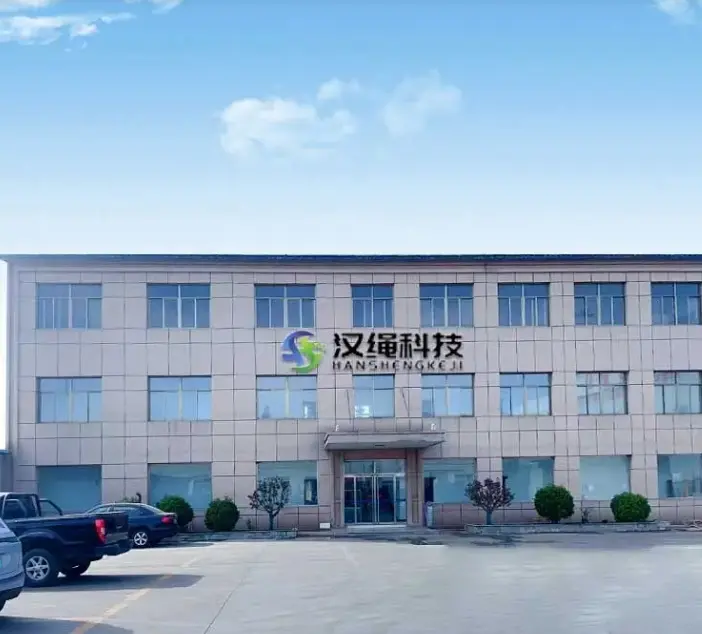
Strategically situated in Tangshan City, Hebei Province—the heart of China’s steel industry—our facility is perfectly positioned just 150 kilometers from both the major logistics hub of Tianjin seaport and the capital city of Beijing. This geographical advantage grants us unparalleled speed and efficiency in domestic and international distribution.
Since our inception in 2006, we have evolved into a comprehensive, export-oriented enterprise specializing in the manufacturing of premium-quality steel products, structural framing, and precision wires.
Driven by a commitment to supply chain excellence, competitive pricing, and professional service, our products have earned unanimous recognition across markets in the Middle East, Southeast Asia, North Asia, Africa, the Americas, and Europe. We operate under the firm philosophy of "honoring contracts and keeping promises."
Primary steel categories engineered to international standards (GB, JIS, ASTM, DIN, EN, AS/NZS)
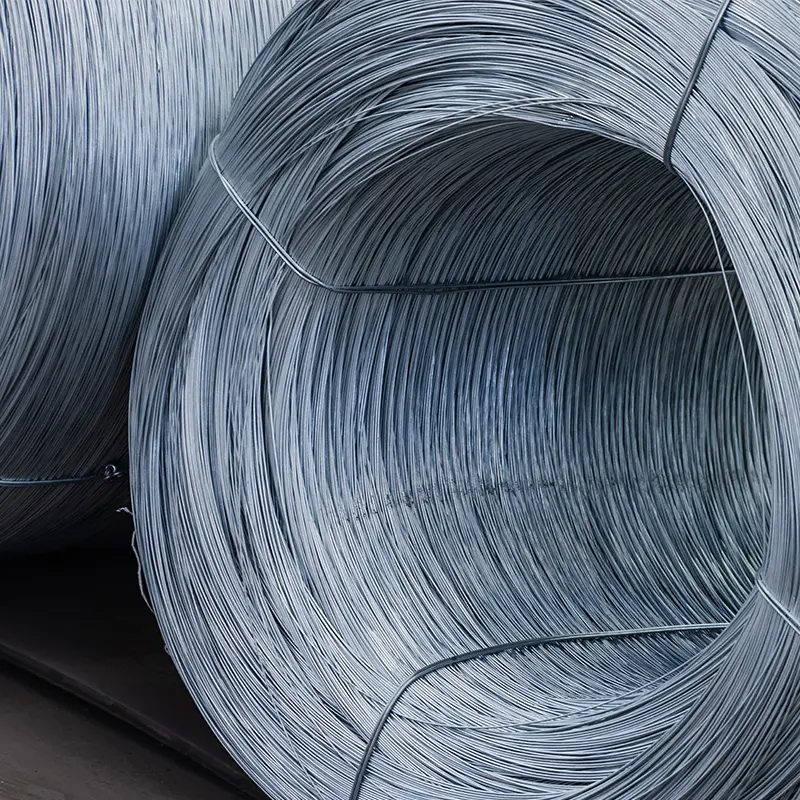
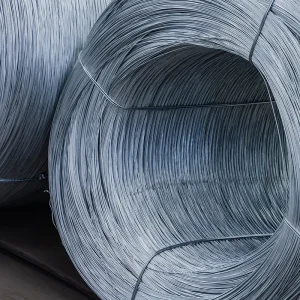
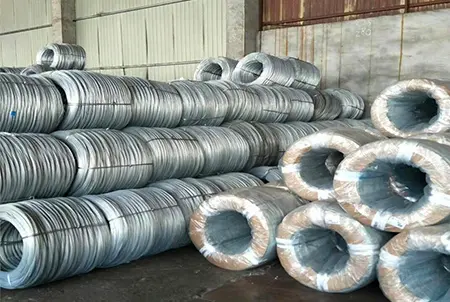
High or low carbon options, hot-galvanized coatings.
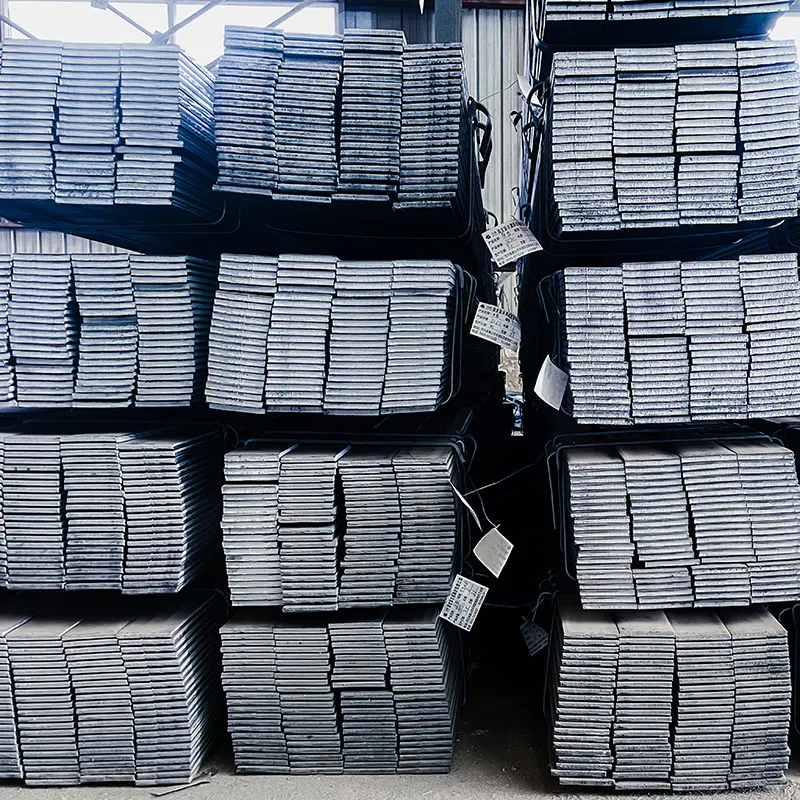
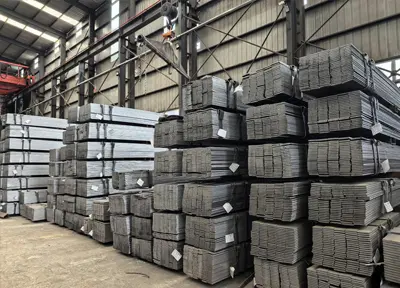
Precision-rolled custom flat bars and structural spring flats.
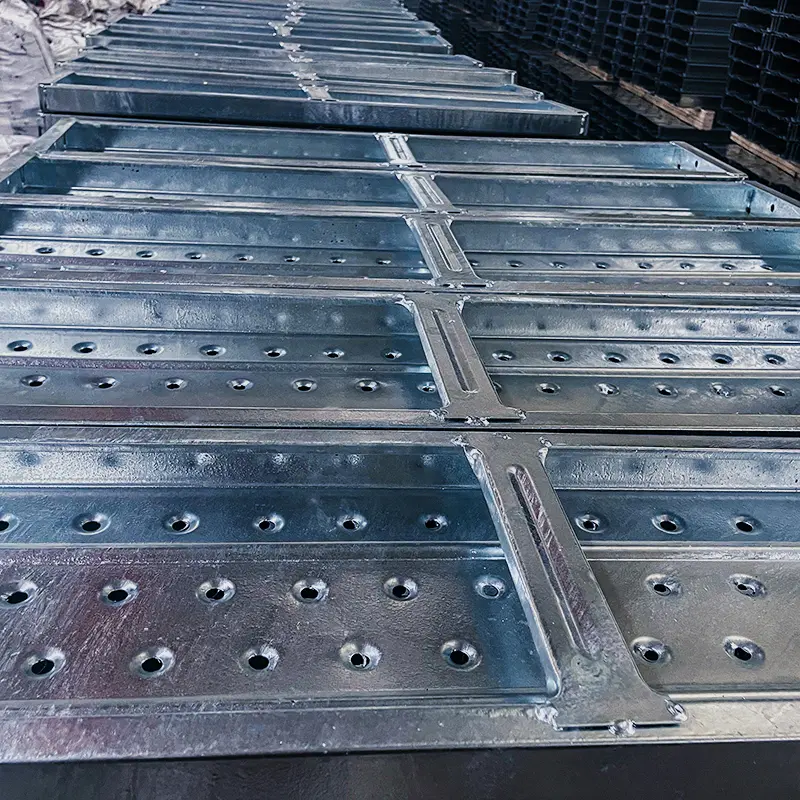
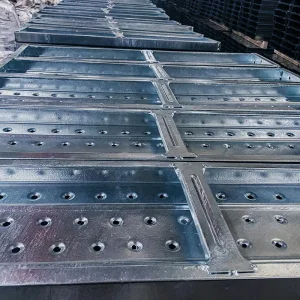
Heavy-duty scaffolding planks and walkways.
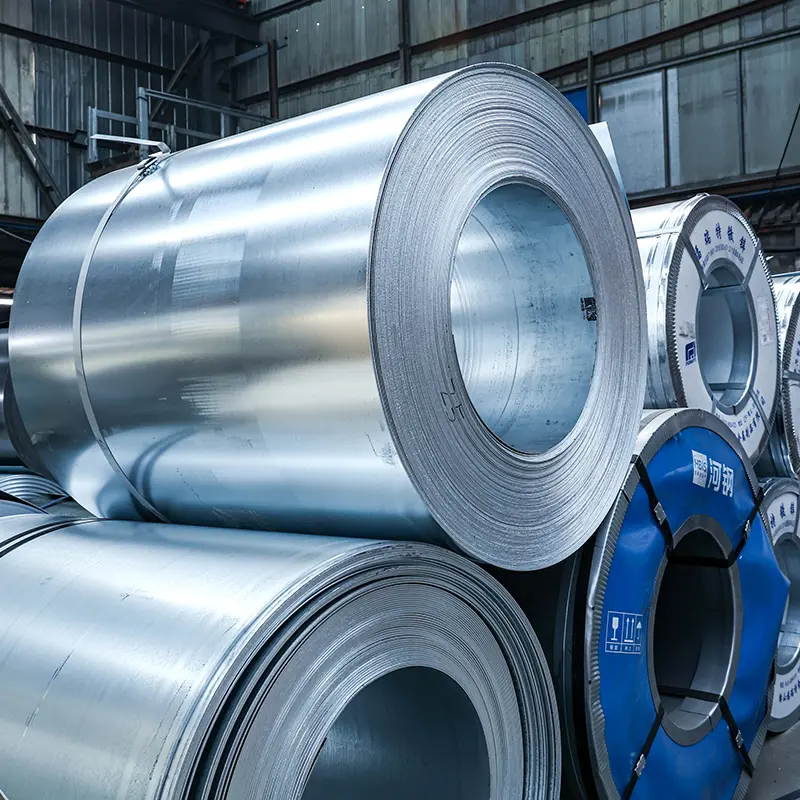
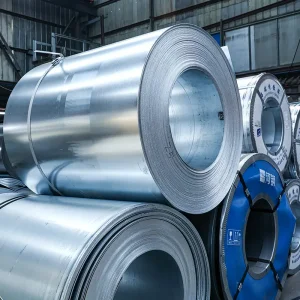
Hot-dipped zinc-coated protective coils and strips.
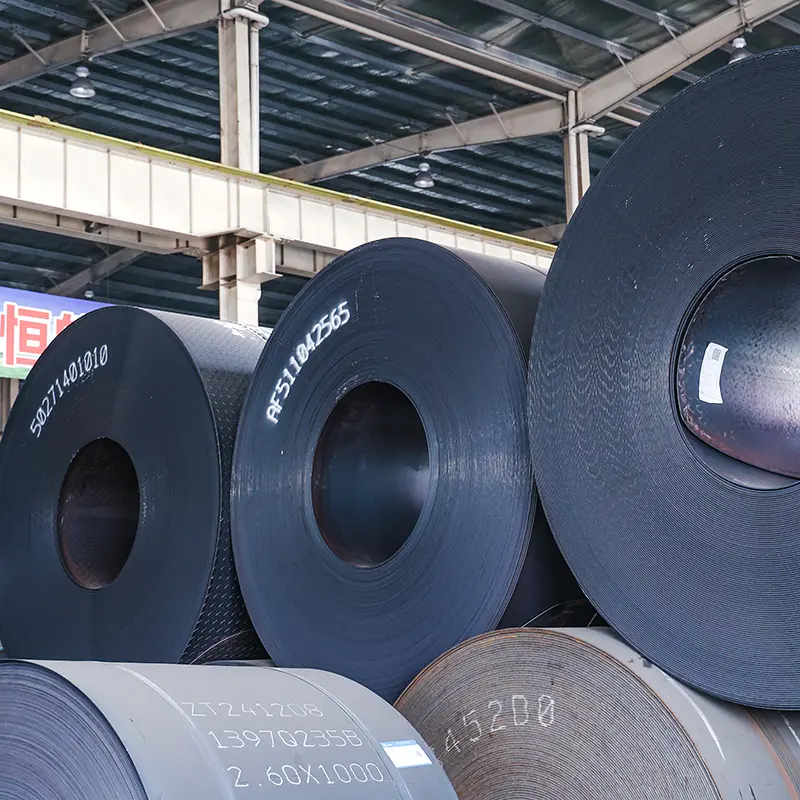
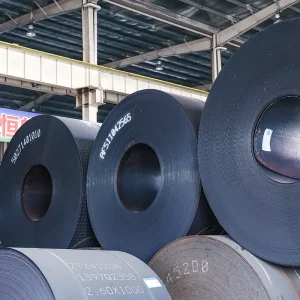
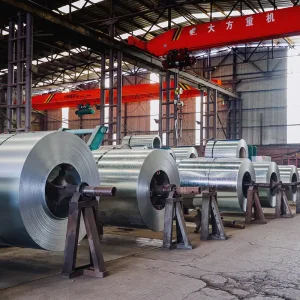
High-strength hot-rolled carbon and stainless coils.
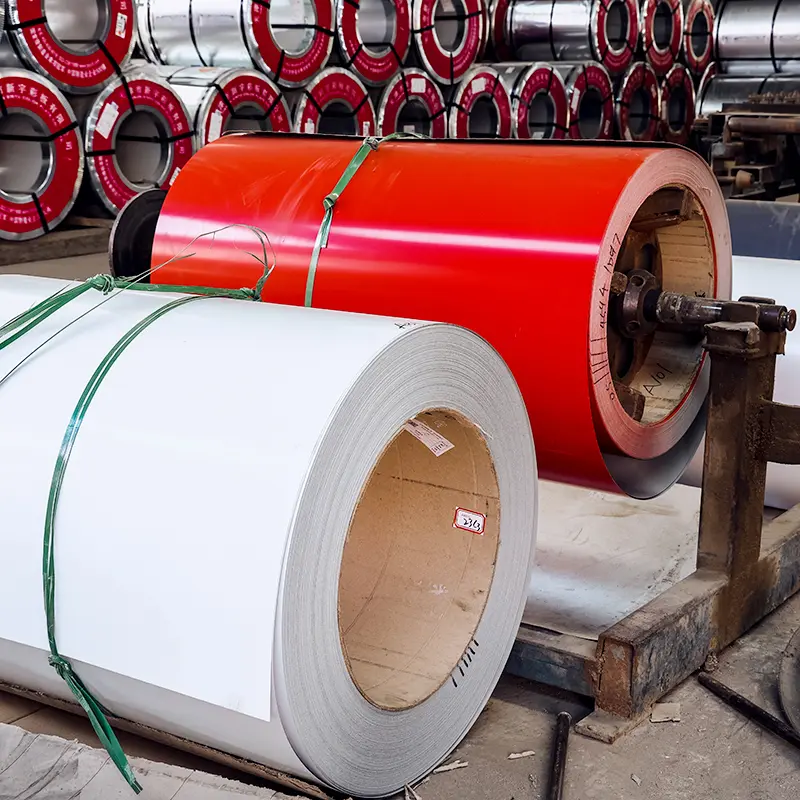
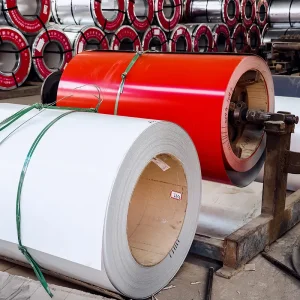
Pre-painted galvanized/galvalume coils and sheets.
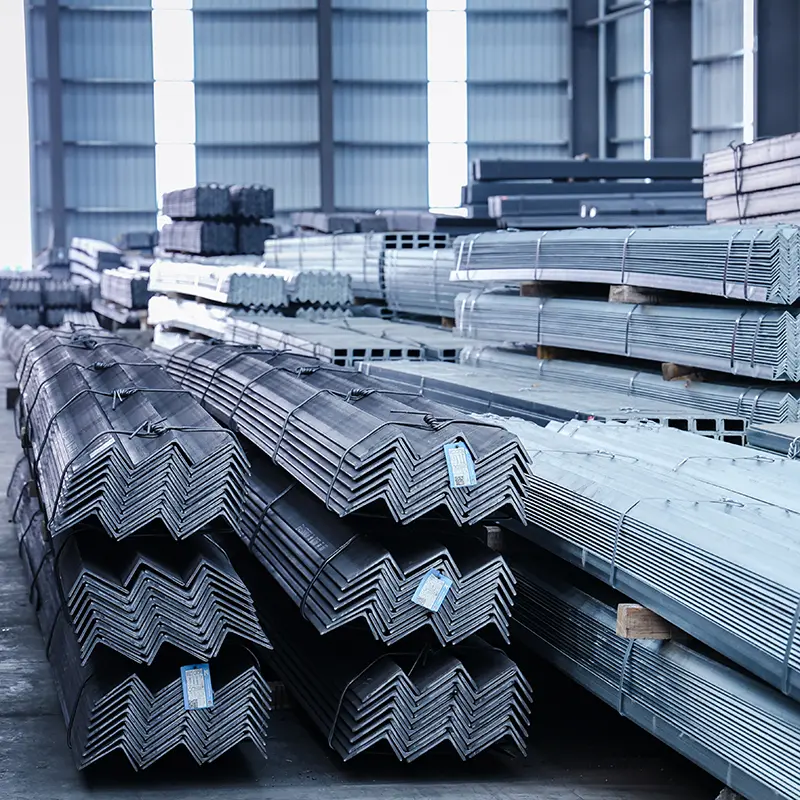
Structural hollow sections and conduit assemblies.
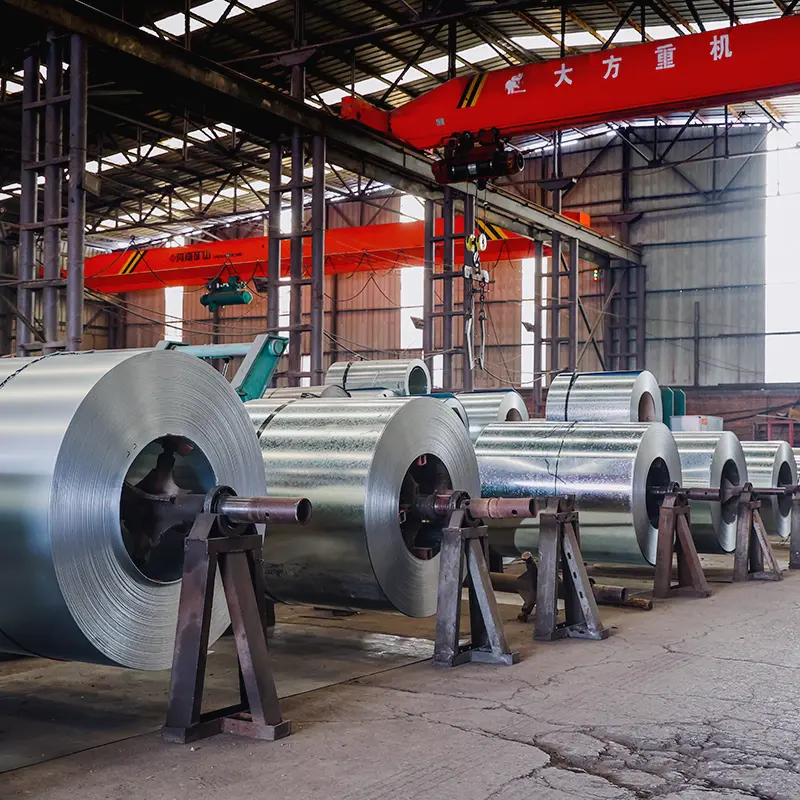
Advanced Zinc-Aluminum-Magnesium corrosion-resistant coils.
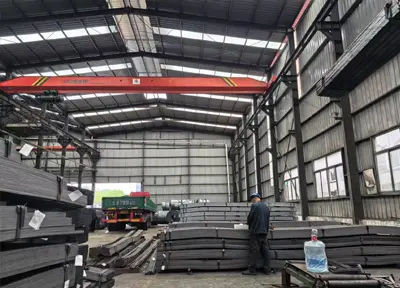
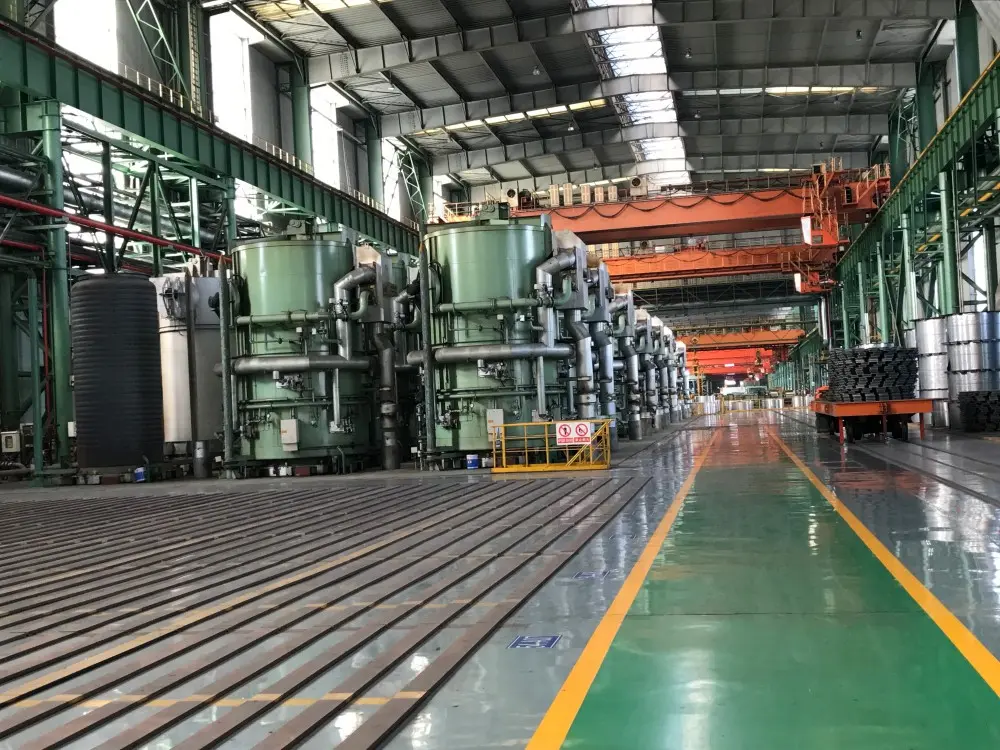
Glimpse inside our high-speed cold formation and precision machining plants
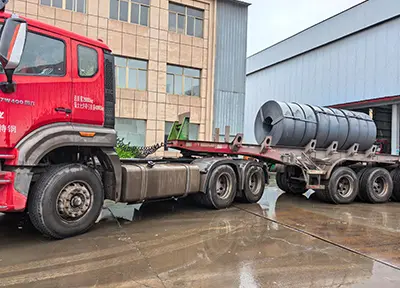
Strategic partnerships and localized shipping cases demonstrating international capability



Developing next-generation structural profile manufacturing technologies for green industrial economies
As the construction and manufacturing industries align with global decarbonization targets, the production of structural sections must undergo significant innovation. Hansheng Technology is actively developing a green technological roadmap focused on reducing the carbon footprint of stainless steel profiles without sacrificing mechanical yield limits.
Traditional mechanical shearing and mechanical punching create micro-fractures along the inner edges of slotted holes due to mechanical shear strain. Our engineering department is transitioning production lines to smart high-speed fiber laser cutting systems. Laser cutting optimizes physical boundary conditions, rendering smooth, defect-free slot surfaces that dramatically reduce stress concentration points, extending the fatigue life of modular structures under seismic loads.
Under conventional high-temperature exposures or localized welding processes, stainless steel faces sensitization—a phenomenon where chromium carbides precipitate at grain boundaries, resulting in intergranular corrosion. By migrating our primary customized lines to ultra-low carbon formulations such as 316L or 304L, we keep carbon composition below 0.03%, retaining corrosion immunity even at welded connections without post-weld annealing.
By leveraging Finite Element Analysis (FEA) and digital twinned models of slotted configurations, our design division can simulate precise deflection rates and torsional buckling points prior to mass production. This ensures that customized slot lengths, spacing (pitch), and margins are optimized for specific structural loads, cutting raw material waste by up to 15% while matching local building regulations.
Addressing core mechanical, chemical, and logistics questions from professional project managers
A slotted angle bar undergoes a minor reduction in cross-sectional area (typically 8% to 15% depending on the slot pitch). This slightly lowers the Moment of Inertia compared to a solid section of equivalent thickness. However, the slot design allows for fast, variable bolt connections. For high-load structural columns, load-bearing capacities are calculated by utilizing the net area method (subtracting slot width from total area) according to AISC (American Institute of Steel Construction) standards.
SS316 contains 2% to 3% Molybdenum (Mo), which specifically increases the material's resistance to pitting and crevice corrosion caused by chloride ions in marine air or chemical processing runoff. Under saltwater spray tests, SS304 can display localized micro-pitting over prolonged exposures, whereas SS316 maintains its structural integrity and aesthetic surface quality.
Yes. Austenitic stainless steels like SS304 are fully non-magnetic when annealed. However, during the cold rolling and heavy punching processes, a portion of the austenite phase transforms into martensite. This martensitic phase transformation can cause the cold-worked areas (especially around the punched slots) to display light magnetic properties. This does not degrade corrosion resistance.
We guarantee dimensional tolerances conforming to ASTM A484 standard regulations. For length tolerances, we achieve within ±1.0 mm, for leg height within ±0.5 mm, and for slot pitch variance within ±0.05 mm using automated optical calibration on our CNC lines.
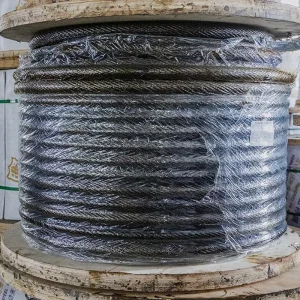
To prevent iron contamination (which triggers surface rusting on stainless steel), we pack products using heavy-duty plastic wrapping, reinforced wood cradles, and isolation cardboard. Stainless steel is never stored directly against carbon steel surfaces. Desiccant packs are distributed inside the shipping containers to prevent condensation during oceanic transit.
Browse our extended catalog of cold-rolled coils, coated steel sheets, and specialized structural frames
 Hanshen