Explore Hansheng Technology's heavy-duty industrial structural steel products, designed for global heavy engineering, architectural frame safety, and customized structural projects.
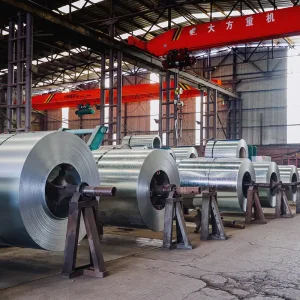
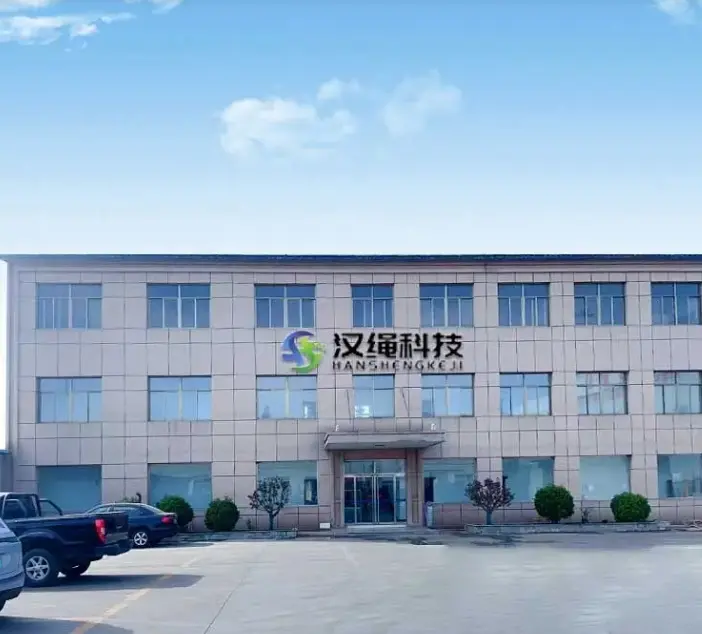
Hansheng Technology (Hebei) Co., Ltd. is strategically situated in Tangshan City, Hebei Province—the absolute center of China's heavy steel industry. Founded in 2006, our prime geographic location places us just 150 kilometers from the major seaport hub of Tianjin and 150 kilometers from Beijing. This proximity allows us to operate an outstanding, efficient logistics network that ensures streamlined container and bulk cargo shipping routes to global projects across North America, Europe, the Middle East, Southeast Asia, Africa, and beyond.
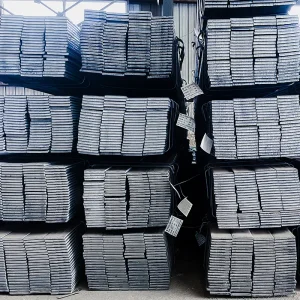
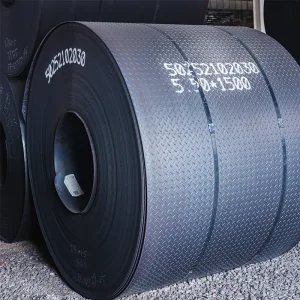
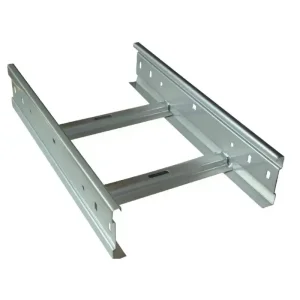
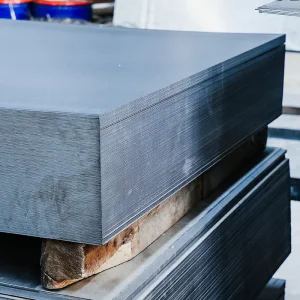
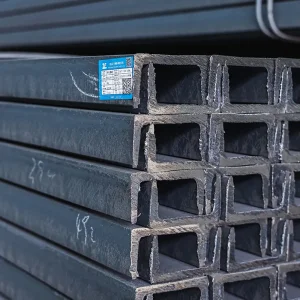
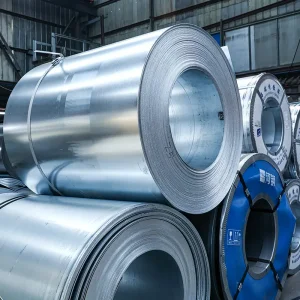
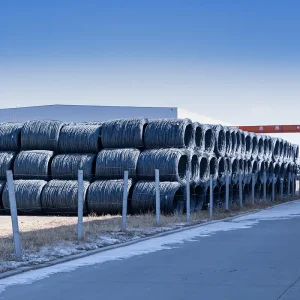
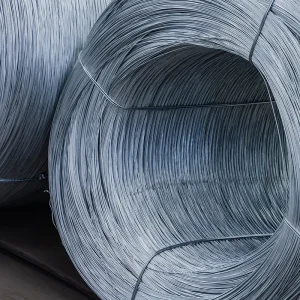
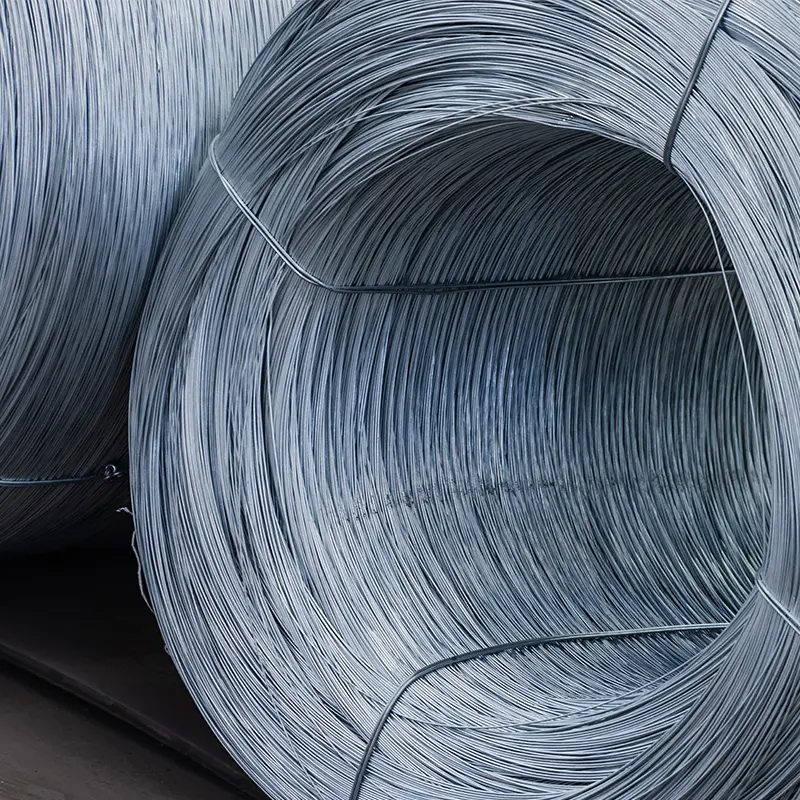
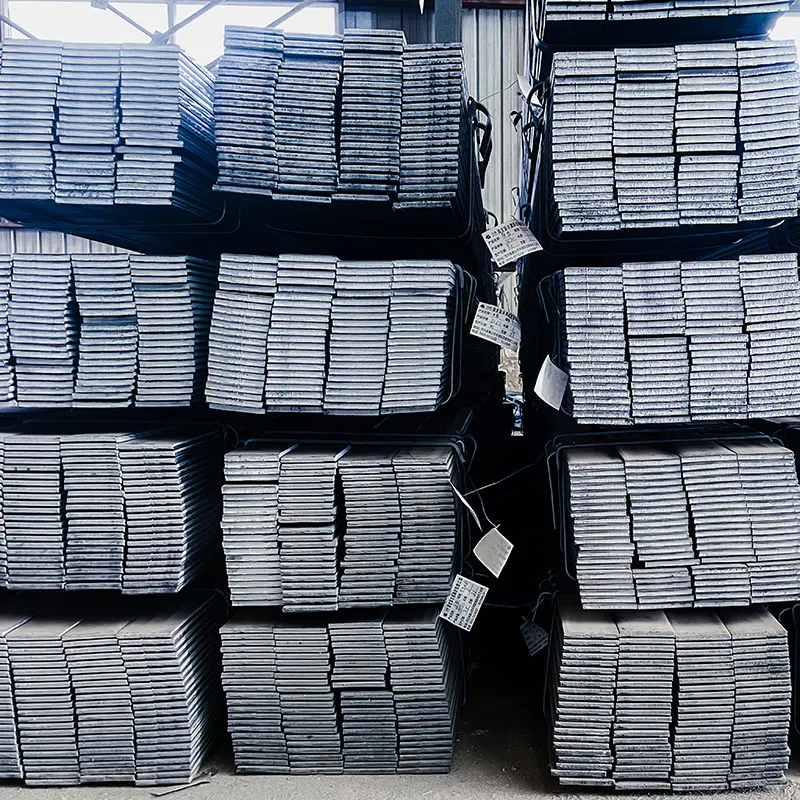
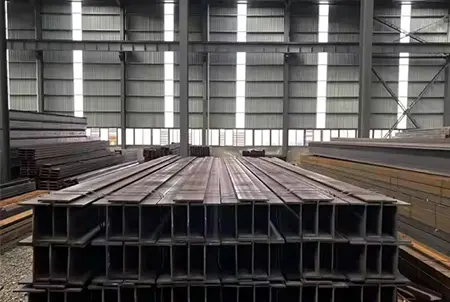
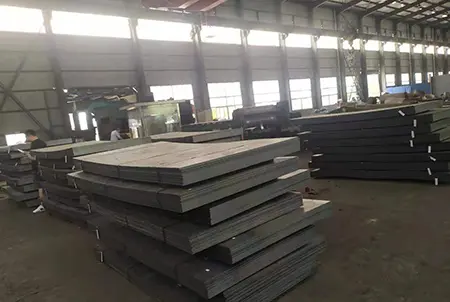
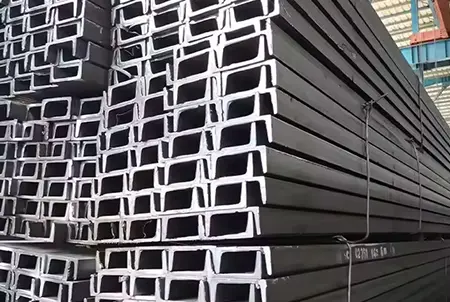
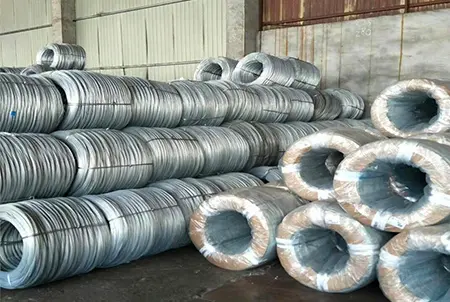
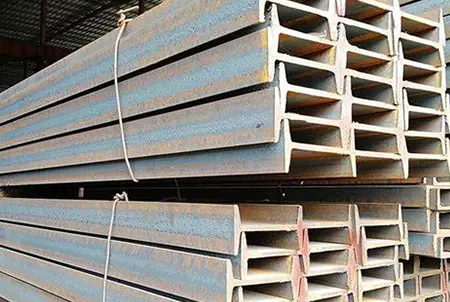
For nearly two decades, we have continuously scaled our processing capabilities. Today, we operate 8 high-efficiency steel fabrication and processing lines, generating an annual manufacturing output of 300,000 to 650,000 metric tons of high-quality structural steel components. Our advanced portfolio spans hot-dipped galvanized products, structural channels, wire rods, plate fabrications, and customized stair tread gratings engineered to comply with strict international quality designations like GB, JIS, ASTM, DIN, EN, and AS/NZS standards.
"We run our manufacturing lines under the firm philosophy of 'honoring contracts and keeping promises.' Our partnerships are built on technical transparency, rigid quality assurance, and strict delivery timelines to satisfy critical path schedules of mega-infrastructure programs."
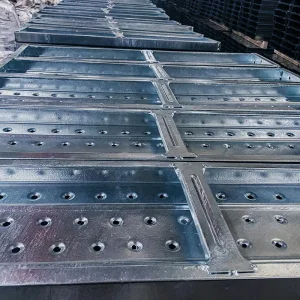
In commercial, maritime, and industrial architecture, stair treads are safety-critical elements. A premium steel stair tread board must be designed to withstand severe shear stresses, continuous dynamic loads, and extremely aggressive environmental elements without showing structural deflection or loss of slip resistance.
We manufacture steel stair tread boards primarily utilizing high-grade structural carbon steels such as ASTM A36, Q235B, Q355B, and EN 10025 S275JR / S355JR. For projects targeting highly corrosive marine platforms or chemical facilities, we utilize 304 or 316-grade stainless steels. The selection of materials is critical as it directly impacts the tread's yield strength and its behavior under fluctuating temperatures and cyclic load conditions.
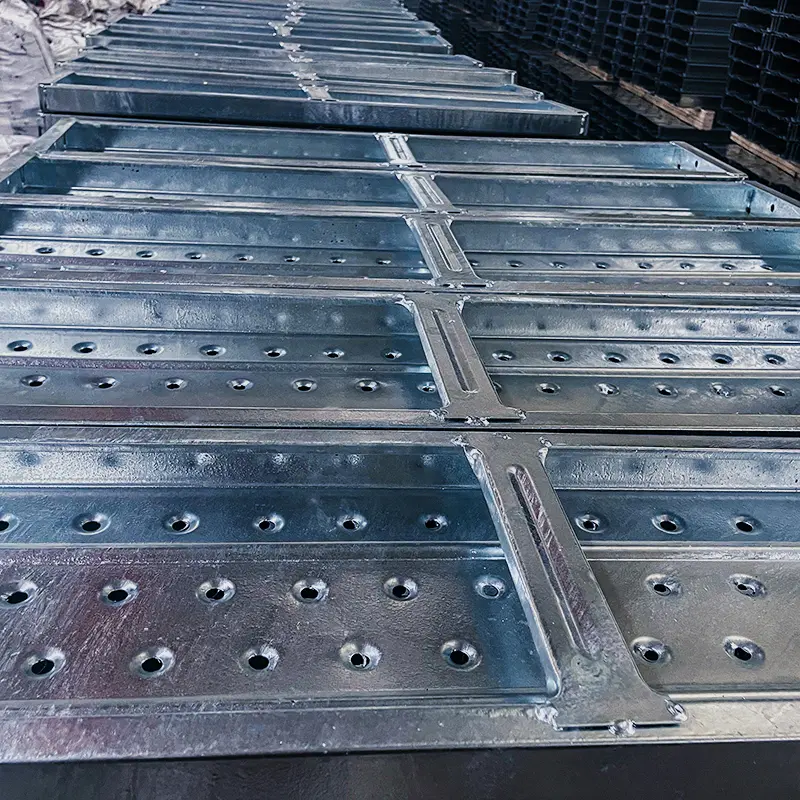
Corrosion is the primary failure driver for outdoor stair steps. Hansheng Technology enforces strict compliance with ASTM A123 / ISO 1461 standards for hot-dip galvanization. Our steel tread boards receive an average zinc coating thickness exceeding 610 g/m² (equivalent to 85 microns), establishing an impermeable sacrificial barrier. This guarantees a maintenance-free service life spanning up to 30 to 50 years in typical urban and industrial atmospheric environments.
Slip protection is key to safety regulations like OSHA 1910.25 and international building codes. The front nosing of the tread handles the highest point friction force. Hansheng offers three custom nosing profiles:
Industrial project managers and procurement officers face strict deadlines and budgets when purchasing custom metal structures. Sourcing custom steel stair tread boards involves balancing lead times, material traceability, and regulatory alignment across different regions.
Reputable manufacturers must provide Mill Test Certificates (MTC) conforming to EN 10204 3.1. This ensures that the chemical composition (Carbon, Manganese, Silicon, Phosphorus) and mechanical testing metrics (tensile and yield strengths) are verified, giving engineers confidence in their designs.
Procurement for North American markets requires compliance with ANSI/NAAMM MBG 531 guidelines, while European infrastructure aligns with EN ISO 14122 access standards. Aligning fabricator capabilities with these design frameworks prevents installation delays.
Ocean logistics costs can impact project budgets. Strategic location near shipping hubs is key. Hansheng's location near Tangshan and Tianjin Port allows us to arrange optimal container containerization, reducing maritime freight costs for international buyers.
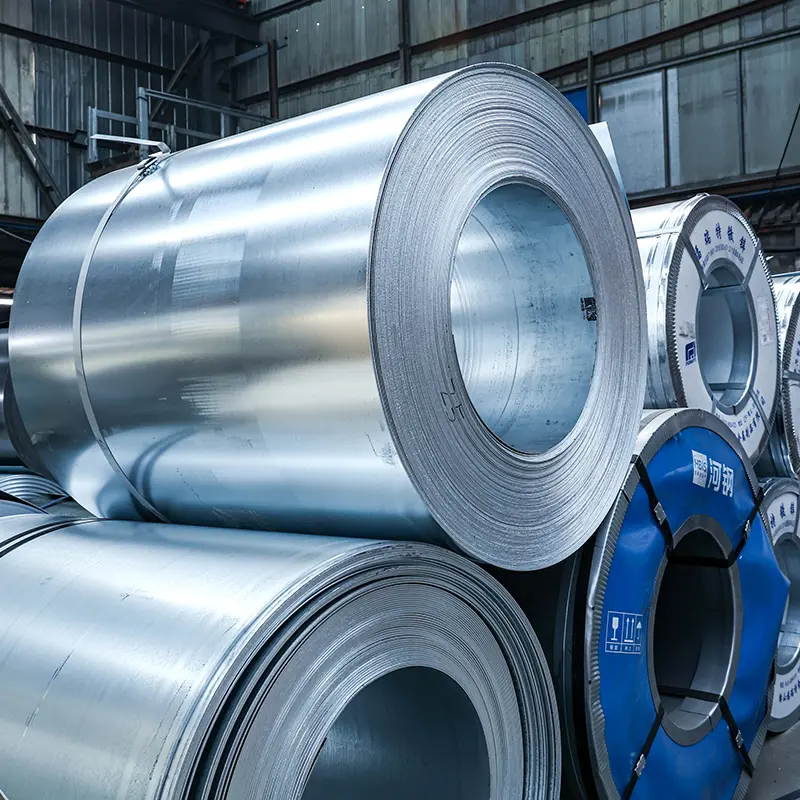
The modern steel industry demands precision, speed, and environmental efficiency. Hansheng Technology has integrated advanced production processes within our Tangshan manufacturing base to optimize structural steel fabrication. We utilize CNC automated mesh-welding lines, robotic cutting stations, and automated hot-dip galvanizing lines to maintain consistent quality across large-volume orders.
By sourcing raw materials directly from major local mills in Tangshan, we mitigate pricing volatility and supply shortages. Our 8 advanced lines run under an ERP-driven schedule, which tracks raw material quality from input to final coating. This vertical integration allows us to offer shorter manufacturing cycles while maintaining the material quality required for demanding industrial applications.
Industrial stair tread boards are installed across diverse engineering environments, each presenting unique mechanical challenges and demands.
These facilities deal with exposure to moisture, sulfur compounds, and volatile hydrocarbons. Stair treads here require open gratings for air circulation, combined with thick hot-dip galvanizing (above 85μm) to prevent corrosive failure under C5-I environments.
Marine environments present continuous exposure to high salt spray and dynamic waves. Treads require aggressive serrated anti-slip textures to ensure traction, and are often fabricated using marine-grade stainless steel (316L) or thick hot-dip galvanized carbon steel.
Mining sites run under constant debris, mud, and dust. Stair boards must feature self-cleaning properties, using wider bar openings (such as 40mm pitch) to allow sand, aggregate, and fluids to pass through, keeping walkways clear.
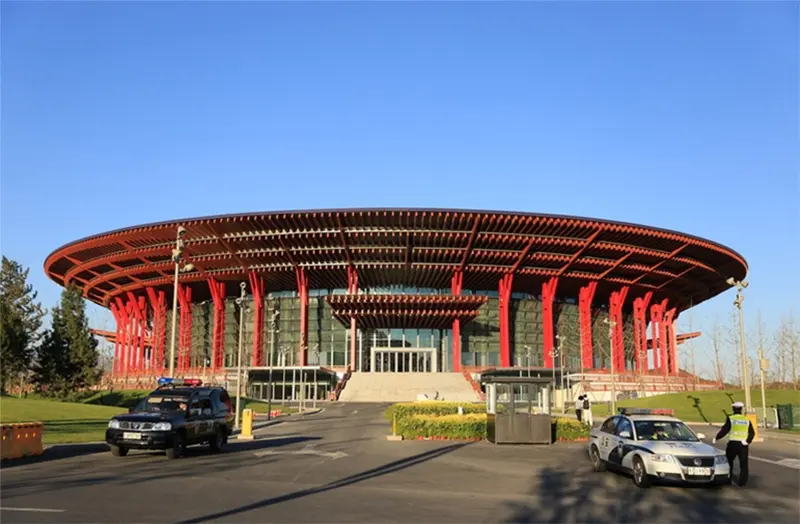
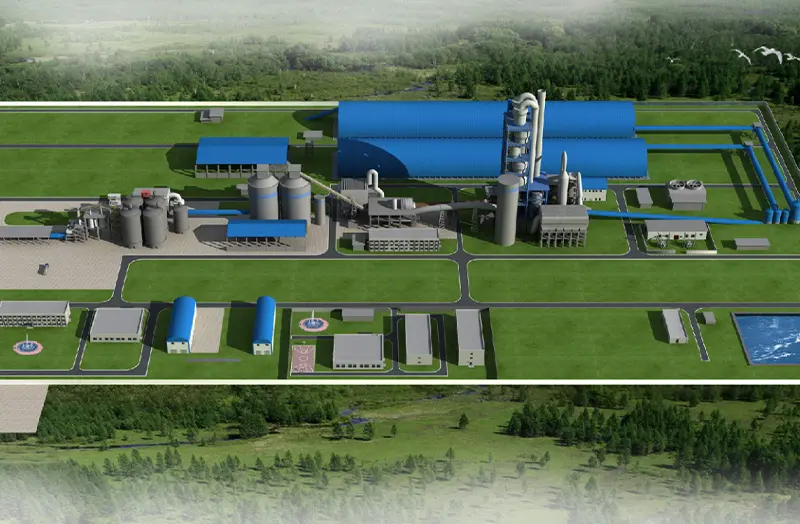
Our track record covers a wide range of international infrastructure projects, commercial structures, and industrial facilities.

Technical answers to common engineering questions regarding the design, material selection, installation, and procurement of steel stair tread boards.
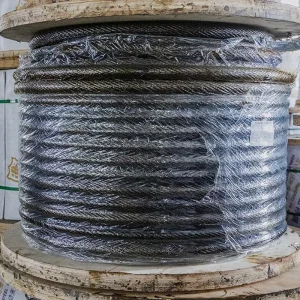
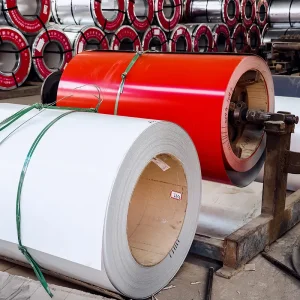
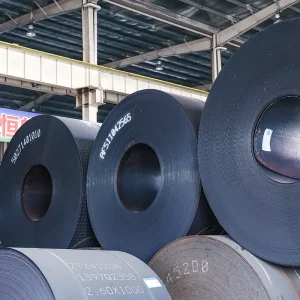
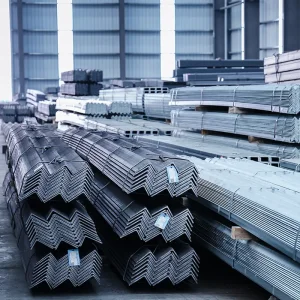
View our complete range of structural items, steel coils, and wire rod products supplied to global industrial partners.
 Hanshen