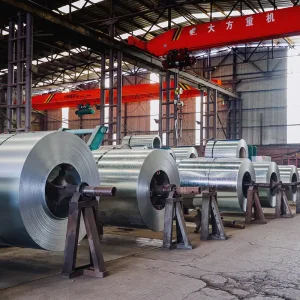
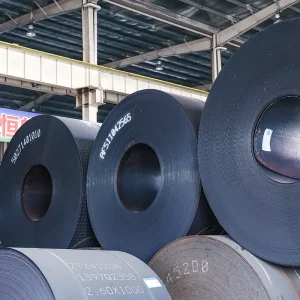
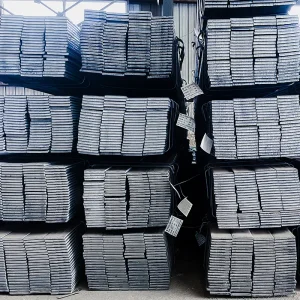
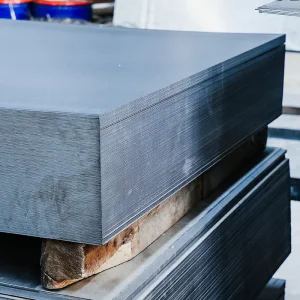
Premium architectural, engineering, and manufacturing materials supplied directly from our ISO-certified facilities.
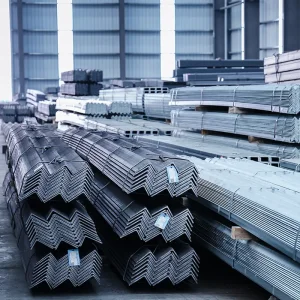
Cast aluminium tooling plates (principally utilized under specific alloys like 5083, 7021, and 7075) represent the pinnacle of precision metal fabrication. Unlike rolled plates, which hold considerable internal stress from directional deformation, cast tooling plates are poured, stress-relieved, and precision-milled. This results in uniform density and virtual immunity to post-machining distortion.
Global procurement systems require extreme accuracy. Industries including aerospace jigs, semiconductor vacuum chambers, and high-frequency testing equipment rely on suppliers who can guarantee strict flatness tolerances and high thickness stability. By working with top-tier factories, procurement officers decrease the waste, cost, and time commonly associated with final micro-machining corrections.
A granular understanding of mechanical properties dictates operational success. Here is an overview of cast aluminium plates compared against conventional rolled counterparts:
| Performance Characteristic | Cast Tooling Plate (e.g., Al 5083 Type) | Rolled Aluminium Plate (e.g., Al 6061-T6) | Engineered Advantage |
|---|---|---|---|
| Internal Residual Stress | Extremely Low (Thermal Stress Relieved) | Moderate to High (Requires post-stretch) | No bowing or warping after deep pockets milling. |
| Bilateral Flatness Tolerance | ≤ 0.13 mm (for 25mm thickness) | ≥ 0.75 mm | Eliminates pre-machining grinding steps. |
| Thickness Tolerance | ± 0.05 mm to ± 0.1 mm | ± 0.25 mm to ± 0.8 mm | Enables exact vertical dimension stacking. |
| Surface Roughness (Ra) | ≤ 0.4 μm (Precision Milled & PVC Protected) | Unfinished Mill Finish | Ready for vacuum sealing and direct assembly. |
| Anodizing Performance | Excellent, highly uniform pore structure | Varies based on rolling grain direction | Optimal for cleanroom and wear-resistant applications. |
Due to the random orientation of the granular structure in cast plates, machining can be executed in any direction without concerns regarding mechanical properties changes parallel or perpendicular to the rolling direction.
Thermal stability is guaranteed through controlled homogenizing heat treatments, neutralizing molecular movement during high-velocity milling or cycle heating operations.
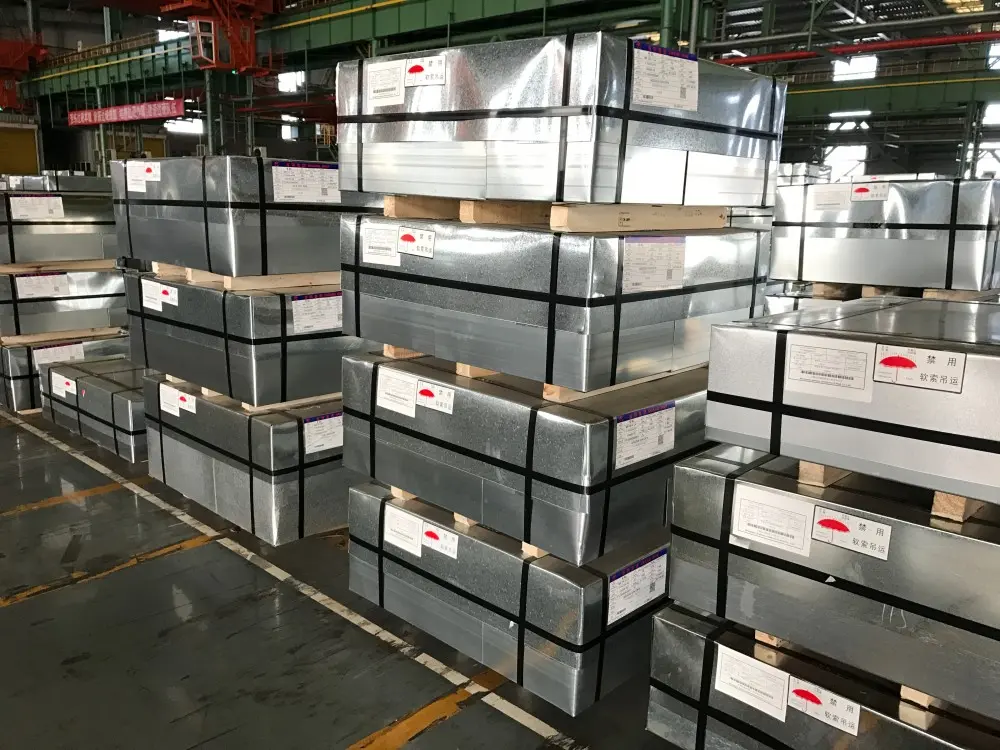
Milled on both sides, each plate arrives protected with high-grade PVC film to prevent micro-scratching during global shipping, storage, and handling.
Strategic localization, extensive manufacturing infrastructure, and cross-border delivery expertise.
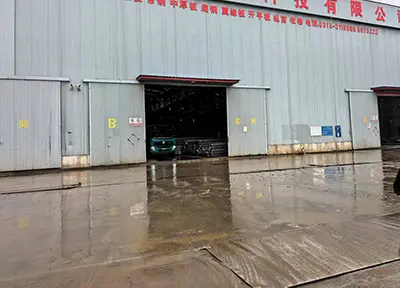
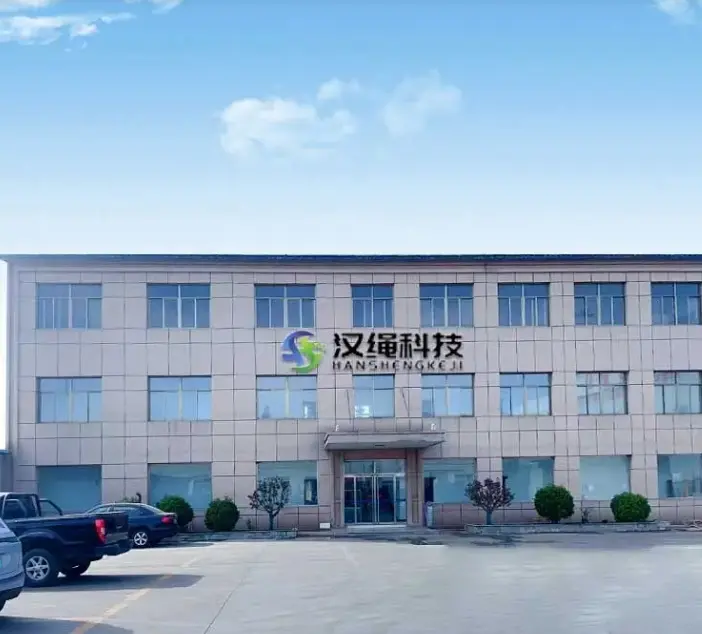
Strategically situated in Tangshan City, Hebei Province—the heart of China’s steel industry. With a prime location just 150 kilometers from the Tianjin seaport and 150 kilometers from the capital, Beijing, we benefit from an exceptional logistics network that ensures efficient global shipping.
Since our inception in 2006, we have evolved into a comprehensive, export-oriented enterprise specializing in the manufacturing of premium-quality steel products. Driven by a commitment to supply chain excellence, competitive pricing, and professional service, our products have earned recognition across global markets.
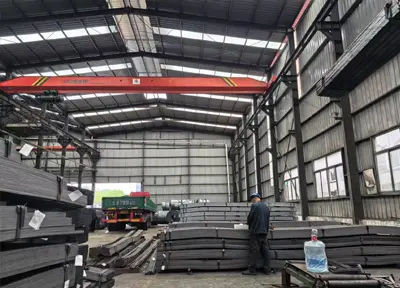
We operate 8 high-efficiency production lines with a total annual production capacity of 300,000 metric tons. All items are meticulously manufactured to adhere to rigorous international standards such as GB, JIS, ASTM, DIN, EN, and AS/NZS, ensuring strict compliance across boundaries.
Trust, Confidence, and Reliability form the cornerstone of all global customer engagements. We emphasize:
Absolute transparency in raw material chemical profiles and delivery schedules.
Custom dimensional sizing to minimize raw material waste on CNC configurations.
Dynamic engineering to respond to changing market standards and consumer needs.
Preshipment inspections and chemical reports for every batch delivered.
Analyzing how different metal materials, including galvanized wires, plates, and cast metals, perform in standard industrial applications.
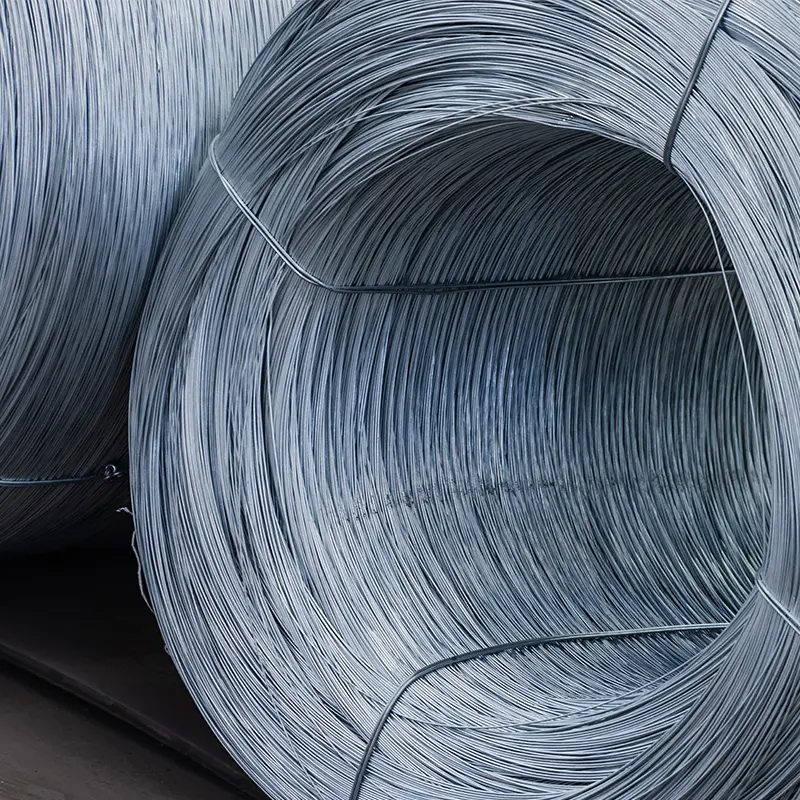
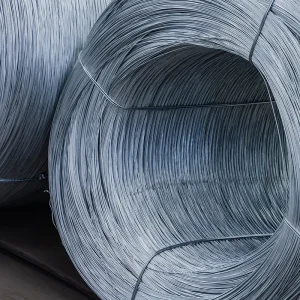
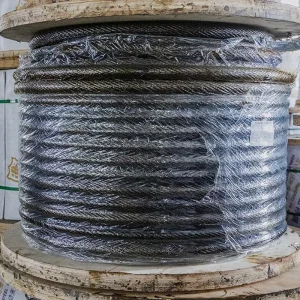
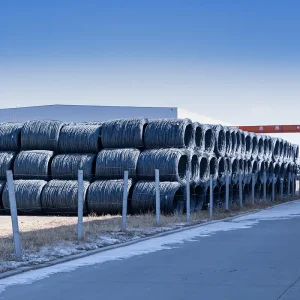
High tensile strength and corrosion resistance. Primarily used for lifting, cabling, and reinforcing concrete structures.
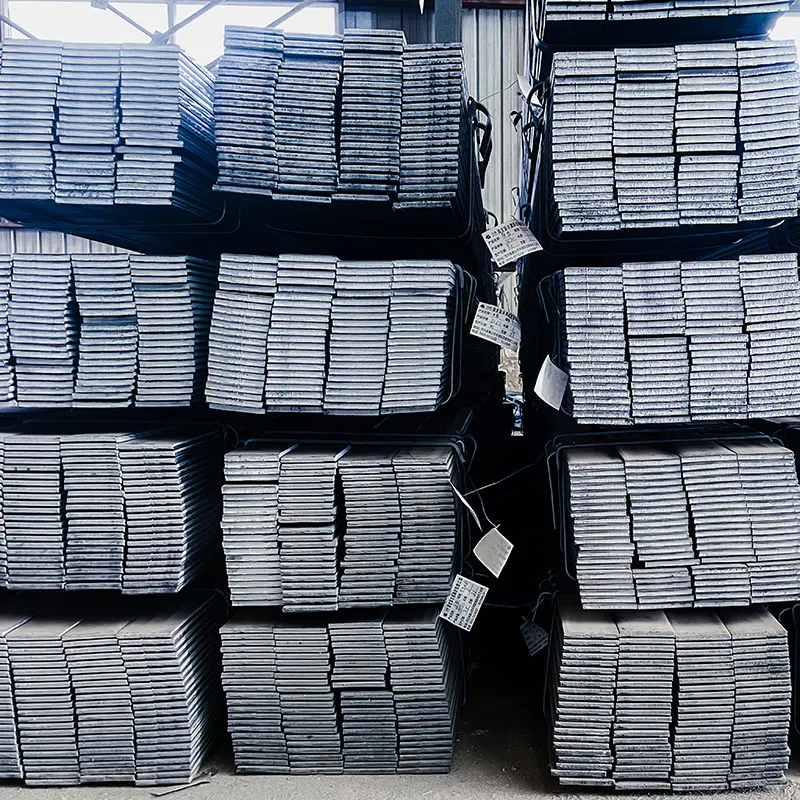
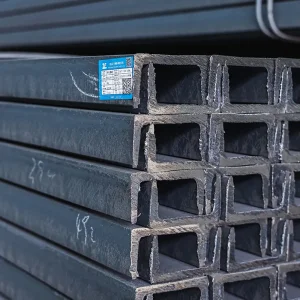
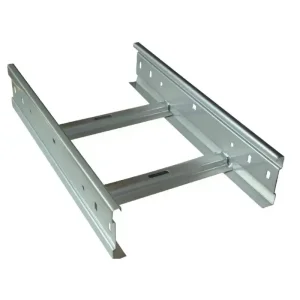
Precision-edged sections utilized in structural fabrication, frame assembly, and secondary engineering works.
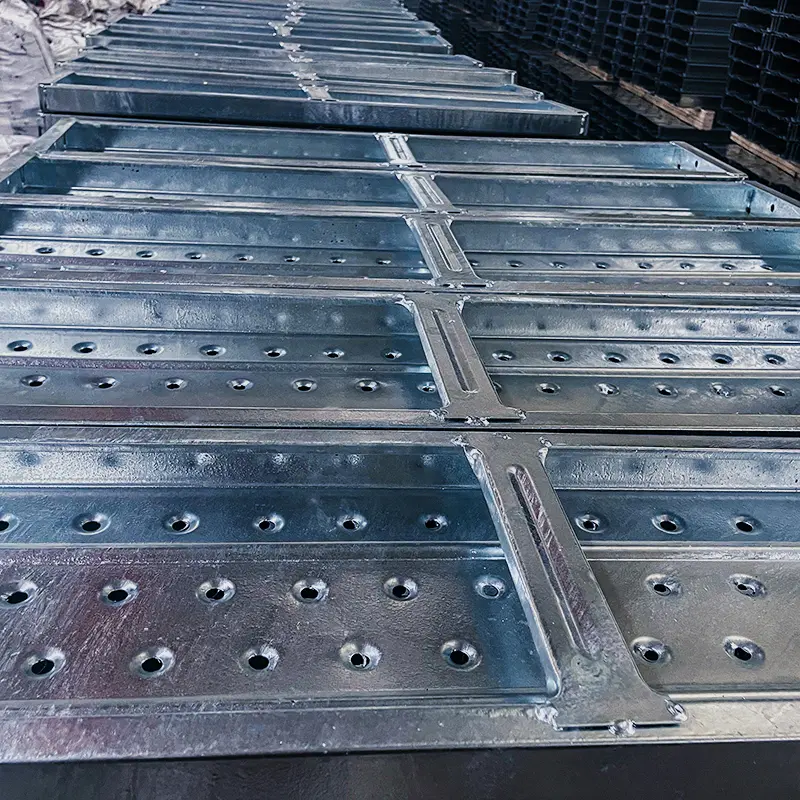
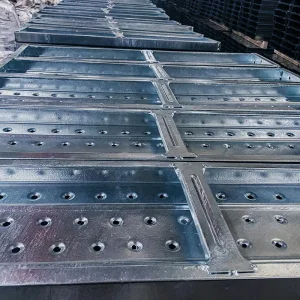
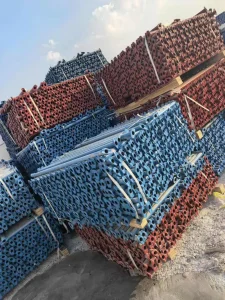
Engineered scaffolding solutions supporting dynamic weights in construction safety systems worldwide.
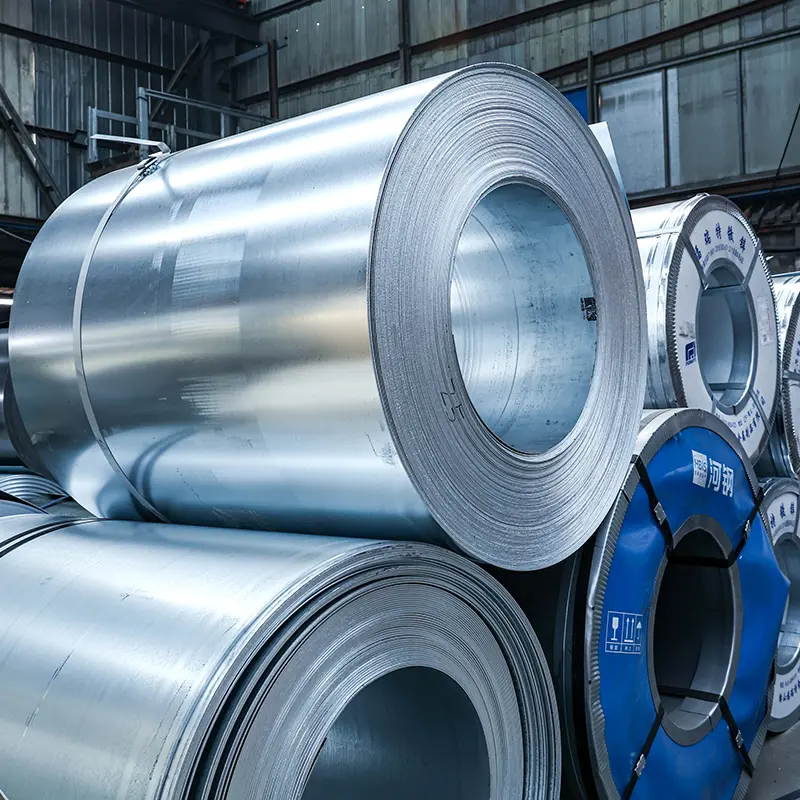
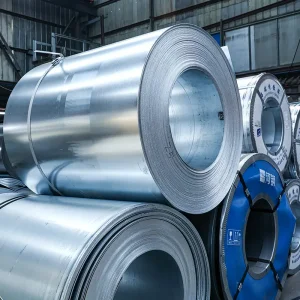
Zinc-coated substrates delivering robust surface protection against atmospheric corrosion.
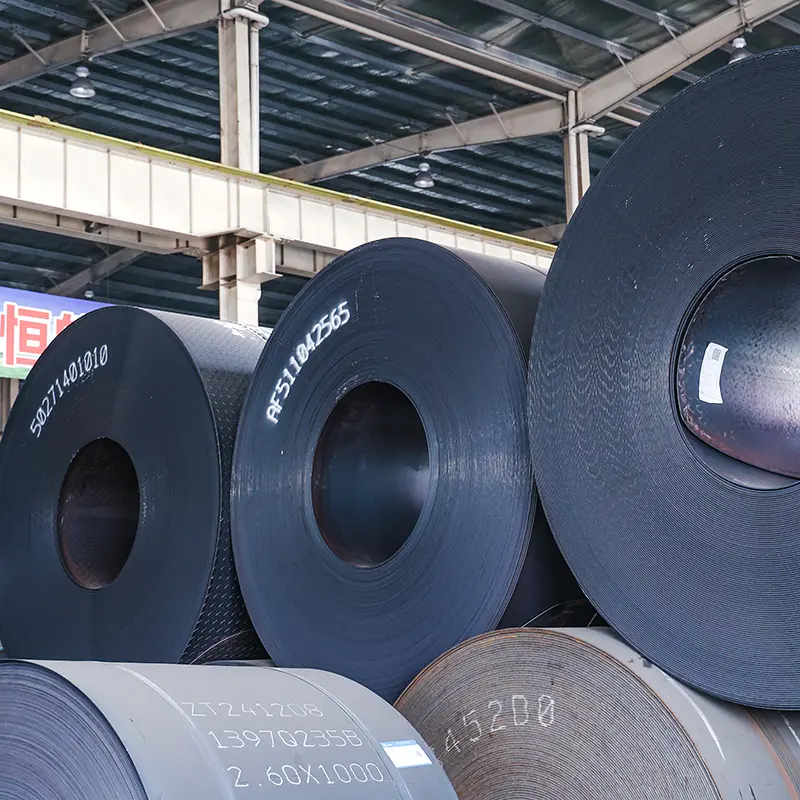
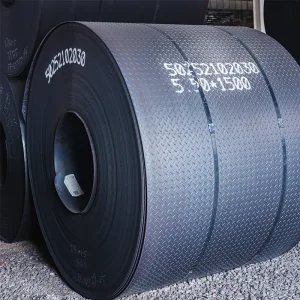
Hot-rolled sheets providing exceptional base material ductility for heavy industrial forming.
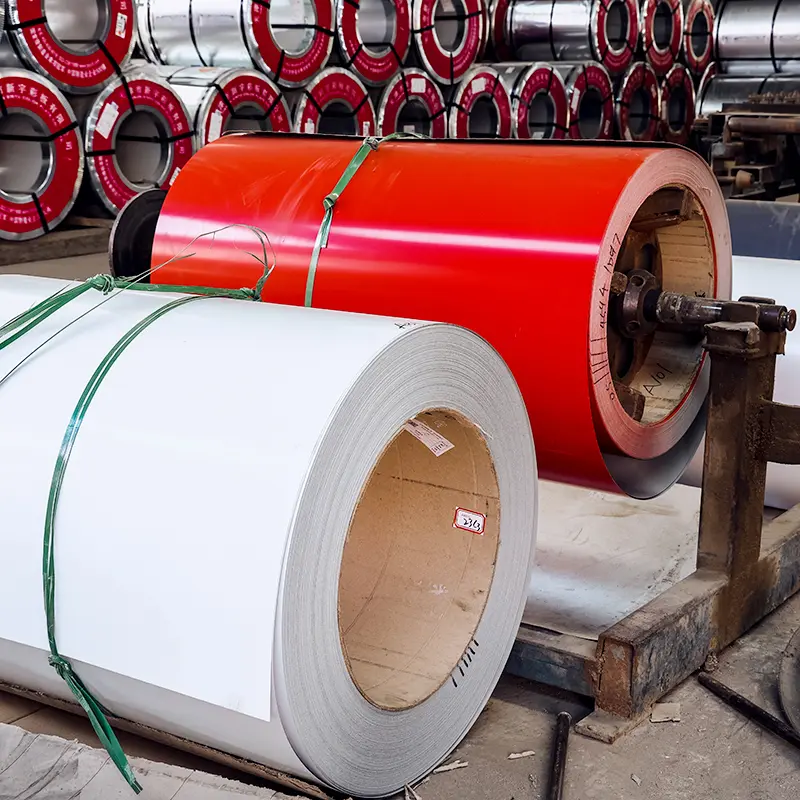
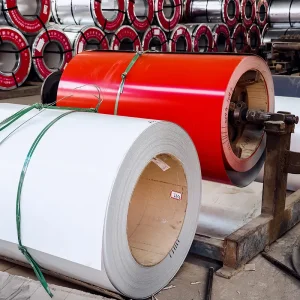
Prepainted metallic coils optimized for roofing, architectural cladding, and industrial container housing.
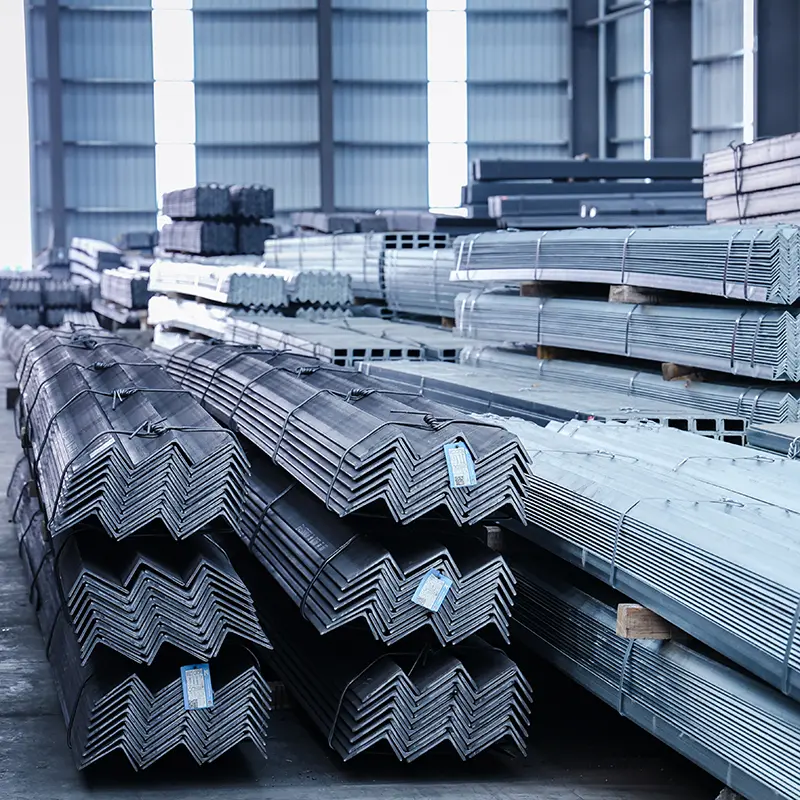
High structural stability tubes designed for fluid transport and support frameworks.
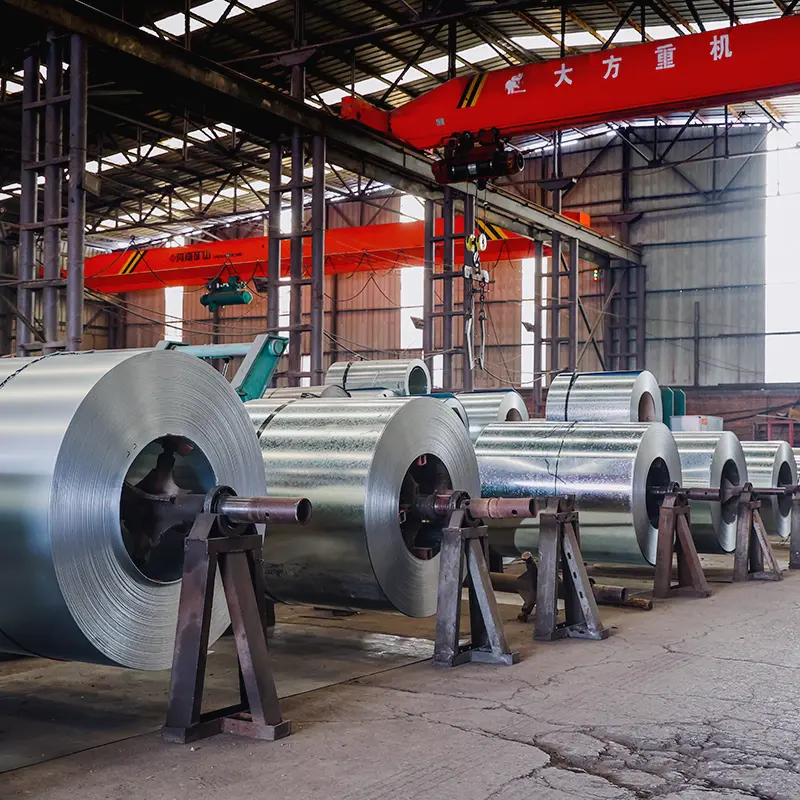
Next-generation alloy coating providing enhanced cut-edge self-healing protection in harsh environments.
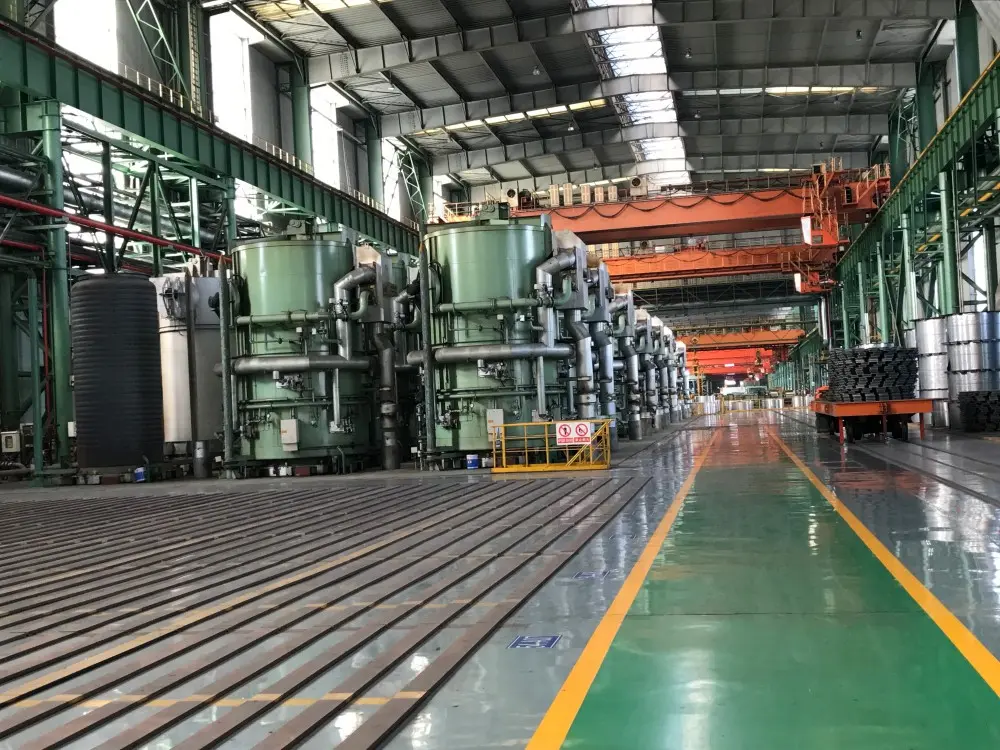
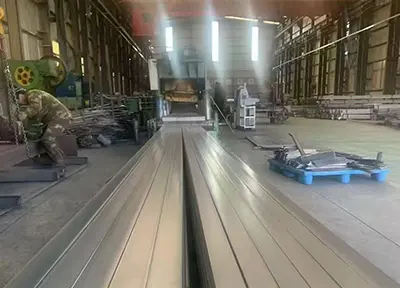
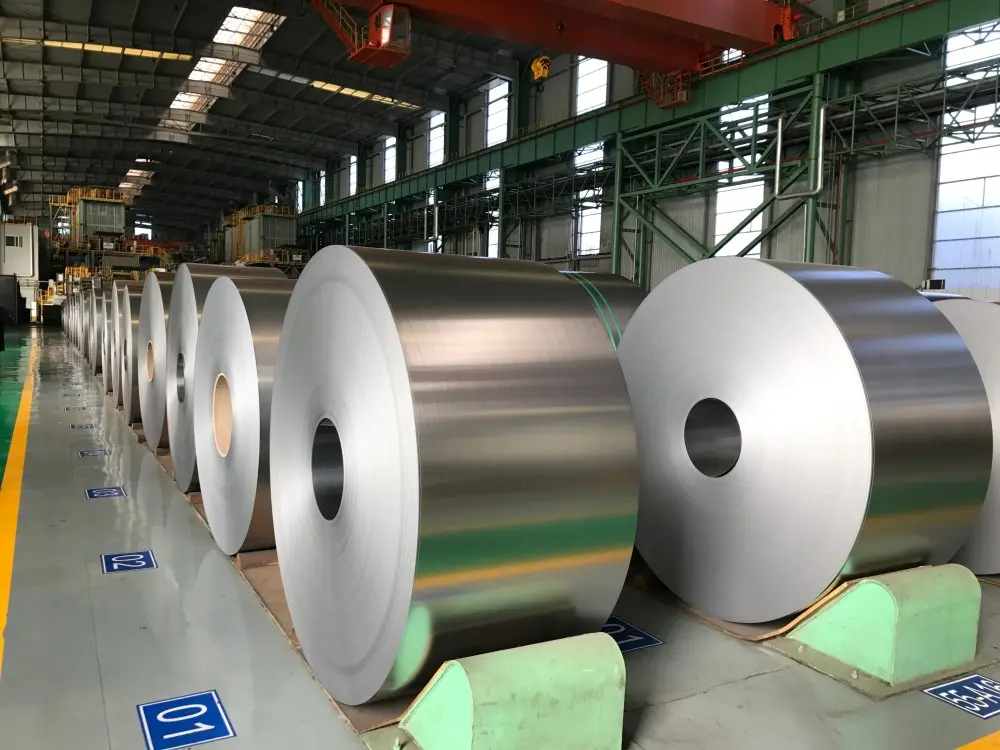
Operational photos showing processing capabilities and metallurgical machinery lines.
We work closely with primary domestic raw material smelters to ensure competitive metal supply configurations.





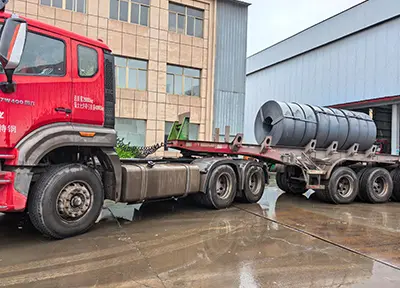
A demonstration of our supply reach, transporting raw metals and processed alloys to key infrastructure projects globally.
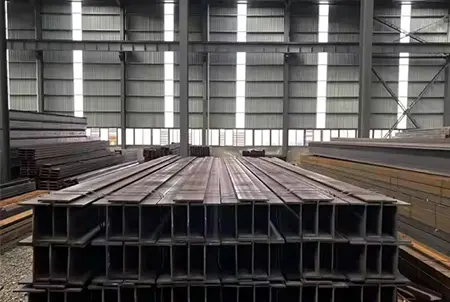
Heavy Structural H-Beams Project Delivery
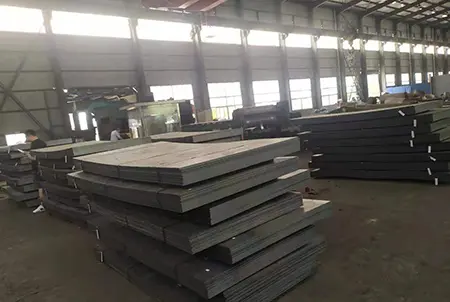
Engineered Plates for Petrochemical Storage Foundations
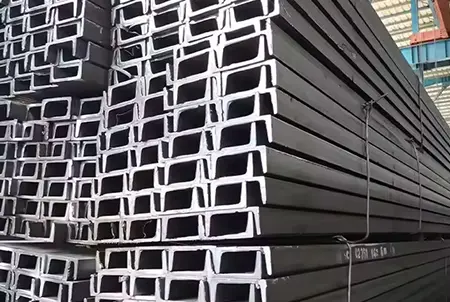
JIS Compliant Structurals for Industrial Facilities
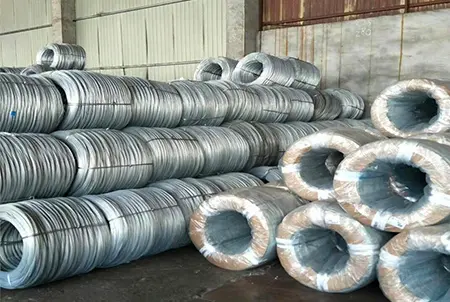
Corrosion-Resistant GI Wire Supply for Coastal Infrastructure
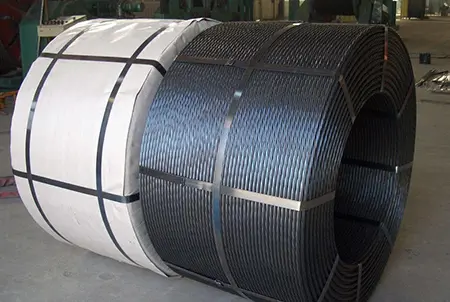
PC Strand for Highway Expansion Programs
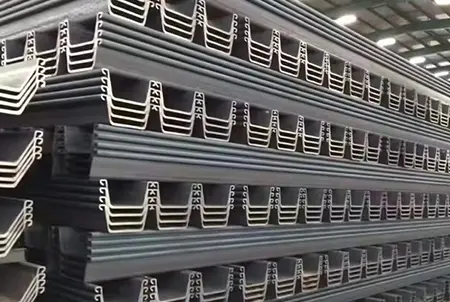
Sheet Piles for Port and Sea Wall Infrastructure
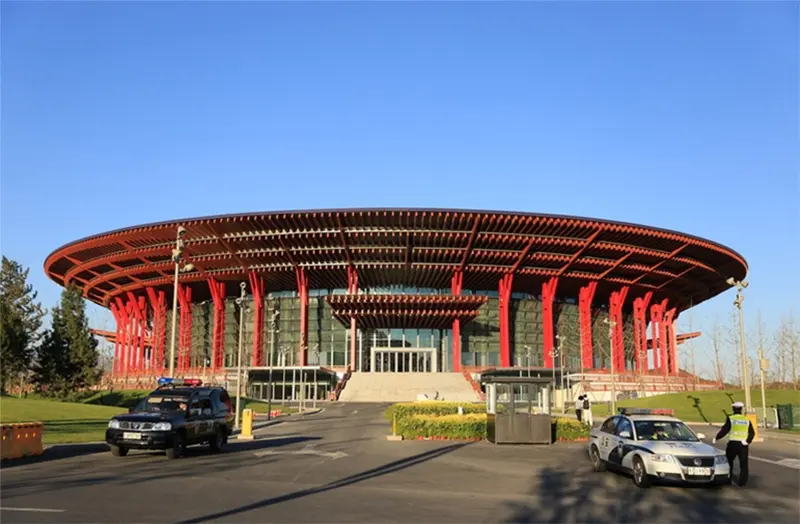 2013
2013
Beijing Yanxihu Convention and Exhibition Center Construction Material Supply
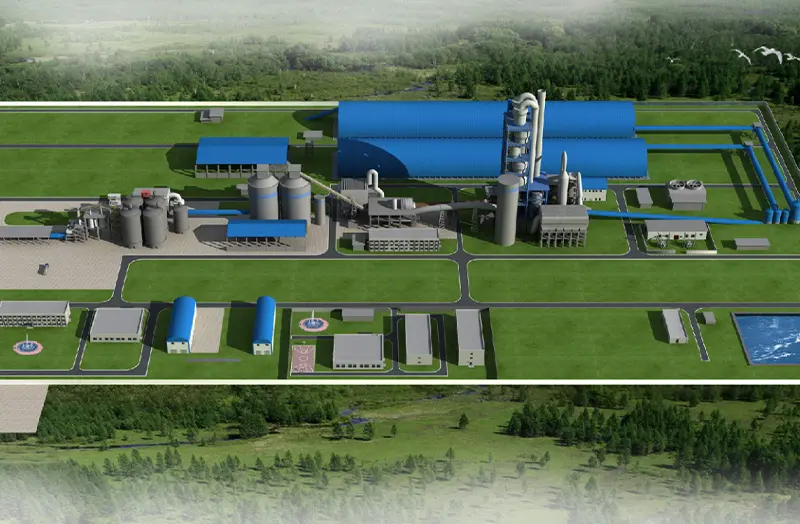 2014
2014
Clinker production line project of South Africa Mamba Cement Co., Ltd.
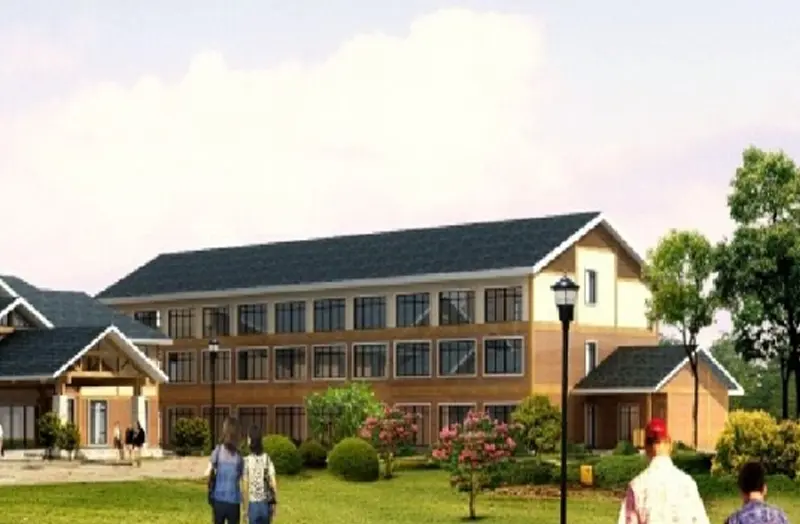 2020
2020
Modern Villa modular structural framing kits shipped to Canada
Detailed technical responses addressing concerns on chemical composition, mechanical stability, and procurement requirements.
The difference lies in internal stress configuration. Cast tooling plates are manufactured by pouring molten metal into molds, followed by slow cooling and detailed stress-relieving heat treatments. This produces a stress-free, isotropic structure that maintains dimensional stability during heavy milling. Rolled plates, however, are formed through mechanical deformation, retaining stress that can release and cause warping after post-machining milling.
The most common alloy used is 5083, which offers high corrosion resistance, weldability, and moderate strength. For higher stress applications, 7000-series cast alloys (like 7021 or 7075) are preferred because they provide higher hardness and strength while maintaining the low internal stress characteristics of cast materials.
Bilateral milling ensures exact thickness tolerances (often within ±0.05 mm) and flatness tolerances (under 0.13 mm). It also provides a smooth surface roughness (typically Ra ≤ 0.4 μm) and protects the surface from atmospheric oxidation, ensuring the plates are ready for direct assembly or positioning systems.
Located in Tangshan City, Hebei Province, our facilities are 150 kilometers from the Tianjin seaport and 150 kilometers from Beijing. This central Bohai Bay location allows us to coordinate efficient inland transit and load directly into international shipping routes, maintaining dependable delivery times for global partners.
All production runs comply with key international standards including GB (China), JIS (Japan), ASTM (USA), DIN (Germany), EN (Europe), and AS/NZS (Australia). Additionally, our quality management systems are certified under ISO 9001 and ISO 14001.
High-grade construction, engineering, and manufacturing materials supplied directly from our ISO-certified facilities.
 Hanshen