Industrial Strength Anti-Slip Metal Solutions Engineered for Global Infrastructure projects, High-Traffic Safety, and Rigorous Engineering Standards.
Premium architectural, carbon, and structural steel elements curated for top-tier global distribution.
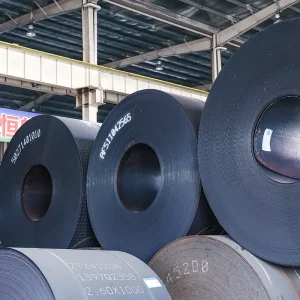
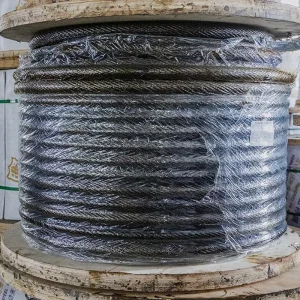
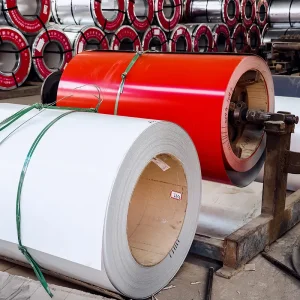
Understanding the micro-mechanics of high-friction metal surfaces in dynamic load environments.
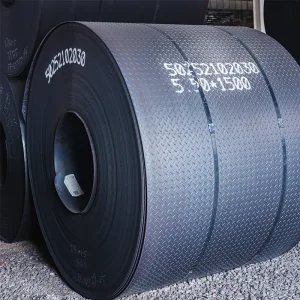
Checkered steel sheets—commonly designated as checker plates, floor plates, or diamond tread plates—constitute one of the primary mainstays of modern civil infrastructure, logistics, and heavy manufacturing. Designed with a continuous raised pattern on one side, these sheets are primarily engineered to provide vital slip resistance in highly challenging environments. Global urbanization, expanding transit networks, and the growth of heavy manufacturing continue to drive consistent demand for this durable material.
The contemporary market is characterized by a significant transition toward lighter, stronger, and more corrosion-resistant alloys. Industry engineers now emphasize exact mechanical tolerances and surface pattern geometries to maximize traction. Standard steel sheets without surface textures present high liability and functional risks in areas exposed to industrial oils, moisture, or freezing conditions. By employing precise metallurgical compositions and hot-rolling techniques, manufacturers create structural profiles that deliver enhanced slip resistance alongside reliable durability under static and dynamic loads.
From an international trade perspective, checkered plates are categorized under strict steel code standards. Buyers must choose correct configurations based on chemical composition, yield strength, and atmospheric resistance. As heavy industries prioritize worker safety and facility durability, checkered plates remain essential for logistics hubs, processing plants, and marine infrastructure globally.
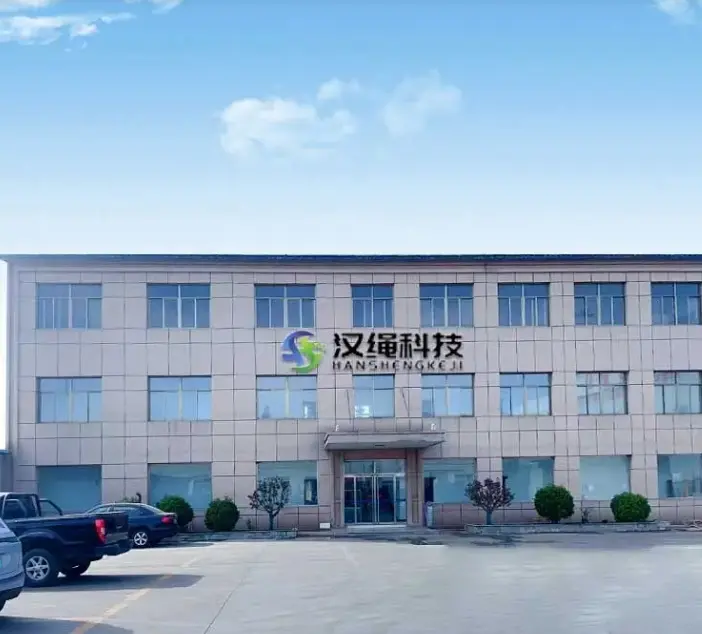
A premier export-oriented manufacturer situated in the heart of China's steel corridor.
Strategically situated in Tangshan City, Hebei Province—the renowned epicenter of China’s steel industry—Hansheng Technology (Hebei) Co., Ltd. benefits from a mature industrial ecosystem and deep metallurgical expertise. Our facility is located just 150 kilometers from the Tianjin seaport and 150 kilometers from Beijing, providing access to an integrated logistics network that ensures rapid and cost-effective shipping to global markets. Since our founding in 2006, we have grown from a local supplier into a recognized export-oriented enterprise specializing in high-performance steel products.
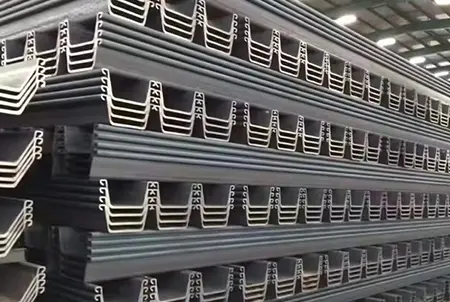
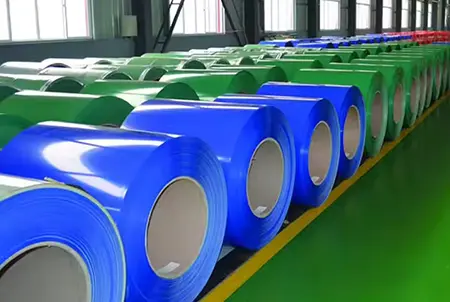
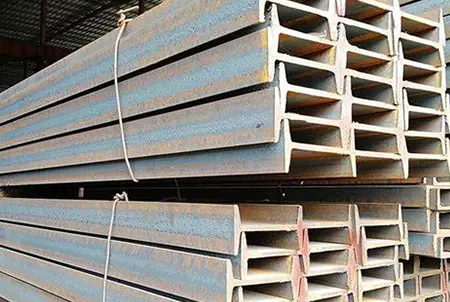
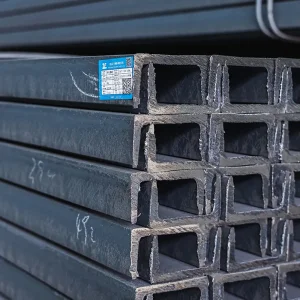
Our facility operates 8 advanced production lines with a total annual production capacity of 300,000 metric tons, while our coordinated operations can support outputs up to 650,000 tons. This high-capacity manufacturing setup enables us to efficiently meet large-scale structural demands while maintaining consistent quality. Our extensive product portfolio includes Galvanized Steel Wire, Hot/Cold Rolled Steel Coils and Sheets, GI/PPGI, GL/PPGL, ZAM, and various Section Steels, all manufactured in strict compliance with international standards such as GB, JIS, ASTM, DIN, EN, and AS/NZS.
We build our business relationships on supply chain transparency, competitive pricing structures, and professional customer service. We operate under the philosophy of "honoring contracts and keeping promises," viewing our clients as partners in long-term success. Our quality management systems are ISO9001:2000 and ISO14001 certified, ensuring that every batch of checkered plates or structural steel we ship meets high standards of reliability and durability.
A detailed technical breakdown of patterns, material compositions, and performance parameters.
The single-teardrop profile is widely utilized in industrial flooring. Its smooth, rounded projection provides good multidirectional traction while allowing for easy cleaning, making it suitable for food processing facilities, warehouses, and corridors.
Featuring intersecting raised lines, the classic diamond design is preferred in heavy construction and transportation sectors. This pattern is engineered to withstand heavy wheel traffic and is commonly installed on truck beds, trailers, and cargo docks.
Often referred to as willow leaf patterns, these configurations feature groups of parallel bars oriented perpendicular to adjacent groups. This layout delivers high omnidirectional slip resistance, making it suitable for marine walkways and offshore platforms.
Selecting the correct steel grade requires evaluating load-bearing requirements, welding parameters, and environmental exposure. The table below outlines the primary international standards for checkered steel sheets.
| Standard | Grade Designation | Yield Strength (Min) | Tensile Strength (MPa) | Typical Application Environments |
|---|---|---|---|---|
| ASTM (USA) | A36 / A786 | 250 MPa | 400 - 550 MPa | General fabrication, factory platforms, structural stairways |
| EN (Europe) | S235JR / S355JR | 235 / 355 MPa | 360 - 510 / 470 - 630 MPa | Infrastructure projects, high-load machinery floors, civil engineering |
| JIS (Japan) | SS400 / G3101 | 245 MPa | 400 - 510 MPa | Automotive fabrication, marine container bases, rolling stock |
| GB (China) | Q235B / Q345B | 235 / 345 MPa | 370 - 500 / 470 - 630 MPa | Broad civil engineering projects, heavy-duty industrial platforms |
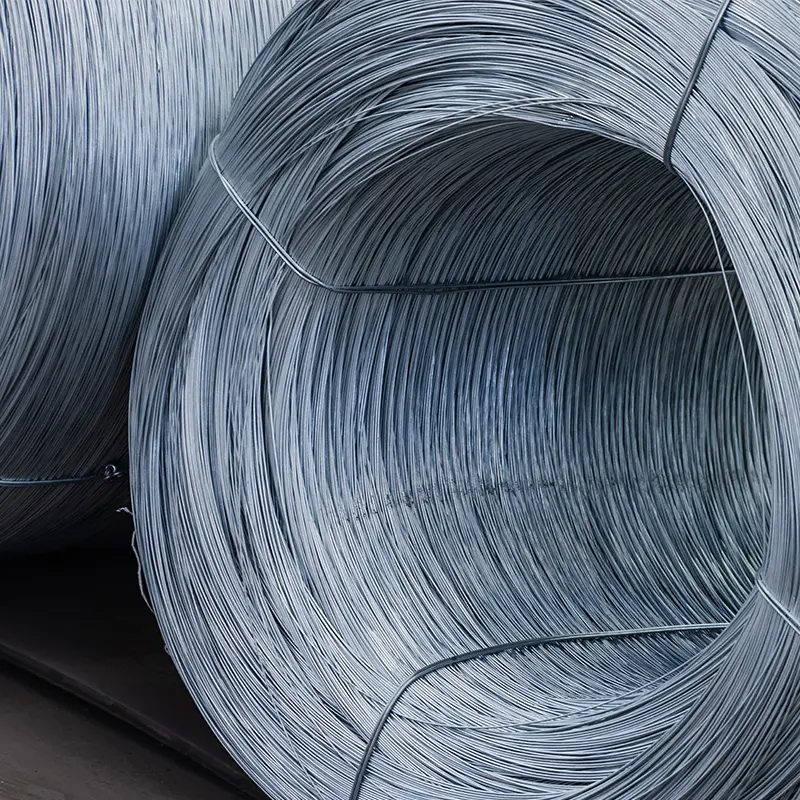
How Hebei's integrated industrial supply chain delivers value to international buyers.
The concentration of raw material refinement, automated hot-rolling mills, and downstream processing facilities in Hebei Province provides a highly integrated industrial ecosystem. As a result, Chinese manufacturing offers distinct advantages in cost efficiency, logistics speed, and volume capabilities:
These centralized structural advantages allow us to balance cost efficiency with reliable product quality, ensuring our products comply with demanding international standards.
Adapting material selection and pattern geometries to specific environmental demands.
In power plants, petrochemical refineries, and chemical processing facilities, overhead walkways require high-traction flooring that resists moisture, steam, and chemical exposure. Hot-dip galvanized checkered sheets are frequently specified for these installations to prevent slips and resist corrosion.
Truck tailgates, heavy trailer beds, delivery vans, and public transit steps require high wear resistance. Checker plates reinforce vehicle chassis structures, standing up to the constant abrasion of loading heavy cargo and foot traffic.
Saltwater environments accelerate rust and corrosion. Utilizing high-grade aluminum or specialized Zinc-Aluminum-Magnesium (ZAM) coated checker plates provides durable slip resistance on docks, ship decks, loading ramps, and offshore drilling platforms.
A structured approach to evaluating specifications, quality control, and shipping logistics.
Thickness tolerances should comply with standard specifications (e.g., ASTM A786). Ensure your RFQ clarifies whether the nominal thickness includes or excludes the raised pattern height.
Choose your finish based on the environment: black hot-rolled for indoor structural parts; hot-dip galvanized or ZAM coatings for outdoor, high-humidity, or marine settings.
Specify pattern orientation for projects requiring precise alignment across adjacent floor plates. This ensures consistent traction and a clean visual transition across seams.
Ensure sheets are securely steel-banded, wrapped with anti-corrosion VCI paper, and mounted on durable wooden or metal pallets to prevent edge damage during ocean transport.
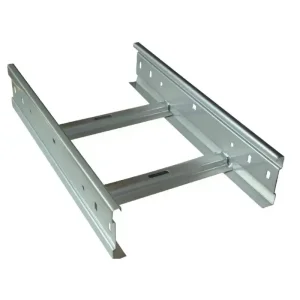
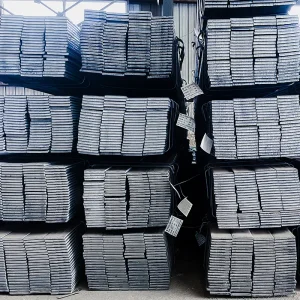
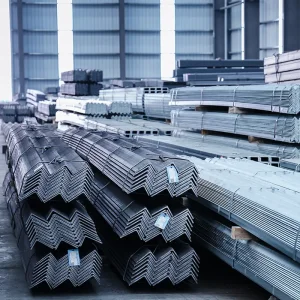
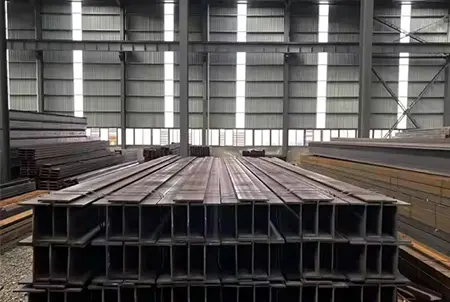
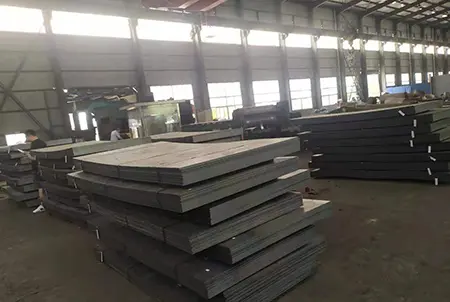
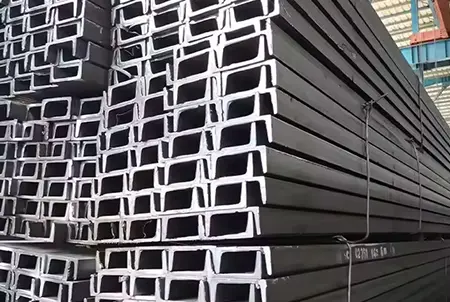
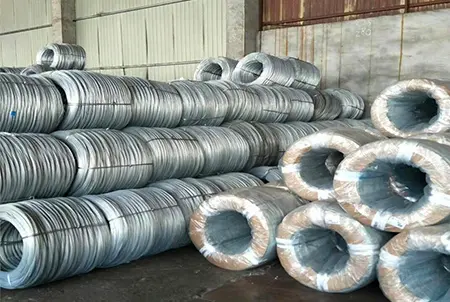
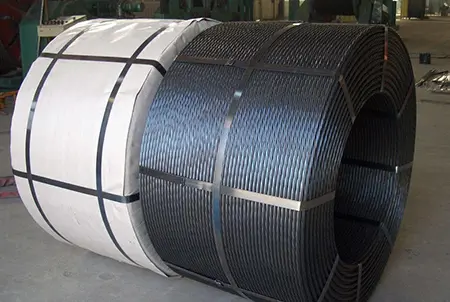
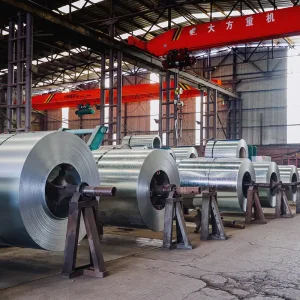
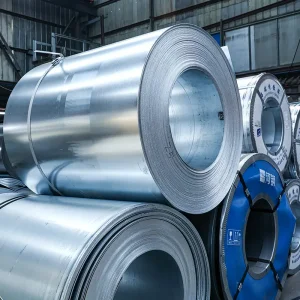
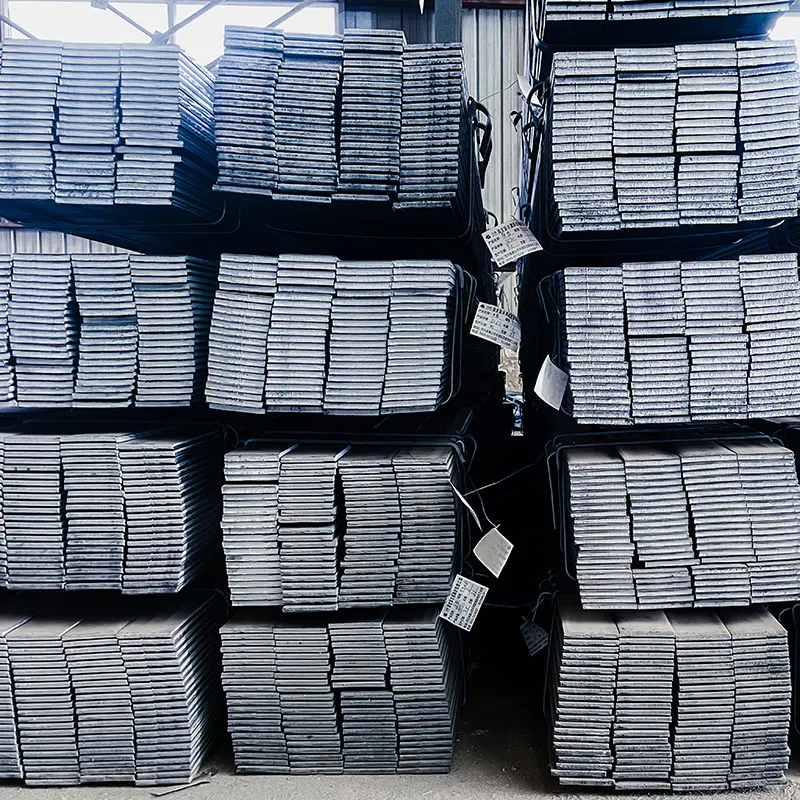
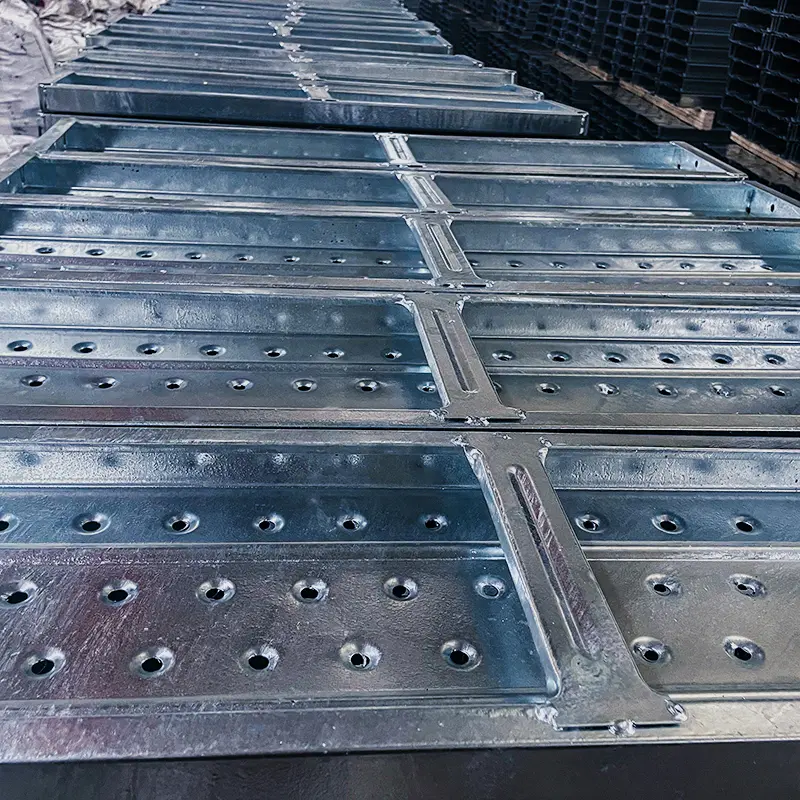
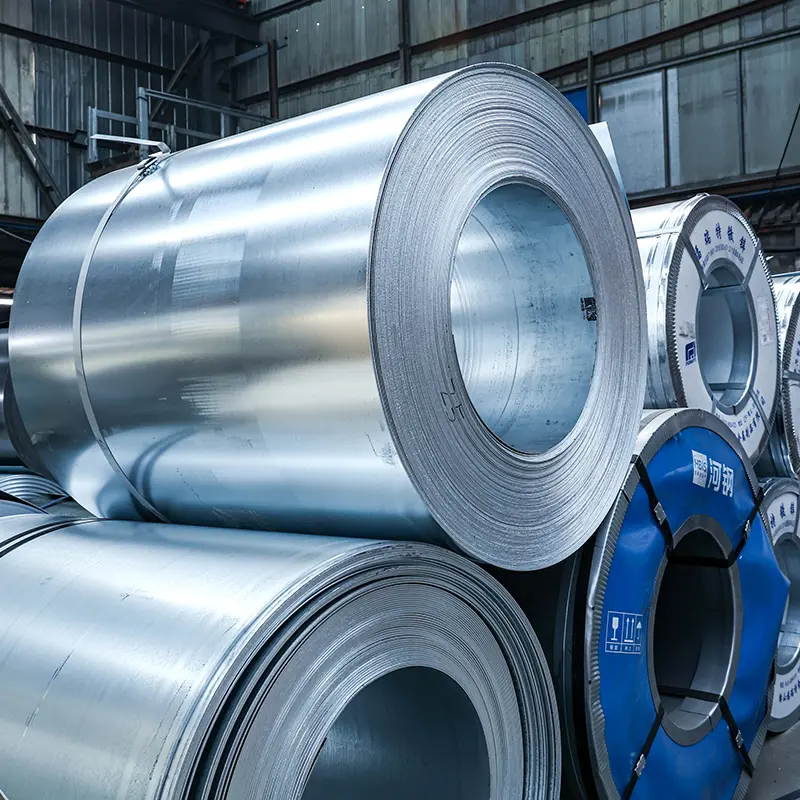
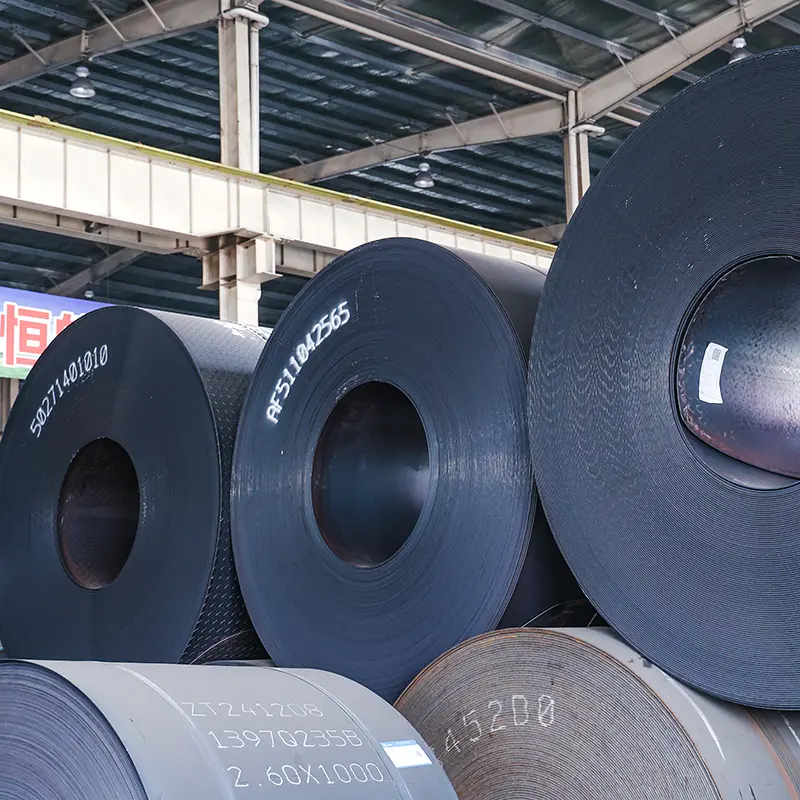
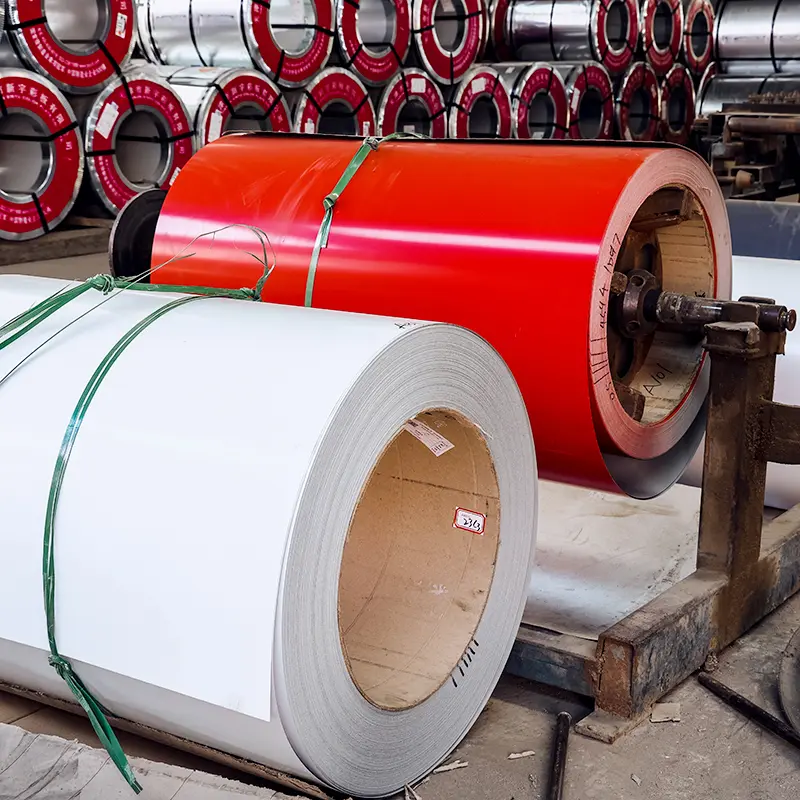
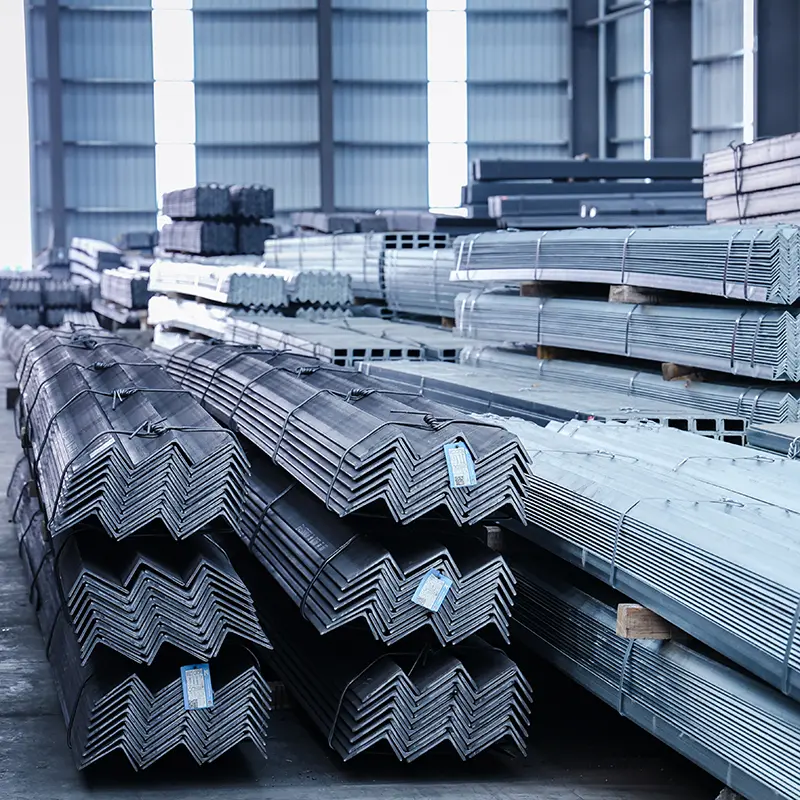
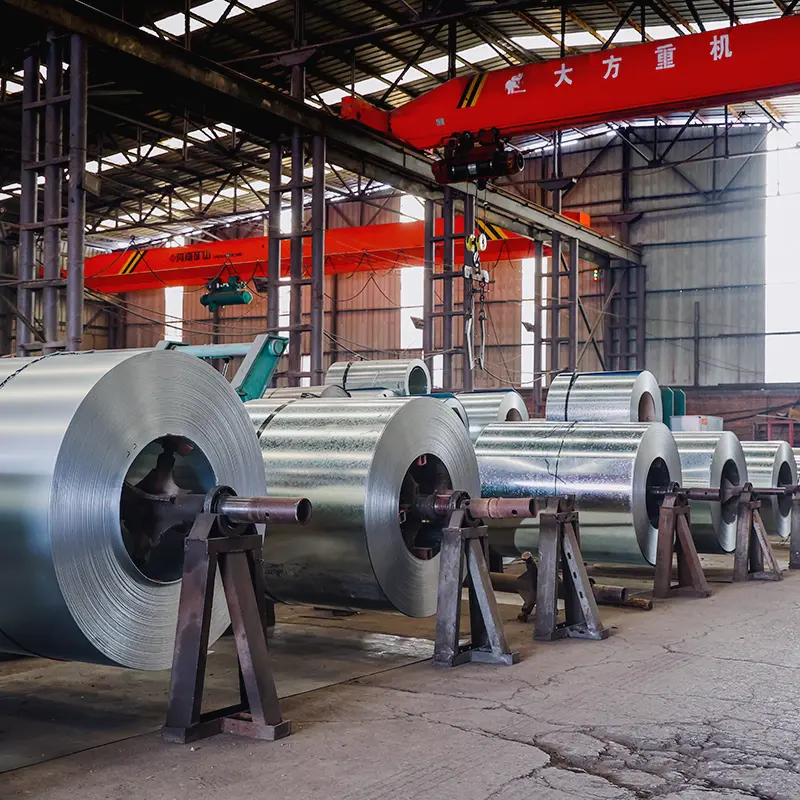
Visual examples of our manufacturing capacity, product forms, and raw materials.
Trust. Confidence. Reliability. Passion for excellence. Integrity in everything we do. Empower people to strive and deliver. Adapt to changing market and consumer needs.
Focusing on prime building materials to create a better life for human beings, ensuring structure safety, structural longevity, and carbon footprint reduction.
Continue to be the leader in the building materials industry, expanding exports through technological innovation, logistical agility, and unmatched client relations.
Partnering with China's largest raw metal refiners and state-owned steel conglomerates.










Proven track record of structural metal distributions in the Middle East, Americas, and APAC.
Showcasing our global integration footprint across architectural, industrial, and infrastructure frameworks.
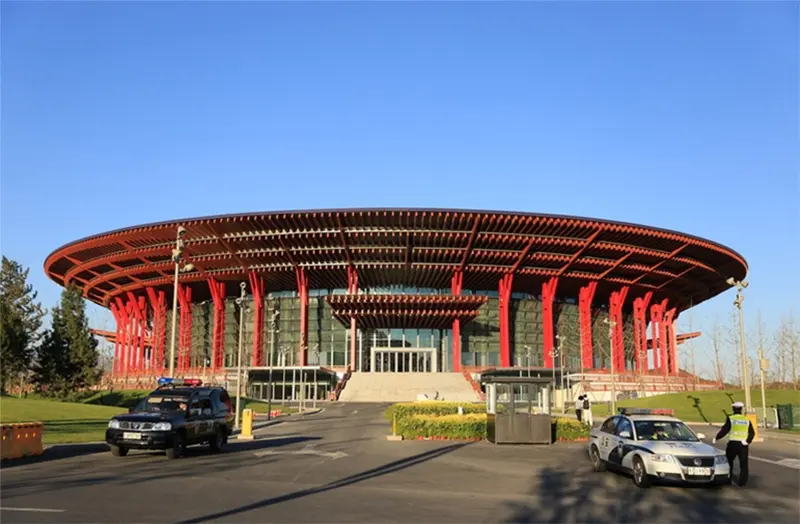
Supplying specialized structural steel framing and sub-flooring plates for the convention halls.
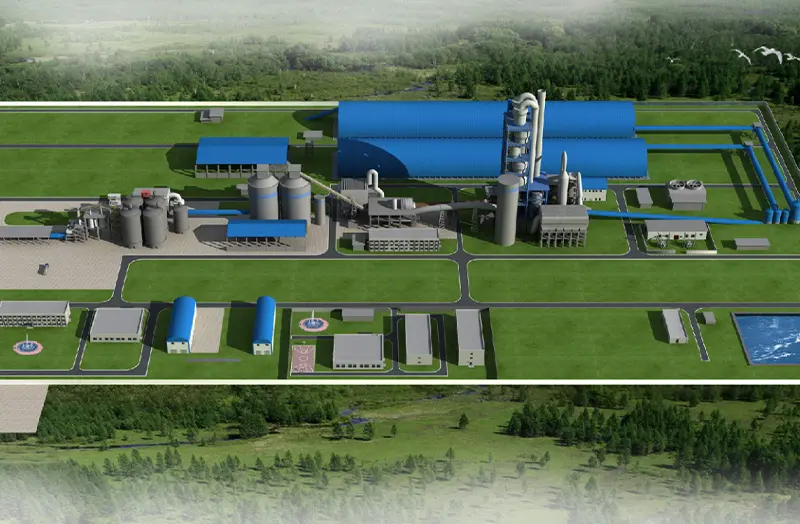
Heavy duty structural profiles, walkways, and slip-resistant platforms for clinker lines.
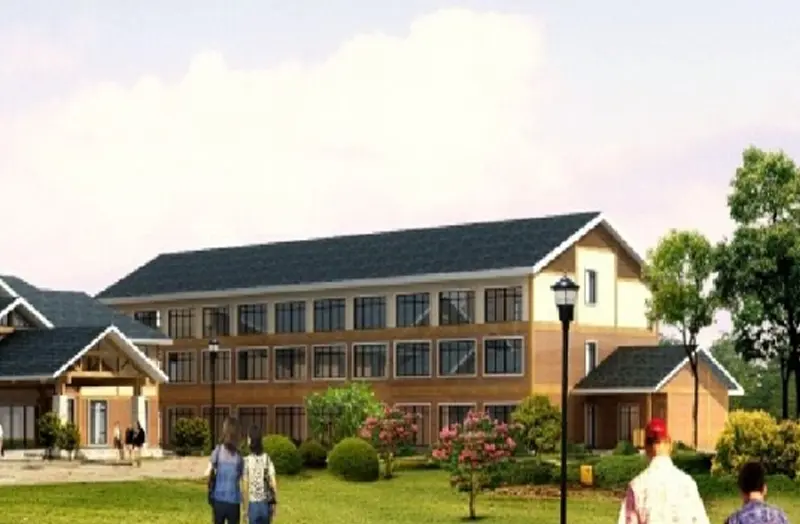
High-end structural steel components and weather-resistant sheets for sub-zero climates.
Technological pathways shaping the next generation of slip-resistant metallic surfaces.
Traditional hot-dip galvanizing is increasingly being replaced by Zinc-Aluminum-Magnesium (ZAM) coatings. ZAM coatings provide enhanced corrosion resistance at lower film thicknesses, along with self-healing properties on cut edges, extending the service life of safety floor plates in harsh environments.
Transportation and aerospace sectors are driving demand for thinner, high-strength steel checker plates. Utilizing thermo-mechanically controlled processing (TMCP), manufacturers can reduce plate thickness (reducing total structural weight) while maintaining required yield strength and load-bearing performance.
While traditional hot-rolling remains the standard for bulk structural plates, cold-rolling mills are adopting laser-embossing to produce fine, customizable patterns. This allows for precise branding and optimized friction coefficients tailored to cleanroom and architectural settings.
Decarbonization mandates are prompting steel factories to adopt electric arc furnace (EAF) recycling and low-emissions processes. Buyers are increasingly prioritizing suppliers that offer clear environmental product declarations (EPDs) for their checker plate projects.
Addressing structural, technical, and logistical inquiries from engineering and procurement professionals.
Thickness tolerances are governed by standards like ASTM A786 or EN 10051. Generally, for carbon steel checker plates with a nominal base thickness between 3mm and 8mm, the tolerance is within ±0.3mm to ±0.5mm. It is critical to confirm whether your supplier's measurement refers to the base plate thickness or the overall height including the raised pattern.
The 5-bar pattern generally provides more consistent omnidirectional slip resistance compared to the diamond pattern because the perpendicular layout of the bars helps distribute forces evenly. The diamond pattern provides high longitudinal traction, making it well-suited for wheeled machinery lanes and ramps.
For sub-zero climates or dynamic high-impact applications, S355JR or ASTM A572 Grade 50 is recommended. These high-strength, low-alloy (HSLA) steel grades offer improved low-temperature impact toughness compared to standard Q235B or ASTM A36 carbon steels.
For coastal and marine applications, hot-dip galvanized (HDG) checker plates with a zinc coating weight exceeding 610 g/m² (complying with ASTM A123) are standard. Alternatively, ZAM (Zinc-Aluminum-Magnesium) coatings offer comparable protection with lower overall weight, along with improved cut-edge corrosion resistance.
Yes, but bending parameters must be adjusted. The bend radius should be larger than that used for standard flat sheet metal to prevent strain localization at the bases of the raised patterns. Bending perpendicular to the rolling direction of the steel also helps minimize cracking risks.
High-strength wire, precision rods, specialty coated coils, and safety scaffolding systems.
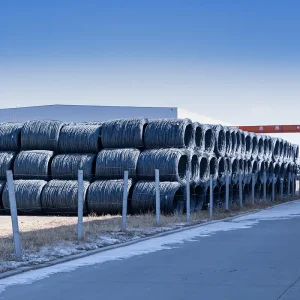
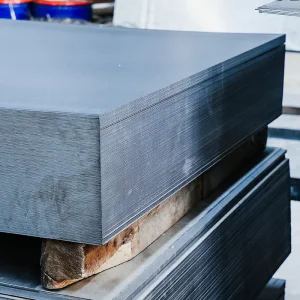
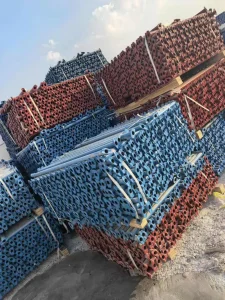
Connect with our engineering support and sales teams to configure material grades, pattern dimensions, and logistics profiles for your upcoming project.
Contact Our Technical Engineers Hanshen