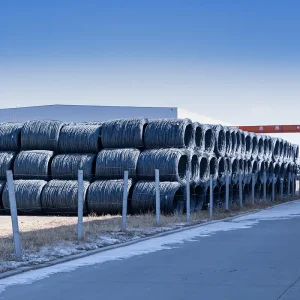
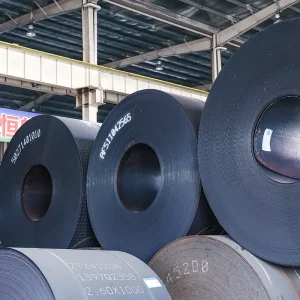
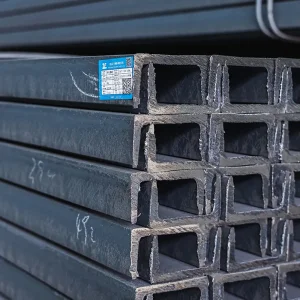
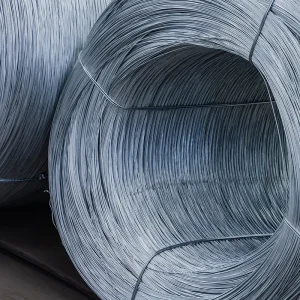
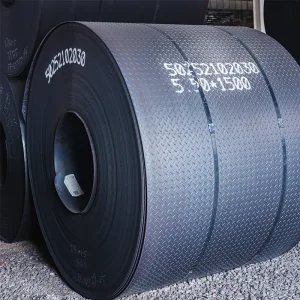
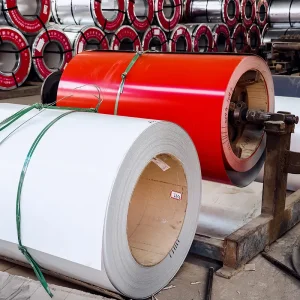
Direct from our state-of-the-art facilities in Tangshan, China. Supporting global construction, safety systems, and infrastructure networks.
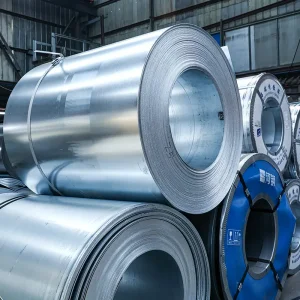
Cold Formed Steel (CFS), also known as light-gauge steel framing, represents an evolutionary leap in modern construction. Unlike hot-rolled structural steel sections, which are forged at high temperatures, CFS sections are cold-roll-formed at ambient temperature from continuous high-tensile metallic-coated steel coils. This cold working process introduces a phenomenon known as strain hardening, which substantially increases the yield strength of the base steel, resulting in an exceptional strength-to-weight ratio.
For global architects, contractors, and developers, CFS buildings offer a sustainable, seismic-resistant, and highly dimensionally stable alternative to traditional timber and concrete. Every profile is roll-formed with millimeter-level tolerances, facilitating a rapid, dry-assembly process on-site. Because cold-formed structures do not expand, warp, or crack under changing moisture conditions, their design life is virtually indefinite when protected with advanced metallic alloy barriers such as Zinc-Aluminum-Magnesium (ZAM) or continuous Hot-Dip Galvanization.
The transition from hot-rolled framework to cold-formed frame assemblies yields massive logistical and installation advantages. By using optimized profile cross-sections—such as standard C-studs, U-tracks, Z-purloins, and hat channels—designers can target specific structural load paths. Structural engineers utilize specialized software (e.g., BIM integrated systems) to model wind, seismic, and live loads, exporting precision instructions directly to computerized cold-forming machines.
At the heart of the Hansheng manufacturing philosophy is the precise control of engineering properties. By using continuous roll-formers with multi-stage forming dies, we prevent structural defects and maintain uniform cross-sectional thicknesses across complex profiles. This creates structural stability and minimizes common engineering failure modes such as local, distortional, or flexural-torsional buckling.
Our fabrication lines strictly conform to rigorous global testing protocols and performance standards, ensuring complete structural reliability across diverse macro-climatic environments.
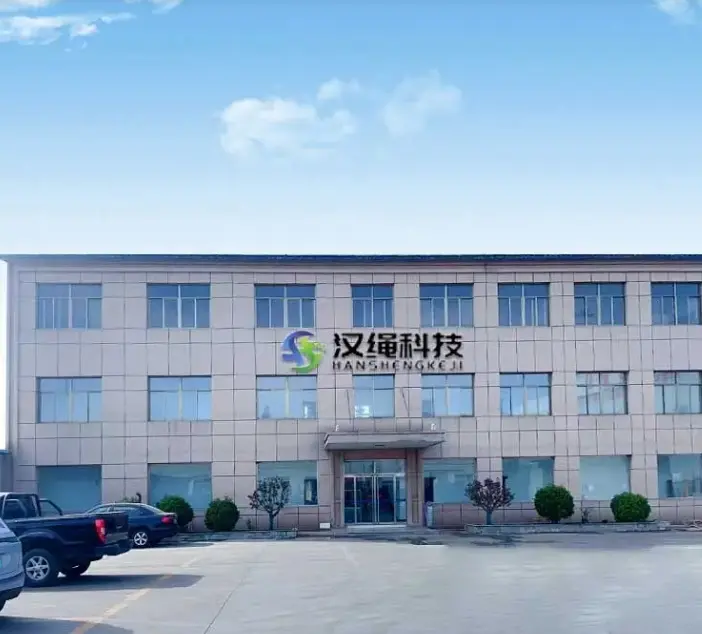
Hansheng Technology is strategically situated in Tangshan City, Hebei Province—the heart of China's steel industry. With a prime location just 150 kilometers from the Tianjin seaport and 150 kilometers from the capital, Beijing, we benefit from an exceptional logistics network that ensures efficient global shipping. Since our inception in 2006, we have evolved into a comprehensive, export-oriented enterprise specializing in the manufacturing of premium-quality steel products.
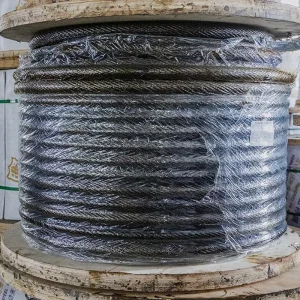
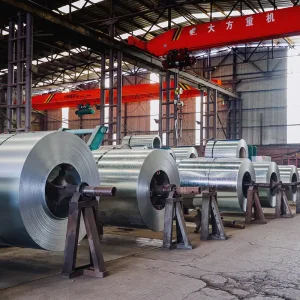
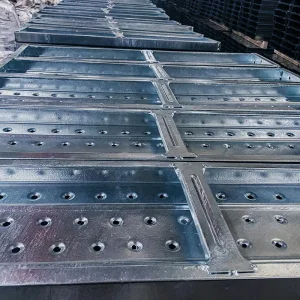
We operate 8 high-efficiency production lines with a total annual production capacity of 300,000 metric tons. Our extensive product portfolio includes Galvanized Steel Wire, Hot/Cold Rolled Steel Coils and Sheets, GI/PPGI, GL/PPGL, and various Section Steels, all meticulously manufactured to adhere to rigorous international standards such as GB, JIS, ASTM, DIN, EN, and AS/NZS.
Driven by a commitment to supply chain excellence, competitive pricing, and professional service, our products have earned recognition across markets in the Middle East, Southeast Asia, North Asia, Africa, the Americas, and Europe. We operate under the firm philosophy of "honoring contracts and keeping promises." We view our clients not just as customers, but as valued partners, and we pride ourselves on our impeccable track record of contract fulfillment.
Why sourcing from Tangshan, Hebei translates to premium structural integrity, optimized margins, and rapid project delivery.
Being based in Tangshan provides us direct access to high-grade steel raw materials, reducing upstream transport costs and stabilizing material pricing during supply chain fluctuations.
Located just 150 km from Tianjin Seaport, the primary industrial cargo hub of Northern China. This enables streamlined customs clearance, multi-modal maritime transport, and lower freight charges.
Our computer-aided structural engineering and automated roll formers handle pre-punched service holes, customized lip shapes, and length requirements with sub-millimeter tolerances.
The prefabricated construction industry is undergoing massive digitization. Modern light gauge steel structures are no longer just field-cut studs; they are advanced modules designed inside 3D BIM modeling software. BIM models output structural data straight to CNC roll formers. This automated design-to-production workflow eliminates cutting waste and guarantees that every floor truss, wall frame, and roof rafter fits together precisely upon arrival at the construction site.
Furthermore, high-performance protective coatings are changing structural expectations. While traditional galvanized coatings (zinc layer) have been the industry standard for decades, modern environments demand superior defense. Innovations like Zinc-Aluminum-Magnesium (ZAM) coatings provide active cut-edge self-healing properties. The magnesium content forms a dense protective film on bare cut edges when exposed to humidity, reducing the rate of red rust formation by up to ten times compared to traditional zinc coatings.
Providing high-load capabilities and extreme atmospheric protection for critical infrastructure across multiple continents.
A step-by-step technical framework designed to manage risks, verify quality, and ensure on-time delivery.
Structural requirements are mapped to ASTM, JIS, or EN standards. Technical files are fed into roll-forming lines to achieve precise tolerances.
Raw coils undergo yield strength testing, coating thickness verification, and mechanical tests. Visual inspection guarantees structural uniformity.
Components are nested and bundled for maritime shipping. Dispatch via Tianjin Seaport guarantees fast transit and minimized cargo damage.
Working alongside major steel producers to guarantee reliable material sourcing and consistent quality.

Our engineered systems are installed globally, delivering safety and structural reliability under diverse weather conditions.
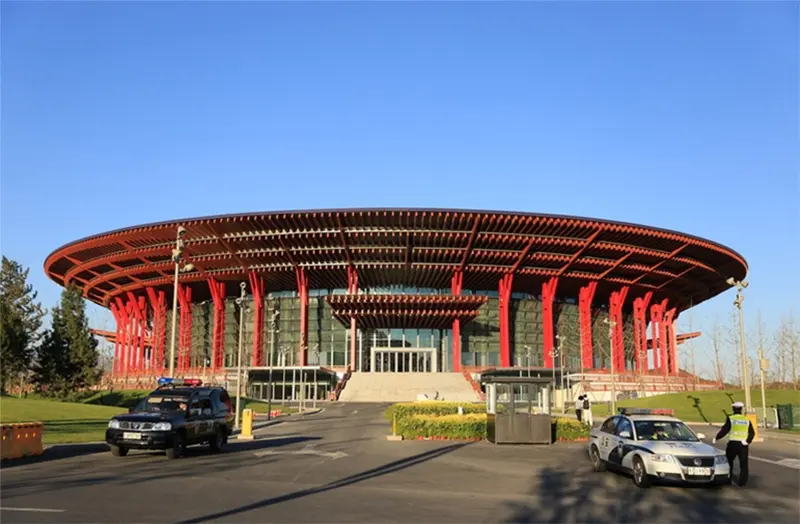
High-profile national venue utilizing precision structural steel components for advanced load distribution.
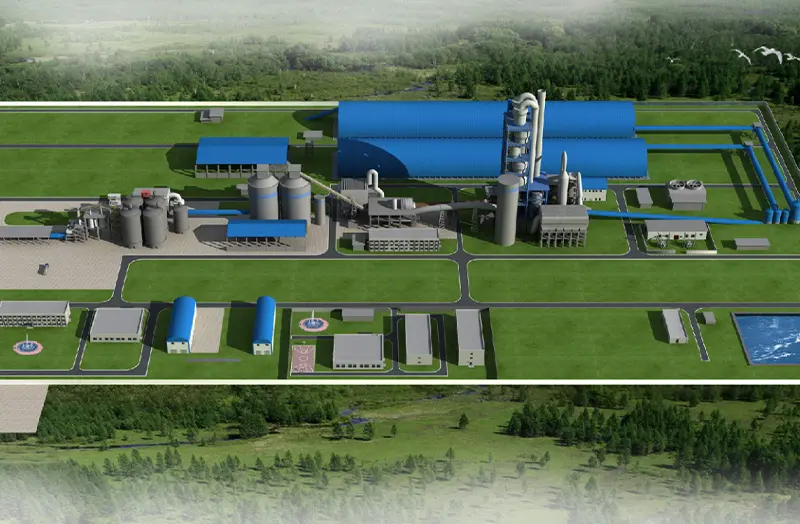
Heavy-duty structural framework engineered for high-vibration and demanding industrial plant conditions.
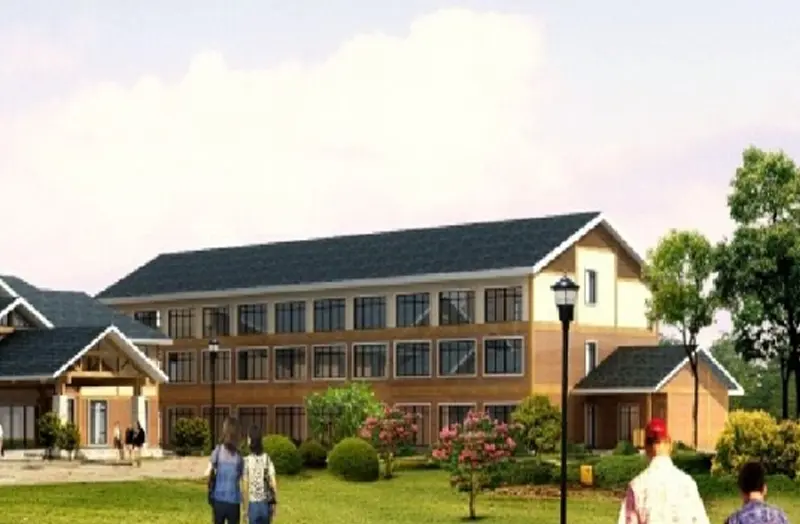
High-performance insulated residential framing designed for extreme winter conditions and heavy snow loads.
Providing seamless material handling and international freight solutions to destinations worldwide.
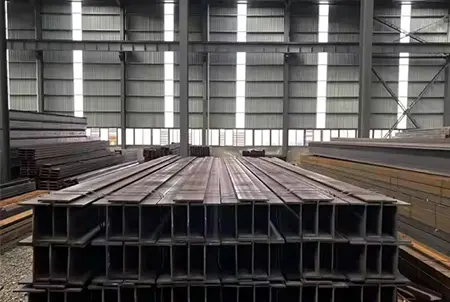
H beam to Dubai
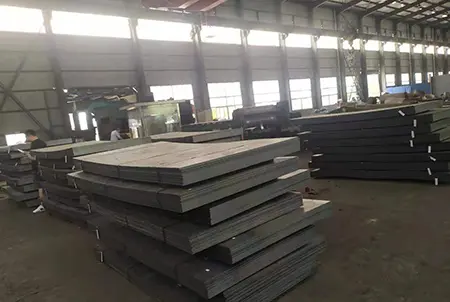
Steel plate to Saudi Arabia
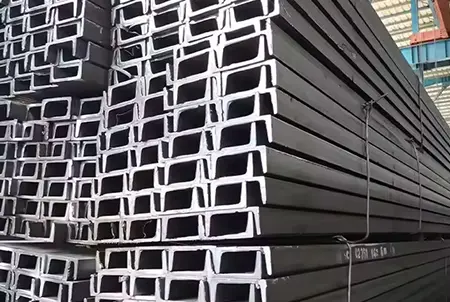
Jis channel to South Korea
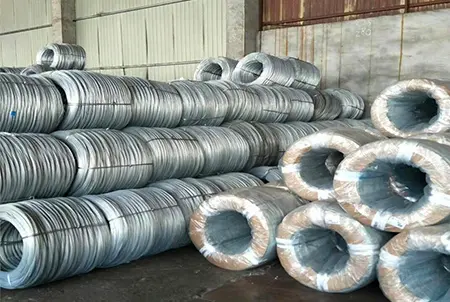
Gi wire to Florida
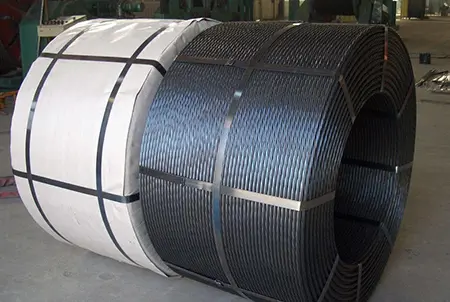
Pc strand to Philippines
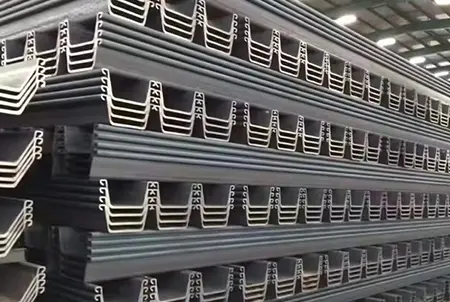
Sheet Pile to Indonesia
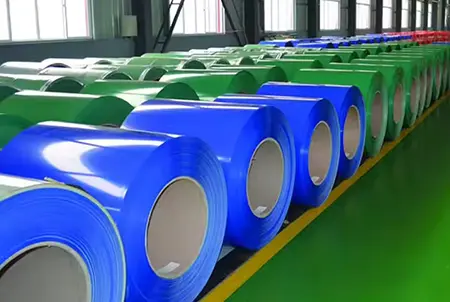
PPGI to Chile
Ipeaa to Kuwait
GI to Spain
Comprehensive engineering and logistics answers compiled by our senior QA managers.
Our cold-formed framing components are fabricated from structural-grade high-tensile steel, primarily conforming to ASTM A1003/A1003M, AS/NZS 4600, JIS G3302, and EN 10346. We supply yield strengths ranging from G350 up to G550 MPa to satisfy high-load and wind-resistant requirements.
Zinc-Aluminum-Magnesium (ZAM) contains an alloy blend (typically 91% Zinc, 6% Aluminum, and 3% Magnesium). It provides outstanding corrosion resistance (up to 10 times better than standard galvanization). Crucially, ZAM features self-healing properties on cut edges, forming a protective zinc-carbonate layer that prevents red rust on exposed areas.
Standard production runs require 20 to 30 days after drawing approval and deposit receipt. With our close proximity to Tianjin Port (150 km), inland transit takes less than 24 hours, ensuring reliable maritime departure schedules.
Yes, our engineering department works directly with BIM software. We import CAD files to generate production files for our automated roll formers, ensuring pre-punched service holes, tabs, and connection dimples match assembly drawings.
Every production batch undergoes comprehensive testing: spectrometer chemical analysis, tensile strength tests (yield, ultimate tensile, elongation), coating mass verification (weighing method or magnetic thickness gauge), and dimensional cross-section checks.
Profiles are nested to maximize container volume, secured with heavy-duty steel bands, and wrapped in water-resistant plastic film. Wooden blocks and custom dunnage protect profiles inside the containers, preventing movement and moisture damage during ocean transit.
Explore our full range of structural and structural-support steel products designed for global industrial applications.
 Hanshen