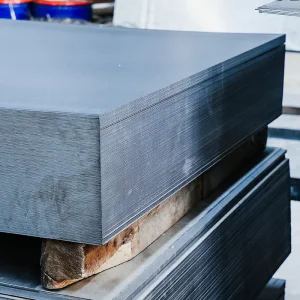
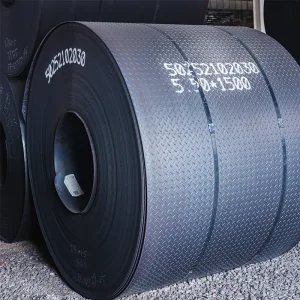
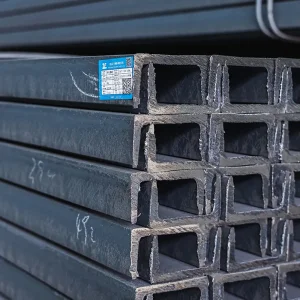
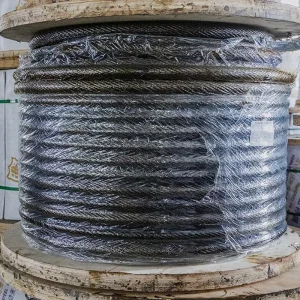
Explore our top-tier selection of industrial steel products, manufactured to rigid international criteria to power global engineering demands.
A professional exploration of physical metallurgy, supply chain logistics, global standardizations, and the emerging Industry 4.0 paradigms shaping modern manufacturing.
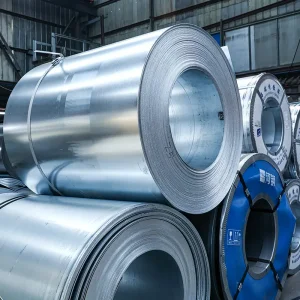
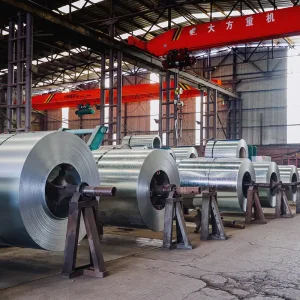
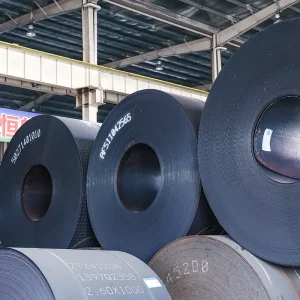
Cold-rolled steel coil manufacturing represents a peak process in precision metallurgy. Unlike hot-rolled coils, which are processed at elevated temperatures above their recrystallization point, cold-rolled coils are processed below their recrystallization temperature. This processing is performed at ambient temperatures, introducing distinct material changes.
By subjecting pickled hot-rolled sheets to mechanical deformation through cold reduction mills, the metal undergoes significant work hardening. This mechanical deformation elongates the grain structure of the steel along the rolling direction, yielding a dense, high-strength matrix. The result is a substantial improvement in yield strength (up to 20-30% higher than equivalent hot-rolled grades), tensile strength, and hardness, accompanied by reduction in ductility.
To restore the required ductility and formability, the cold-rolled strip undergoes batch or continuous annealing processes. Controlled heating and cooling cycles recrystallize the distorted grains, achieving the desired balance between mechanical strength and material elasticity. A subsequent skin-pass or temper rolling phase ensures the elimination of yield-point elongation, preventing fluting or stretcher strain defects during subsequent deep-drawing or profiling operations.
The global steel industry is undergoing a structural transition driven by decarbonization, high-strength lightweighting, and automated precision. Environmental compliance requirements, such as the European Union’s Carbon Border Adjustment Mechanism (CBAM), have accelerated the transition of mills from conventional blast furnaces (BF-BOF) toward Electric Arc Furnaces (EAF) utilizing Direct Reduced Iron (DRI) and green hydrogen.
Furthermore, the transition to high-strength low-alloy (HSLA) and advanced high-strength steels (AHSS) has reshaped downstream processing. Automotive manufacturers require thin-gauge, ultra-high-strength steel sheet to achieve structural mass reduction in electric vehicles (EVs) without compromising passenger safety. In infrastructure, the demand for precision cold-rolled sub-grades has surged, driven by the expansion of large-scale solar mounting structures, precision HVAC ductwork, and modular server housing projects.
B2B steel procurement directors operate in a complex environment of shifting supply chain dynamics, geopolitical tariffs, and quality verification challenges. Navigating international regulatory standards is critical to ensuring compliance and avoiding structural failures. A reliable manufacturer must guarantee alignment with standard frameworks:
| Standard System | Common Steel Grades | Representative Applications | Key Material Parameters Verified |
|---|---|---|---|
| ASTM (American) | ASTM A1008 (CS, DS, DDS, EDDS) | Automotive panels, deep drawing structural parts | Yield strength, chemical purity (carbon/sulfur max) |
| EN (European) | EN 10130 (DC01, DC03, DC04, DC06) | Precision tubes, appliances, custom forming profiles | Surface quality classification (A/B), flat tolerance |
| JIS (Japanese) | JIS G3141 (SPCC, SPCD, SPCE) | Electrical enclosures, steel drums, hardware | Bending radius minimum, thickness variation parameters |
| GB (Chinese) | GB/T 5213 (Q195, Q235, Q355) | Heavy construction sections, high-tensile wire rods | Silicon content control, elongation percentage |
In addition to chemical composition, global procurement groups prioritize trace element controls (reducing copper, phosphorus, and sulfur to minimum levels) to ensure cold-rolled coils can endure severe forming cycles and welding operations without cracking.
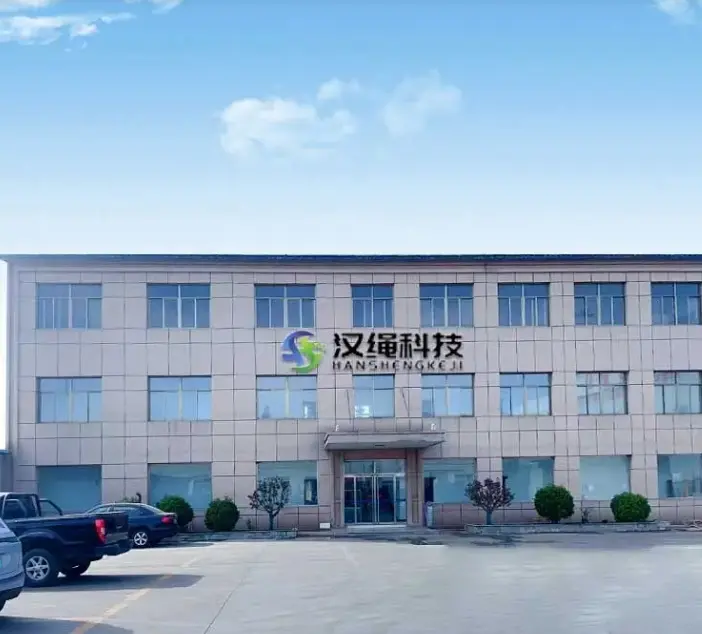
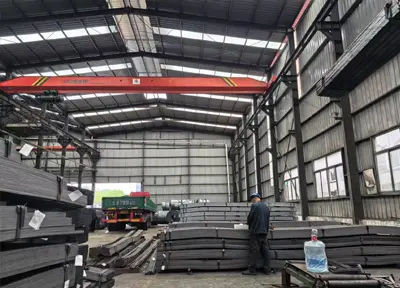
Based in Tangshan City, Hebei Province—the global hub of steel production—Hansheng Technology (Hebei) Co., Ltd. integrates modern Industry 4.0 practices to maintain high efficiency and supply chain resilience. Our facility features eight high-efficiency production lines with a total annual output of up to 650,000 metric tons.
Hansheng's supply chain is built on digital precision:
Cold-rolled coils serve as the substrate material for a wide variety of essential downstream industrial products. Our production lines supply critical inputs for:
Used for body panels, structural reinforcements, and intricate deep-drawn components where surface finish is critical.
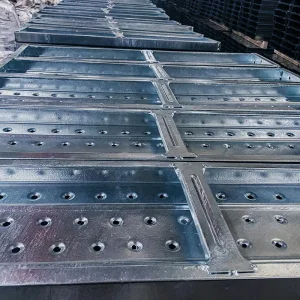
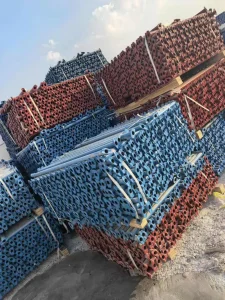
Formed into roof cladding, drywall channels, and structural scaffolding assemblies where dimensional control is crucial.
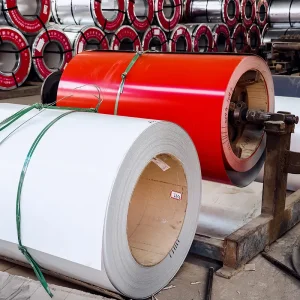
Acts as the base metal for continuous hot-dip galvanizing, galvalume processing, and pre-painted coil production.
Hansheng Technology (Hebei) Co., Ltd. operates under the philosophy of "honoring contracts and keeping promises." Since 2006, we have focused on building long-term relationships with clients across the Middle East, Southeast Asia, North Asia, Africa, the Americas, and Europe.
Our specialized QC systems control production from melt analysis through final dispatch. Standardized mill certificates (EN 10204 3.1) are issued for every batch, confirming mechanical compliance, chemical values, and quality standards.
We collaborate closely with leading steelmaking partners to maintain chemical stability and guarantee consistent quality for our global customers.




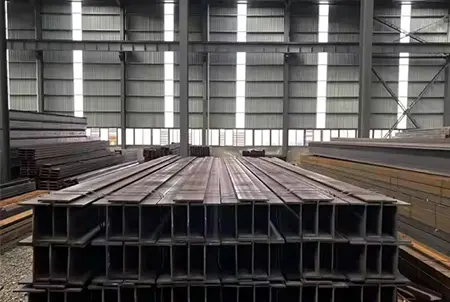
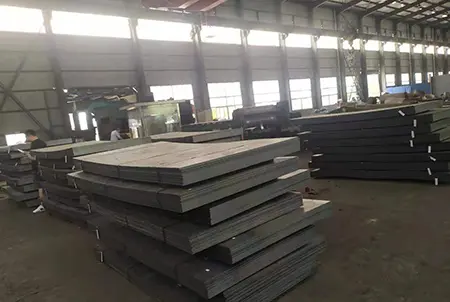
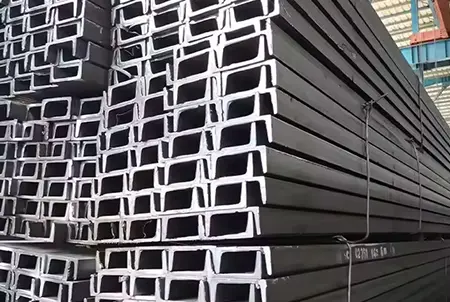
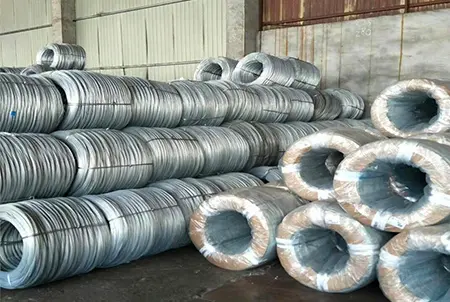
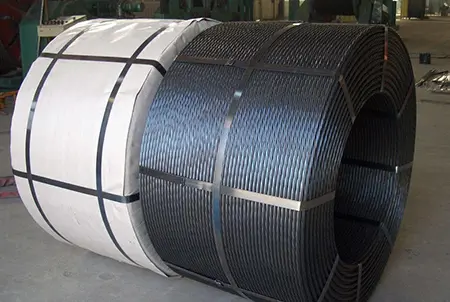
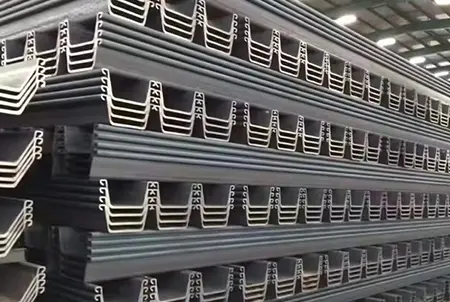
Our production complex utilizes automated scheduling, smart warehouse solutions, and modern process controls to support continuous operations and stable supply.
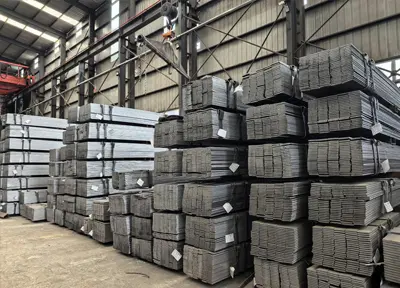
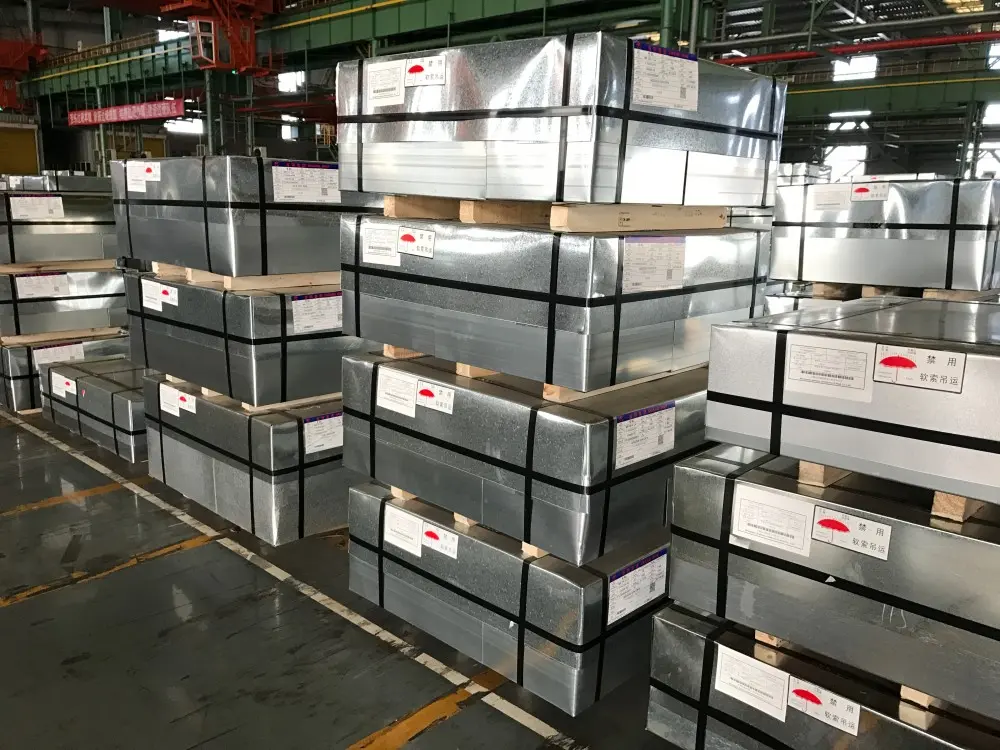
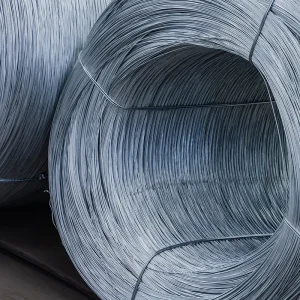
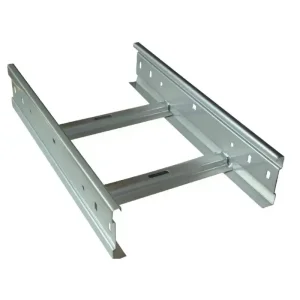
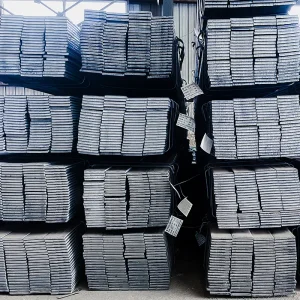
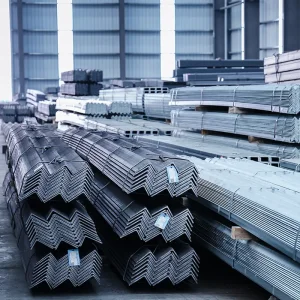
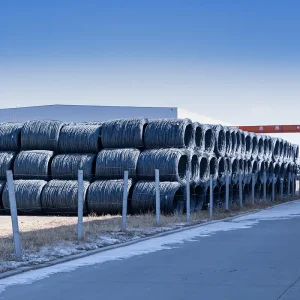
Select from our wider inventory of precision section steel, wire profiles, structural channels, and coated products designed for industrial and commercial projects.
 Hanshen