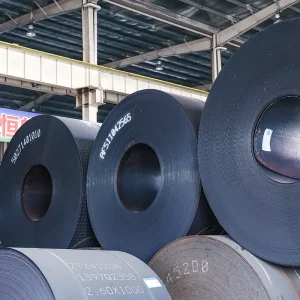
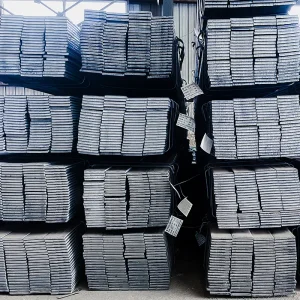
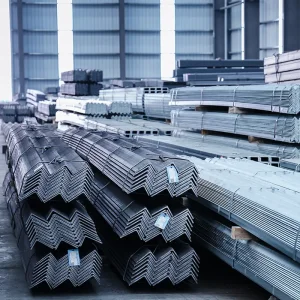
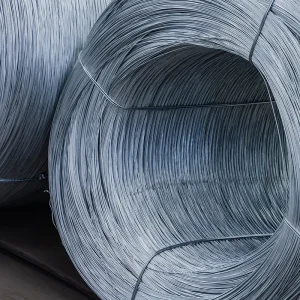
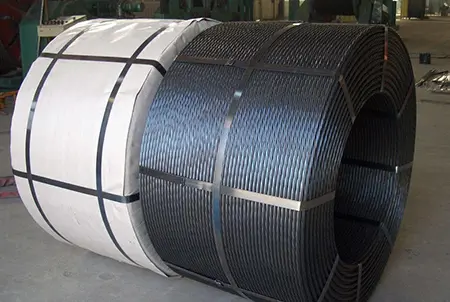
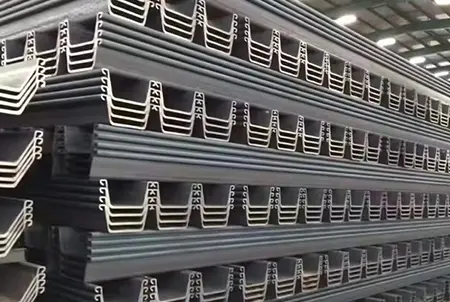
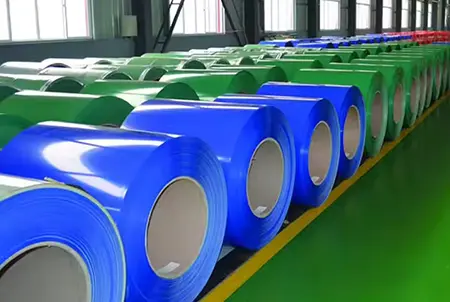
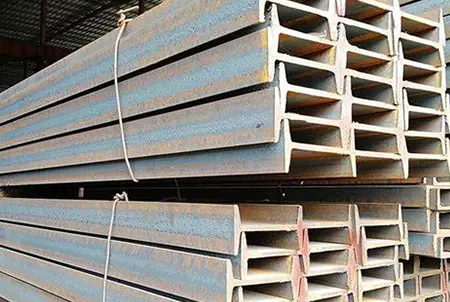
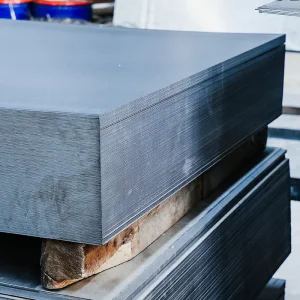
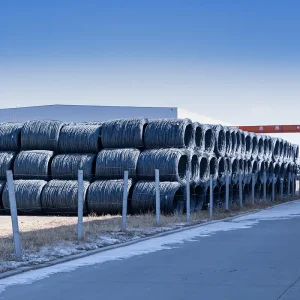
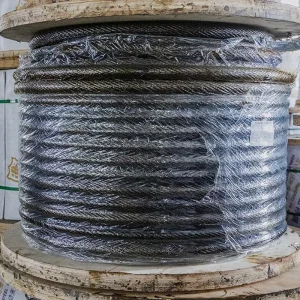
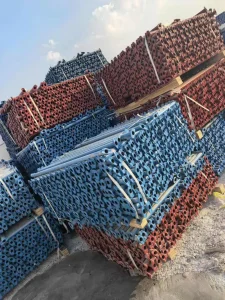
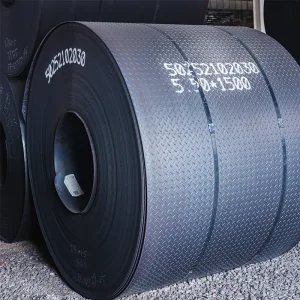
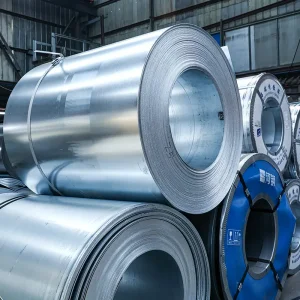
Direct supply options engineered to meet ASTM, JIS, DIN, EN, and AS/NZS global performance benchmarks.
The global construction sector is undergoing a profound paradigm shift. Infrastructure developers, civil engineers, and industrial designers are moving rapidly away from heavy, high-maintenance traditional cladding materials toward advanced, multi-layer coated steel systems. Color steel (often classified as Prepainted Galvanized Steel or PPGI/PPGL) acts as a primary material vector for envelope systems in commercial, logistics, agricultural, and residential assemblies. Historically, the demand for pre-coated sheet metal was driven purely by architectural cosmetics. Today, it is governed by a complex matrix of structural performance, localized weather durability, thermal reflectance, and circular-economy metrics.
From an supply-chain perspective, China—specifically Hebei Province—remains the epicenter of high-yield, high-precision steel production. The concentration of advanced metallurgical technology and optimized transportation networks in the Tangshan industrial zone has democratized access to structural color steels. As the global logistics corridor tightens, factory direct sourcing has evolved from a simple margin-saving tactic to a core component of supply chain risk management.
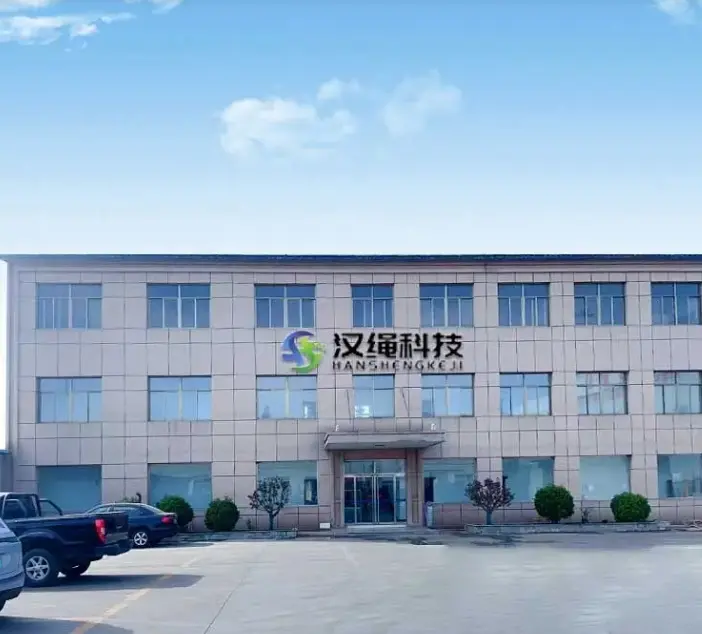
A strategic industrial partner operating from the core of China’s metallurgical base.
Strategically situated in Tangshan City, Hebei Province—the historical and technological center of China’s domestic steel manufacturing industry—Hansheng Technology (Hebei) Co., Ltd. operates as a highly integrated, export-oriented steel manufacturer. Our geographical positioning, just 150 kilometers from both the Tianjin Seaport logistics hub and the capital city of Beijing, grants us unparalleled access to deep-water shipping lanes and streamlined international custom networks.
We manufacture strictly to global standards including GB, JIS, ASTM, DIN, EN, and AS/NZS, facilitating seamless engineering approval across municipal and commercial projects.
We maintain deep operational compliance with ISO 9001:2000 and ISO 14001 certification frameworks, ensuring complete batch traceability from raw scrap melt to finished coil.
From hot-rolled profiles to state-of-the-art ZAM (Zinc-Aluminum-Magnesium) coatings, we utilize high-precision chemical treatments to offer superior rust-preventative qualities.
For nearly two decades, Hansheng Technology has operated under a simple, non-negotiable directive: "Honoring contracts and keeping promises." We believe that a strong, transparent bond between our company and our clients is the ultimate cornerstone of our enduring success. We view our clients not just as buyers, but as co-investors in international development.
"Focusing on prime building materials to create a better life for human beings, while establishing a sustainable, low-carbon future for the global structural steel industry."
A detailed engineering look at the mechanical composition and longevity variables of structural color steels.
The longevity of a color-coated steel structure is directly proportional to two factors: the chemical formulation of its protective coating and the mechanical performance of its core substrate. At Hansheng Technology, we categorize our manufacturing process based on specialized environmental exposures.
| Substrate Type / Coating Code | Alloy Composition | Target Environment | Expected Corrosion Resistance Lifespan |
|---|---|---|---|
| Galvanized (GI) | 99% Zinc Coating (Z120-Z275) | Mild inland climate, dry storage | 10 - 15 Years |
| Galvalume (GL) | 55% Al, 43.4% Zn, 1.6% Si (AZ100-AZ150) | Urban areas, moderate industrial, roof decks | 20 - 30 Years |
| Zinc-Aluminum-Magnesium (ZAM) | Zn + 1.5-11% Al + 1.5-3% Mg + trace elements | Marine costal zones, livestock confinement, subways | 35 - 50+ Years (Self-Healing) |
| PVDF (Fluorocarbon Coating) | Polyvinylidene Fluoride (min. 70% Kynar 500) | High UV exposure, intense solar radiation zones | 25 - 35 Years (High Color Retention) |
| HDP (High Durability Polyester) | Modified saturated polyester resin | Humid tropical climates, medium-corrosive zones | 15 - 20 Years |
Unlike standard zinc plating, the addition of magnesium in ZAM substrates acts as a catalyst. When the steel is cut, sheared, or scratched, the surrounding metallic coating dissolves slightly, forming a highly dense, alkaline zinc chloride protective film (Simonkolleite) over the exposed steel edge, preventing lateral corrosion propagation.
PVDF coatings feature extremely strong carbon-fluorine chemical bonds, yielding superior resistance against ultraviolet degradation (Ruv4 classification). High Durability Polyester (HDP) offers a cost-effective alternative for projects requiring mechanical flexibility during roll-forming without micro-cracking.
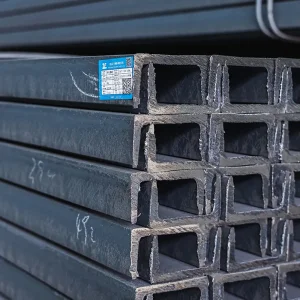
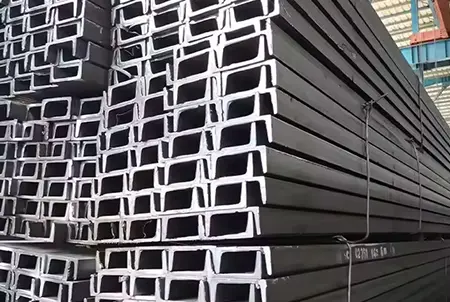
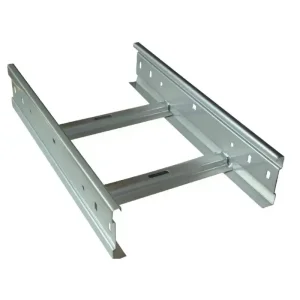
Products like our Wholesale C-Shaped Structural Steel Channel require precise tensile strengths and elongation tolerances to ensure cold-rolling does not induce micro-fractures in the zinc layer, avoiding localized micro-galvanic cell corrosion.
Aligning metallurgical specifications to distinct environmental and engineering profiles.
Different structural designs demand targeted material specs. Sourcing generic prepainted steel coils for specialized climates is a leading cause of premature building system failure. As an engineering-focused factory, Hansheng Technology supports custom modifications for the following key environments:
Marine structures are subjected to constant chloride aerosol deposits. Traditional galvanized steel degrades rapidly due to the highly conductive saltwater film. Here, we specify ZAM substrates with a minimum coating mass of 275 g/m² paired with a double-sided PVDF topcoat. The chemical barrier prevents moisture ingress while the self-healing properties of the alloy protect exposed raw edges around fastener holes.
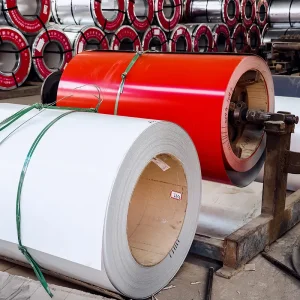
Poultry and swine confinement facilities generate severe concentrations of ammonia gas, carbon dioxide, and organic acids. Standard residential color steel sheets suffer rapid backside peeling under these conditions. Hansheng Technology manufactures color steel sheets with specialized polyurethane-coated backsides (high chemical thickness) to withstand intensive microbial and biochemical corrosion.
Refineries, smelting facilities, and coal plants release sulfur compounds that mix with rain to create local acid precipitation (pH < 5.0). To counter this, we design high-thickness multi-layer barrier sheets using plastisol coatings or premium SMP (Silicon Modified Polyester). This system provides thick mechanical protection against particulate abrasion and chemical attack.
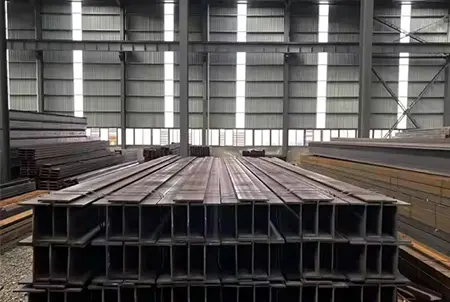
Modern high-clearance warehouses require high-strength steel framing. Our C-shaped and Z-shaped channels, combined with hot-rolled structural bars, provide the high-yield strength necessary for structural framing. These elements work in harmony with our lightweight, color-coated roofing sheets to distribute mechanical loads safely and efficiently.
A technical roadmap looking towards ecological regulations and material intelligence.
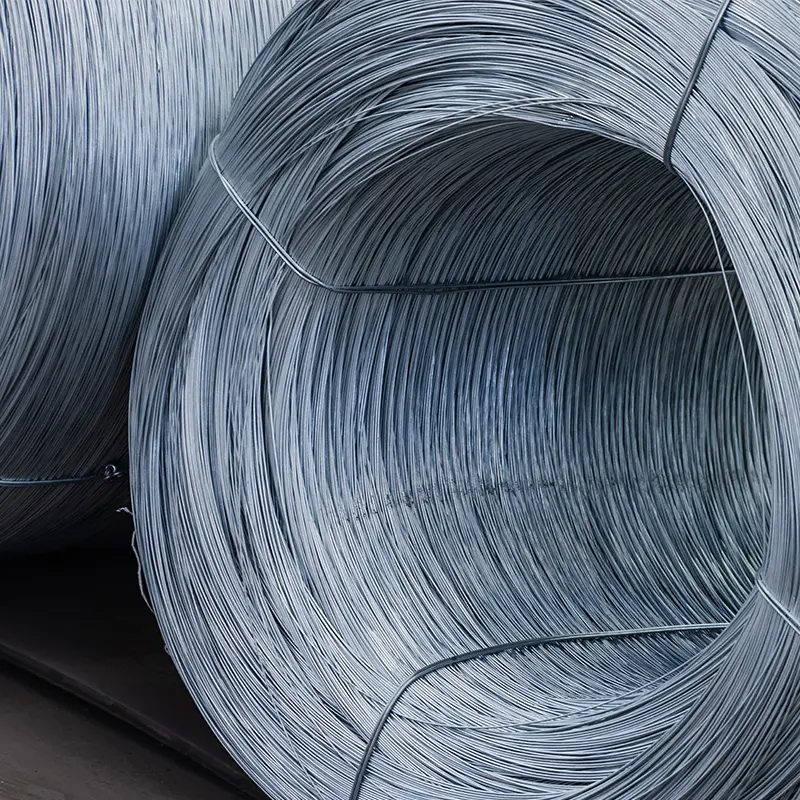
Decarbonization is no longer a corporate choice; it is an economic reality governed by international policies like CBAM (Carbon Border Adjustment Mechanism). The future of color-coated steel relies on transitioning from traditional blast-furnace processing to hydrogen-reduced direct reduced iron (DRI) paired with electric arc furnaces (EAF).
Simultaneously, we are investing heavily in "Cool Roof" pigment technologies. These pigments utilize high near-infrared (NIR) reflectance technology, which repels solar radiation and reduces overall cooling loads in logistics centers by up to 15%. Smart self-healing microcapsules are also being trialed on paint lines, automatically releasing organic film-forming compounds upon surface abrasion.
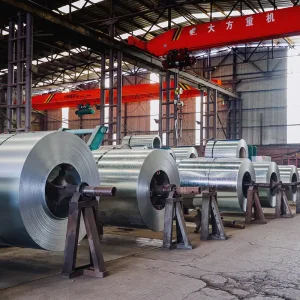
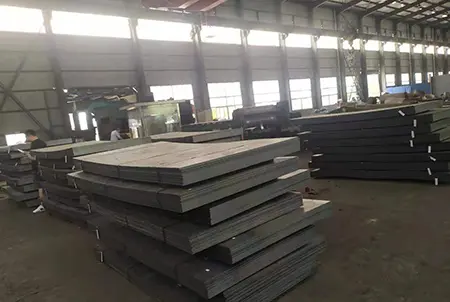
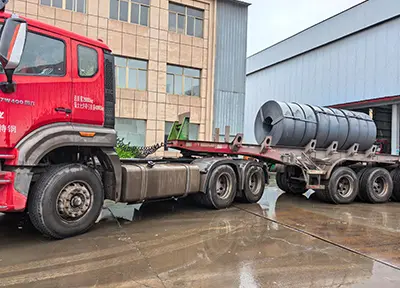
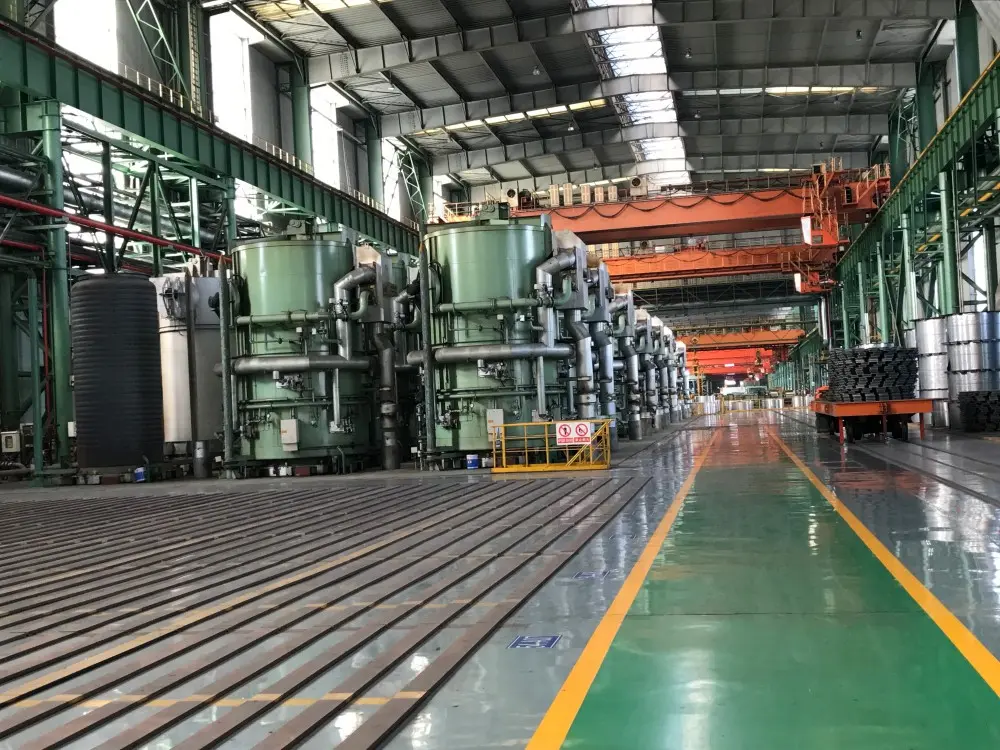
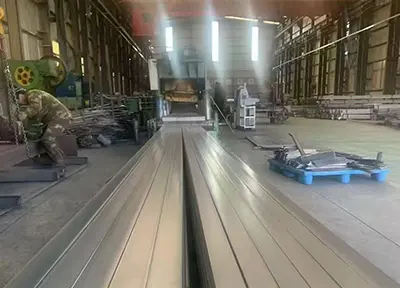
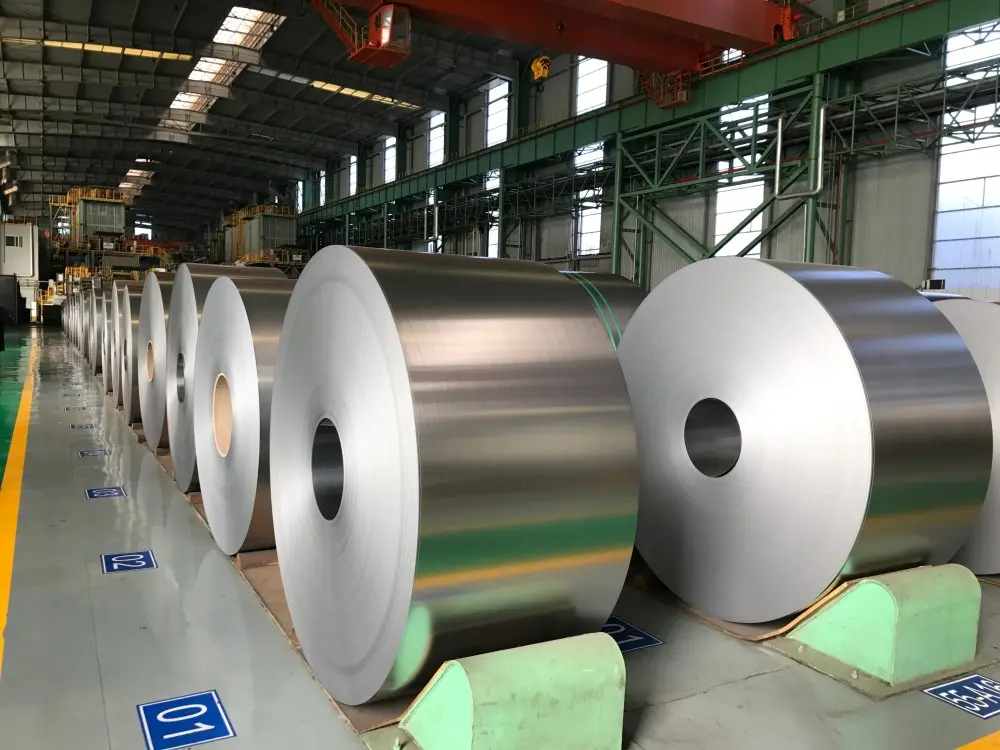
Operational facilities showing Hansheng Technology's production assets and logistics capacity.
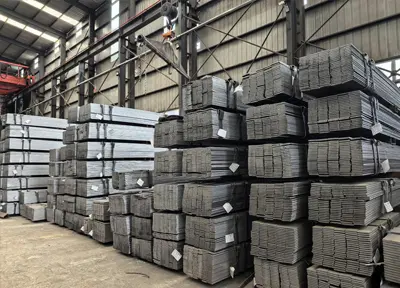
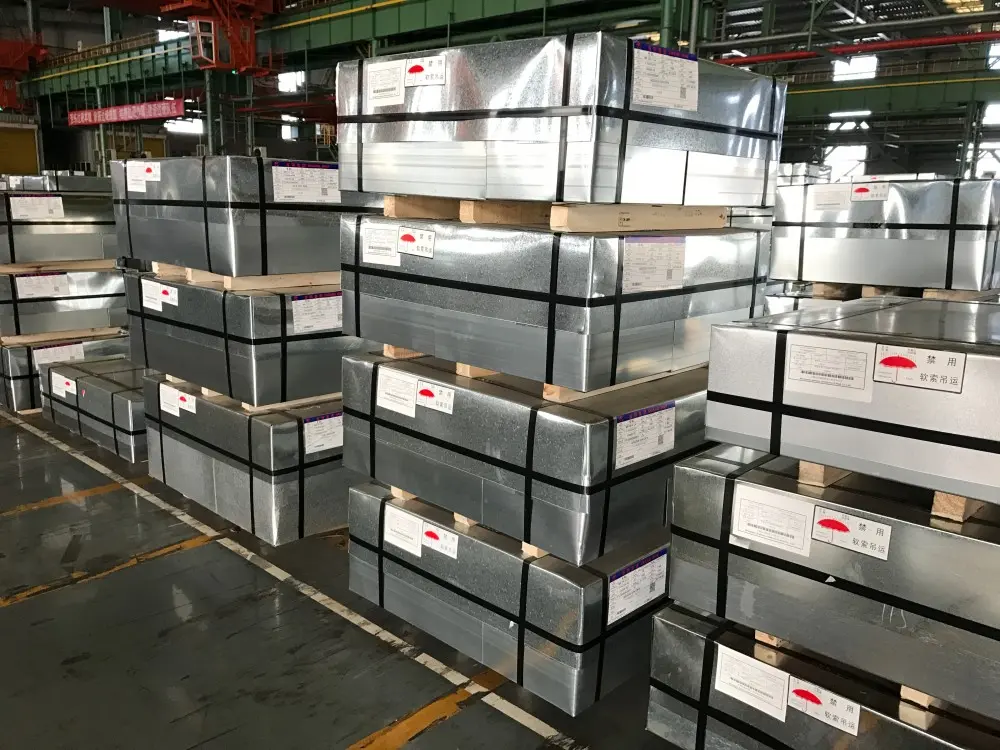
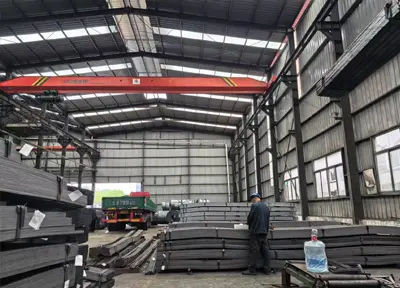
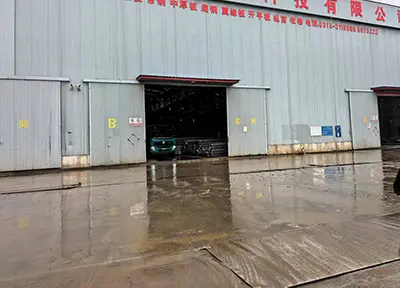
Interconnected supply partnerships guaranteeing continuous material access.

Empirical proof of international logistic capabilities and project fulfillment.
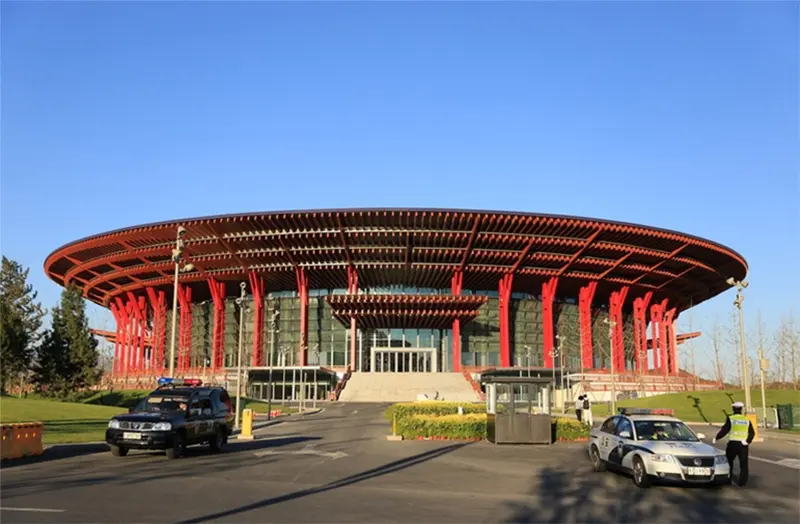
Beijing Yanxihu Convention and Exhibition Center
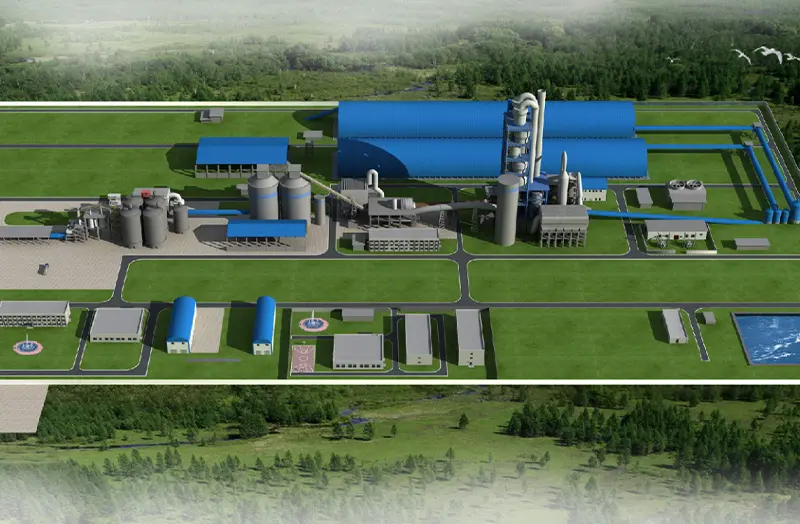
Clinker Production Line: South Africa Mamba Cement
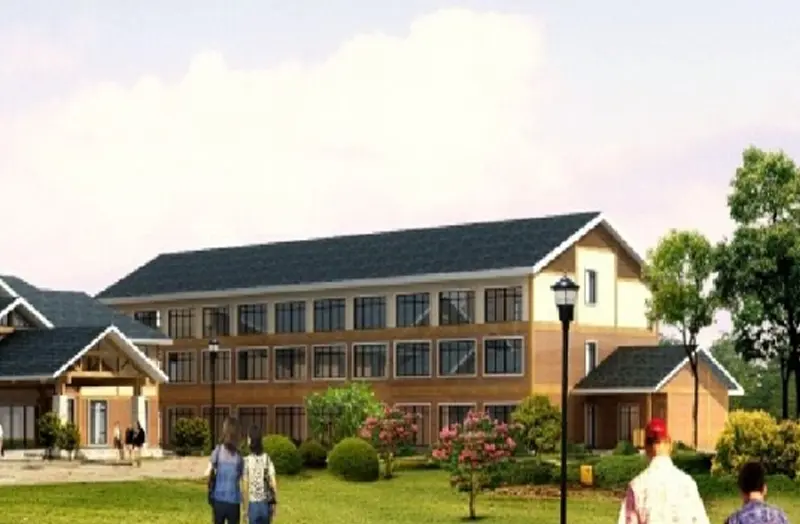
Modern Villa Structural Steel Supply: Canada
Addressing primary user intents and deep technical queries regarding structural color steels.
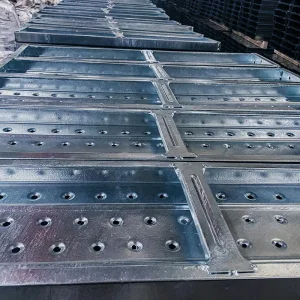
Comprehensive steel elements and structural materials for industrial applications.
 Hanshen