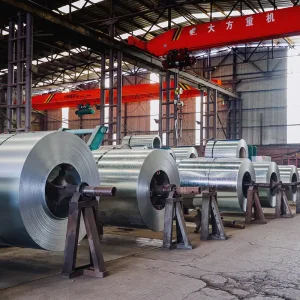
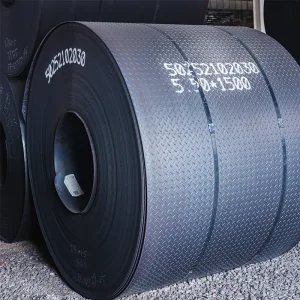
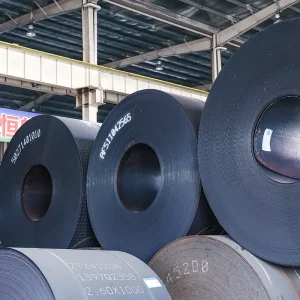
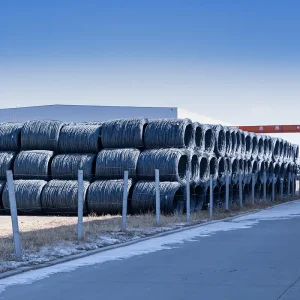
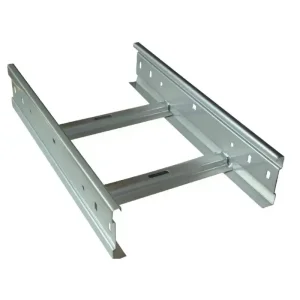
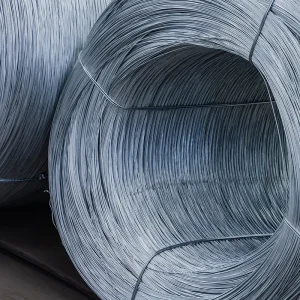
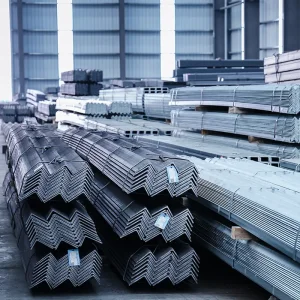
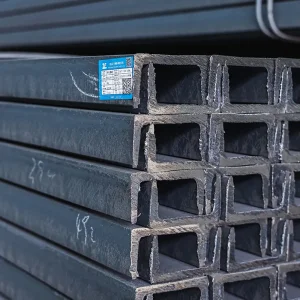
Explore our leading architectural steel products, custom profile coils, and high-strength metal components trusted by global project managers.
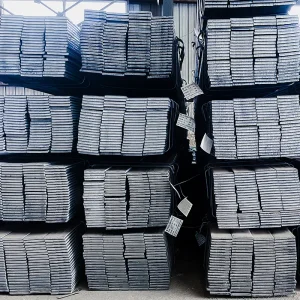
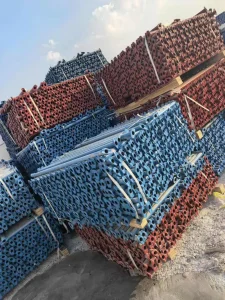
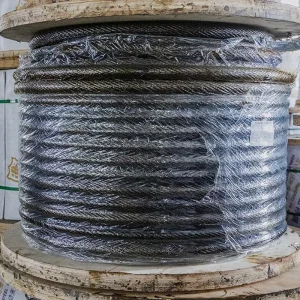
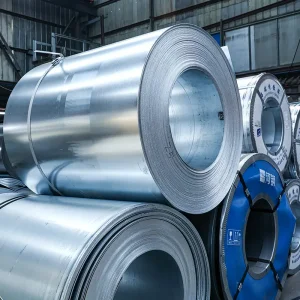
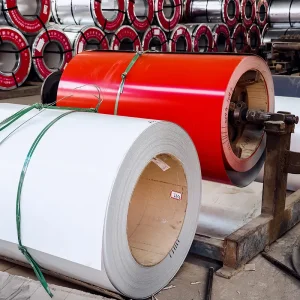
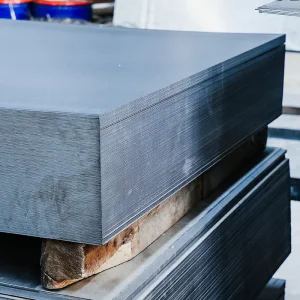
Analyzing structural safety, regulatory standards, and market shifts from timber scaffolding to advanced metal decking systems.
In the modern construction and civil engineering sectors, the structural integrity of temporary work platforms is paramount to site safety and operational flow. Construction steel planks, commonly referenced in industrial contexts as steel boards, scaffold decks, or metal catwalks, serve as the primary horizontal load-bearing surfaces in staging and scaffolding structures. Globally, the transition from traditional wooden boards to structural steel planks has accelerated over the past two decades. This shift is driven by stringent occupational health and safety laws, such as USA OSHA regulations, European EN 12811 standards, and Australian/New Zealand AS/NZS guidelines.
Unlike timber, which is vulnerable to rot, invisible micro-cracks, and highly unpredictable load failures under environmental stress, construction steel planks offer highly calculable yield strengths, fire resistance, and reliable structural predictability. Key regional markets present distinct demands. In North America and Europe, standard modular system scaffolding (such as Ringlock and Cuplock) relies on customized steel planks with precise locking hooks to handle large payloads in heavy commercial builds. Meanwhile, fast-developing zones in the Middle East and Southeast Asia require large quantities of cost-effective, high-load-bearing galvanized planks for harsh coastal climates and high-temperature environments.
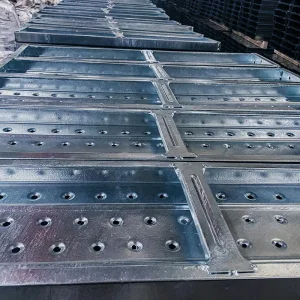
Strict structural calculations conforming to BS EN 12811 and OSHA standards guarantee stable, sag-resistant performance under heavy worker and equipment weight.
Hot-dip galvanized (HDG) coating provides a sacrificial zinc layer that protects raw steel against rust in highly humid, chemical, and offshore environments.
Engineered punching patterns lower individual board weight for faster manual handling, without compromising the overall flexural strength of the structure.
How Hansheng Technology leverages the industrial ecosystem of Tangshan, Hebei Province to deliver value.
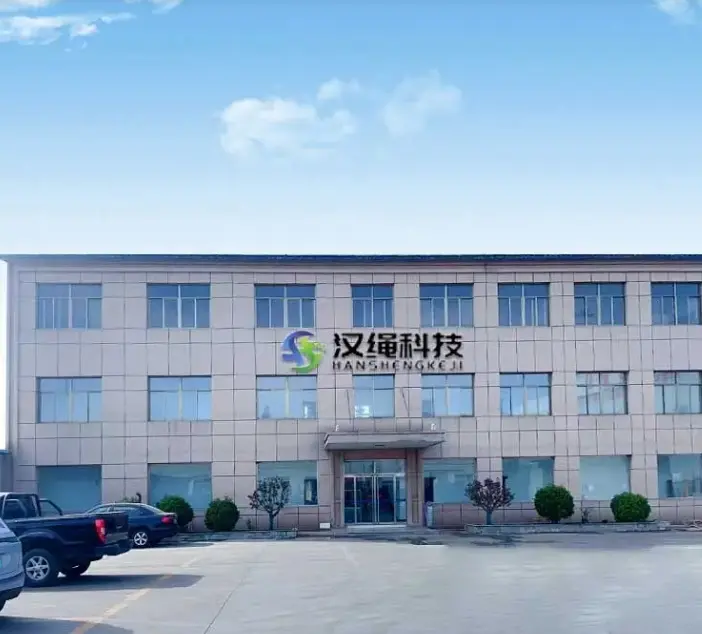
When procurement executives select a construction steel plank manufacturer, supply chain reliability and geographic location are just as critical as raw material quality. Hansheng Technology (Hebei) Co., Ltd. is strategically based in Tangshan City, Hebei Province—the historical and operational heart of China’s steel production ecosystem. This geographic concentration provides an unmatched advantage: direct, uninterrupted access to primary molten steel and hot-rolled coils from major state-owned mills, keeping raw material shipping costs to a minimum.
Additionally, our factory is located just 150 kilometers from the Tianjin seaport and 150 kilometers from Beijing. This proximity allows us to secure reliable shipping containers, fast custom clearance, and predictable shipping schedules to Europe, North America, the Middle East, and Southeast Asia. Working with 8 specialized, high-capacity production lines, we maintain an annual output of 300,000 metric tons. Our integrated manufacturing workflow covers coil slitting, profiling, stamping, hot-dip galvanizing, and automated testing on a single site. This localized control minimizes logistics handling and ensures consistent quality at competitive prices.
This scale allows Hansheng Technology to easily handle large volume orders. Whether supporting massive LNG plant installations in Australia or supplying high-volume scaffolding rental fleets in North America, our operations deliver short lead times and highly customizable production options.
Adapting steel plank configurations to meet specific localized environmental and regulatory requirements.
In highly saline coastal zones, offshore oil rigs, and port terminal construction, standard metal planks rust rapidly. Hansheng delivers construction steel planks with an extra-thick zinc coating (up to 500 g/m²). This heavy-duty coating prevents saltwater damage and extends the service life of scaffolding up to three times compared to standard electro-galvanized alternatives.
High-rise construction sites face strong wind uplift forces that can dislodge loose planks. Our planks feature custom, wind-locking end hooks and integrated secure-fit lock pins. Precision-stamped perforations allow wind to flow freely through the walkway surface, reducing lateral wind resistance on the scaffolding tower.
In refinery maintenance, sparks, chemical leaks, and oil buildup create major safety risks. Hansheng's steel planks have raised, slip-resistant dimples that channel away oils, grease, and moisture, ensuring secure footing underfoot. Being 100% fire-resistant, they also eliminate the fire hazards associated with dry timber planks.
Railway and bridge maintenance projects operate on tight schedules with high foot traffic. Modular scaffolding fitted with lightweight steel planks speeds up assembly and dismantling, reducing downtime. Precision manufacturing ensures uniform dimensions, making it easier to integrate our planks with existing modular scaffolding systems.
The structural steel plank industry is shifting focus to meet new sustainability goals. With carbon footprint audits becoming standard in global procurement, Hansheng Technology actively tracks carbon output under ISO 14001 environmental management standards. Because steel is 100% recyclable, using steel planks instead of timber directly helps project developers meet their ESG (Environmental, Social, and Governance) targets.
Another key trend is the development of ultra-high-strength steel alloys. By using advanced metallurgy, manufacturers can reduce plank thickness while keeping the same load-bearing capacity. This results in lighter steel planks that reduce transport fuel consumption and improve ergonomics for onsite installation teams, lowering the risk of physical strain.
Finally, smart logistics integration is changing inventory management. Some of our major partners now embed RFID tags directly into their steel planks. This allows rental yards and construction companies to track and log their scaffold assets across sites, reducing losses and simplifying maintenance audits.
How Hansheng Technology maintains consistency across high-volume production runs.
We process raw structural coil materials in strict compliance with international mechanical codes. Every batch is traceable back to its original steel heat number:
Our quality control program consists of five core inspection checkpoints:
A history of reliable supply to major engineering projects and clients across five continents.
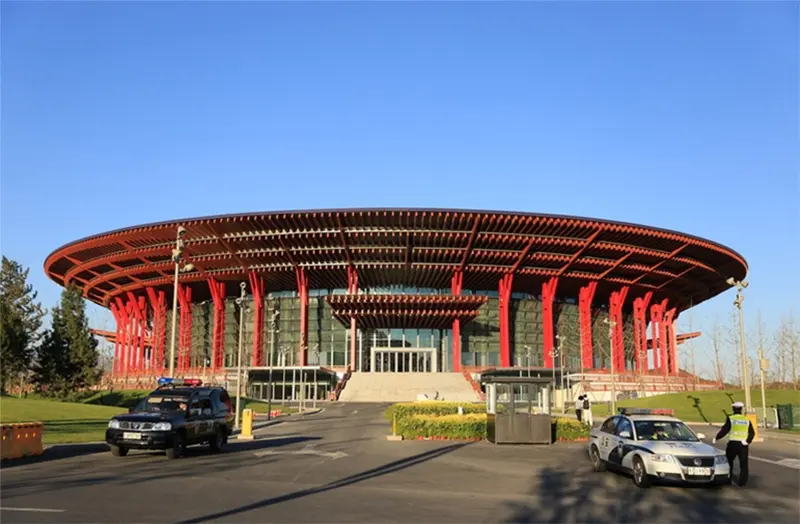
Provided customized structural steel framing, wire structures, and high-performance scaffolding platforms to support the complex, curved architecture of this landmark convention center.
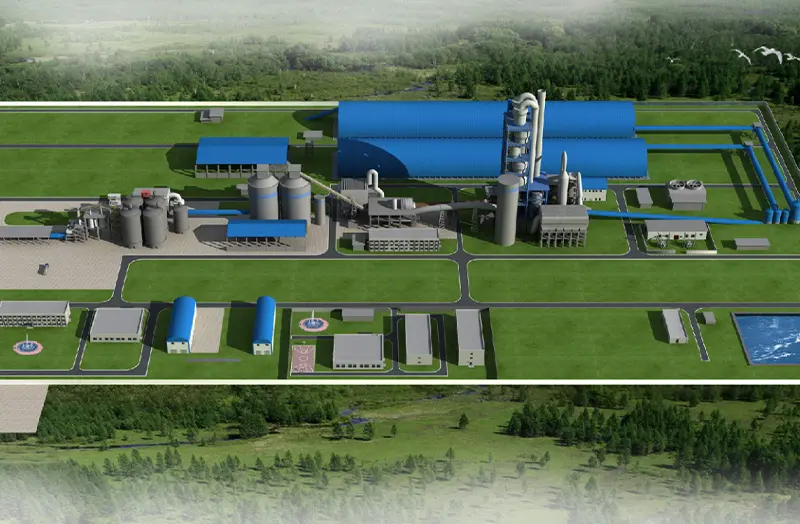
Supplied heavy-duty metal staging elements and structural sections for the construction of a large clinker production line in South Africa, meeting strict industrial load capacities.
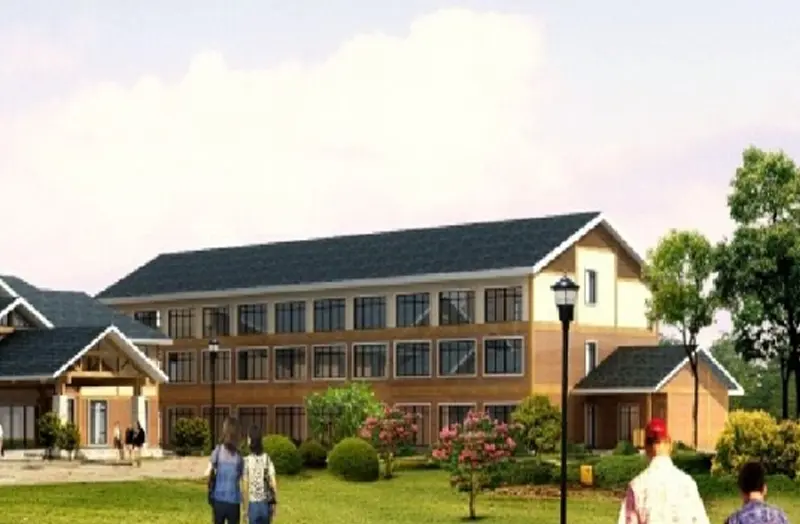
Supplied light-gauge steel framing, custom zinc-coated coils, and safety scaffolding platforms to meet North American building codes for wind resistance and structural load-bearing performance.
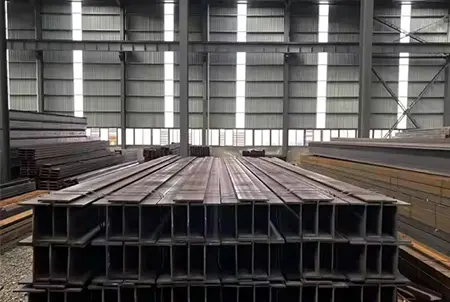
H Beam to Dubai
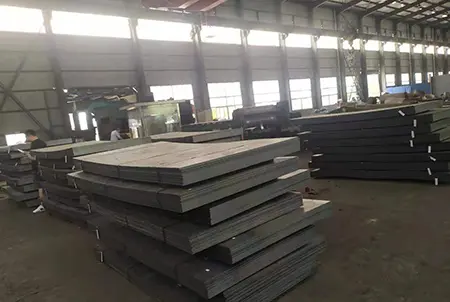
Steel Plate to Saudi Arabia
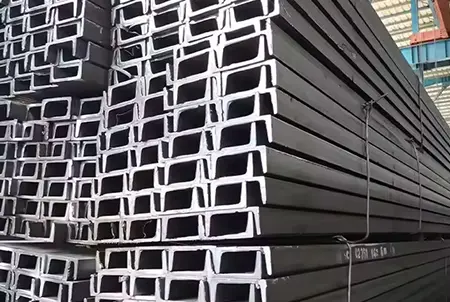
JIS Channel to South Korea
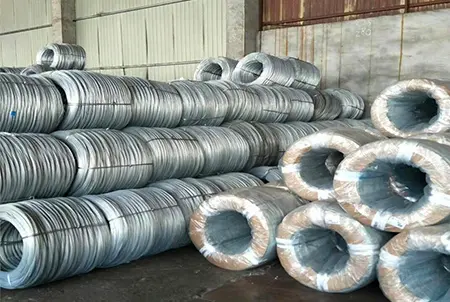
GI Wire to Florida
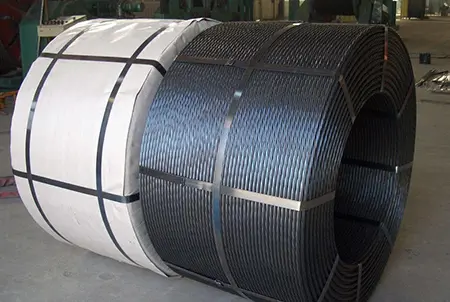
PC Strand to Philippines
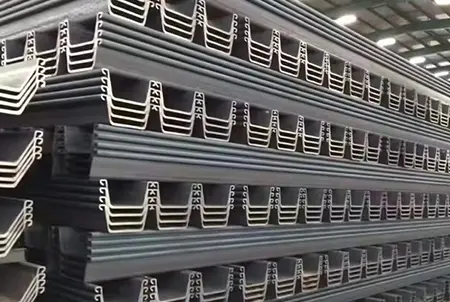
Sheet Pile to Indonesia
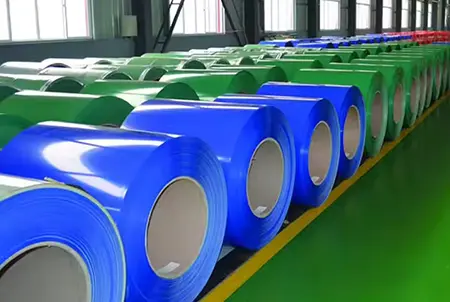
PPGI to Chile
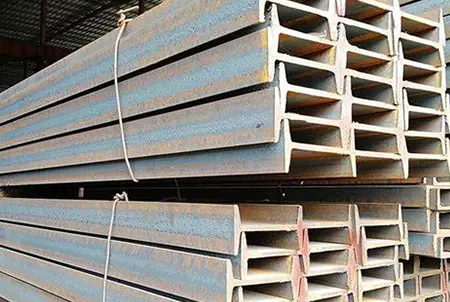
IPEAA to Kuwait
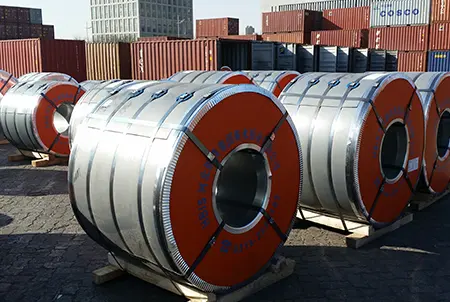
GI to Spain
Working alongside major global steel mills to secure high-quality raw materials and finish treatments.




Common questions from procurement teams, structural engineers, and global distributors.
Explore our wider range of industrial steel coils, wire products, framing sections, and custom steel shapes.
 Hanshen