Explore our industrial grade heavy duty components designed for structural engineering safety and load-bearing performance.
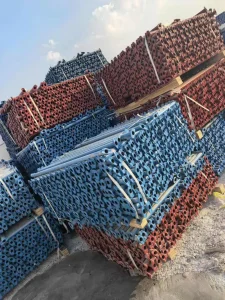
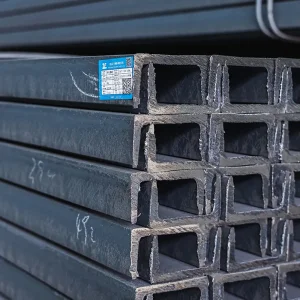
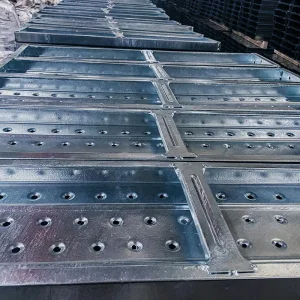
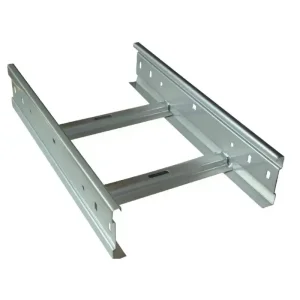
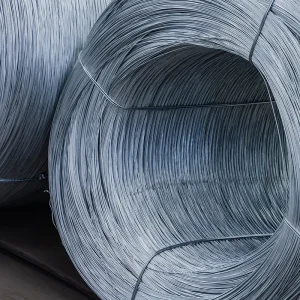
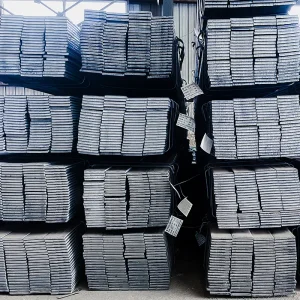
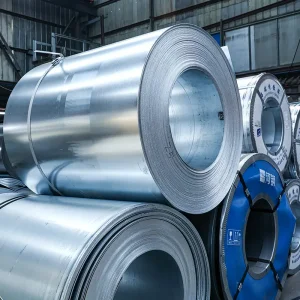
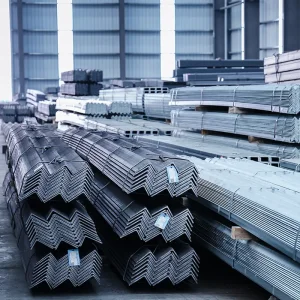
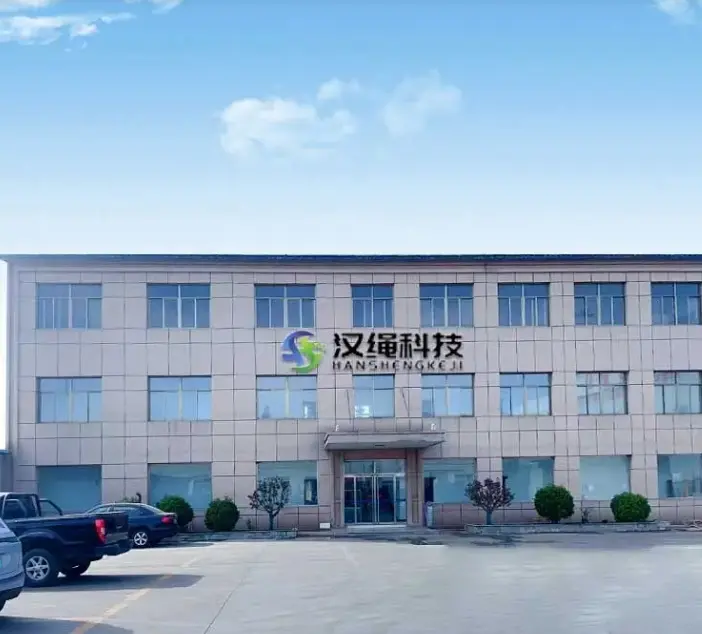
Strategically situated in Tangshan City, Hebei Province—the absolute heartbeat of China's heavy steel metallurgy industry—Hansheng Technology (Hebei) Co., Ltd. has established itself as an export-oriented global leader in premium steel component and structural system manufacturing since its inception in 2006.
Our geographic positioning provides unparalleled speed and efficiency in logistics; located just 150 kilometers from the Tianjin seaport and 150 kilometers from Beijing, we coordinate fluid container transport configurations to streamline delivery processes for international buyers. Over nearly two decades of operation, our corporate ethos has centered on structural reliability, precision chemistry, and the strict adherence to global standards.
Hansheng Scale at a Glance: We operate 8 high-efficiency, automated production lines with an annual output capacity ranging from 300,000 to 650,000 metric tons. Our product portfolios conform strictly to global specifications, including ASTM (USA), JIS (Japan), DIN (Germany), GB (China), EN (Europe), and AS/NZS (Australia).
Established in 2006, our long-term presence guarantees stability, process familiarity, and optimized supply chain structures that minimize lead times and pricing volatility.
Utilizing 8 state-of-the-art production lines, we comfortably maintain up to 650,000 tons of annual output, enabling steady bulk supply schedules for megaprojects.
Certified under ISO 9001:2000 and ISO 14001, we conduct pre-shipment inspections on every batch, ensuring chemical tolerances and mechanical criteria are fully met.
In modern industrial and civil engineering, structural safety represents a non-negotiable metric. Scaffolding systems are temporary skeletal platforms, but their structural load path integrity dictates the literal life safety of hundreds of on-site workers. Standard welded or coupled tube systems, while historically common, present significant issues regarding logistics volume, high construction labor costs, and variable joint strength. This has driven the industry toward detachable steel scaffolding systems.
These modular solutions utilize specialized locking configurations—such as ringlock (rosette based) and cuplock systems—which allow individual components to be assembled and disassembled rapidly without structural compromise. High-grade carbon steel pipes (typically Q235B or Q345B) are precision-cut, structural components are welded under robotically controlled environments, and finished assemblies undergo hot-dip galvanization (HDG). The result is a system that balances lightweight transportability with high-load structural carrying capacities.
The global scaffolding market size has expanded significantly, driven by rapid urbanization in developing countries and critical infrastructure rehabilitation in mature markets (North America and Europe). Standard construction regulatory bodies such as OSHA (United States), EN 12810/12811 (Europe), and AS/NZS (Australia) have implemented more stringent guidelines that effectively penalize outdated wooden or sub-standard non-detachable metal platforms.
Consequently, wholesale demand for high-strength steel scaffolding has shifted to integrated steel clusters like Tangshan in Hebei, China. This industrial center provides immediate access to high-grade metallurgical raw materials, allowing factories to optimize product cost-performance ratios. Because of this proximity to primary steel mills and logistics channels (Tianjin Seaport), companies like Hansheng Technology are able to offer competitive wholesale pricing for global infrastructure distributors, engineering houses, and equipment rental firms.
When engineering high-strength detachable scaffolding systems, chemical and mechanical properties must remain within tight parameter tolerances. Standard structural steel tubes for modular scaffolding must demonstrate high yield strength, outstanding weldability, and resistance to fatigue. Below is an engineering parameter framework demonstrating typical grades utilized in Hansheng production lines:
| Steel Grade | Yield Strength (Min MPa) | Tensile Strength (MPa) | Elongation (Min %) | Primary Applications |
|---|---|---|---|---|
| Q235B / S235JR | 235 | 370 - 500 | 26% | Standard ledger tubes, diagonals, horizontal braces |
| Q345B / S355JR | 345 | 470 - 630 | 22% | Heavy-duty vertical standards, high-load shoring collars |
| Pre-Galvanized DX51D | - | 270 - 500 | 22% | Lightweight walking planks, steel toe-boards |
To resist structural oxidation from maritime air, industrial run-off, or harsh outdoor environments, scaffolding surfaces are treated with hot-dip galvanization. The zinc coating thickness is strictly monitored (typically exceeding 60-80 microns) to comply with EN ISO 1461, ensuring a structural lifecycle exceeding 15 to 20 years even under constant outdoor cycle exposures.
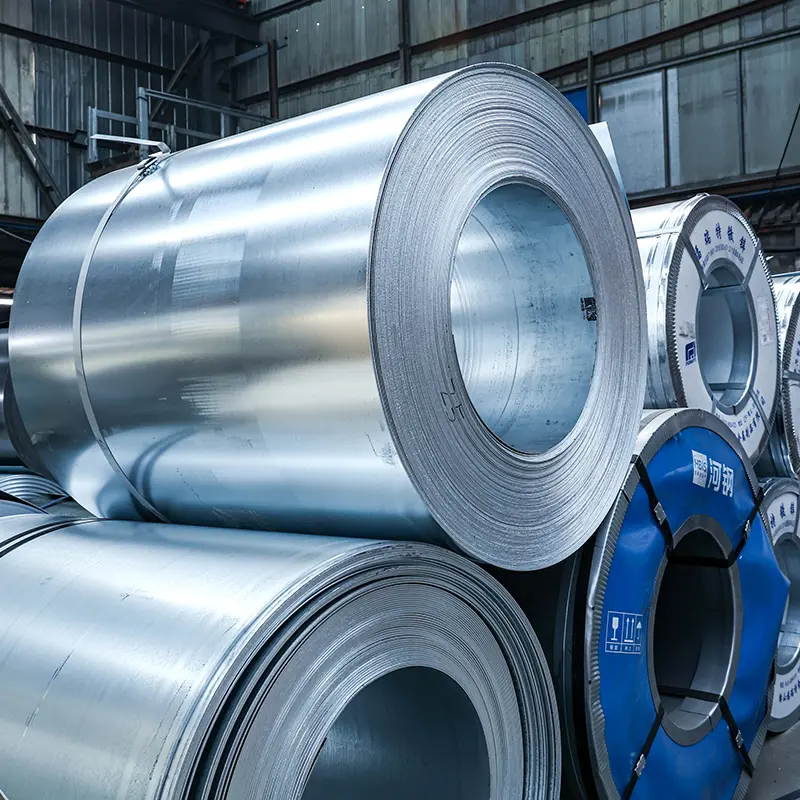
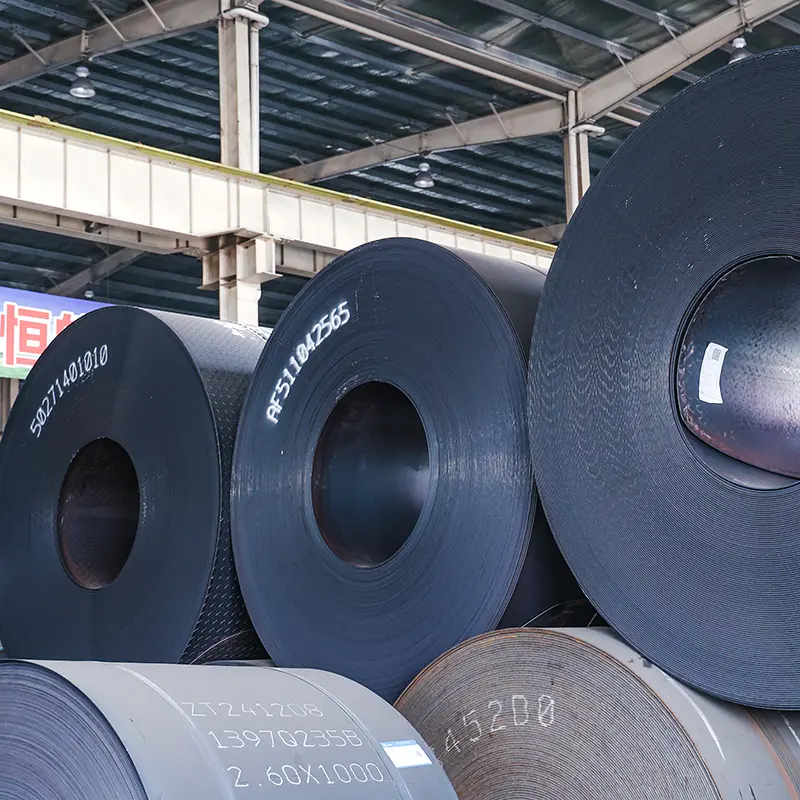
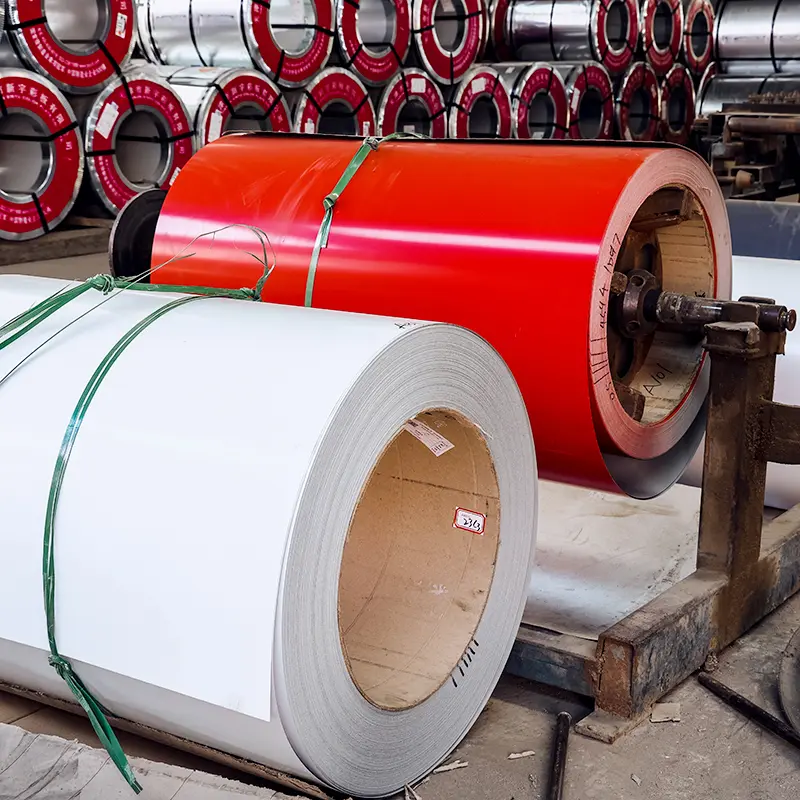
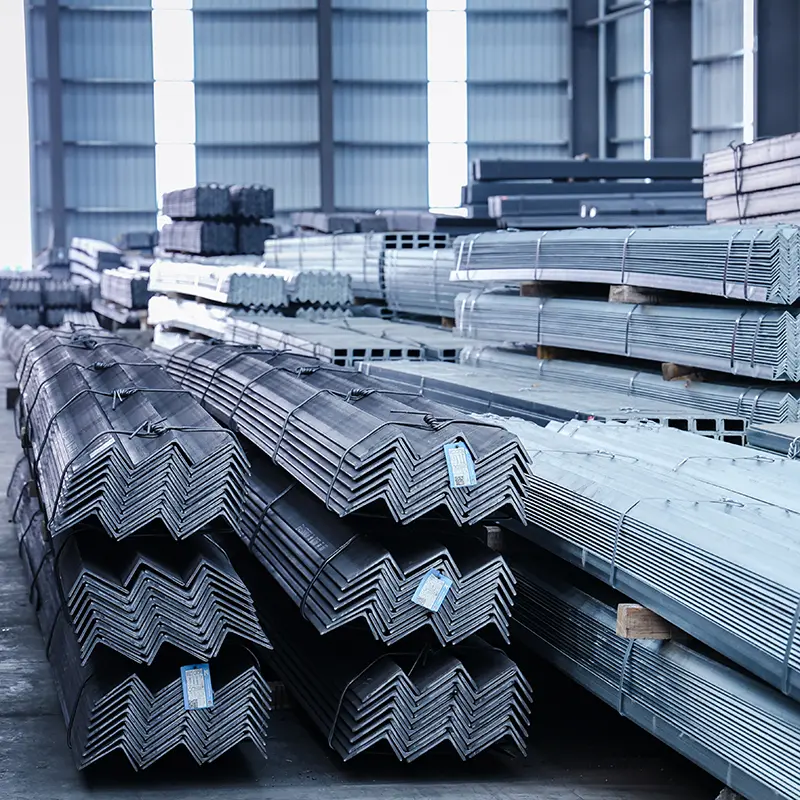
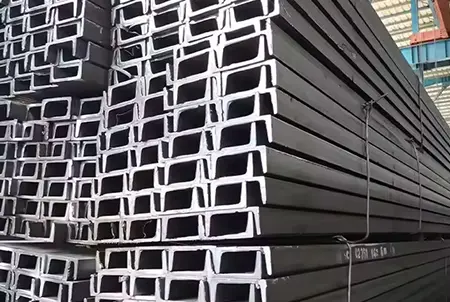
Retaining our traditional, high-quality production outputs supporting infrastructure projects worldwide.
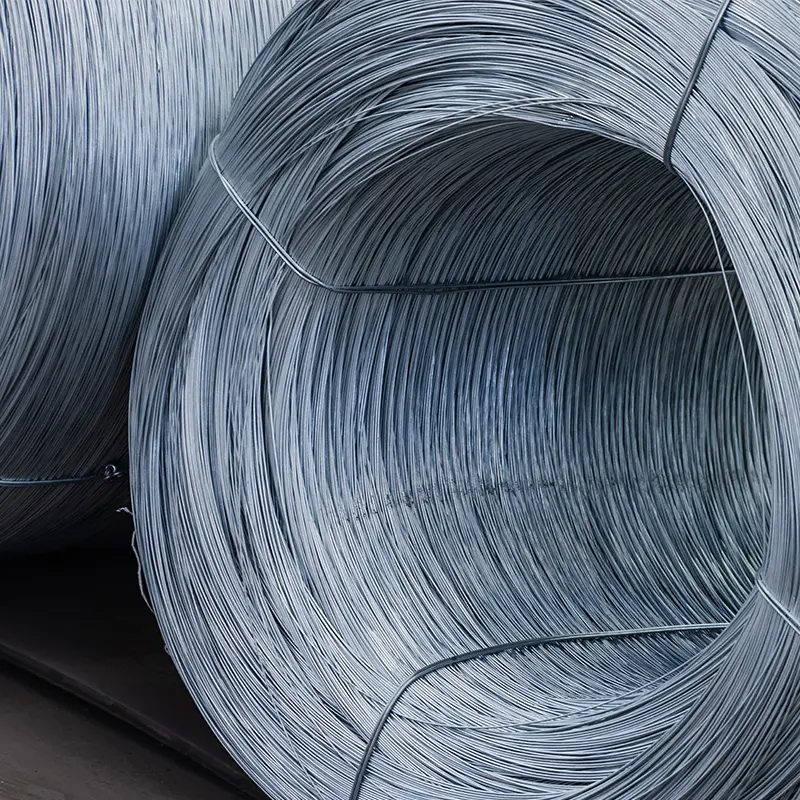
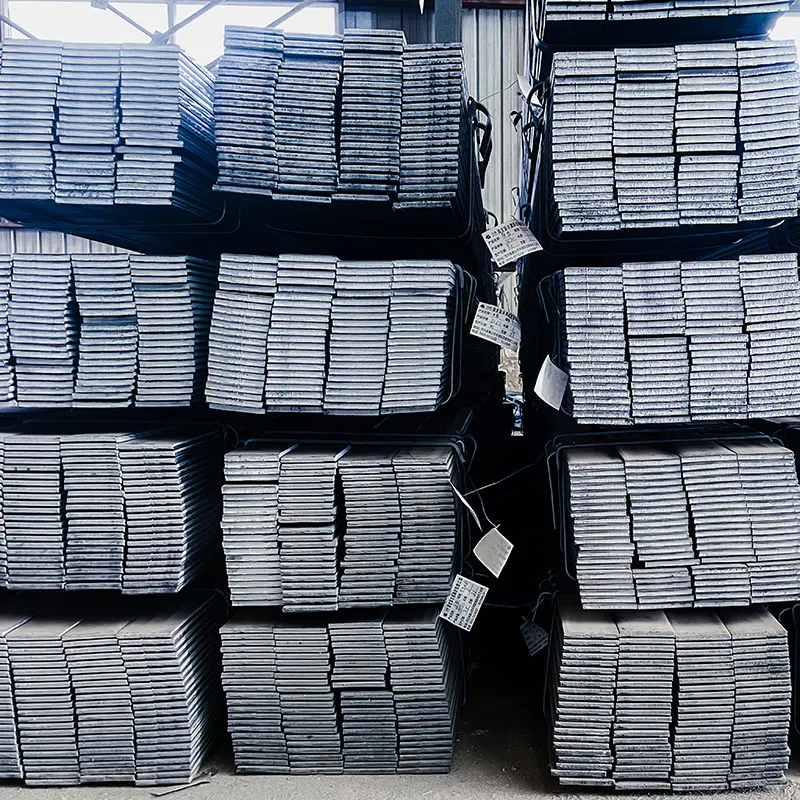
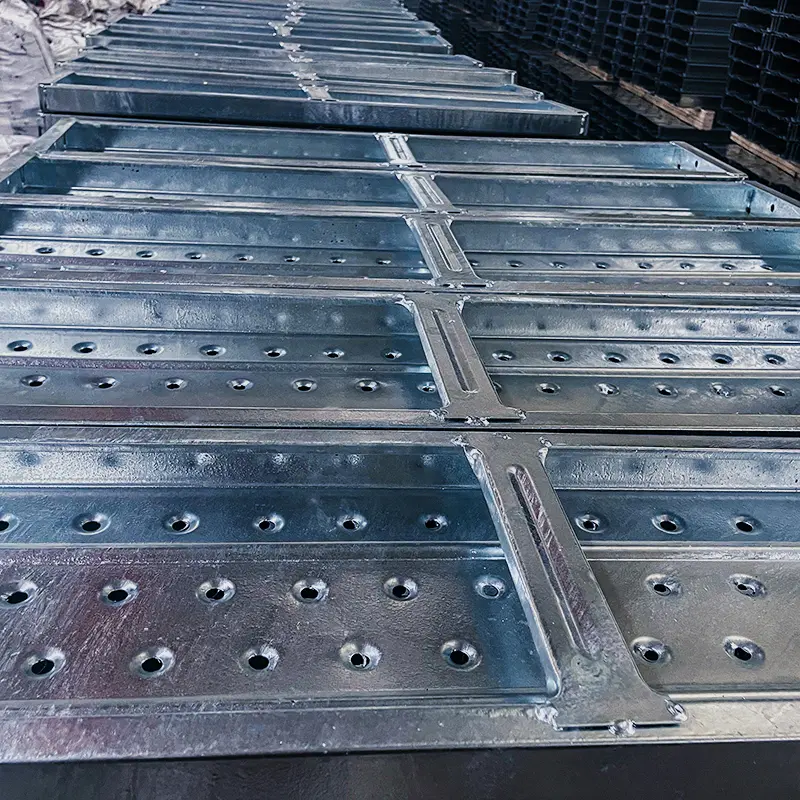
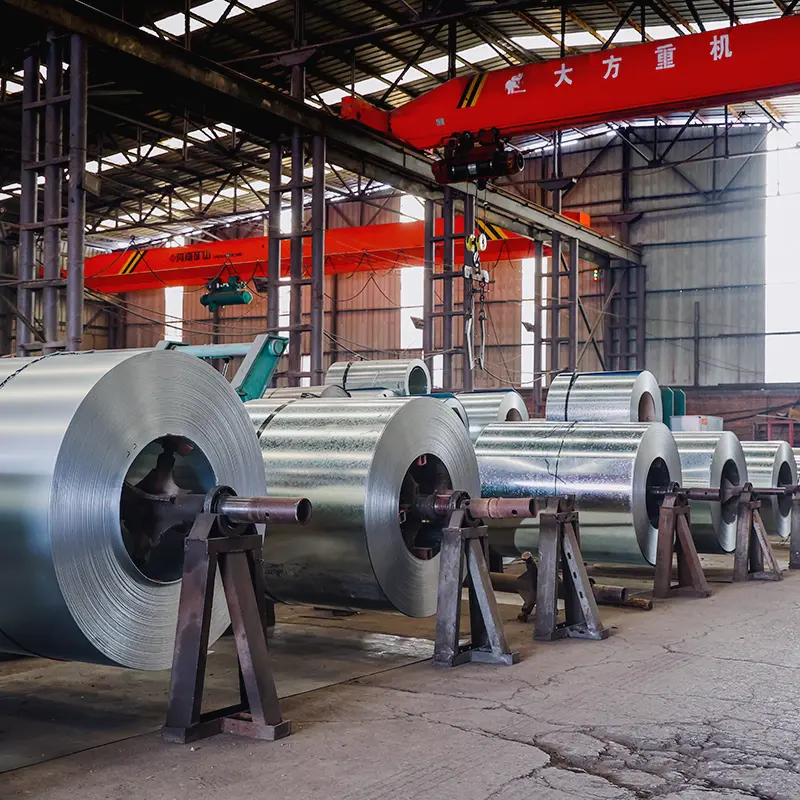
Different engineering contexts demand specific mechanical performance parameters from detachable scaffolding systems:
The steel scaffolding industry is evolving, with innovation focusing on carbon reductions and intelligent logistics integration:
For large engineering and procurement contractors (EPCs), managing a scaffolding fleet is a major logistical challenge. Hansheng Technology offers custom manufacturing services (OEM/ODM), pre-shipment quality checks on chemical compositions, and strategic container configurations to optimize shipping volumes. Our strategic location near Bohai Bay ensures shorter transit times from factory to port, reducing logistics costs and helping project managers keep projects on track.
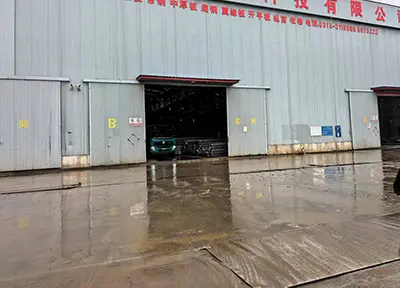
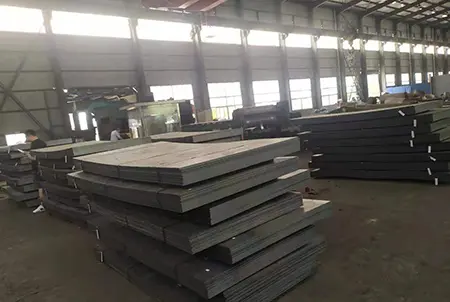
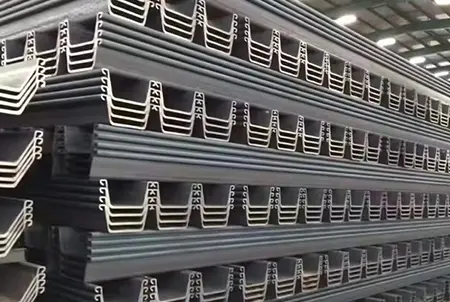
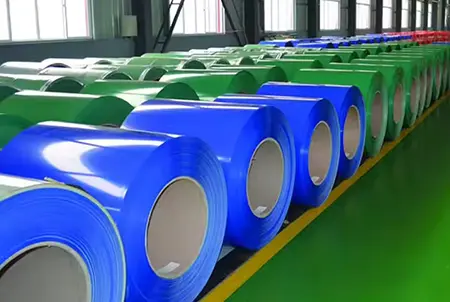
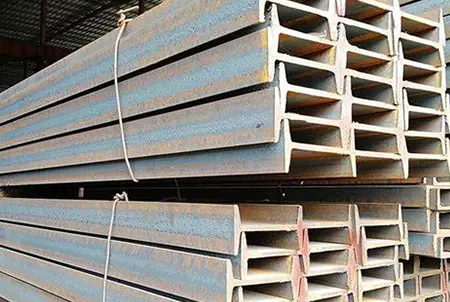
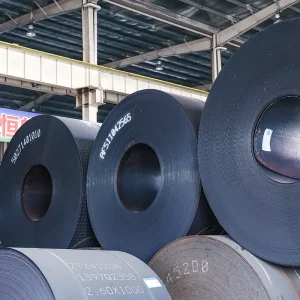
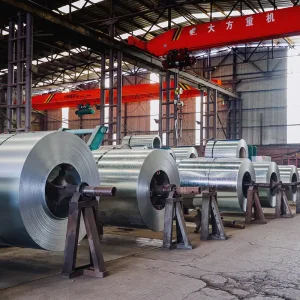
Inside Hansheng Technology's production and warehousing operations.
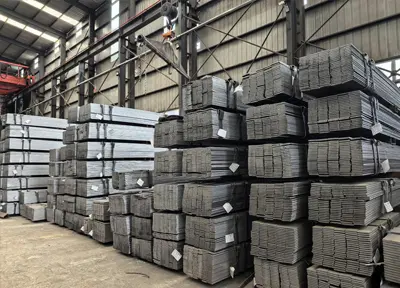
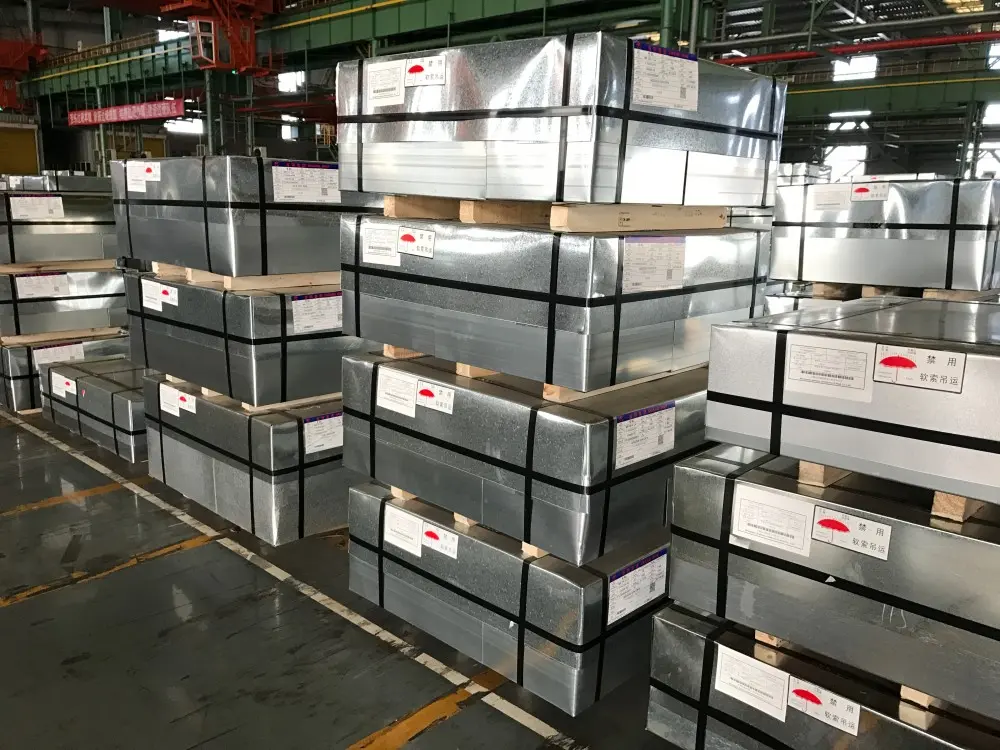
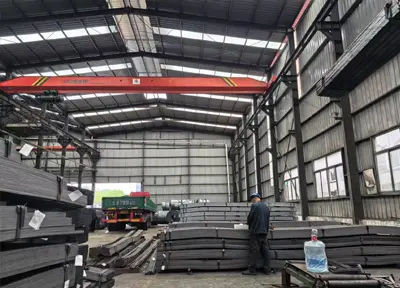
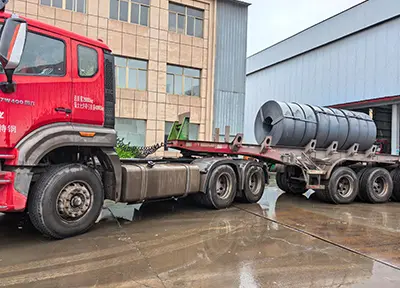
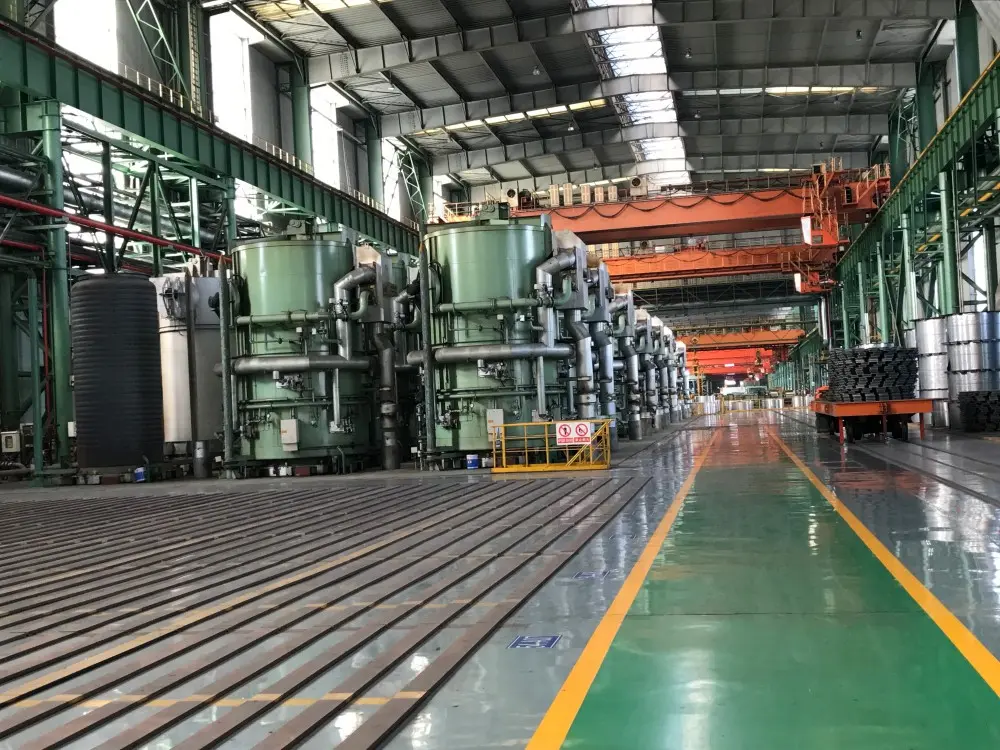
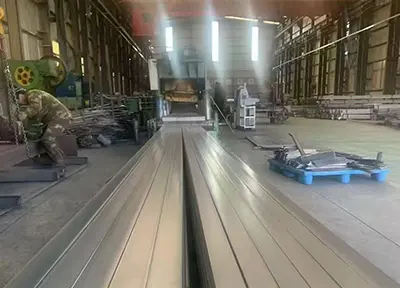
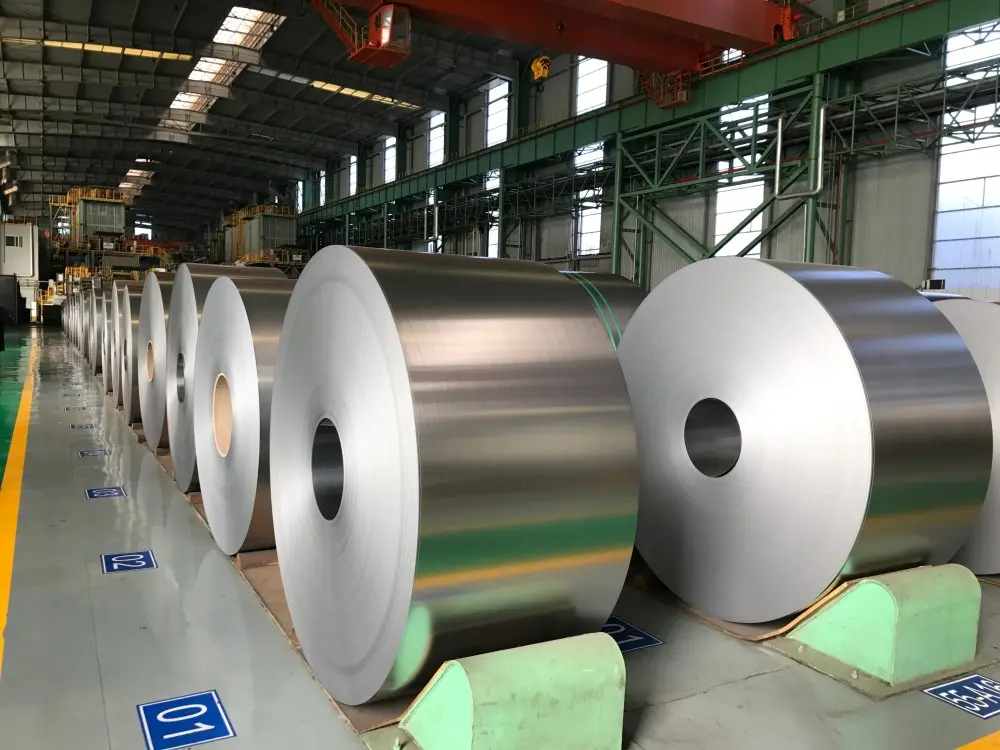
Maintaining close relationships with top metallurgy facilities to secure premium raw materials.

Demonstrated engineering reliability across diverse infrastructure, architectural, and industrial contexts.
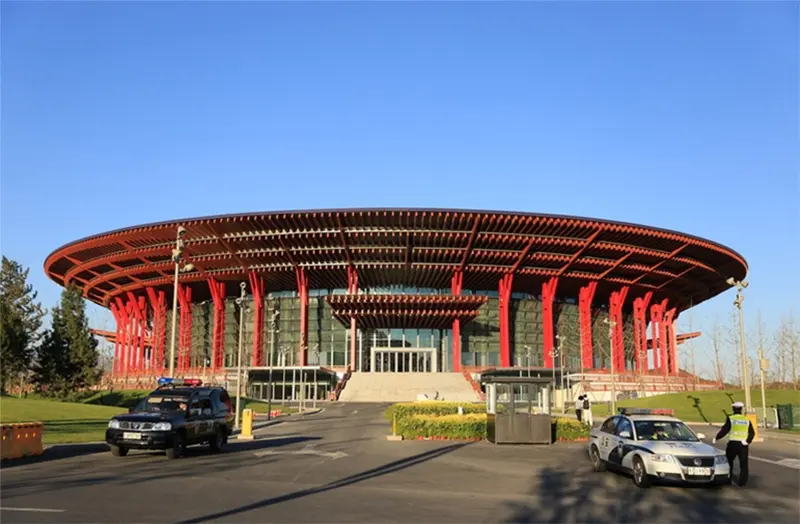
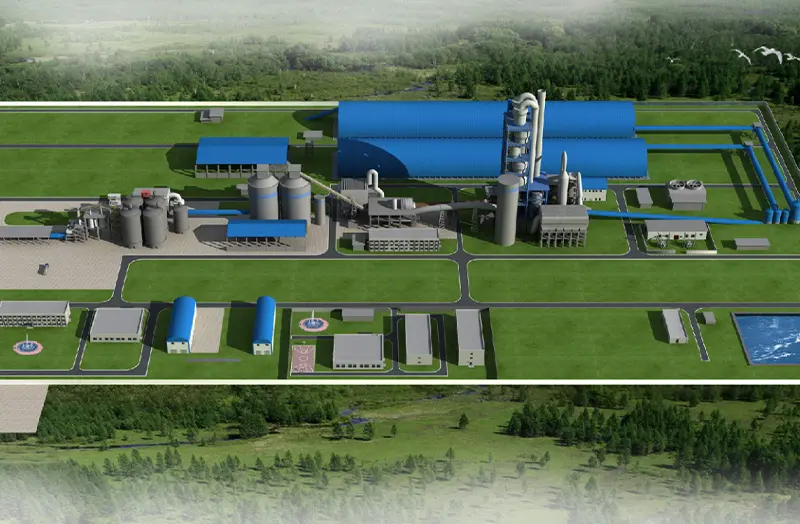
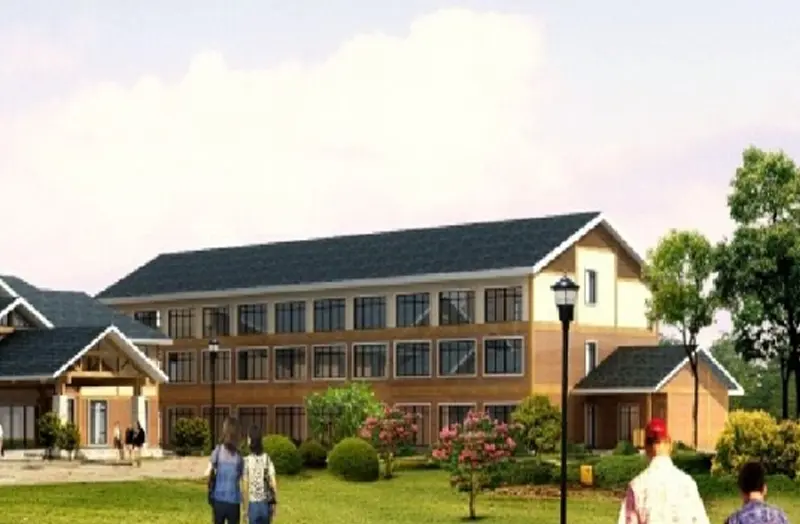
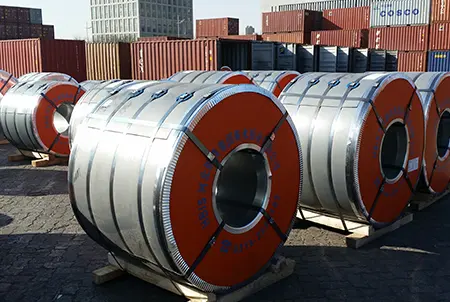
Demonstrating our logistics capability and tracking cargo shipments to final destinations.
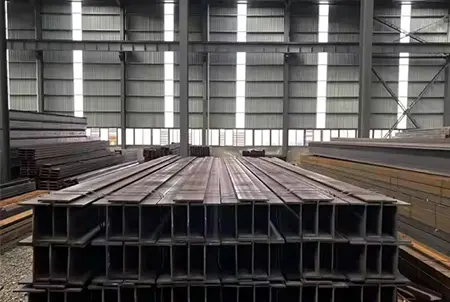
Addressing engineering, procurement, and logistics questions for structural steel systems.
We use high-tensile structural carbon steel. Standards (vertical standards) are generally made of Q345B (S355JR equivalent) to provide high yield strength and limit structural deflection. Ledgers, diagonal braces, and auxiliary parts are constructed from Q235B (S235JR equivalent) to optimize overall system weight without sacrificing ductility or joint integrity.
Hot-dip galvanization is conducted after cutting and welding, immersing the completed steel component in molten zinc. This covers internal weld lines and structural tube inner surfaces with a 60–80 micron layer. Pre-galvanization uses pre-coated steel sheets before forming, which leaves exposed cut edges. For long-term construction or marine applications, HDG is recommended for its superior corrosion resistance.
Our manufacturing processes align with EN 12810/EN 12811 for modular and system scaffolding, ANSI/ASSE A10.8 (US OSHA compliance), and AS/NZS 1576 (Australia/New Zealand). Testing reports on chemical compositions, tensile limits, and weld shear strength can be provided for each production run.
Our factory is situated 150 km from Tianjin seaport, northern China's premier maritime logistics hub. This proximity allows us to load containers directly at our facility and transport them quickly to the port. This efficient logistics loop reduces domestic shipping delays and helps protect structural cargo from unnecessary exposure to weather during transit.
Yes. We provide complete OEM/ODM production according to customer blueprints. Our services include custom tube dimensions, unique rosette designs, specialized wedge keys, integrated steel planks, and custom branding/stamping on components. This is backed by our ISO 9001 quality system and professional pre-shipment inspections.
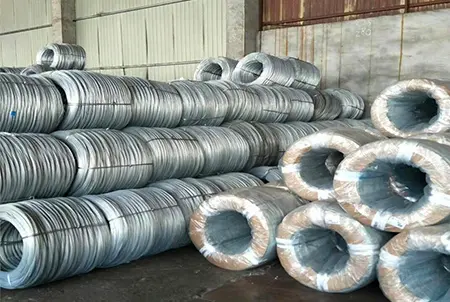
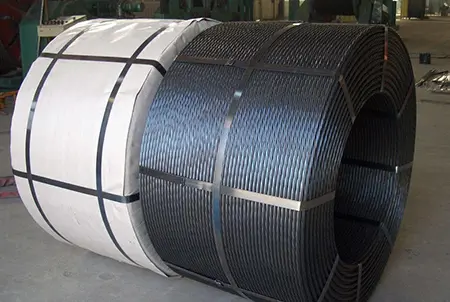
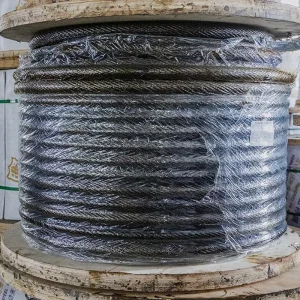
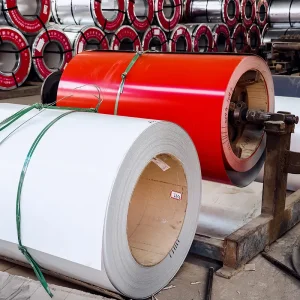
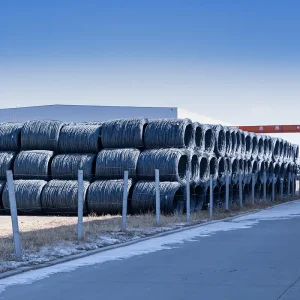
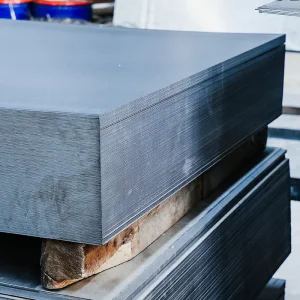
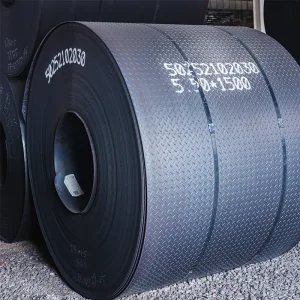
Explore our wider range of raw materials, wire rods, and coils produced to international standards.
 Hanshen