In the contemporary landscape of medium and low-voltage power distribution, the electrical panel hot bus bar acts as the central vascular system of electric power transmission inside main service panels, switchboards, and industrial motor control centers (MCCs). With global grids undergoing rapid modernization, electrical busbars are replacing traditional cables due to their space efficiency, flexibility, safety profile, and superior heat dissipation characteristics.
According to industrial market analysis, the global electrical busbar market size is projected to expand significantly, driven by data center infrastructure growth, electric vehicle (EV) fleet charging terminals, and grid-scale solar and wind integration projects. In these high-amperage applications, maintaining safe current-carrying capacity (ampacity) while preventing localized overheating is paramount. Modern engineering demands busbars with structural resilience, highly precise cross-sectional uniformity, and superior corrosion resistance.
Providing low-impedance pathways inside complex distribution panels, optimizing thermal footprints, and preventing electrical faults.
Constructed and tested under strict international guidelines to withstand transient short-circuit electromagnetic stresses.
Manufactured using grade-A oxygen-free T2 copper or specialized electrical conductivity (EC) grade aluminum alloys.
The selection of raw materials directly dictates the electrical efficiency, weight, mechanical strength, and overall lifecycle cost of the switchgear system. Wholesalers and structural engineers primarily evaluate T2 Copper (UNS C11000) and 6101/6063 Aluminum Alloys.
T2 copper boasts an International Annealed Copper Standard (IACS) conductivity rating of minimum 100%, offering extremely low internal resistance and compact physical footprints. Aluminum, while having only about 61% of copper's conductivity, provides a 66% weight reduction. This density advantage is critical in massive riser systems in skyscrapers and large-scale industrial plants.
| Performance Parameter | T2 Copper (C11000) | EC-Grade Aluminum (6101-T6) | Engineering Implications |
|---|---|---|---|
| Electrical Conductivity (% IACS) | ≥ 100% | ≥ 61% | Copper minimizes voltage drop and total heat dissipation. |
| Thermal Conductivity (W/m·K) | 390 | 218 | Copper dissipates localized hot spots more rapidly. |
| Tensile Strength (MPa) | 220 – 320 | 150 – 200 | Copper resists mechanical warping under short-circuit stress. |
| Density (g/cm³) | 8.9 | 2.7 | Aluminum reduces installation structural loads by 60%+. |
| Coefficient of Thermal Expansion | 16.5 x 10⁻⁶ / K | 23.0 x 10⁻⁶ / K | Aluminum joints require specialized Belleville washers. |
Exposed hot bus bars in industrial environments are subject to oxidation and atmospheric chemical attacks. Tin plating is the global standard for industrial switchgear due to its cost-effective protection against copper oxide formation, which increases contact resistance. Silver plating is utilized in high-frequency, ultra-high-ampacity applications where skin effect governs transmission efficiency, and nickel plating is preferred for high-temperature operations exceeding 150°C.
As global energy sectors shift toward electrification and smart infrastructure, the hot bus bar industry is rapidly transitioning from passive conductor plates to intelligent components. The key focus areas shaping the future roadmap include:
High-power distribution terminals are increasingly integrating surface acoustic wave (SAW) sensors or fiber-optic temperature sensors directly onto the busbar. This allows continuous real-time monitoring of thermal profiles, enabling predictive maintenance protocols and preventing catastrophic arc-flash events before they occur.
To accommodate high-frequency switching in modern power converters and EV battery modules, laminated bus bars composed of alternating layers of conductive metal and thin dielectric film are gaining massive traction. This structure reduces parasitic inductance and optimizes electromagnetic compatibility (EMC).
Manual bending of copper plates is obsolete. CNC busbar processing machinery performs punching, cutting, and multi-axis bending in a single sequence. This minimizes mechanical stress lines and maintains structural integrity along the bends, ensuring zero impedance jumps across custom routing designs.
Epoxy powder coatings and high-dielectric heat-shrinkable tubing are applied over the active conductive surface of hot bus bars. This reduces the required physical air clearance distance between phases, allowing engineers to design smaller and more compact electrical panels.
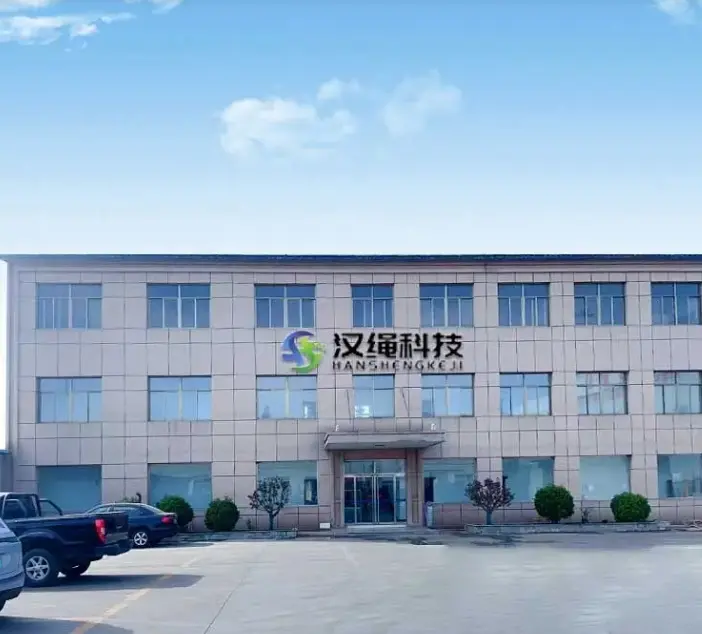
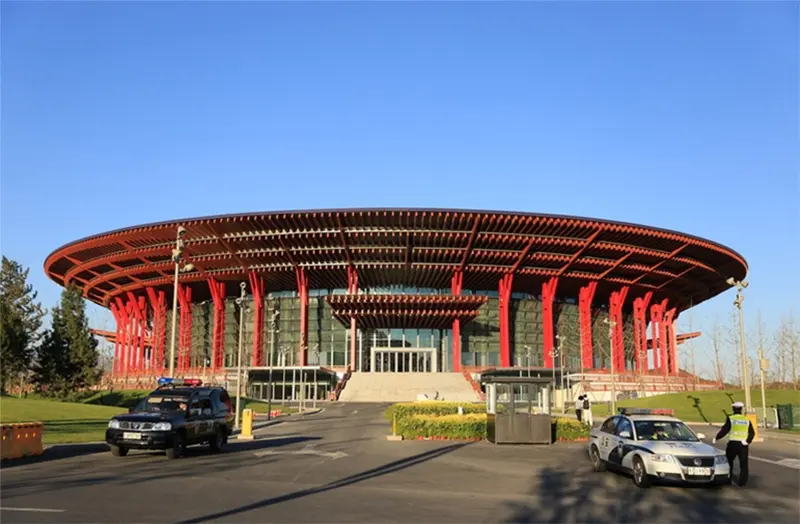
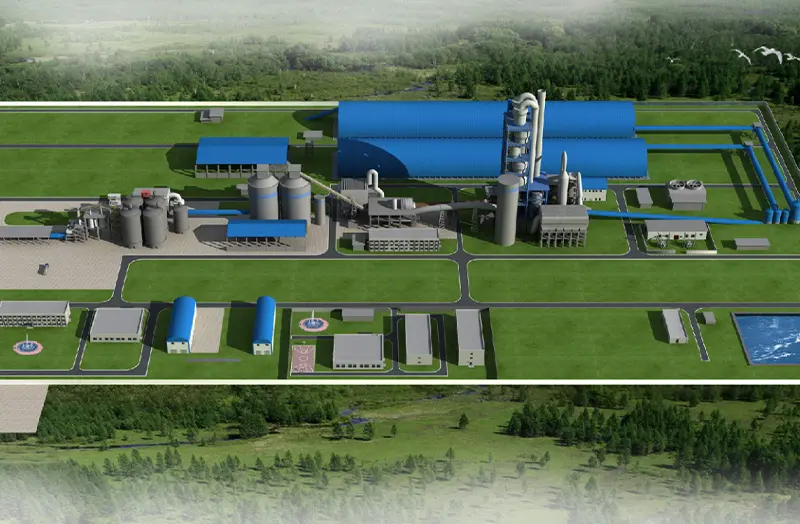
Strategically situated in Tangshan City, Hebei Province—the heart of China’s steel and metallurgy industry—Hansheng Technology (Hebei) Co., Ltd. benefits from an exceptional logistics network. Our headquarters lies just 150 kilometers from both the Tianjin seaport and the capital city, Beijing, ensuring efficient global shipping access. Established in 2006, we have evolved into a comprehensive, export-oriented enterprise specializing in the manufacturing and custom processing of premium-quality metal and structural components.
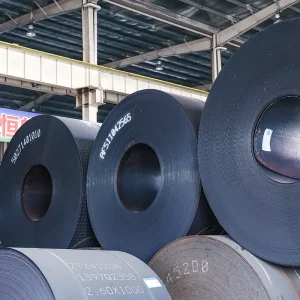
We operate 8 high-efficiency production lines with an annual output capacity of 300,000 metric tons. Our comprehensive product portfolio spans from high-grade Galvanized Steel Wire, Hot/Cold Rolled Steel Coils, and flat bar components to custom section steels. Every item is manufactured strictly in adherence to international standards including GB, JIS, ASTM, DIN, EN, and AS/NZS. Driven by supply chain excellence and professional service, our products have earned widespread recognition across markets in Europe, the Americas, the Middle East, Southeast Asia, and Africa.
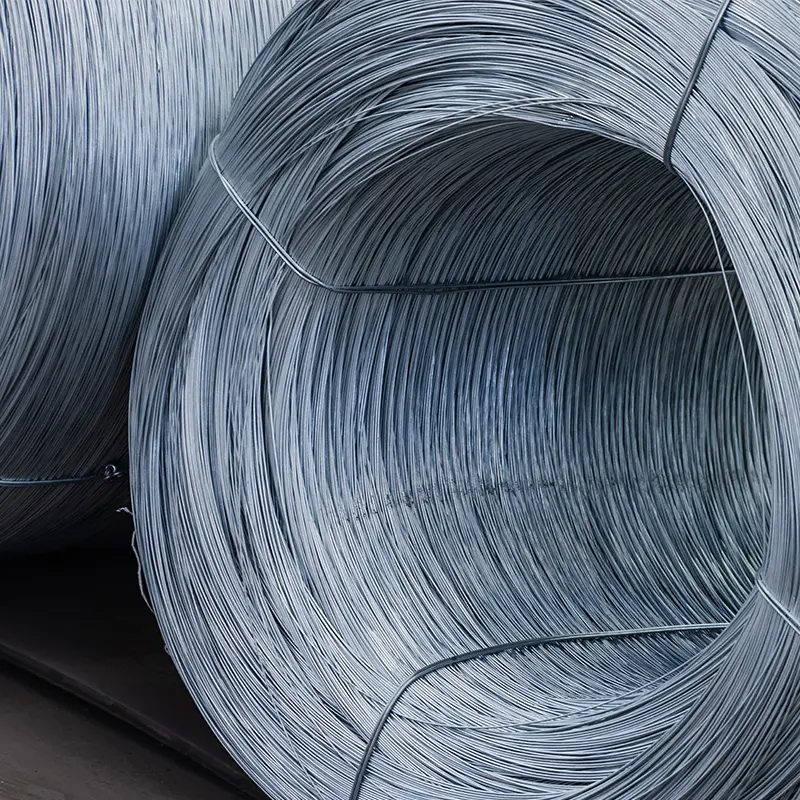
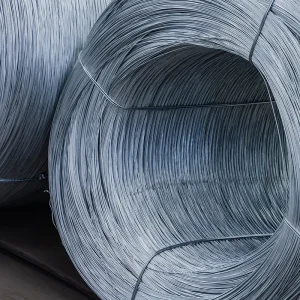
High corrosion-resistance wire engineered for structural reinforcement and electrical cabling shielding.
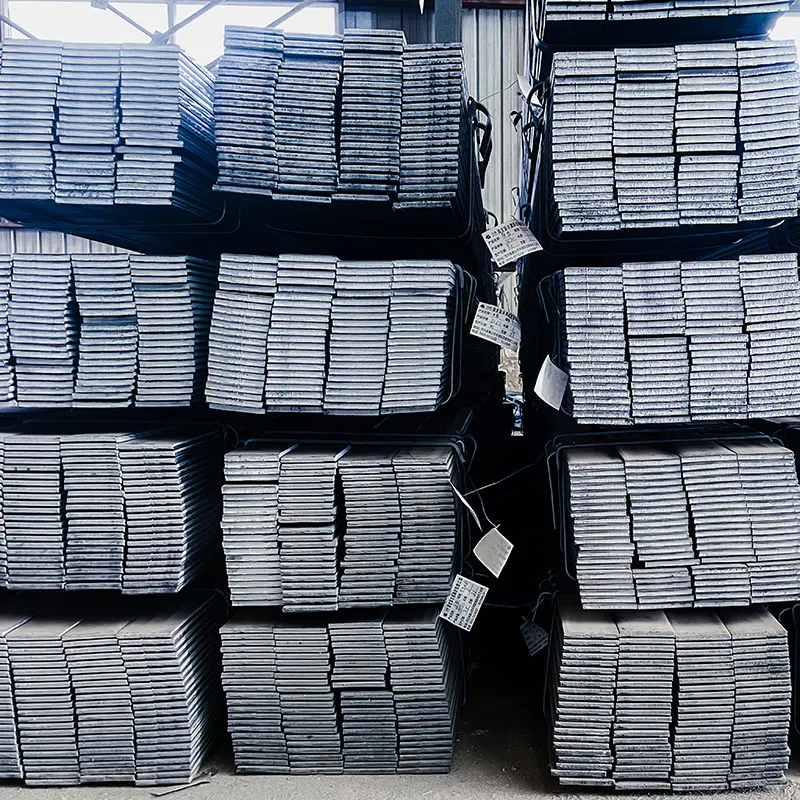
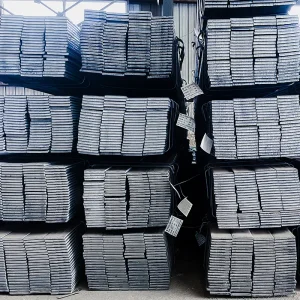
Precision cold-drawn and hot-rolled flat bars, suitable for grounding paths and core electrical bus bar brackets.
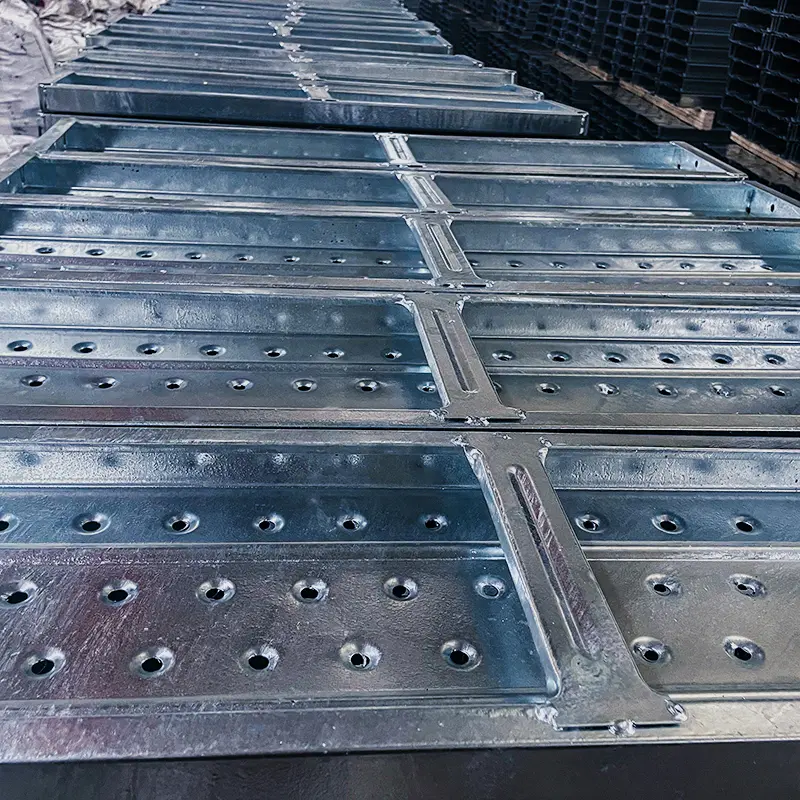
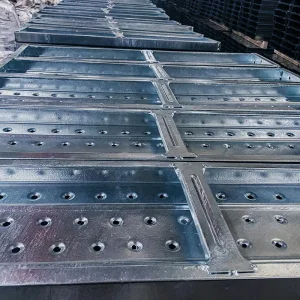
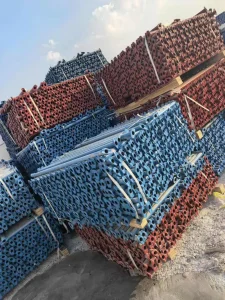
Heavy-duty structural planks designed for high-strength substation framing and staging platforms.
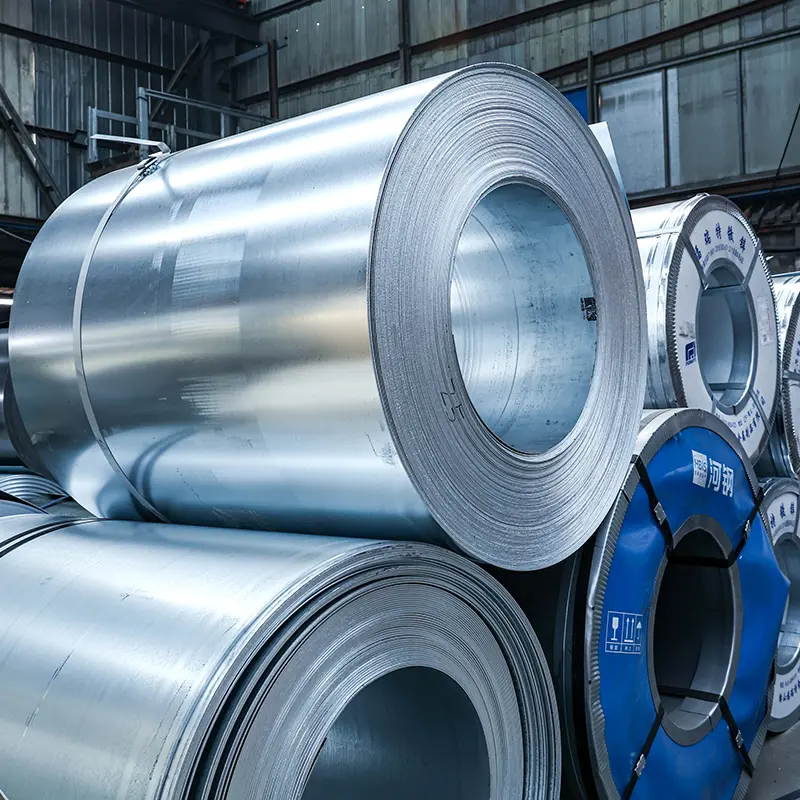
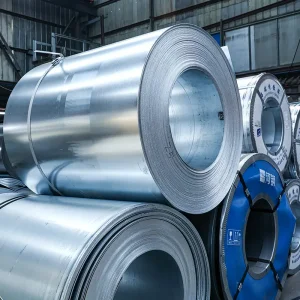
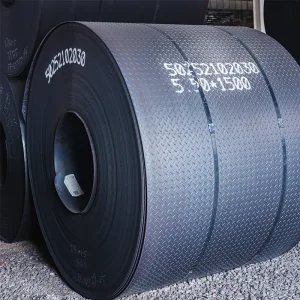
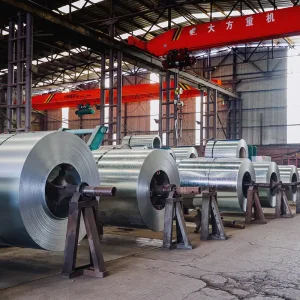
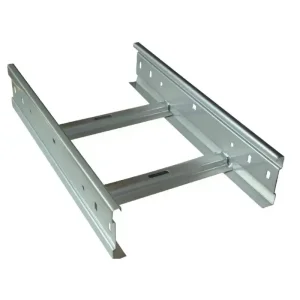
Hot-dip galvanized coils used in panelboard enclosures and heavy industrial cable trays.
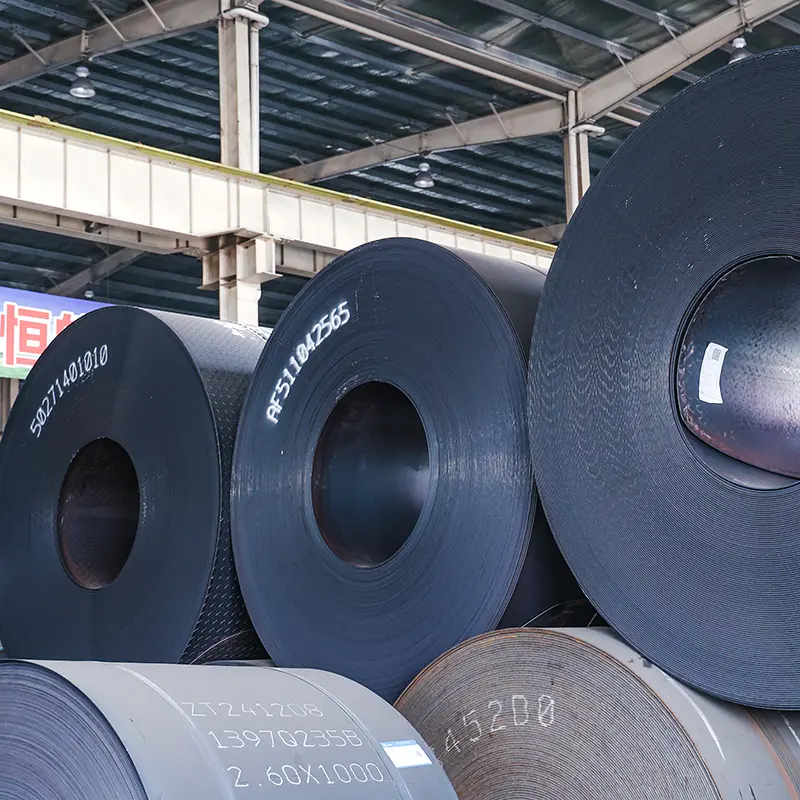
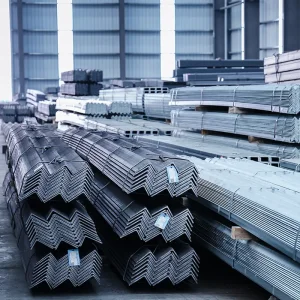
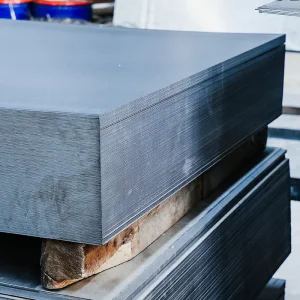
Hot-rolled structural plate, ideal for manufacturing heavy enclosures and structural frames for generators.
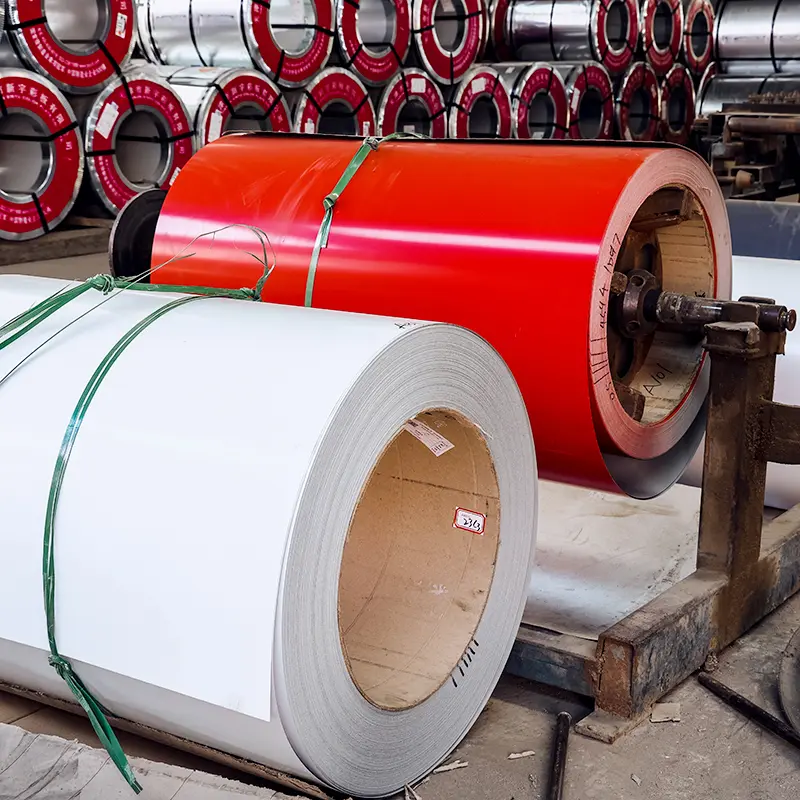
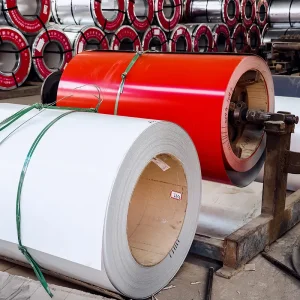
Prepainted galvanized and galvalume steel sheets, providing architectural grade corrosion protection.
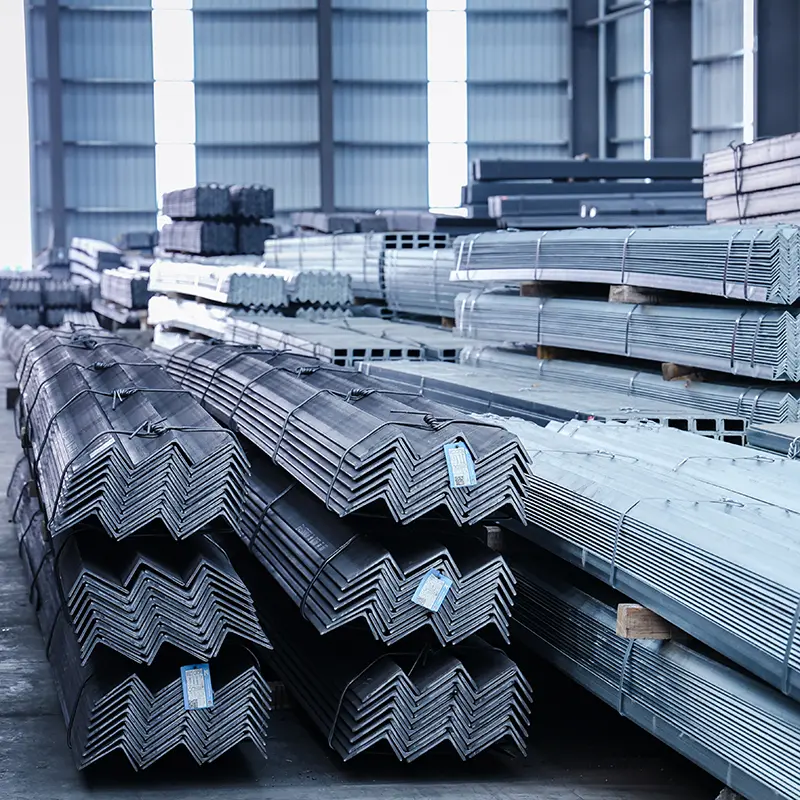
Conduits and tubing solutions for structural cable routing and utility line casing.
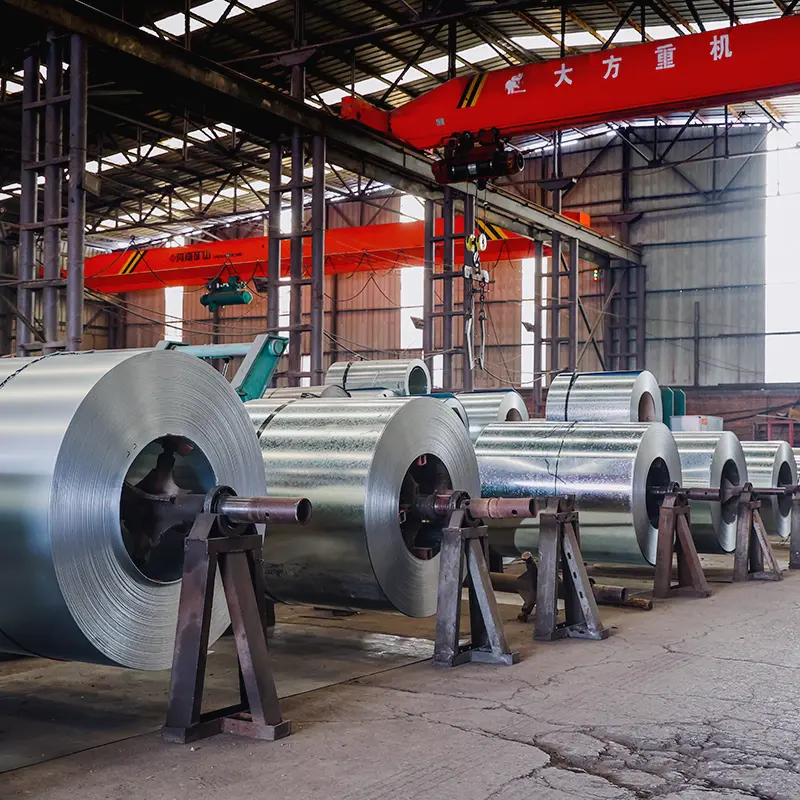
Zinc-Aluminum-Magnesium coated steel offering superior cut-edge self-healing protection in coastal environments.
We base our partnership value on trust, transparency, and high precision. Here is how our operational parameters ensure steady, reliable supply lines to key global construction and energy industries.
Rigorous pre-shipment testing for every batch. Certification standards include ISO9001:2000 and ISO14001, verifying structural properties and alignment with specifications.
We fabricate metal products matching international grades: ASTM, JIS, DIN, EN, AS/NZS. Ensuring components load safely in global systems.
Strict fulfillment of orders regarding lead times, volume targets, and transport specifications. A robust track record of customer satisfaction since 2006.
Hot bus bars are engineered components configured to withstand localized stresses and ambient conditions. Choosing the right configuration requires evaluating the localized application environment:
High computing density requires continuous power flow. Tin-plated copper hot bus bars are preferred to handle high-amperage cycles with low impedance, preventing local switchgear thermal build-up.
Utility-scale solar inverters and battery energy storage systems (BESS) require bi-directional current management. Busbars provide robust mechanical strength against repetitive cycling and thermal expansion.
Corrosive environments require busbars with specialized plating (e.g., thick nickel or heavy tin plating) alongside sturdy steel support frameworks to withstand chemical vapors and vibrations.
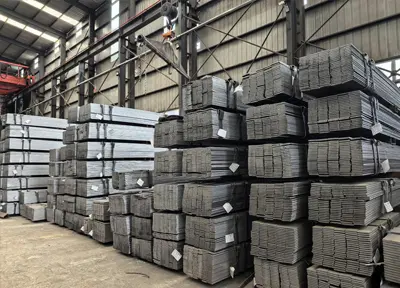
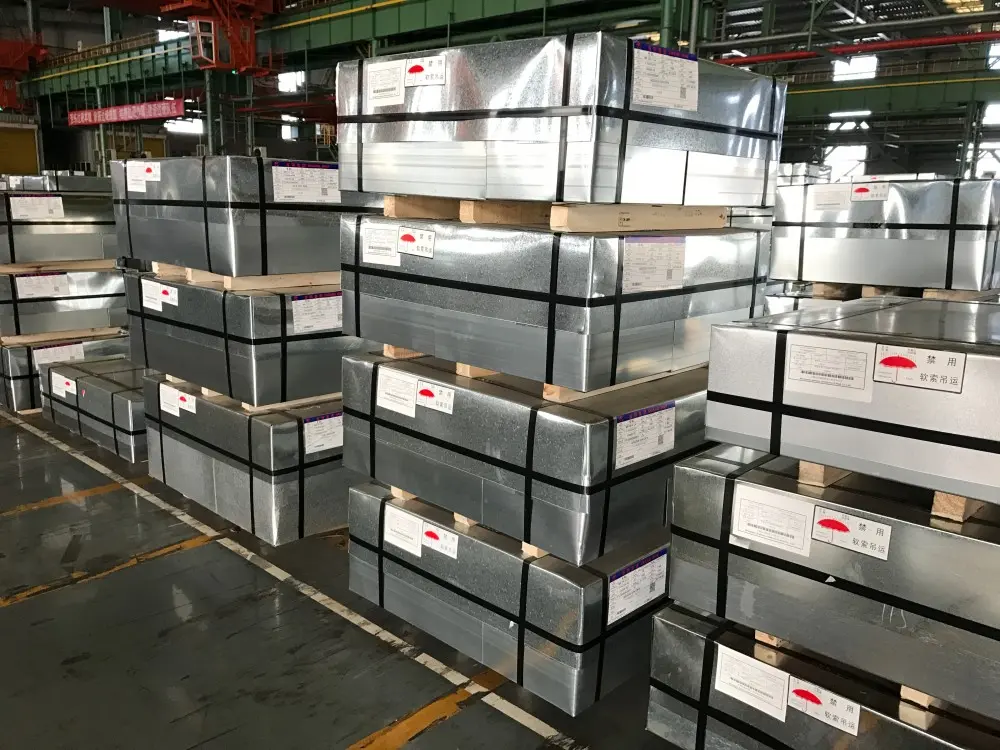
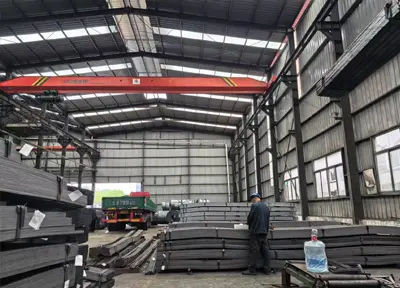
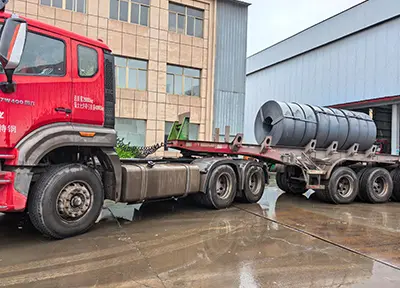
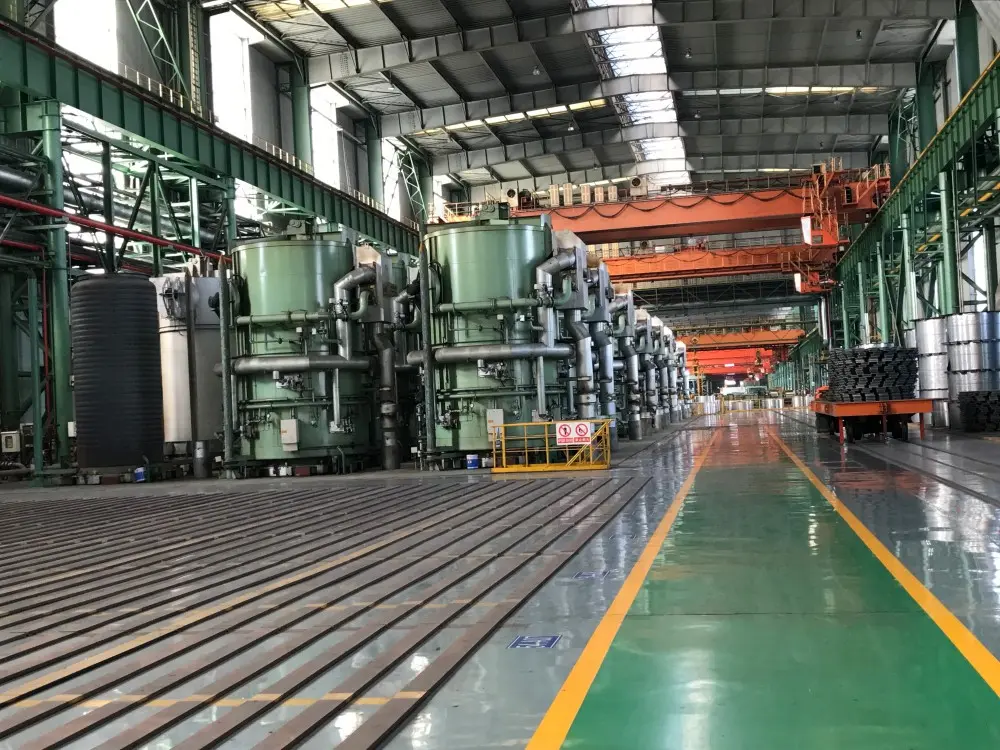
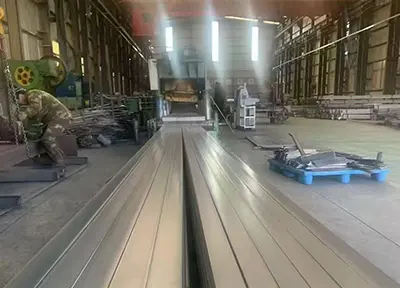
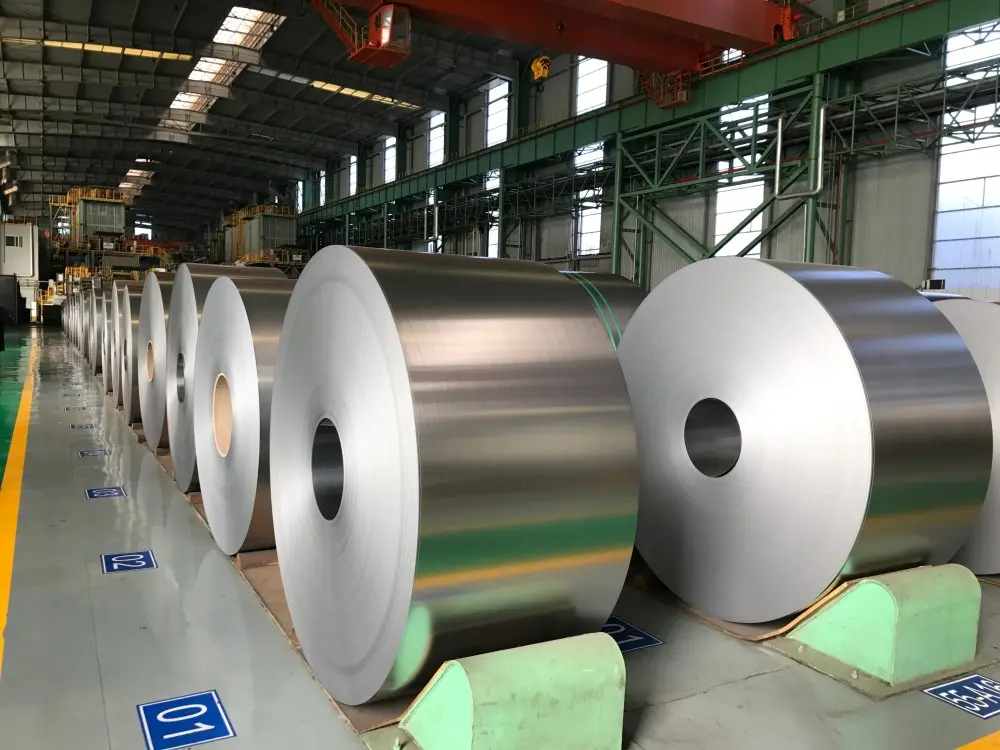
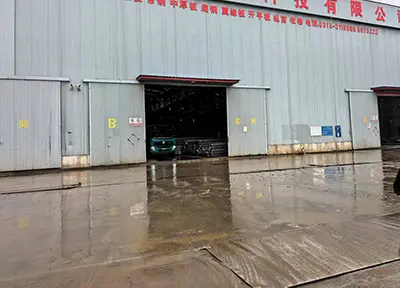
Through strategic partnerships with major domestic metallurgy networks, we ensure reliable, high-grade base materials for all customized metal formulations.


Our materials and structural metals are dispatched globally, supporting infrastructure projects in the Middle East, North America, East Asia, and Europe.
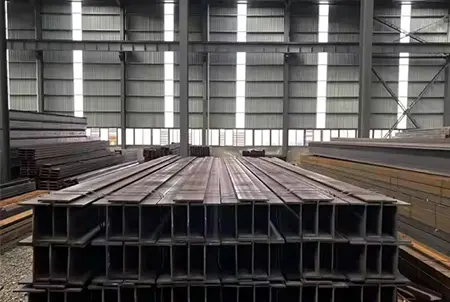
High-grade structural beams dispatched to major construction projects in the UAE.
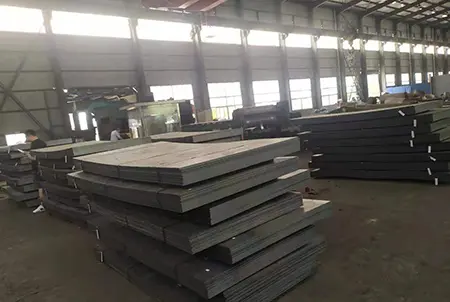
Heavy structural plates customized for oil & gas support facilities.
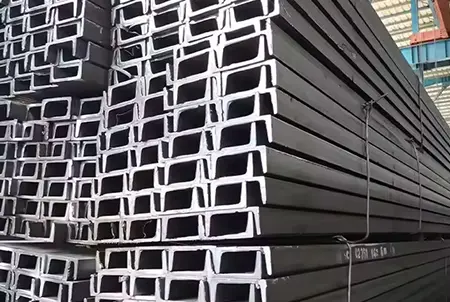
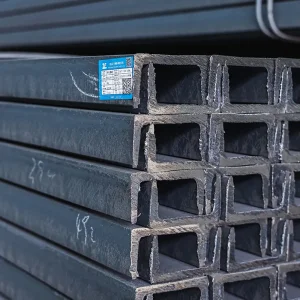
Precision structural channel sections built to Japanese Industrial Standards.
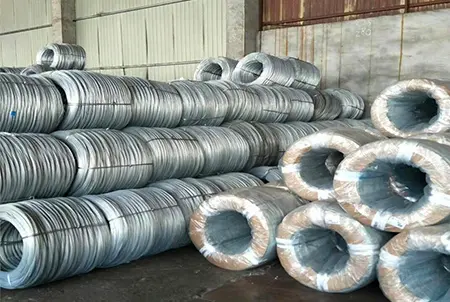
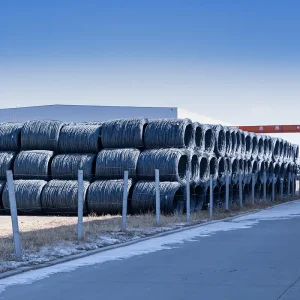
Galvanized wire shipments for civil engineering and coastal reinforcement grids.
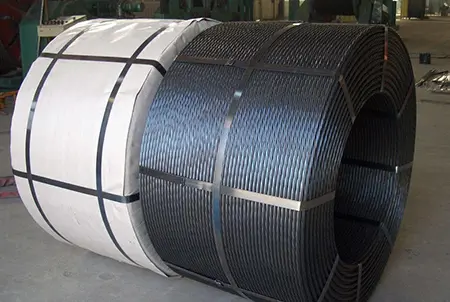
High-tensile prestressed concrete steel strands for bridge development projects.
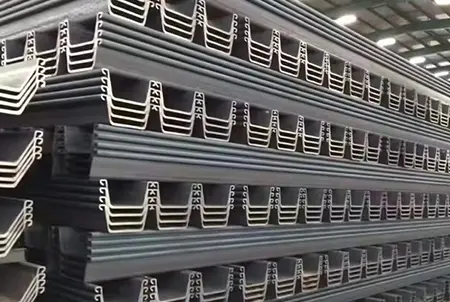
Heavy interlocking steel sheet piles for deep harbor excavation projects.
Review detailed technical and procurement information regarding the integration and specification of electrical panel hot bus bars.
An electrical panel hot bus bar is a rigid, highly conductive metal strip (typically made of premium copper or aluminum) housed inside service panels and switchboards. It acts as the central conductor that connects the incoming high-current source to branch circuit breakers, facilitating organized distribution of electricity with minimal voltage drop and heat generation.
Exposed copper reacts with atmospheric oxygen and humidity, forming copper oxide, which is highly resistive and generates heat. Electroplating the copper flat bar with a thin, uniform layer of tin provides a protective barrier. This prevents oxidation, maintains low contact resistance, and allows for safe bimetallic connections (copper-to-aluminum joints) without risking galvanic corrosion.
In alternating current (AC) distribution, high frequencies cause current to flow primarily along the outer surface of the conductor (the skin effect). For 50/60 Hz systems, the skin depth of copper is roughly 8.5 mm. Designers often utilize laminated or hollow-profile busbars or arrange multiple thinner parallel bars rather than one thick solid slab, maximizing surface area to optimize heat dissipation and material efficiency.
Hansheng Technology implements rigorous quality control procedures. All structural and conductive metal batches undergo chemical composition testing via spectrometry, tensile and elongation checks, dimensional tolerance checks, and corrosion resistance validation via salt spray chambers. This ensures consistent alignment with ASTM, DIN, and JIS parameters before export.
Located in Tangshan City, Hebei Province, our facility is 150 km from the Tianjin seaport and 150 km from Beijing. This central location offers direct access to container terminals, reducing transport times and local freight costs for international buyers.
 Hanshen