Direct supply of high-grade construction components with rigorous ISO implementation.
Scaffolding infrastructure serves as the fundamental mechanical support framework for complex civil engineering, marine architecture, and modern structural construction. The choice of raw materials defines the safety ceiling, durability, and cost efficiency of scaffolding systems. Low carbon steel (typically ranging from 0.15% to 0.25% carbon content, such as Q235, S235JR, or ASTM A36) has emerged as the global industry benchmark for temporary and permanent load-bearing frameworks. The metallurgical profile of low carbon steel guarantees high ductility, superior weldability, and dynamic structural toughness, which are imperative parameters for minimizing failure risks on job sites.
By leveraging advanced continuous casting and thermal-mechanical rolling processes, Hansheng Technology ensures that the microstructure of our steel scaffolding tubes maintains a uniform fine-grain ferrite-pearlite matrix. This precise microstructure provides consistent tensile values and limits the risk of hydrogen embrittlement or micro-crack propagation during high-load cold-bending and deep welding cycles.
A rigorous breakdown of production processes and corrosion protection technologies engineered for demanding operational sites.
Our production utilizes Electric Resistance Welding (ERW) coupled with real-time high-frequency induction heating. This eliminates internal welding bead defects and yields seam strengths equivalent to the parent structural steel, guaranteeing uniform load-bearing capacities under axial and radial stresses.
For operations facing high-humidity and marine environments, scaffolding tubes undergo automated hot-dip galvanizing conforming to EN ISO 1461. This forms a zinc coating layer of >85 microns, offering sacrificial cathodic protection and chemical insulation from structural degradation.
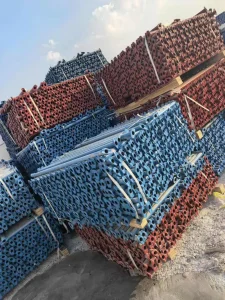
Ensuring dimensional accuracy is critical for system components like Ringlock, Cuplock, and traditional tube and coupler systems. Every batch of scaffolding components goes through laser-guided dimensional analysis to prevent site assembly issues due to warped tubes or misaligned ledger plugs.
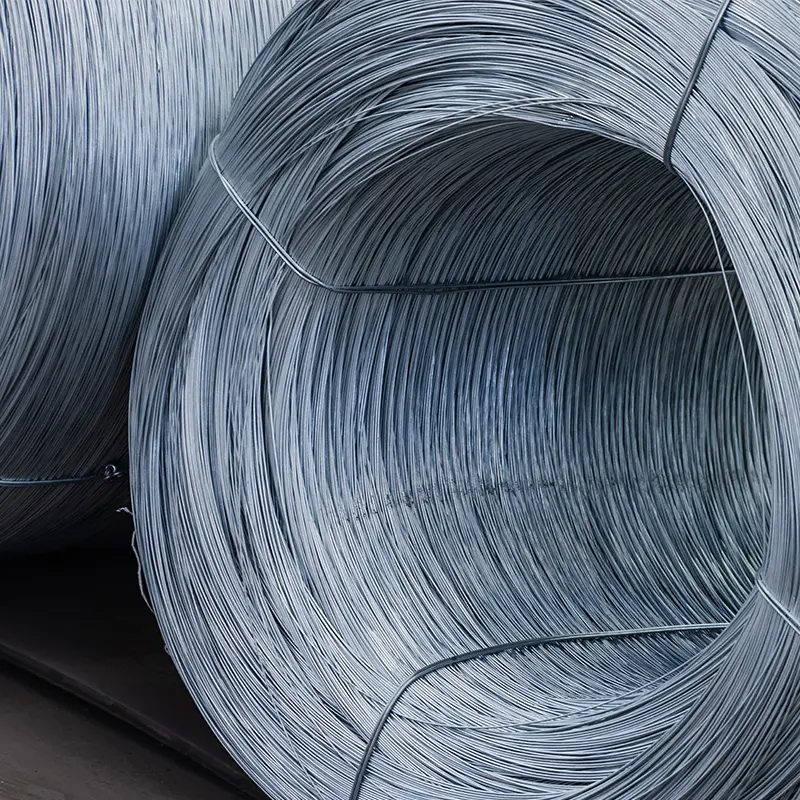
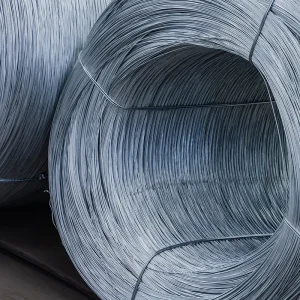
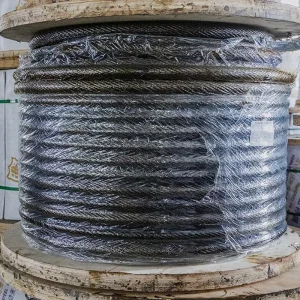
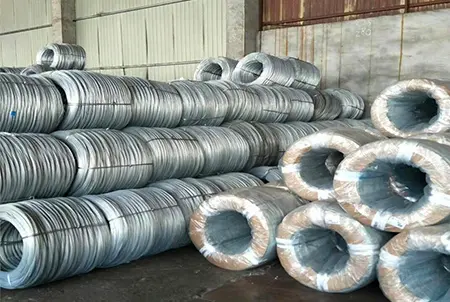
GI Wire
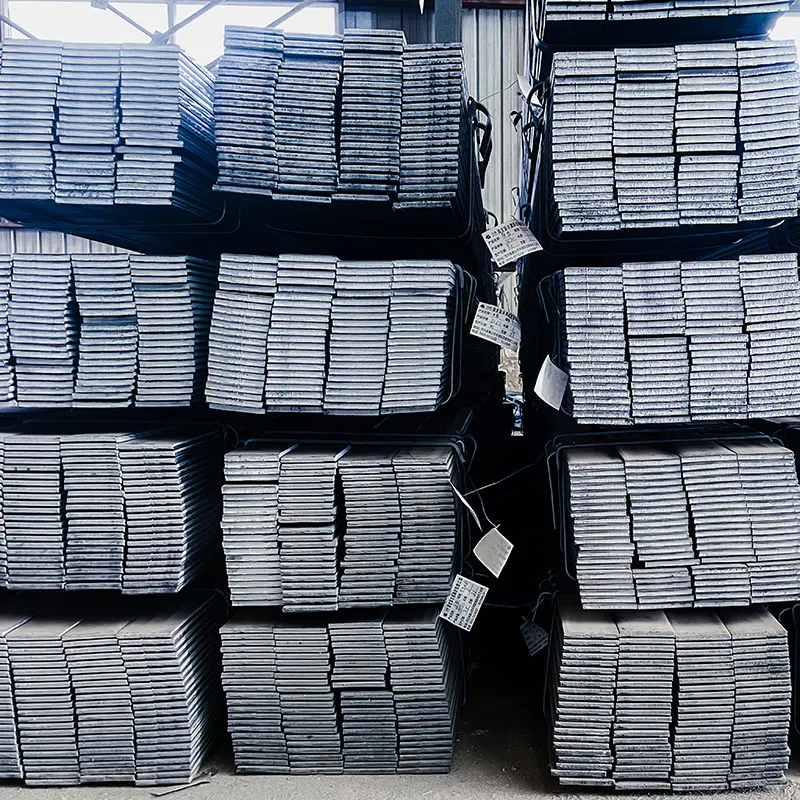
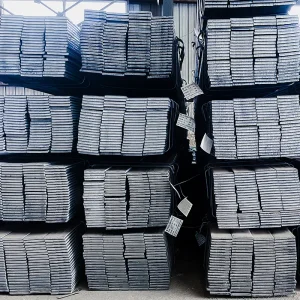
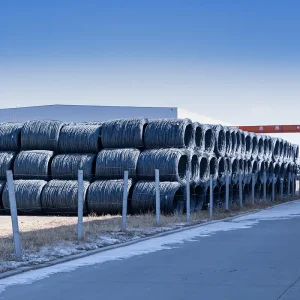
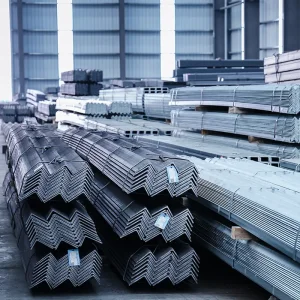
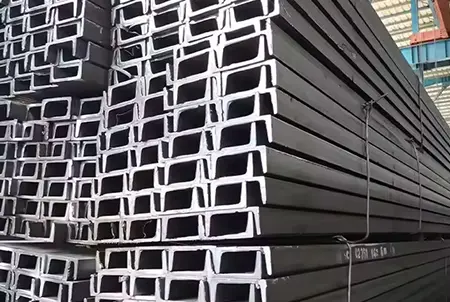
Flat Bar
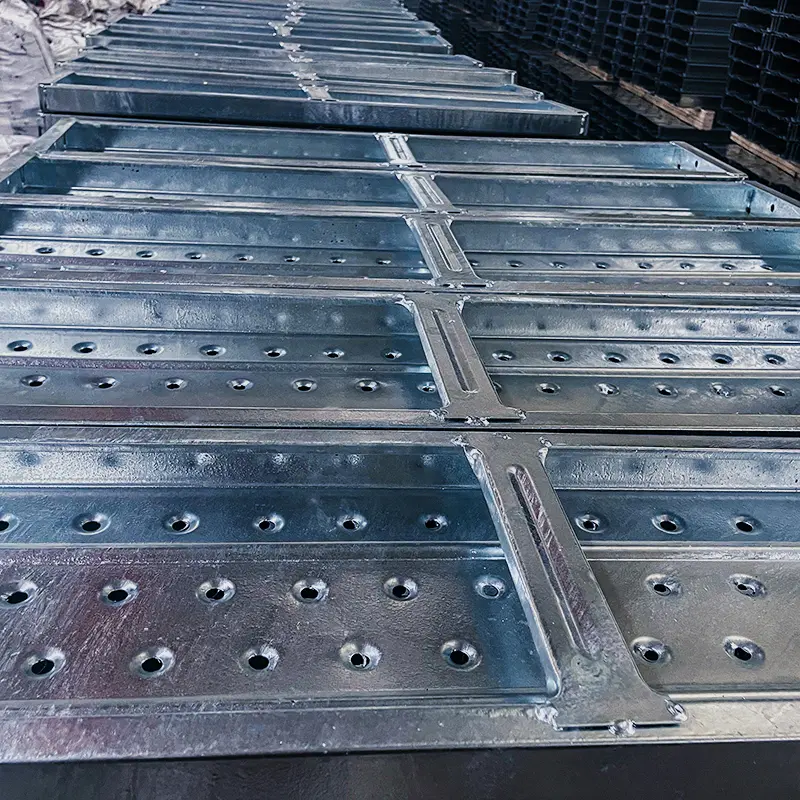
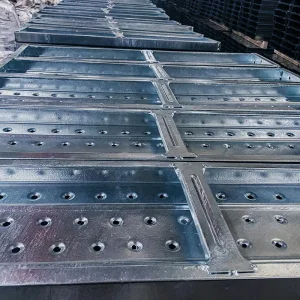
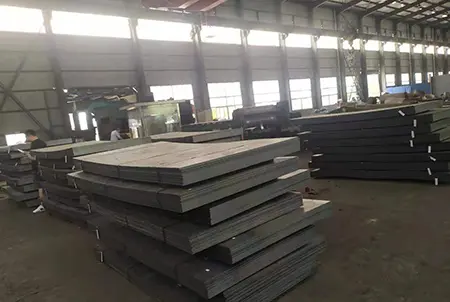
Steel Plank
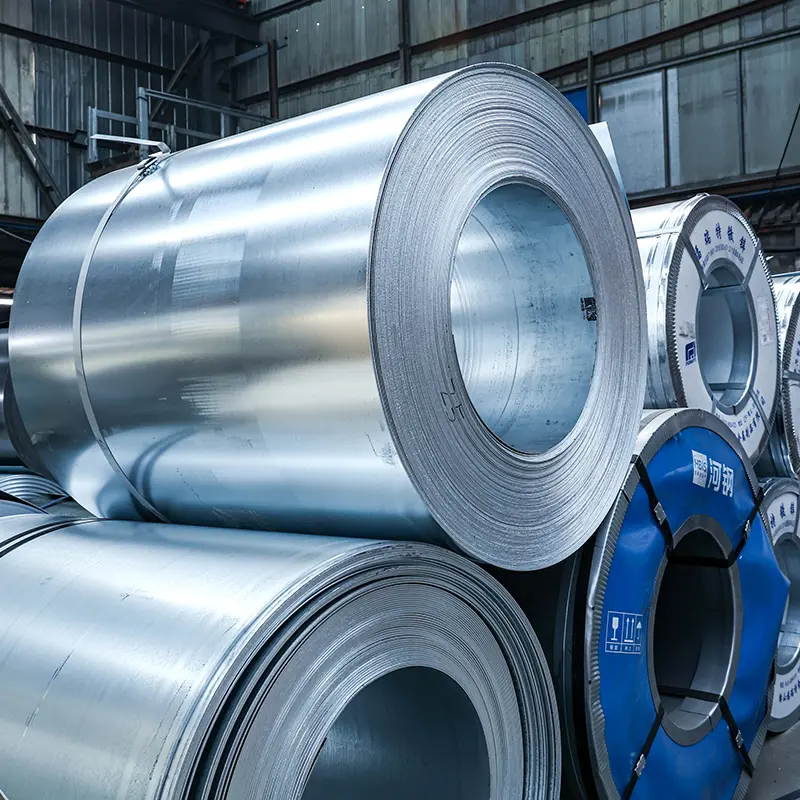
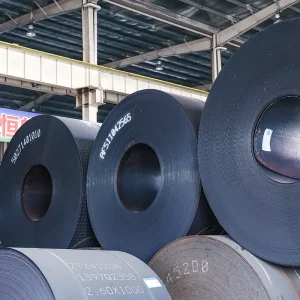
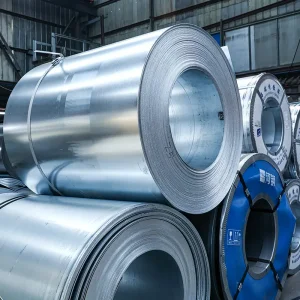
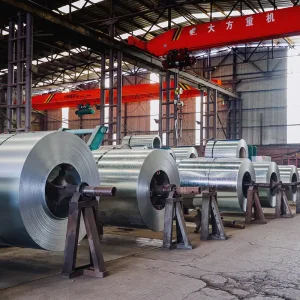
GI Coil
Tangshan City, Hebei Province is globally recognized as the epicenter of industrial steel production. Hansheng Technology (Hebei) Co., Ltd. capitalizes on this industrial density, which guarantees constant access to raw iron ore, coke, and primary steel slabs. Our localized supply ecosystem protects against raw material price shocks and logistical delays, offering international buyers a stable pricing structure and consistent delivery schedules.
We source raw low-carbon hot rolled strips directly from cooperative local state-owned mills, drastically reducing processing transit emissions, stabilizing baseline quality, and ensuring that raw chemical contents meet target ranges for scaffolding safety.
Our factory lies 150 km from Beijing and 150 km from the Port of Tianjin. Direct accessibility to major port lanes reduces container haulage timelines and local port clearance delays, speeding up transshipment to global industrial sites.
Operating 8 modern automated production lines with a total annual production capacity reaching 650,000 metric tons guarantees that bulk procurement projects for national scale construction are fulfilled within agreed timelines.
Aligning structural scaffolding systems with international testing protocols and national safety codes.
Engineering scaffolding for European markets demands absolute conformity to BS EN 12811-1 (Temporary Works Equipment Standards). This outlines strict guidelines for structural load modeling, wind deflective parameters, side protection limits, and load classification limits (Classes 1 to 6) which Hansheng low carbon steel scaffolding systems fully meet.
For projects across North America, compliance with OSHA 1926.451 (Subpart L - Scaffolding) and ANSI A10.8 is vital. Our scaffolding products undergo extensive stress verification to guarantee a 4:1 safety factor ratio, keeping workforces safe during high-elevation installations.
Australian and New Zealand mining, commercial, and residential projects demand AS/NZS 1576 compliant system components. We test all structural elements—including ledgers, transoms, standards, and couplers—under external laboratories to certify load deflection and structural margins.
Low carbon steel scaffolding undergoes varied environmental stresses based on localized installation. Our systems are engineered to withstand these unique environmental conditions:
Scaffolding deployed on offshore platforms, coastal infrastructure, or marine drydocks faces continuous chloride-induced corrosion. We address this challenge using premium Hot-Dip Galvanized (HDG) coating with optimized zinc alloy phases, forming an oxide layer that resists rust and extends system life for over a decade in coastal marine settings.
In earthquake-prone regions or high-elevation constructions, static structures face dynamic, cyclical stresses. The natural ductility of low carbon steel (Q235 / Q345) helps prevent catastrophic failures by absorbing and distributing energy, while custom structural engineering analysis optimizes node rigidity to ensure stability.
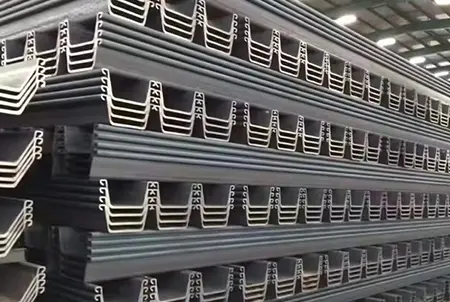
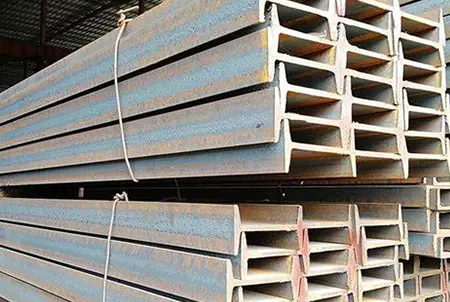
A look at the specific steel configurations manufactured at Hansheng facilities.
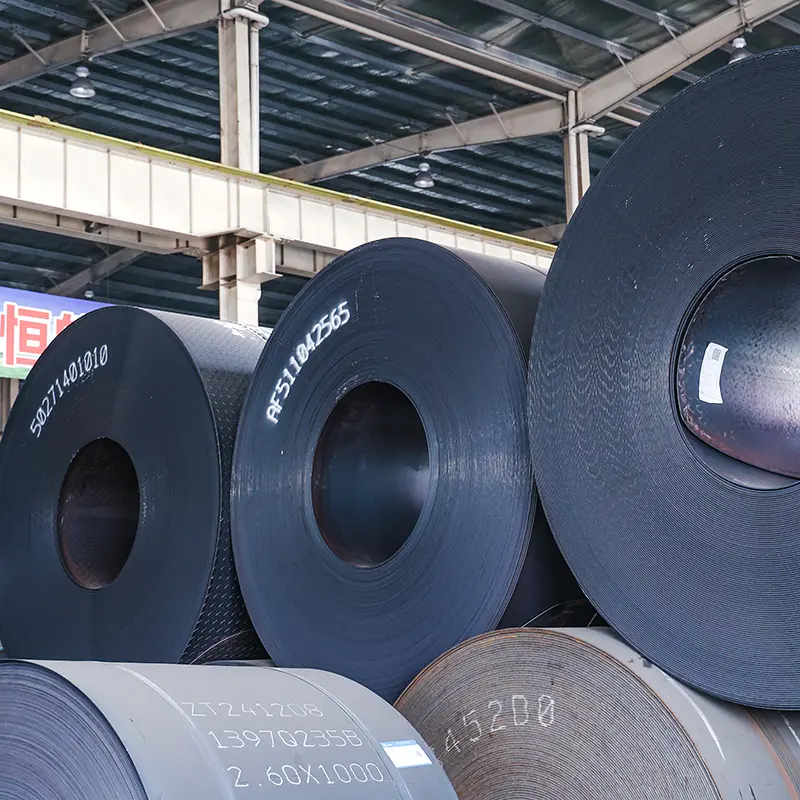
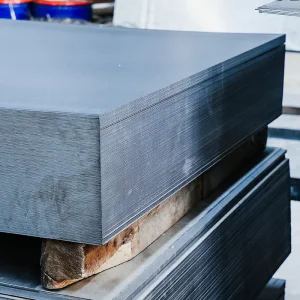
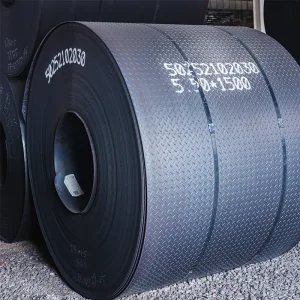
HR coil/sheet/plate
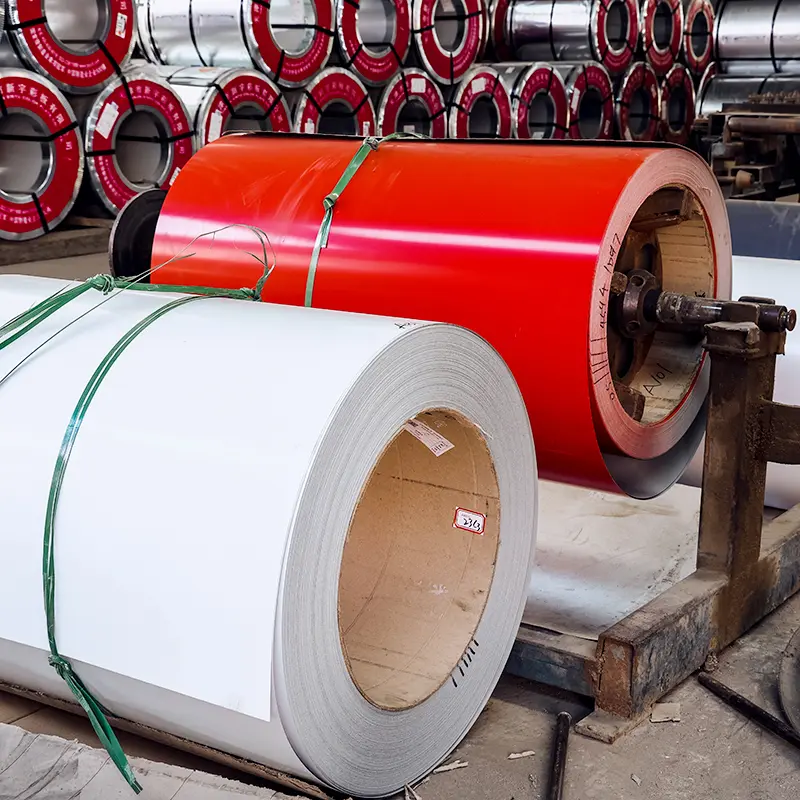
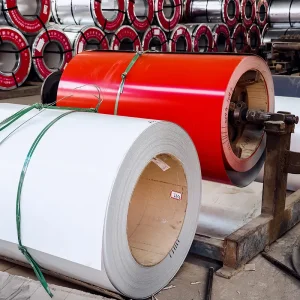
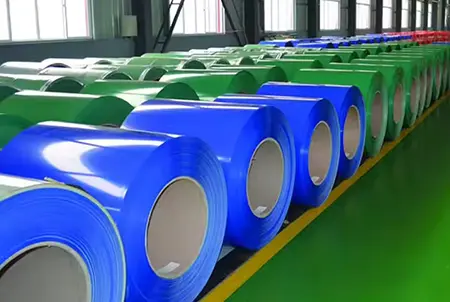
PPGI/PPGL
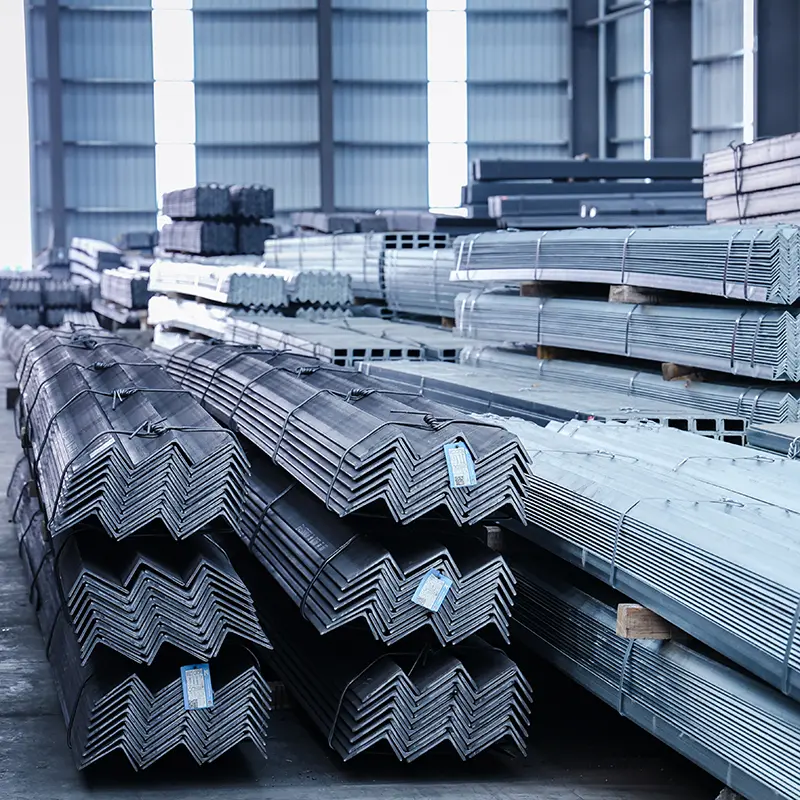
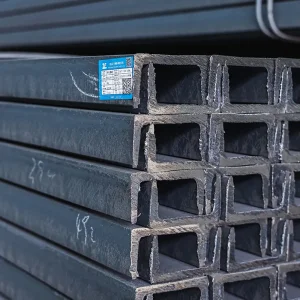
Tube/Pipe
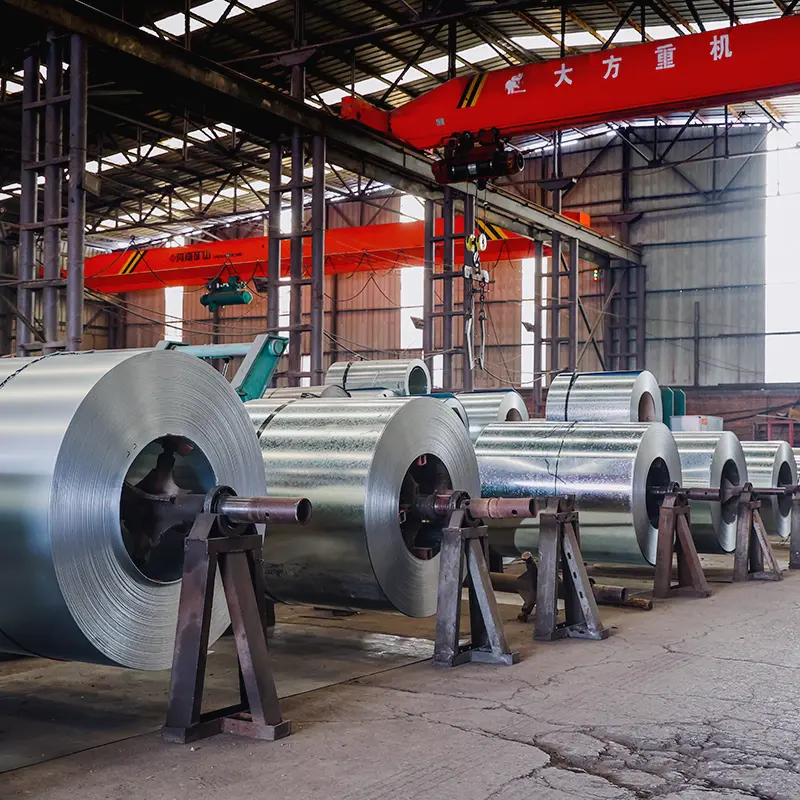
ZAM Coil
The values that drive Hansheng Technology to maintain global export standards.
Honoring contracts and keeping promises with buyers worldwide since 2006.
Constantly optimizing product dimensions and metallurgical properties.
Implementing ISO 9001 and ISO 14001 certification frameworks.
Developing products to meet GB, JIS, ASTM, DIN, EN, and AS/NZS codes.
Direct pre-shipment inspections and fast transit logistics options.
Working alongside major domestic industrial steel manufacturers to secure premium raw materials.
Highlighting our structural components used in international and domestic construction projects.
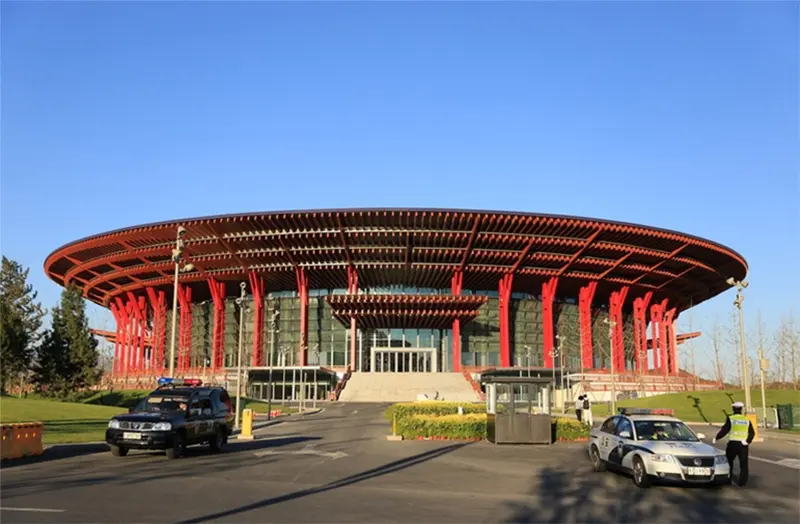
Supplied precision structural framing elements to support heavy-load ceiling profiles for this signature conference venue.
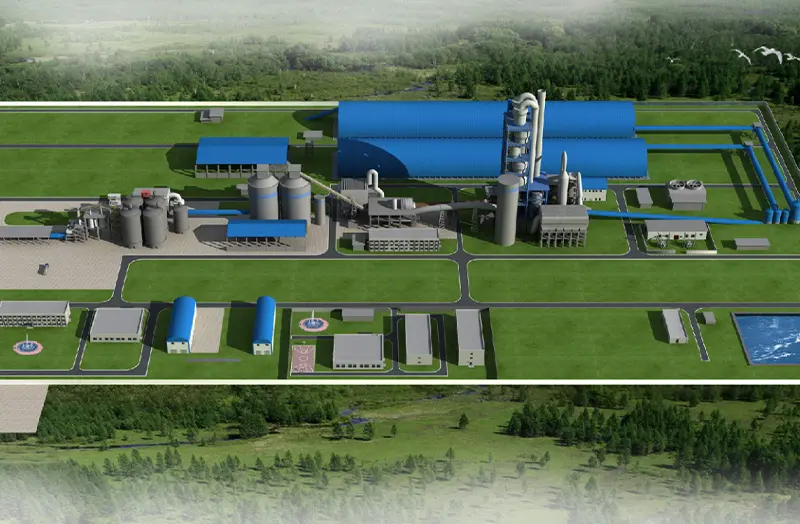
Supplied high-durability hot-dip galvanized scaffolding structures for South Africa's cement kiln complex, ensuring performance in high-temperature environments.
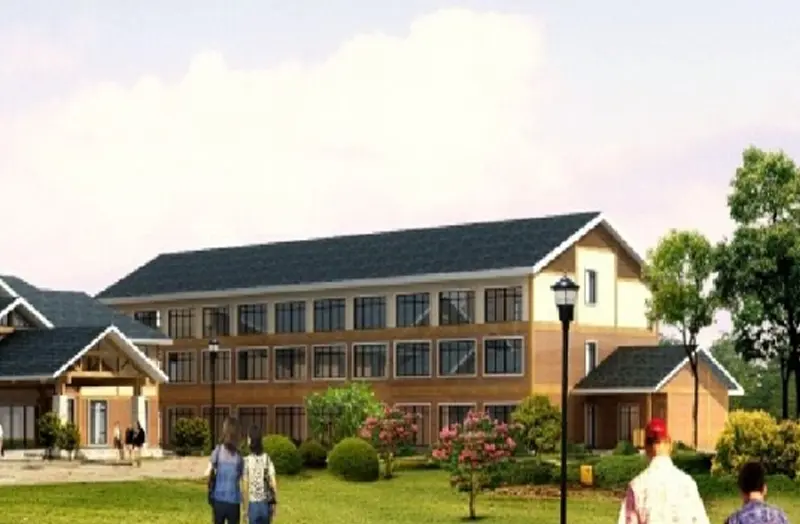
Provided corrosion-resistant structural sections and custom sub-frame components designed for high-latitude, snowy conditions.
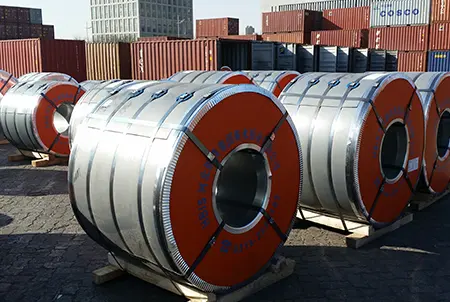
Visual records of our custom orders prepared and dispatched to project sites worldwide.
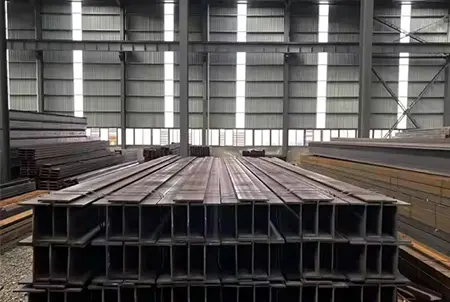
Detailed metallurgical and logistical questions answered by Hansheng Technology's engineering and QA departments.
Supplying global projects with reliable steel profiles and custom-coated components.
 Hanshen