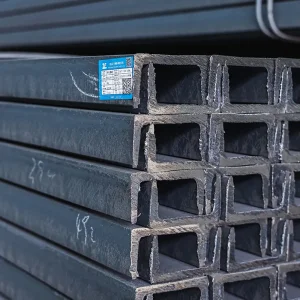
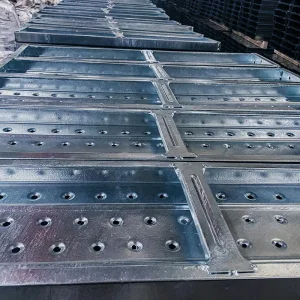
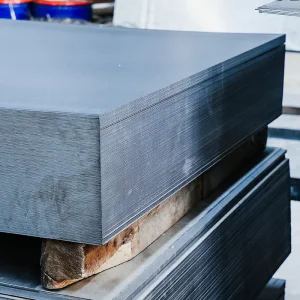
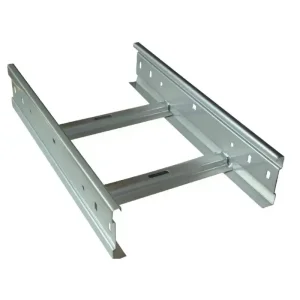
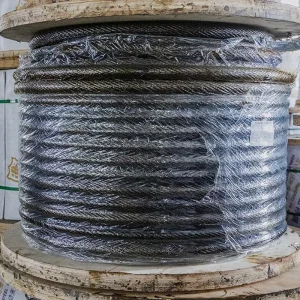
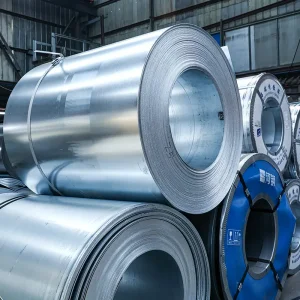
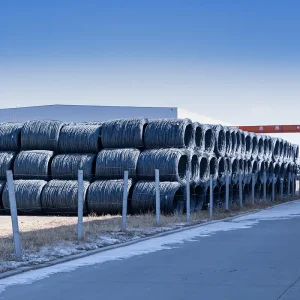
Top-performing structural raw materials and scaffolding components certified for heavy industrial and commercial application.
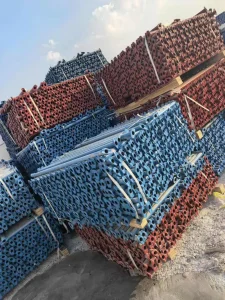
In modern structural engineering and construction operations, scaffolding couplers—often referred to as scaffold clamps or connectors—are critical structural fasteners. These components serve as the mechanical joints that connect scaffolding tubes (standards, ledgers, transoms, and braces), providing the tensile, shear, and compressive structural strength required to maintain the stability of load-bearing platforms.
The global industrial scaffolding coupler market is closely tied to infrastructure development, heavy industrial maintenance, energy production facilities, and marine engineering projects. As safety guidelines like OSHA 1926.451 in North America and EN 74-1 in the European Union become more strictly enforced, engineering firms and wholesale buyers are moving away from substandard components. They now require fully certified, drop-forged carbon steel and high-durability cast iron couplers that can withstand harsh environments.
Whether utilized in offshore oil rigs, high-temperature petrochemical refining setups, or modern skyscrapers, scaffolding couplers must deliver high slip resistance and torque values. Selecting the right manufacturer is not just a commercial procurement decision, but a vital step in ensuring structural safety on the job site.
Understanding the engineering processes, material characteristics, and load thresholds that separate industrial couplers.
Manufacturing: Heated carbon steel blocks are formed under extreme pressure between high-tonnage precision dies. This process aligns the internal grain structure of the steel with the shape of the coupler.
Key Metrics: Exceptional yield strength, high deformation resistance, and heavy slip loads. These couplers are ideal for demanding structural requirements, high-rise scaffolds, and heavy support falsework.
Standards Met: EN 74-1 Class B (Highest slip, pull-apart, and rotational torque limits).
Manufacturing: Cold-rolled structural carbon steel sheets are punched, stamped, and formed using automated mechanical presses. This method offers high dimensional consistency and cost-efficient production.
Key Metrics: Lightweight and cost-effective, pressed steel couplers are ideal for light to medium-duty applications. They provide reliable performance under standard loads and are easier to transport and handle.
Standards Met: EN 74-1 Class A (Suitable for lighter structural designs and daily masonry activities).
Electro-Galvanized (Zinc Plating): Provides a smooth, bright aesthetic finish and sufficient indoor/standard outdoor protection.
Hot-Dip Galvanized (HDG): Creates a thick, metallurgically bonded zinc-iron alloy layer. This layer is highly resistant to coastal salt spray, moisture, and chemical exposure, maximizing service life.
ZAM Coatings: Zinc-Aluminum-Magnesium alloy coatings provide self-healing properties on cut edges, delivering advanced protection in corrosive environments.
| Coupler Type | Common Application | Tensile Force Limit | Slip Resistance Target | Tightening Torque | Preferred Materials & Finishes |
|---|---|---|---|---|---|
| Right Angle (Double) Coupler | Joining standard vertical tubes to ledgers at 90-degree intersections | 9.1 kN to 15.0 kN | ≥ 7.0 kN | 54 Nm | S235JR / Drop Forged / HDG Finish |
| Swivel Coupler | Connecting bracing elements at any angle to secure structural stiffness | 9.1 kN to 11.0 kN | ≥ 5.5 kN | 54 Nm | High-Strength Pressed Steel / Zinc Plated |
| Sleeve (Joint) Coupler | End-to-end alignment and connection of structural tubes externally | Load dependent (non-shear) | Shear capacity verified | 50 Nm | Pressed Steel / Electro-Galvanized |
| Board Retaining Clamp | Securing scaffolding wooden or steel planks to the underlying transoms | N/A (Non load-bearing) | Friction fit secure | 40 Nm | Q235 Carbon Steel Sheet / Pressed |
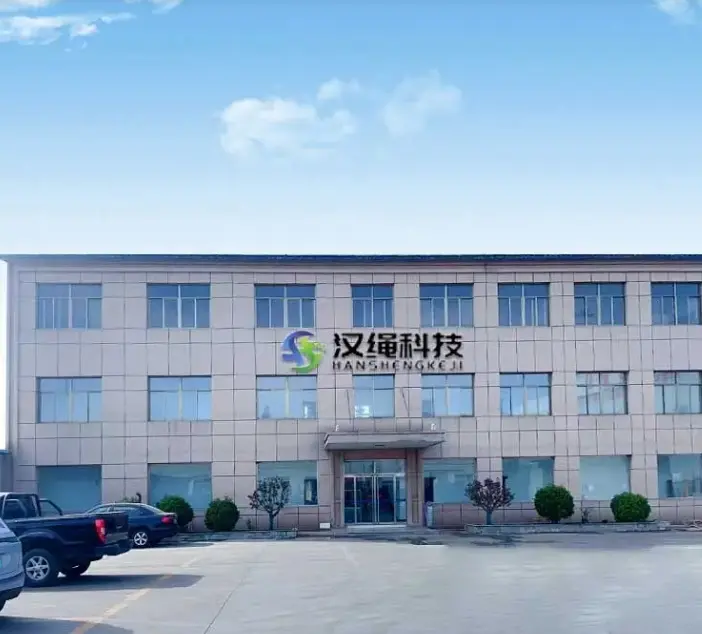
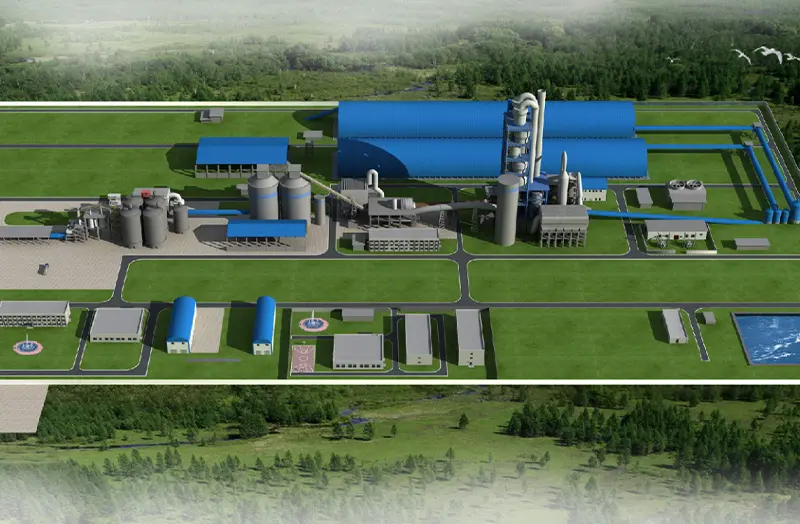
Hansheng Technology (Hebei) Co., Ltd. is strategically situated in Tangshan City, Hebei Province—the heart of China’s steel industry. With a prime location just 150 kilometers from the Tianjin seaport and 150 kilometers from the capital, Beijing, we benefit from an exceptional logistics network that ensures efficient global shipping.
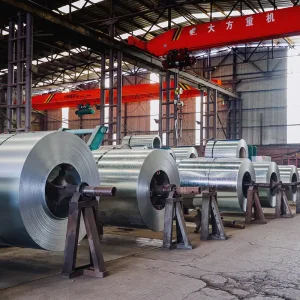
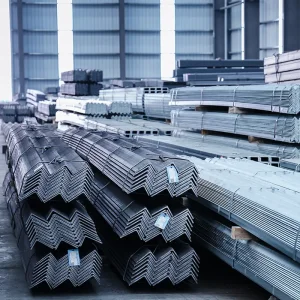
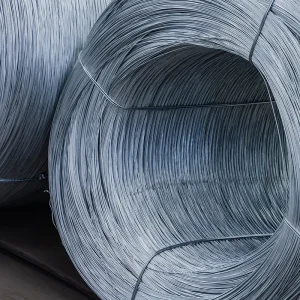
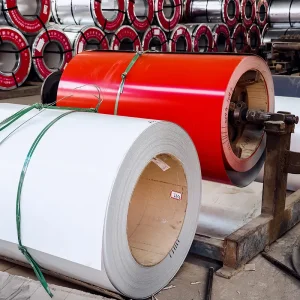
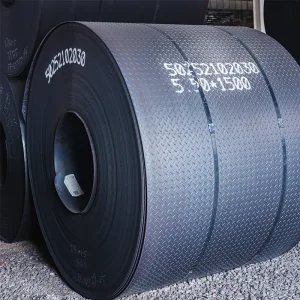
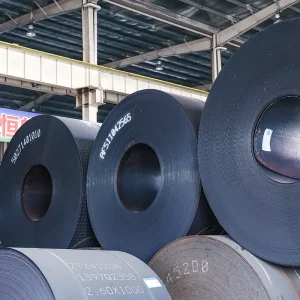
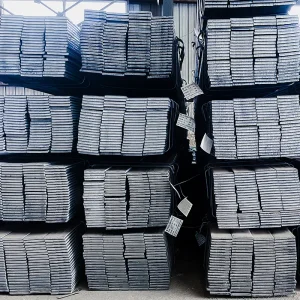
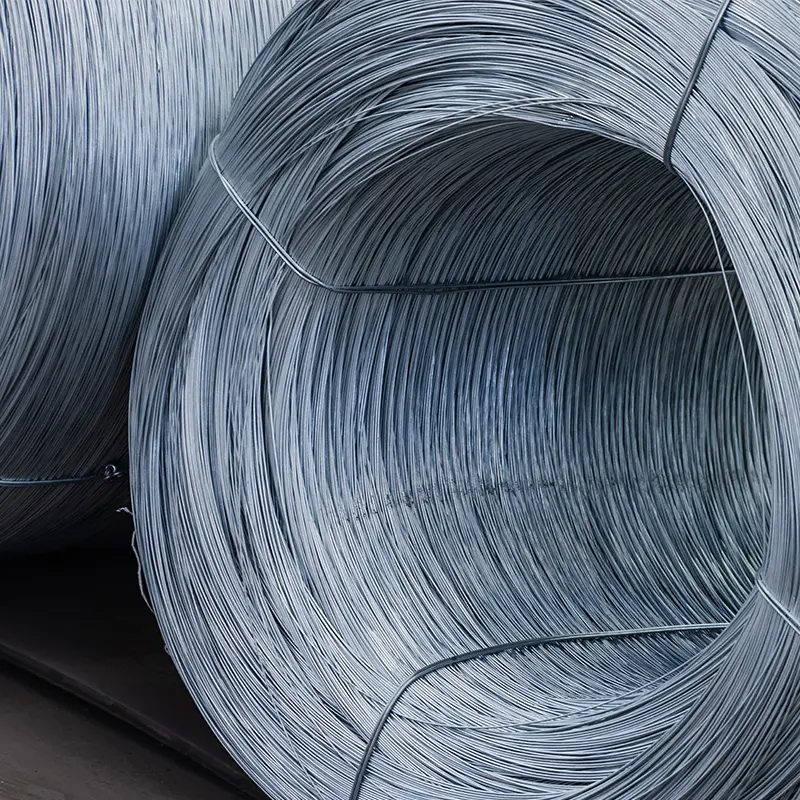
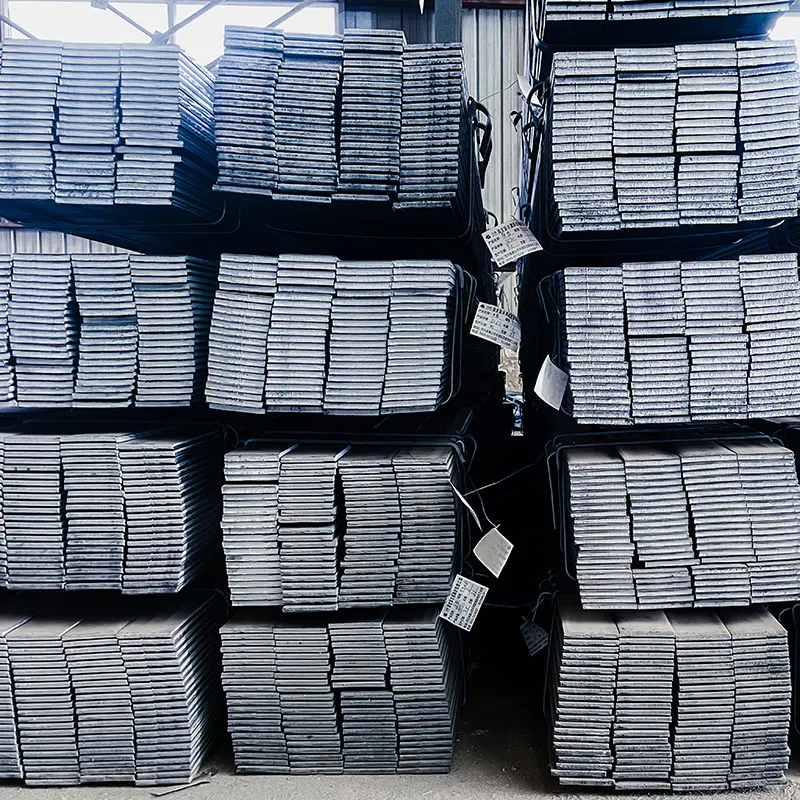
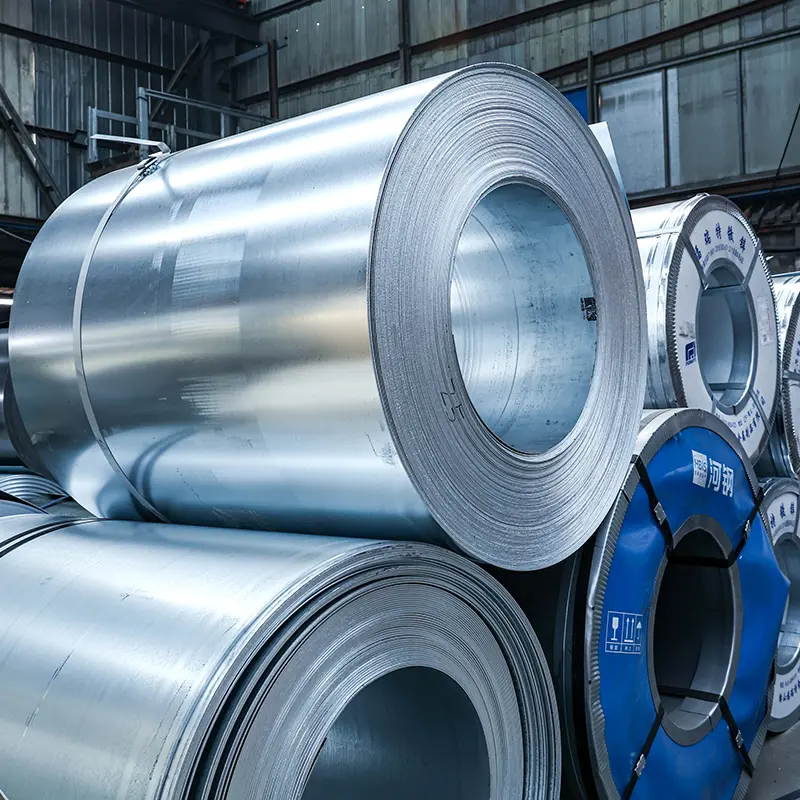
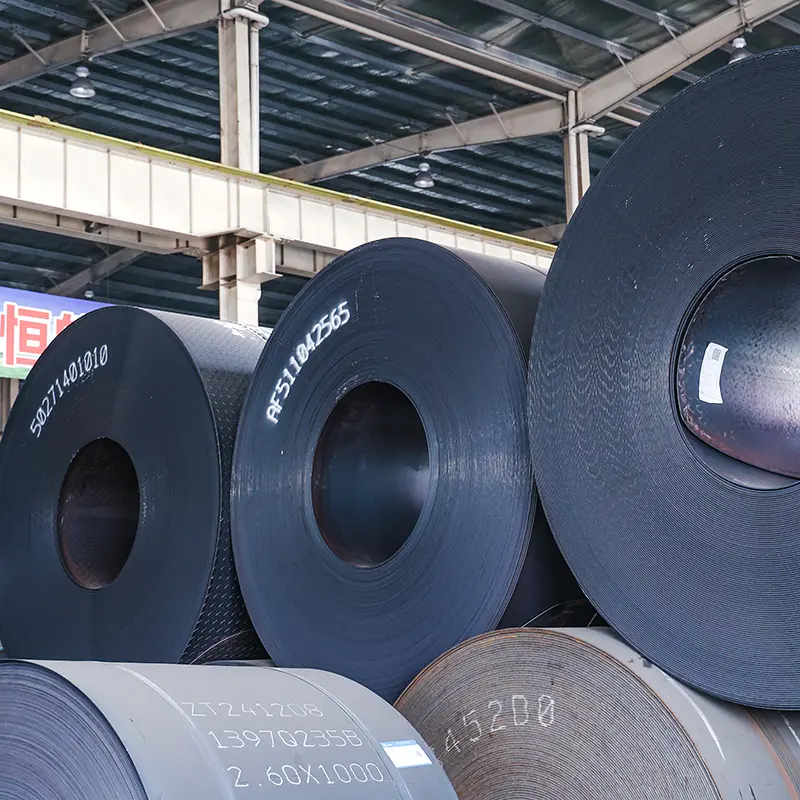
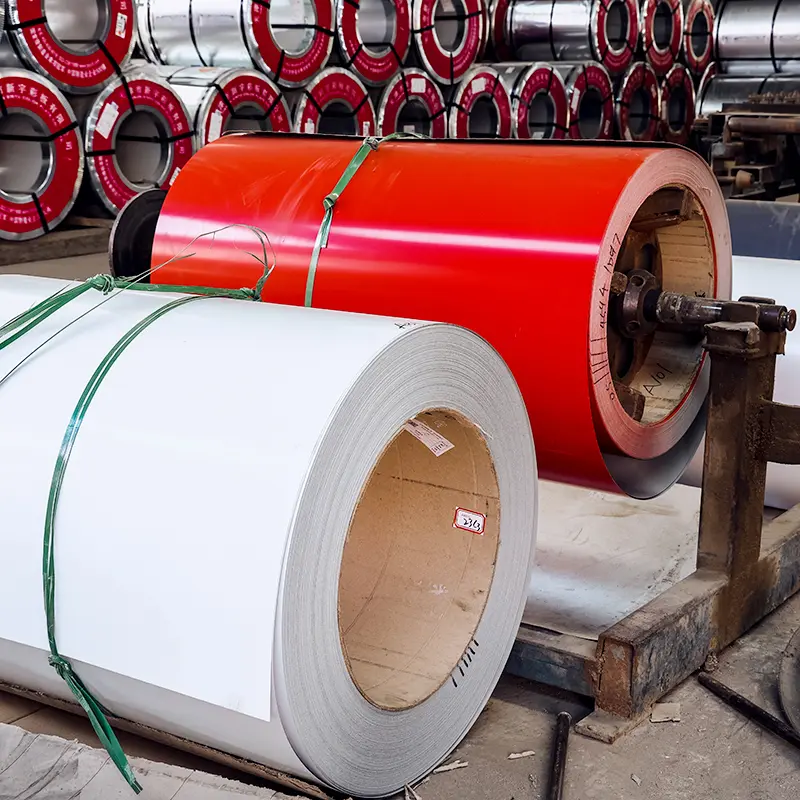
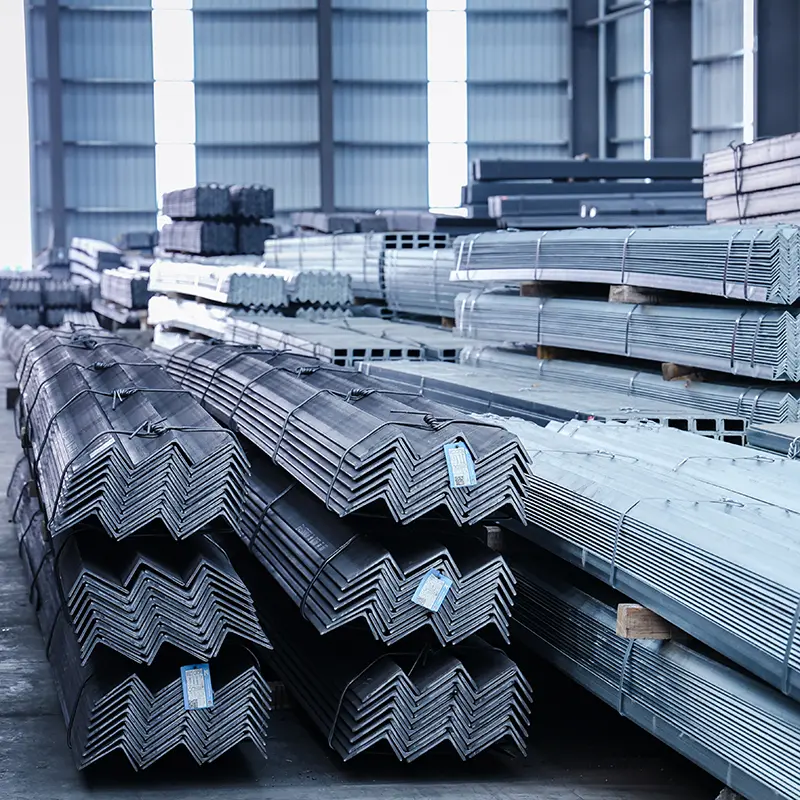
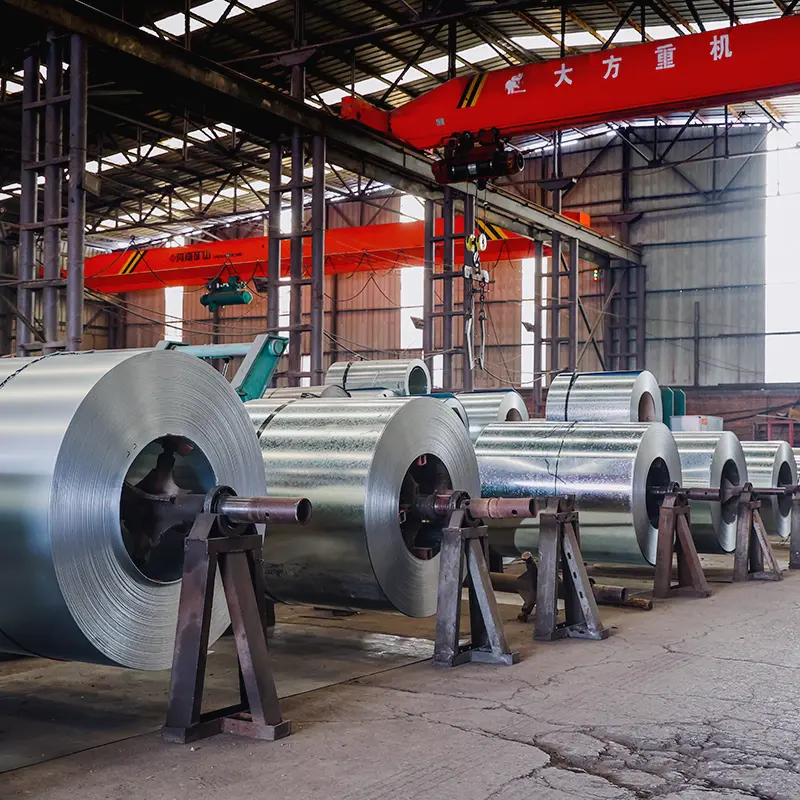
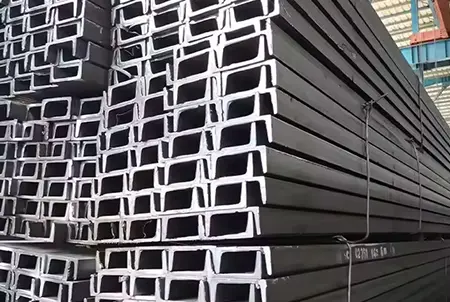
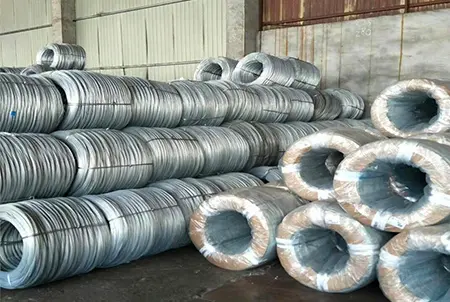
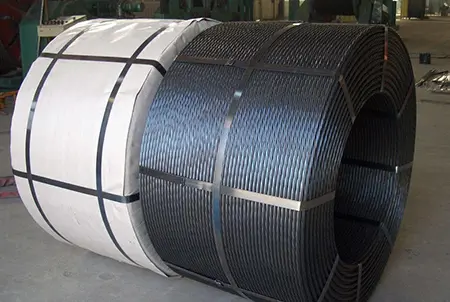
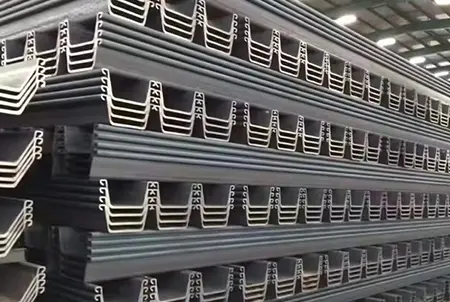
Since our inception in 2006, we have evolved into a comprehensive, export-oriented enterprise specializing in the manufacturing of premium-quality steel products. We operate 8 high-efficiency production lines with a total annual production capacity of 300,000 metric tons. Our extensive product portfolio includes Galvanized Steel Wire, Hot/Cold Rolled Steel Coils and Sheets, GI/PPGI, GL/PPGL, and various Section Steels, all meticulously manufactured to adhere to rigorous international standards such as GB, JIS, ASTM, DIN, EN, and AS/NZS.
Driven by a commitment to supply chain excellence, competitive pricing, and professional service, our products have earned unanimous recognition across markets in the Middle East, Southeast Asia, North Asia, Africa, the Americas, and Europe. We operate under the firm philosophy of "honoring contracts and keeping promises." We view our clients not just as customers, but as valued friends, and we pride ourselves on our impeccable track record of contract fulfillment. We believe that a strong, transparent bond between our company and our clients is the ultimate cornerstone of our enduring success.
Established in 2006, we have nearly two decades of deep industry experience, providing us with the stability and expertise to navigate complex global markets.
With 8 state-of-the-art production lines, we maintain a robust annual output of 300,000 metric tons, ensuring we can meet the high-volume demands of our partners reliably and on time.
Our facility is perfectly positioned just 150 kilometers from both the major logistics hub of Tianjin seaport and the capital city of Beijing, granting us speed and efficiency in distribution.
How engineering requirements dictate scaffolding coupler selection across different international industries.
In offshore operations, high humidity and salt spray accelerate rust. For these environments, drop-forged couplers with heavy Hot-Dip Galvanizing (HDG) or Zinc-Aluminum-Magnesium coatings are the industry standard. These coatings resist salt-induced corrosion and prevent joint binding under harsh marine conditions.
Maintenance turnarounds in refineries require scaffolding to be erected quickly near hot piping and heavy structures. Because failure in these zones can be catastrophic, engineers specify couplers with certified slip and shear limits under standard load testing (EN 74-1 Class B) to maintain structural integrity.
Civil infrastructure projects like bridges, overpasses, and high-rise commercial structures require scaffolding that can support wet concrete and heavy structural elements. Here, Right-Angle Double Couplers and Swivel Couplers are used to build temporary support towers. These towers are engineered to handle high vertical and diagonal loads with tight torque limits.
Our Mission: Focusing on prime building materials to create a better life for human beings.
Our Vision: To continue serving as a trusted leader in the building materials and structural steel industries.
19+ years exporting experience; ISO9001-2000 & ISO14001 certification; Professional QC systems with pre-shipment inspections; Convenient transport near Bohai Bay and Tianjin port; International standard compliance (ASTM, JIS, DIN, EN, GB).
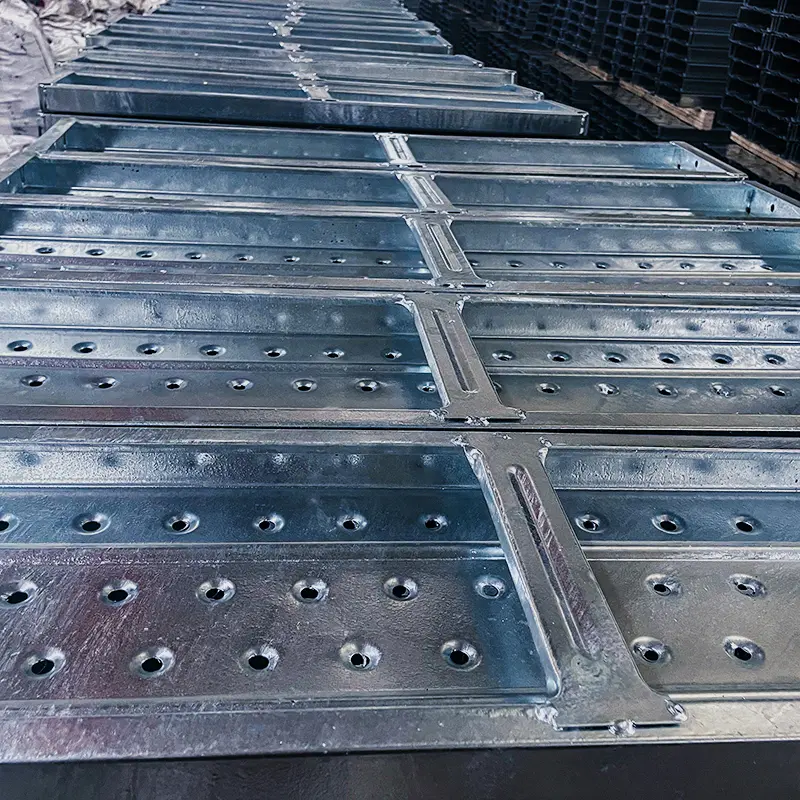
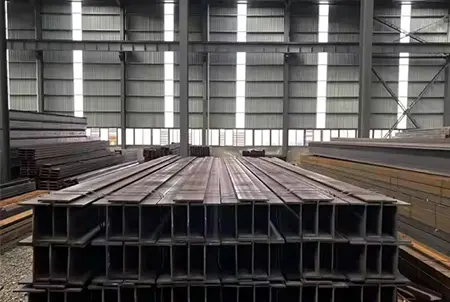
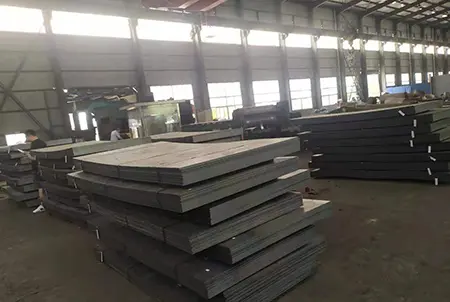
High-quality raw materials and structural steel profiles manufactured in our advanced facilities.
Proven track records in industrial supply chains across critical infrastructure globally.




Essential knowledge for procurement engineers, QA inspectors, and project managers.
These are the primary international design standards for scaffolding fittings. EN 74-1 divides couplers into Class A and Class B. Class B couplers require higher slip resistance, pull-apart resistance, and structural stiffness to handle heavier loads.
The structural performance of a scaffolding coupler depends heavily on its bolts and nuts. Industrial couplers use high-tensile T-bolts (typically Class 8.8 structural steel) and flange nuts. The thread pitch must resist strip-out when tightened to standard torques of 54 Nm.
Safety rules require regular testing of production batches. This includes testing the slip limit under a hydraulic press, applying pull-apart force to check for deformation, and measuring torque thresholds to prevent over-tightening failures.
Answers to technical questions about scaffolding couplers, material standards, and logistics optimization.
Quality materials manufactured to international standards and delivered globally.
 Hanshen