Hansheng Technology's High-Tensile Steel, Coils, and Rigging Components Engineered for Demanding Heavy Industry Applications
In the rapidly evolving landscape of warehousing and materials handling, logistics infrastructure demands materials that satisfy both extreme load-bearing structural integrity and long-term environmental endurance. Traditional hot-dip galvanized (GI) and post-galvanized structural steels are increasingly falling short in heavy-duty automated storage and retrieval systems (ASRS) and specialized cold-chain logistics applications. The emergence of Zinc-Aluminum-Magnesium (ZAM) Coils represents a paradigm shift in metallurgical coating technology, combining zinc’s galvanic protection with the robust barrier properties of aluminum and the self-healing dynamic chemistry of magnesium.
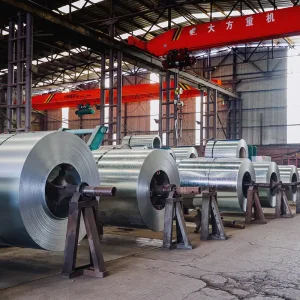
Hansheng Technology (Hebei) Co., Ltd., as an industry leader headquartered in China’s steel center of Tangshan, Hebei, has invested heavily in the research, development, and high-volume manufacture of top-tier ZAM coils specifically tailored for structural rack framing. By operating 8 high-performance production lines with a total annual production capacity reaching up to 650,000 metric tons, we provide global markets with structural-grade ZAM steel that satisfies stringent engineering criteria (including GB, JIS, ASTM, DIN, EN, and AS/NZS). This document outlines the technological composition, industrial trends, supply metrics, and commercial justifications for selecting ZAM alloys over conventional galvanized solutions.
Conventional hot-dip galvanizing utilizes a pure zinc bath, which provides standard sacrificial protection. However, when exposed to mechanical operations such as punching, rolling, cutting, and shaping—standard steps in storage rack manufacturing—the exposed steel core on cut edges becomes susceptible to atmospheric oxygen and humidity, initiating localized red rust propagation.
ZAM coil coatings are synthesized with a precise alloy matrix consisting of Zinc (Zn), Aluminum (Al), and Magnesium (Mg). Typically, the chemical composition features 1% to 11% Al and 1.5% to 3% Mg, with the balance being Zn. The inclusion of magnesium initiates a crucial metallurgical process: upon environmental exposure, a highly stable, tightly adhering protective layer named Simonkolleite [Zn5(OH)8Cl2·H2O] forms on the exposed shear edges, welds, and surface scratches.
This crystalline Simonkolleite film acts as an impervious physical barrier, blocking environmental chloride ions, oxygen, and moisture from coming into direct contact with the underlying carbon steel base. The "self-healing" attribute ensures that the cut edges of racking uprights, beams, and diagonal braces remain protected throughout their entire operational life, eliminating the necessity for costly post-fabrication hot-dip zinc dipping or spray-applied touch-ups.
The Zn-Al-Mg eutectic phase produces an ultra-dense grain structure that reduces coating abrasion loss during high-stress roll forming.
Magnesium ions migrate dynamically to sheared edges, forming an active chemical barrier that blocks corrosion at raw steel margins.
Provides 5 to 10 times the corrosion protection of standard hot-dip galvanized steel under identical coating weights.
To illustrate the performance gap, manufacturers must review quantitative metrics from accelerated salt spray testing (ASTM B117) and real-world outdoor exposure evaluations. The table below presents a comparative analysis of the primary structural sheeting products used in industrial rack fabrication.
| Property / Performance Criterion | Standard Hot-Dip Galvanized (GI) | Galvalume Steel (GL) | Zinc-Aluminum-Magnesium (ZAM) |
|---|---|---|---|
| Coating Formulation | 99% + Zinc (Zn) | 55% Al, 43.4% Zn, 1.6% Si | Zn + 1.5-11% Al + 1.5-3% Mg |
| Edge Corrosion Protection | Poor (Requires secondary coating coating) | Very Low (Prone to edge creeping rust) | Excellent (Active self-healing effect) |
| Formability & Die Wear | Fair (Zinc flaking, high friction) | Hard (Rigid coating, causes tool wear) | Excellent (Low coefficient, micro-lubricated) |
| Salt Spray Life (ASTM B117) | Approx. 120-250 hours (to red rust) | Approx. 600-800 hours | 1,500 - 2,500+ hours (highly stable) |
| Alkaline & Ammonia Resistance | Low resistance | Poor (Highly sensitive to high pH) | High (Ideal for agricultural & cold warehouses) |
| Cost-Efficiency (Lifecycle) | High initial processing, frequent maintenance | Moderate initial, limited structural uses | Lowest total cost (Maintenance-free, long-lived) |
Modern logistics operations are transitioning rapidly toward automation and vertical density. The global push for land-use optimization has led to the design of High-Bay racking and Automated Storage and Retrieval Systems (ASRS) that exceed heights of 40 meters. At these dimensions, structural failure, joint fatigue, or rust formation on any single vertical member can compromise the stability of the entire automated grid.
Additionally, the exponential expansion of the cold-chain distribution network for food and biopharmaceuticals introduces chronic condensation and temperature cycling. Standard carbon steels suffer accelerated moisture degradation in these humid environments. Because ZAM coils retain their superior passivation film even when exposed to low temperatures and persistent surface condensation, they have become the material of choice for cold-storage rack manufacturers.
Environmental and carbon-neutral policies are also shaping procurement. By replacing post-fabrication hot-dip galvanizing with pre-coated ZAM coils, manufacturers can eliminate the acid pickling and thermal energy consumption associated with large-scale galvanizing baths. This transition supports corporate ESG objectives while reducing carbon emissions in the supply chain.
Procurement teams representing international logistics projects, distribution hubs, and automated warehouse builders must establish precise parameters to verify that the ordered ZAM coils meet structural requirements. The key specifications that should be requested from manufacturers include:
As steel mills invest in advanced surface finishes, the next step on the ZAM technical roadmap involves the introduction of ultra-high-strength structural grades (S550GD and above) to support ultra-lightweight structural configurations. Additionally, thin-film organic surface coatings are being engineered to provide built-in lubrication, removing the need for external oils during roll-forming and keeping manufacturing environments cleaner.
Hansheng Technology is actively working with research institutes to develop alloy coatings with higher magnesium fractions for extreme chemical environments, such as fertilizer handling facilities and coastal marine logistics terminals.
Understanding local building codes (e.g., European EN 15512 standards for steel static storage systems, and American RMI specifications) is essential for project approval. Hansheng Technology supports clients with comprehensive compliance documentation:
Proving Reliability Across High-Profile Commercial Developments, Industrial Facilities, and Global Supply Lines Since 2006
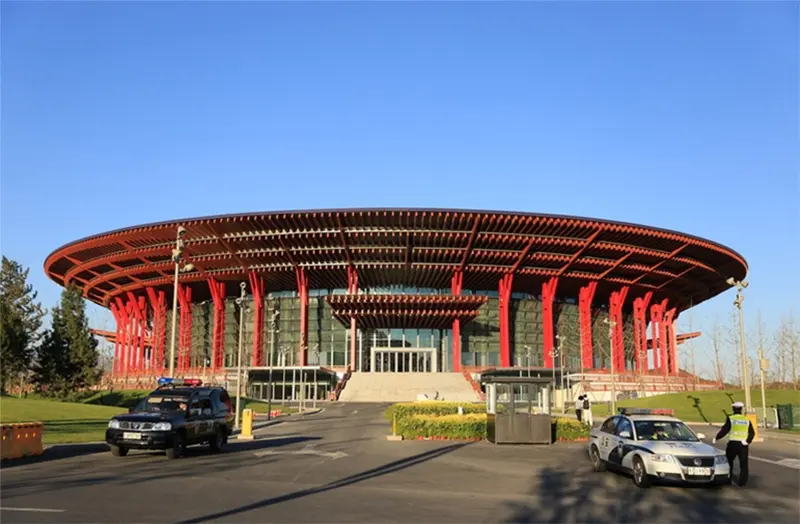
Supplied premium structural components and framing materials for this landmark architectural development.
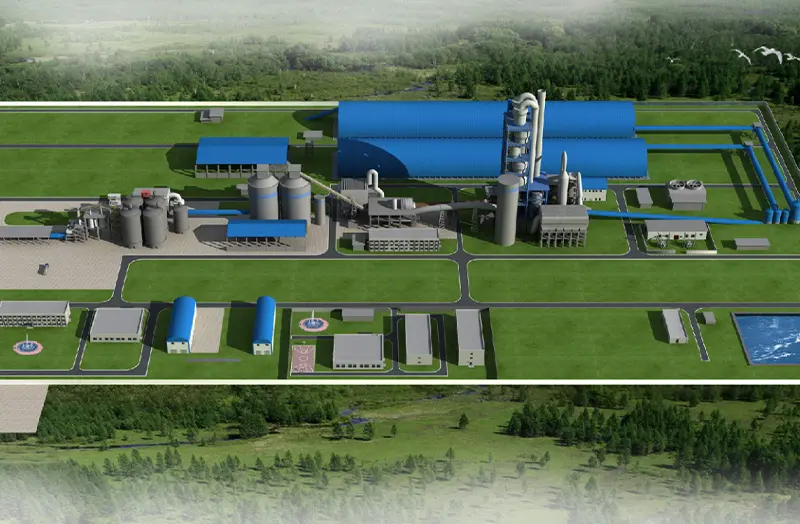
Engineered and provided corrosion-resistant framing materials to withstand demanding cement processing environments.
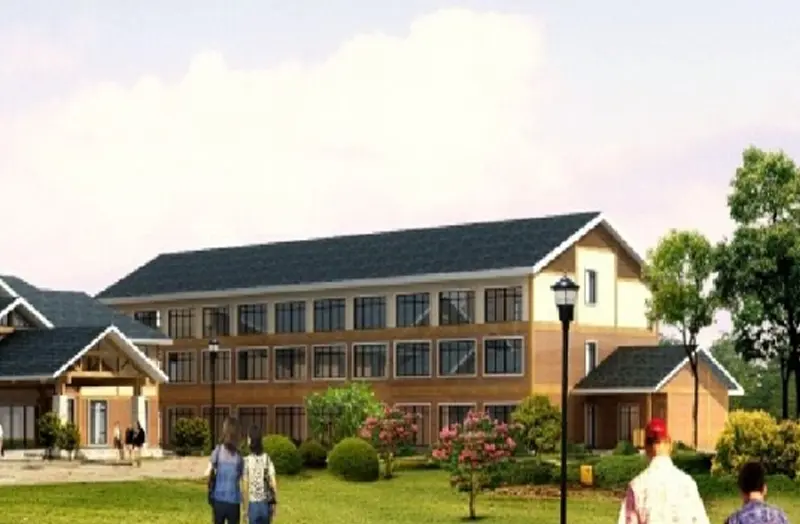
Delivered high-precision, cold-formed structural profiles for reliable residential construction in cold climates.
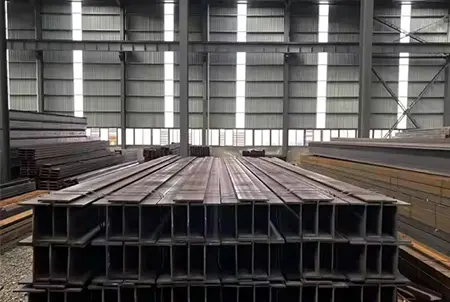
Clarifying Technical Specifications, Operational Limitations, and Best Practices for System Integration
Pre-galvanized steel relies on the sacrificial action of surrounding zinc. Once the zinc is depleted near a cut edge, red rust begins to form. ZAM contains magnesium and aluminum, which dynamically react in atmospheric conditions to form a dense, alkaline carbonate film (Simonkolleite). This film migrates across the exposed cut edge to shield it from further oxidation.
ZAM coatings are harder than pure zinc coatings. During cold roll-forming operations, pure zinc can peel or scrape off, leaving zinc dust on tooling dies. In contrast, ZAM's alloy structure features a lower coefficient of friction and high wear resistance, preventing flaking and extending die life while ensuring consistent coating coverage.
Yes, ZAM steel can be welded using standard gas metal arc welding (GMAW) and resistance spot welding. Because zinc coatings release vapors when heated, proper extraction ventilation is required. Weld areas must also be treated with zinc-rich primer or thermal spray to restore corrosion protection, although adjacent heat-affected zones still benefit from the self-healing properties of the surrounding ZAM alloy.
Yes. ZAM is highly resistant to condensation, thermal cycling, and high-ammonia environments. This makes it an ideal material for agricultural structures, food processing facilities, and cold storage units where conventional galvanized steel can experience rapid white rust degradation.
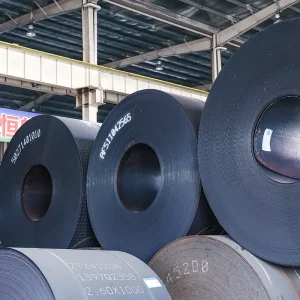
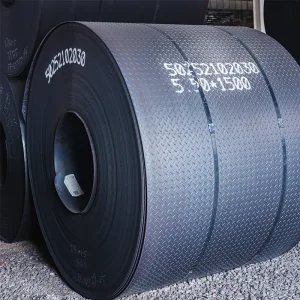
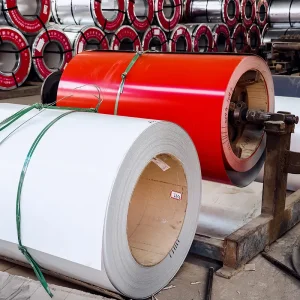
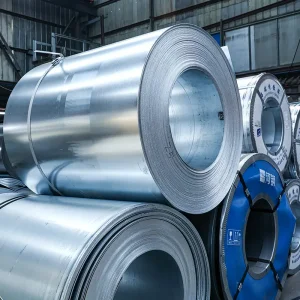
Our manufacturing facility in Tangshan is located 150 km from the seaport of Tianjin. We manage 8 active production lines, maintaining regular lead times between 20 to 30 days from order confirmation to port delivery. Coils are wrapped in water-resistant packaging, strapped with steel bands, and shipped on wooden or steel skids designed to withstand marine transit.
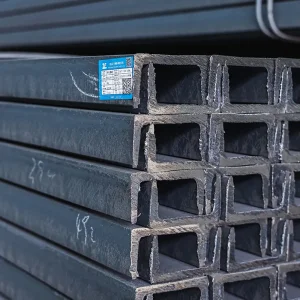
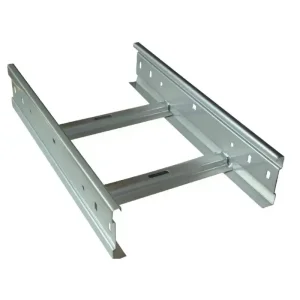
Comprehensive Steel Sheets, Flat Bars, Channels, and Cable Management Solutions for Warehousing and Industrial Construction


 Hanshen