Engineered high-performance steel components tailored for deep drawing, stamping, and major industrial infrastructure projects within the Chicagoland corridor.
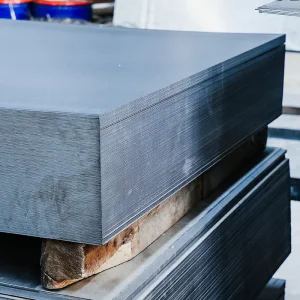
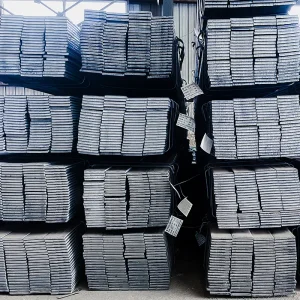
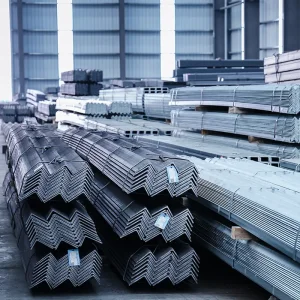
Chicago and the wider Illinois-Indiana-Wisconsin tri-state area remain the structural backbone of North American manufacturing. From the automotive stamping facilities near Belvidere to the appliance assembly plants throughout the Midwest and the expansive logistics hubs flanking O’Hare, the demand for high-quality steel remains unprecedented. While domestic production plays a significant role, global supply chains are indispensable for maintaining competitive pricing and high volume flows of Cold Rolled (CR) steel coils, sheets, and plates.
For local distributors, metal stampers, and structural contractors in Chicagoland, navigating raw material procurement requires a deep understanding of metallurgy, standard compliance, and import logistics. This whitepaper analyzes the mechanical characteristics of cold-rolled steel products, outlining their technical parameters, production methodologies, and compliance frameworks to ensure risk-managed procurement for Midwest industrial operations.
Chicago's severe winter conditions and high lake wind loads mean structural steel installations require exceptional strain-aging resistance and precise bendability to avoid micro-fractures during fabrication and installation. Cold-rolled steel processed with skin-pass rolling minimizes Lüders band formation, ensuring perfectly smooth paint adhesion on complex formed surfaces.
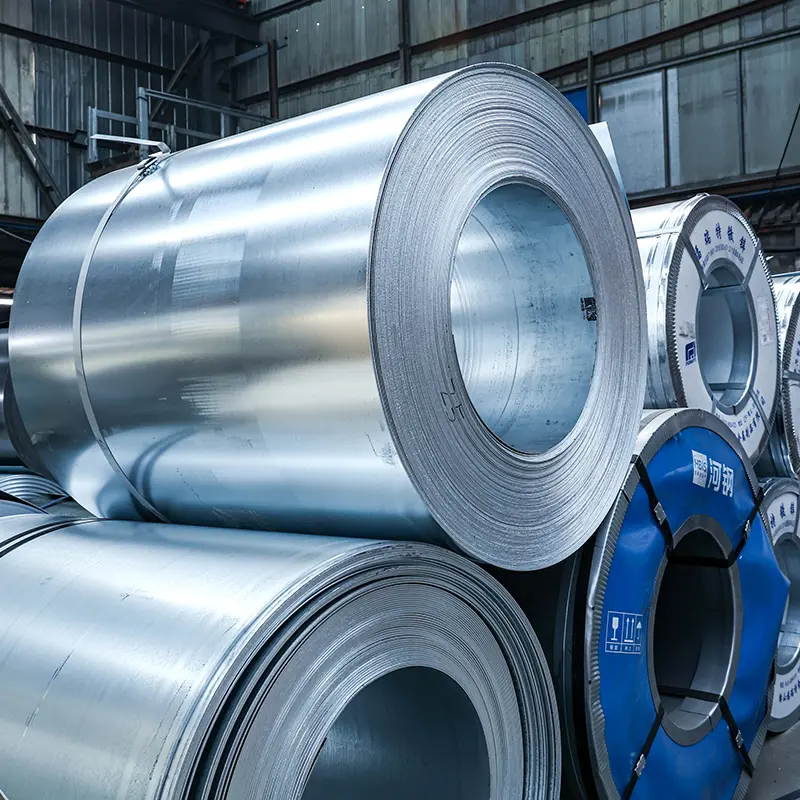
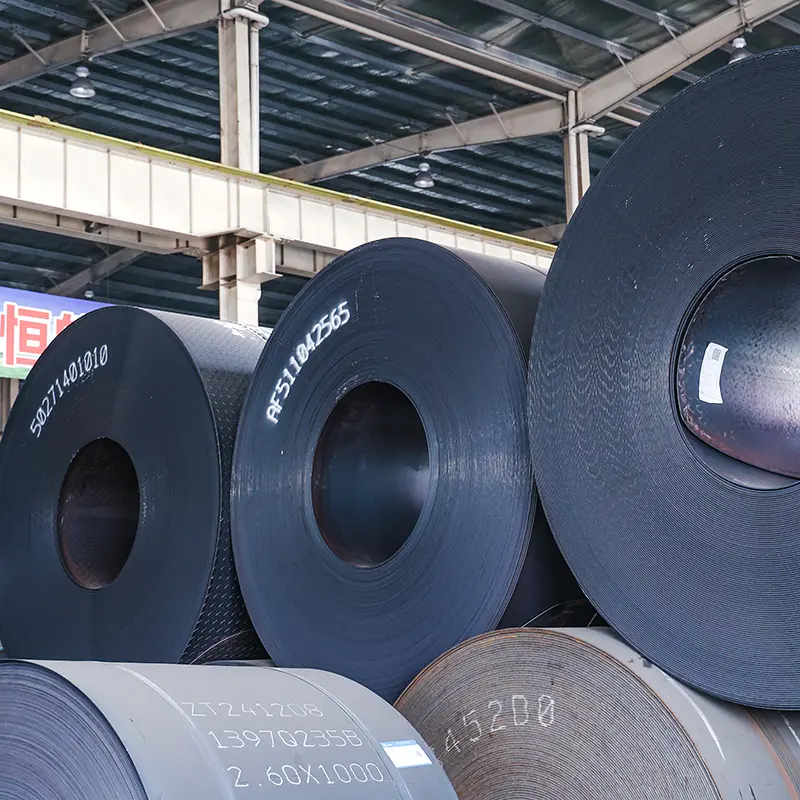
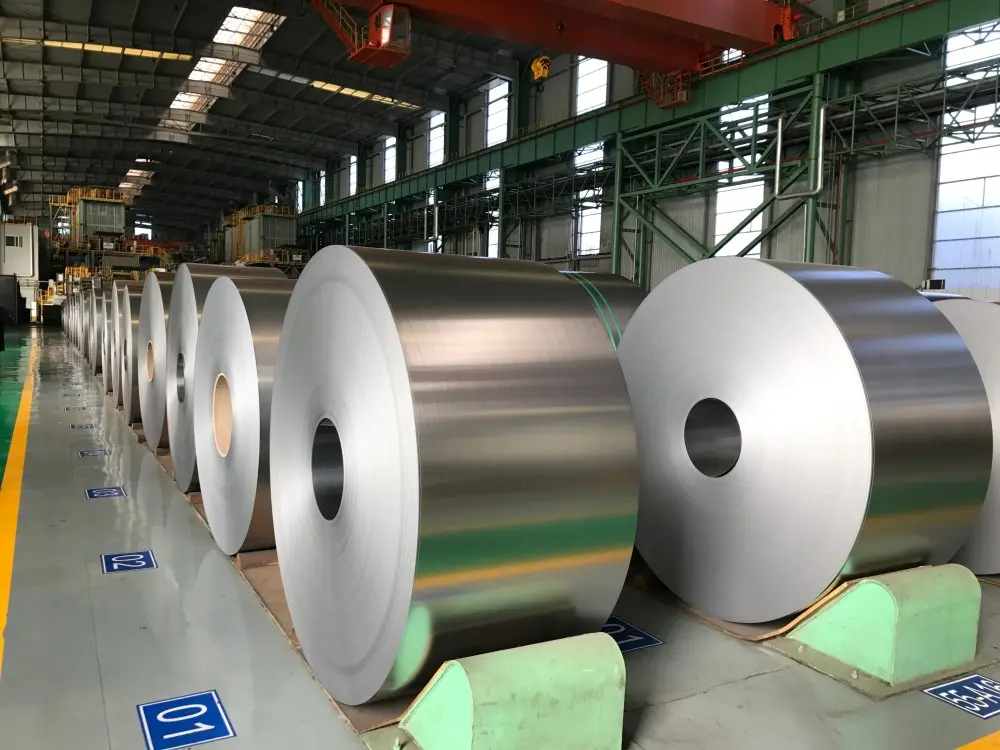
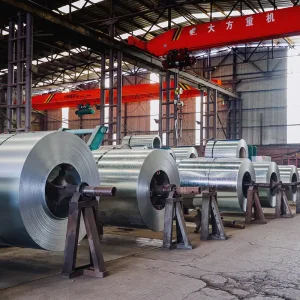
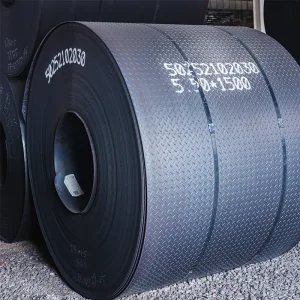
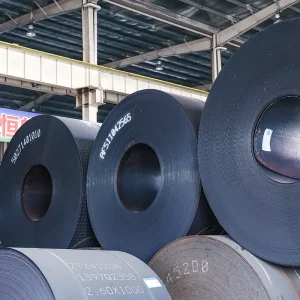
Cold rolled steel is hot-rolled steel that has undergone further processing in cold reduction mills. After cooling to room temperature, the steel is pickled to remove oxides, cold reduced to the target thickness, and then annealed to restore ductility. The final step is skin-pass rolling, which ensures surface flatness, smooth texture, and stable mechanical performance.
For industrial buyers, understanding these material grades is crucial:
| ASTM A1008 Grade | Yield Strength (ksi / MPa) | Tensile Strength (ksi / MPa) | Elongation in 2" (Min %) | Primary Applications |
|---|---|---|---|---|
| CS Type B | 20–40 / 140–275 | 40–60 / 275–410 | ≥ 30% | Ductwork, general bracket fabrication, light framing |
| DS Type A | 22–35 / 150–240 | 42–55 / 290–380 | ≥ 36% | Complex housings, shallow oil pans, deep-drawn parts |
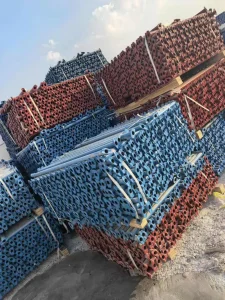
| SS Grade 33 | Min 33 / 230 | Min 48 / 330 | ≥ 20% | C-sections, structural channels, scaffolding support |
| SS Grade 50 | Min 50 / 340 | Min 65 / 450 | ≥ 12% | Heavy-duty warehouse racking, vehicle framing |
Procuring directly from Tangshan, Hebei Province—the global epicenter of steel manufacturing—presents significant cost efficiencies that directly benefit Midwest distribution centers. The combination of local iron ore availability, integrated blast-furnace operations, and large-scale manufacturing output allows us to lower raw material cost bases significantly.
Furthermore, our close proximity to the port of Tianjin (150 km) facilitates streamlined ocean freight routes. For Chicago buyers, shipments can be routed through coastal ports (such as Houston or Philadelphia) and integrated into Class-I rail corridors (BNSF, Union Pacific) or shipped via the St. Lawrence Seaway directly into the Port of Chicago. This intermodal route configuration minimizes inland drayage fees.
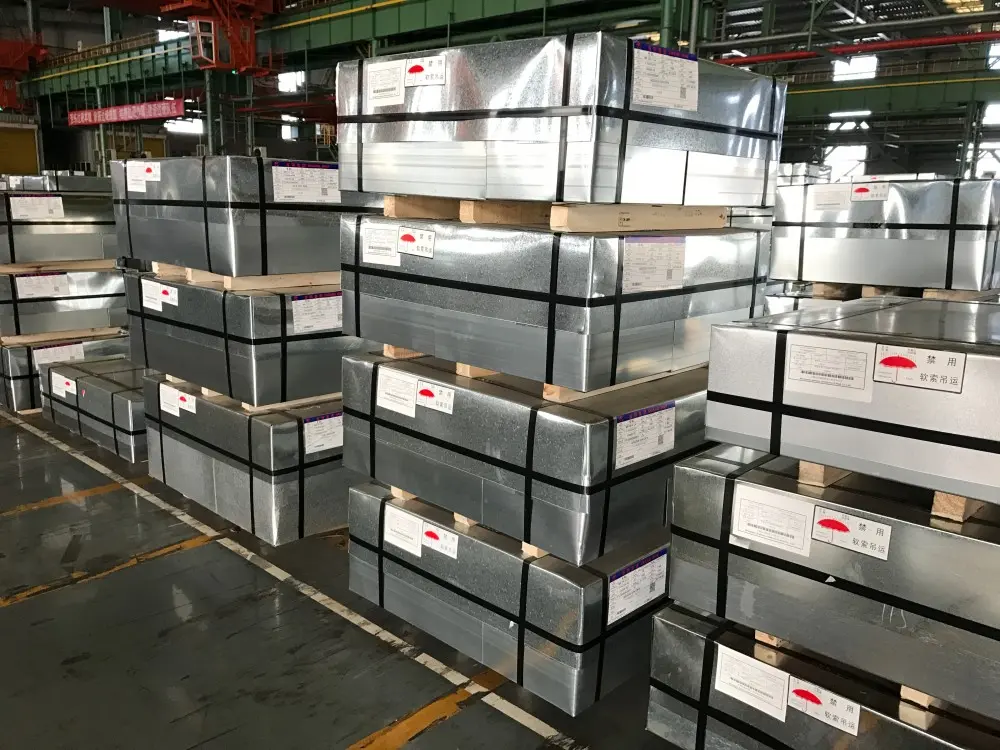
Maritime cargo transport is prone to saltwater condensation, which can lead to white rust (zinc oxide) or red rust (iron oxide) if not properly managed. To prevent this, our manufacturing process utilizes state-of-the-art oiling applicators (mineral or synthetic rust-preventative oils) and premium moisture-barrier packaging. We wrap each coil in high-strength VCI (Volatile Corrosion Inhibitor) paper, secured with heavy-gauge galvanized steel outer rings and robust eye-to-sky or eye-to-wall steel banding.
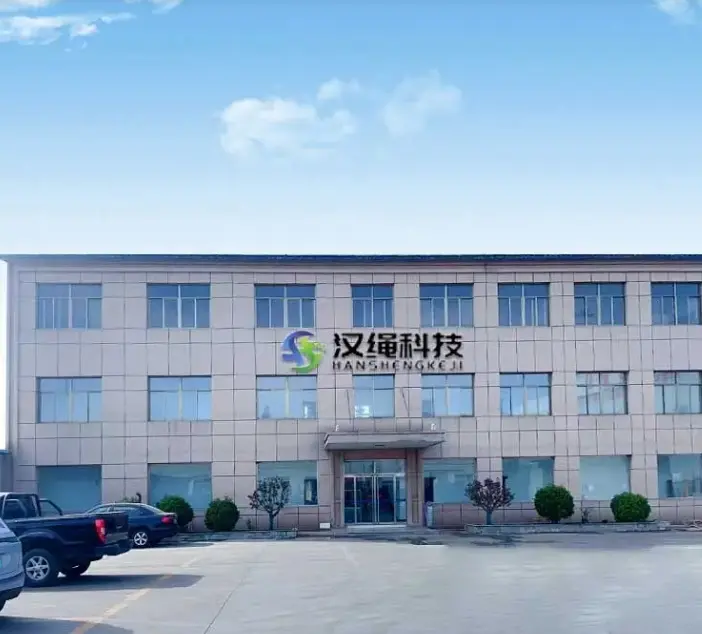
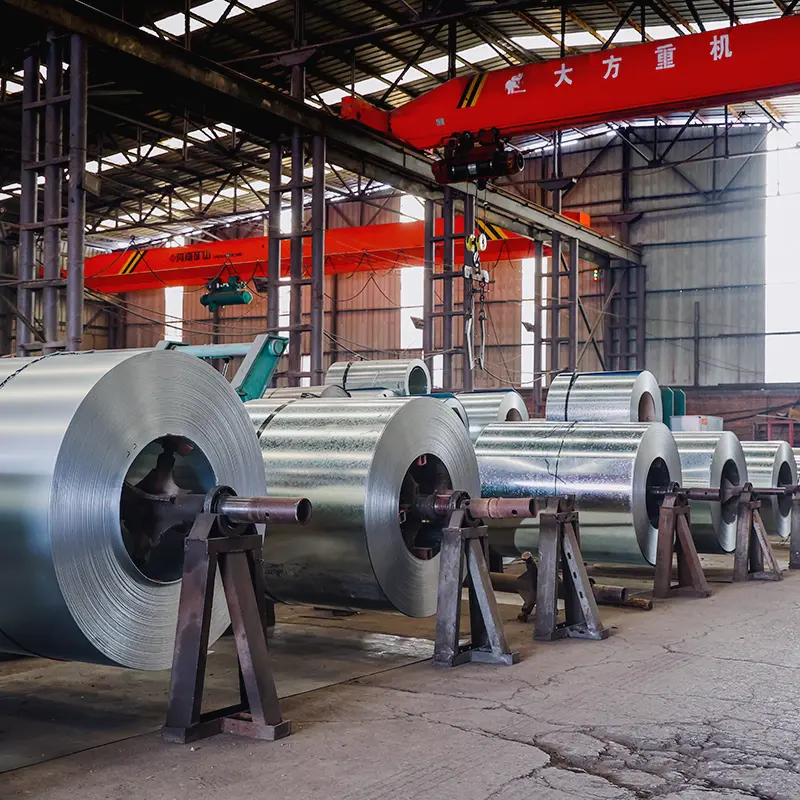
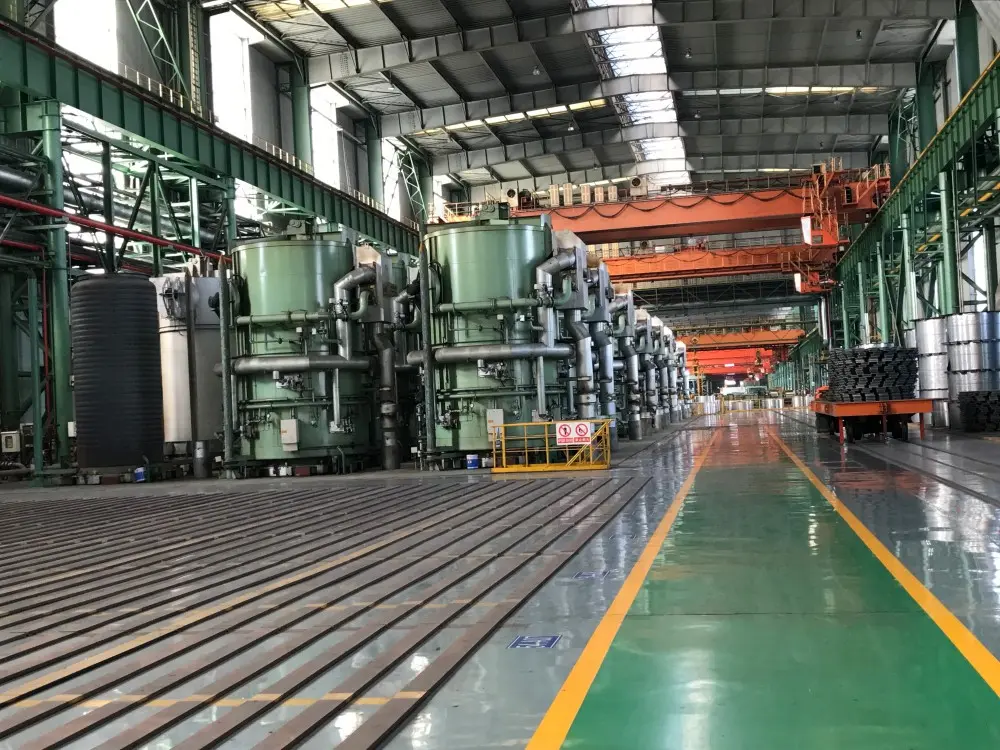
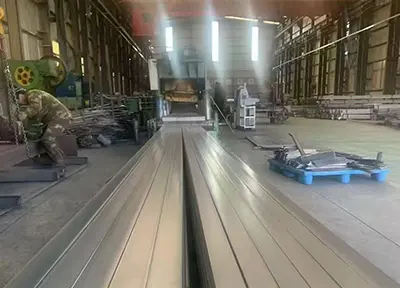
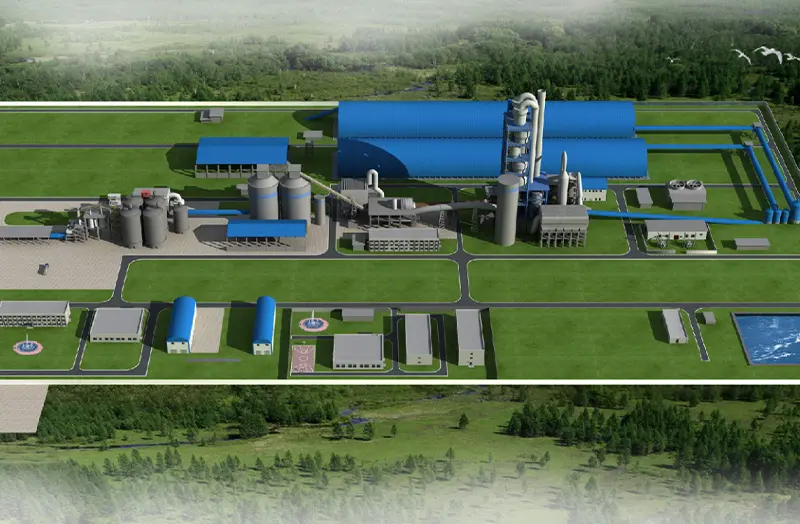
Strategically situated in Tangshan City, Hebei Province—the heart of China’s steel industry—Hansheng Technology is a comprehensive, export-oriented enterprise specializing in manufacturing premium-quality steel products since 2006. With an exceptional logistics network, we operate 8 high-efficiency production lines with a total annual capacity of 300,000 metric tons.
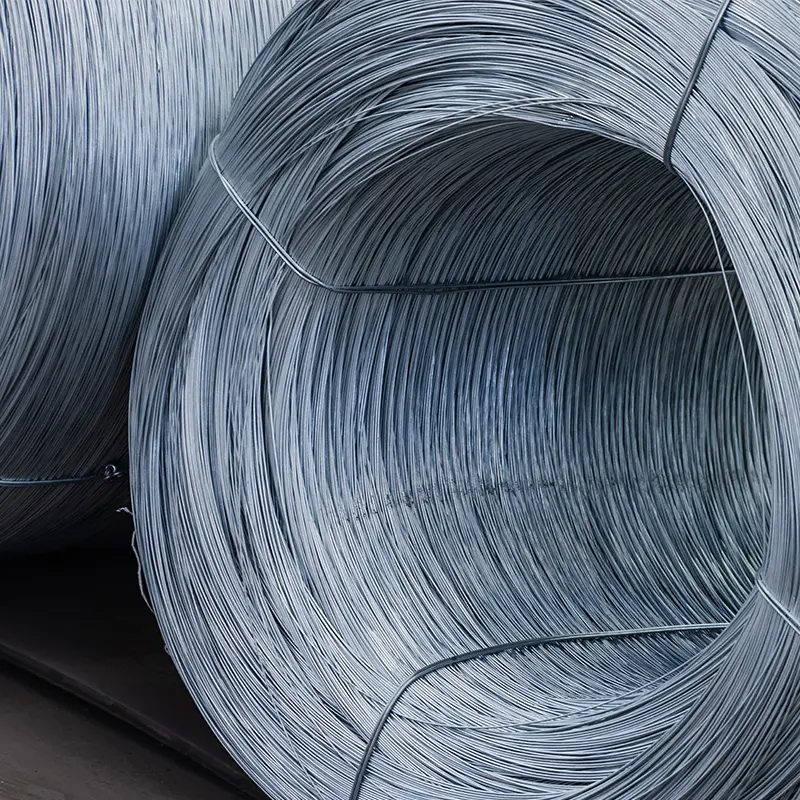
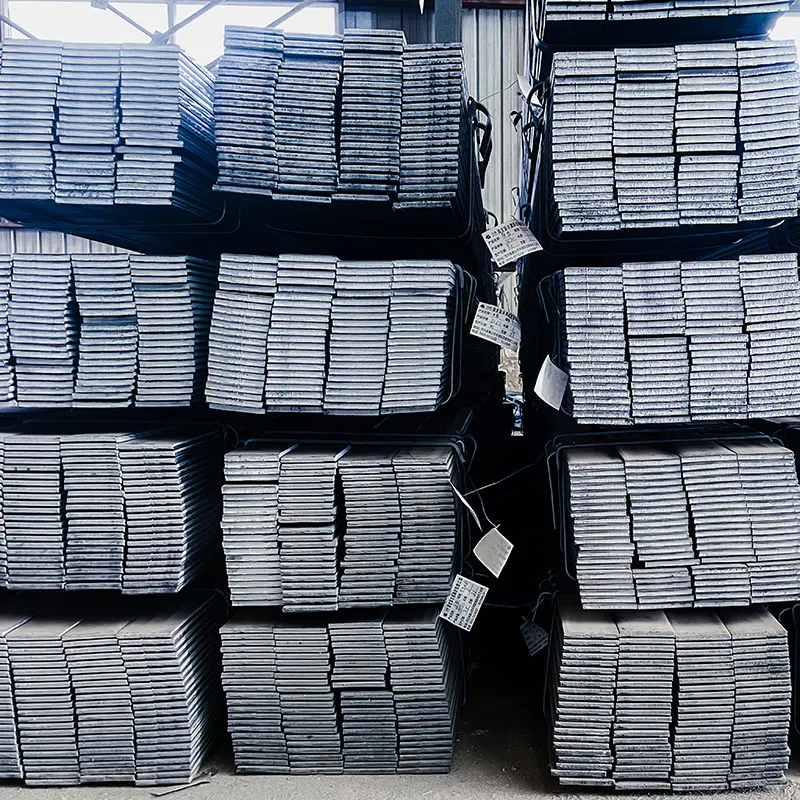
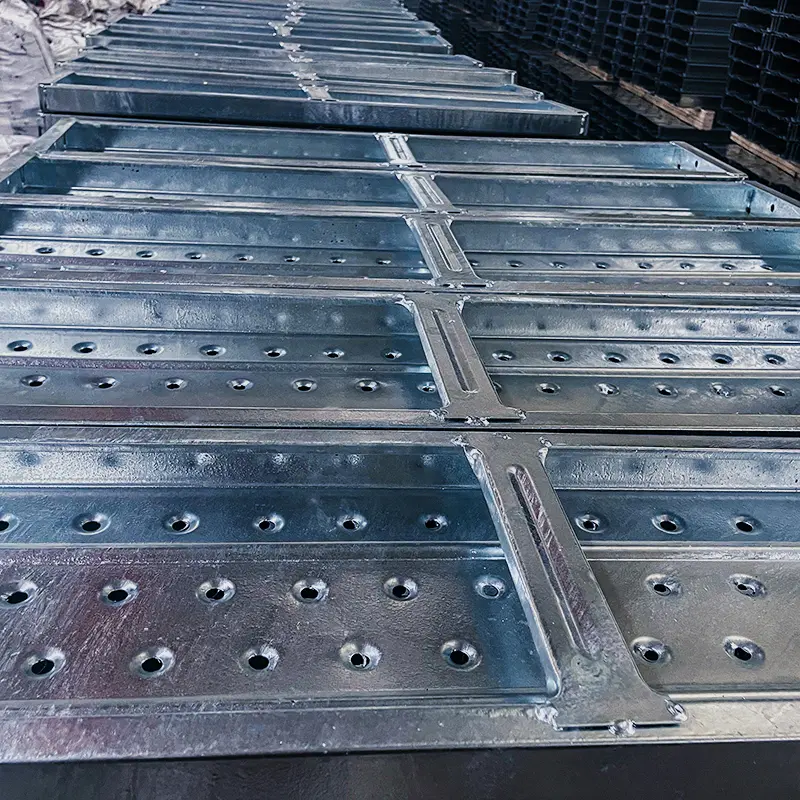
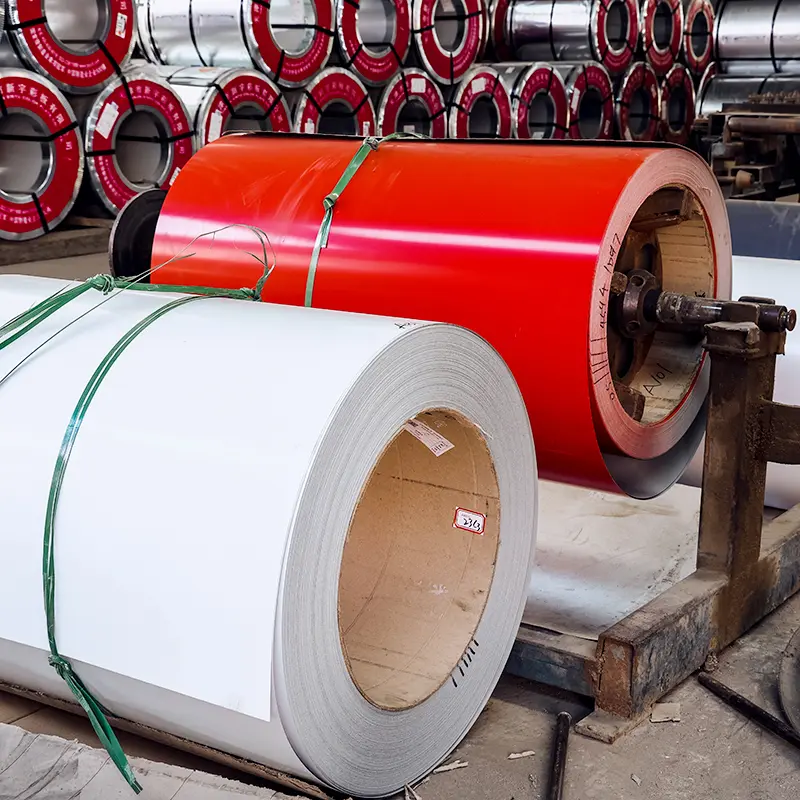
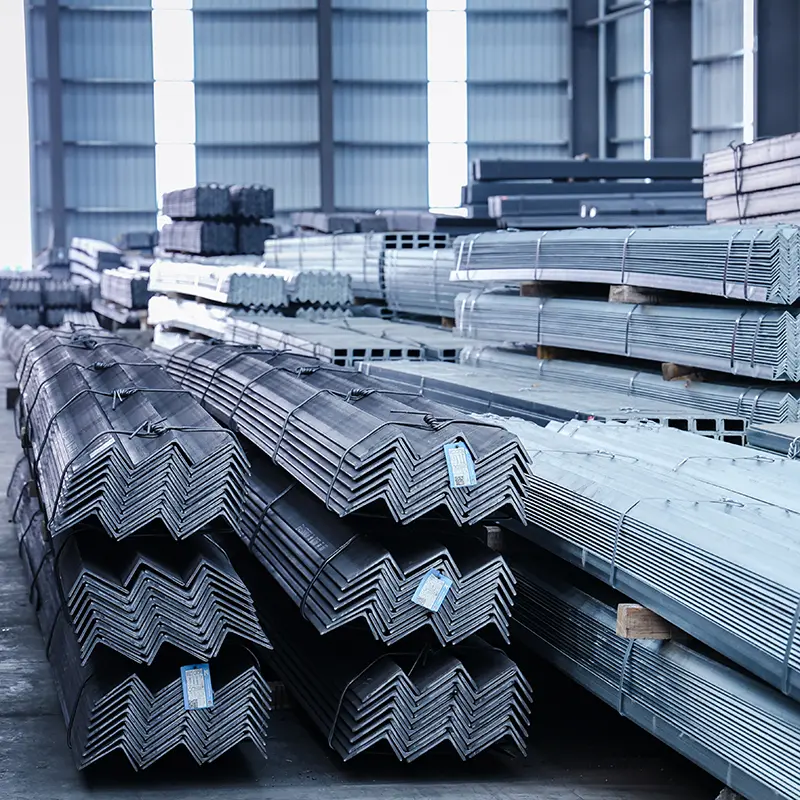
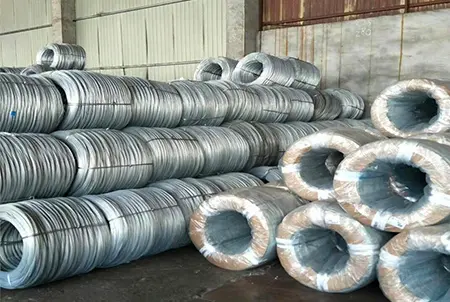
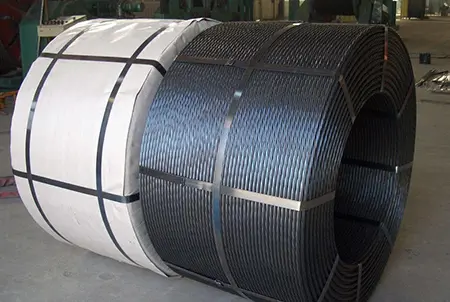
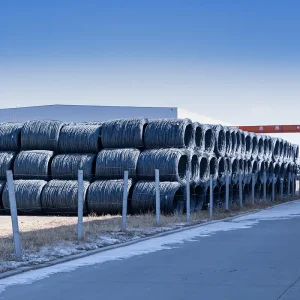
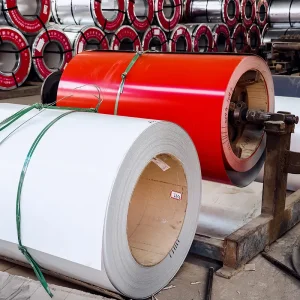
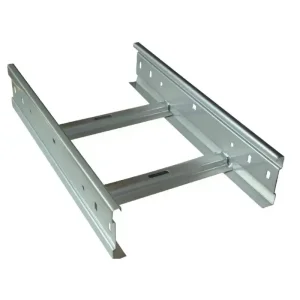
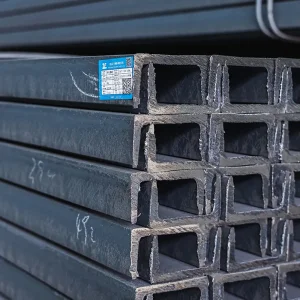
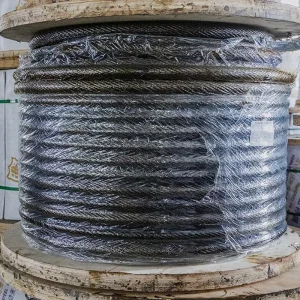
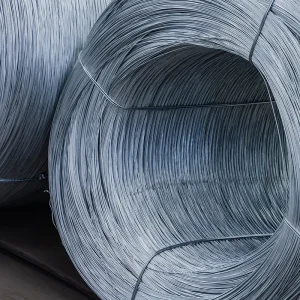
Our extensive product portfolio includes Galvanized Steel Wire, Hot/Cold Rolled Steel Coils and Sheets, GI/PPGI, GL/PPGL, and various Section Steels. Every product is manufactured to adhere to rigorous international standards such as GB, JIS, ASTM, DIN, EN, and AS/NZS.
Underpinning our capacity to fulfill heavy contracts for industrial and structural buyers globally.





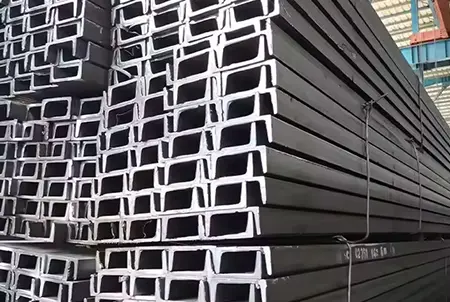
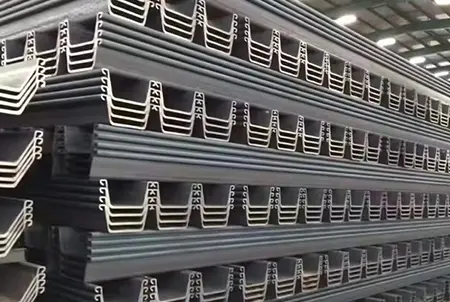
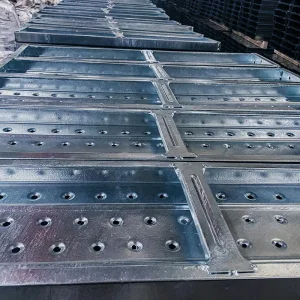
Demonstrated capacity in delivering structural-grade metal components to global industrial centers, customized to meet local ASTM, JIS, and EN structural benchmarks.
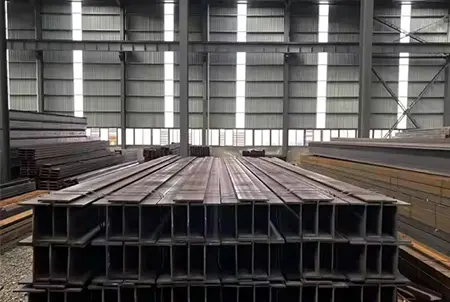
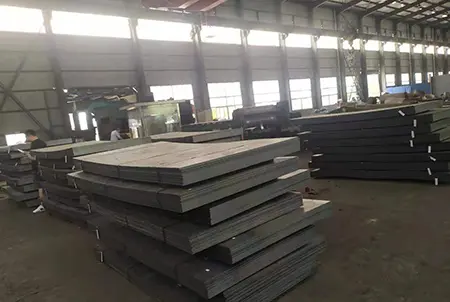
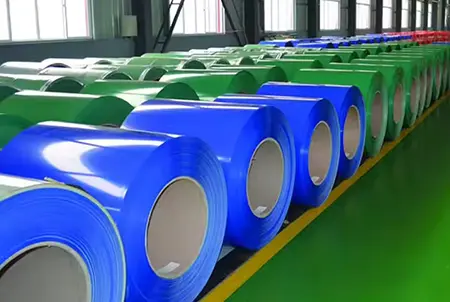
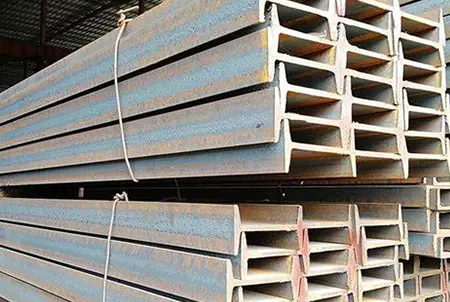
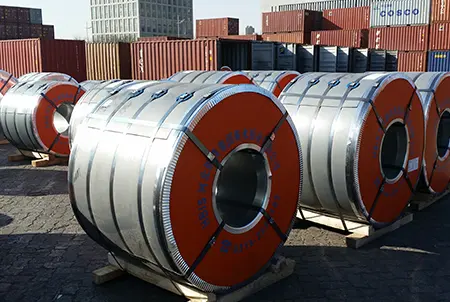
Essential insights regarding specifications, compliance, lead times, and shipping logistics from our Tangshan factory directly to Chicago and Midwest receiving facilities.
ASTM A1008 is the material specification that defines the chemical composition, mechanical properties (yield strength, tensile strength, and elongation), and testing requirements for cold-rolled steel sheet in commercial, drawing, structural, and other specialized grades.
ASTM A568, on the other hand, is the overarching administrative standard specifying the general dimensional tolerances (thickness, width, flatness, camber, and out-of-square parameters) for all hot-rolled and cold-rolled carbon and high-strength low-alloy steel sheets. Your mill test certificate (MTC) must verify compliance with both ASTM A1008 (for grade parameters) and ASTM A568 (for physical measurements).
Given that maritime transit from Northern China ports (Tianjin) to North American industrial distribution networks takes 30 to 45 days, moisture control is critical. We apply rust-preventative oil to the steel surface at the skin-pass line (standard oiling weights from light to heavy, tailored to your manufacturing requirements).
We package each coil in thick plastic sheeting, followed by a heavy layer of VCI (Volatile Corrosion Inhibitor) paper. This is encased in a rigid, rust-resistant metal outer wrap with protective steel edge rings, and secured using 4 radial and 3 circumferential steel bands. We recommend storing coils in a climate-controlled warehouse with stable relative humidity (below 50%) immediately upon container discharge.
Our manufacturing cycle in Tangshan generally takes 15 to 25 days, depending on coil volume, specific chemical requirements, and thickness tolerances. Transportation from our factory to the Port of Tianjin is completed within 24 hours.
For Chicago delivery, the most common shipping method is containerized ocean freight to US East Coast ports (such as New York/New Jersey or Savannah) or Gulf Coast ports (Houston), followed by Class-1 intermodal rail directly to Chicago logistics yards (like Bedford Park or Corwith). The transit time for this route is 35 to 45 days. Alternatively, breakbulk shipping can be arranged for large contract volumes.
Yes. All shipments are accompanied by a comprehensive Mill Test Certificate (MTC) complying with EN 10204 Type 3.1. This certificate details the exact heat number, chemical composition breakdown (Carbon, Manganese, Phosphorus, Sulfur, Silicon, Aluminum, etc.), actual yield and tensile strengths, elongation percentages, and standard compliance verification (ASTM, JIS, or EN). This ensures full traceability for regulatory compliance audits in Chicago and nationwide.
Access our complete selection of structural, coated, and wire-drawn components manufactured to international standards and optimized for Chicago industrial buyers.
Get direct mill access, guaranteed ASTM dimensional certifications, and comprehensive ocean freight insurance. Submit your RFQ today for a technical price quotation.
 Hanshen